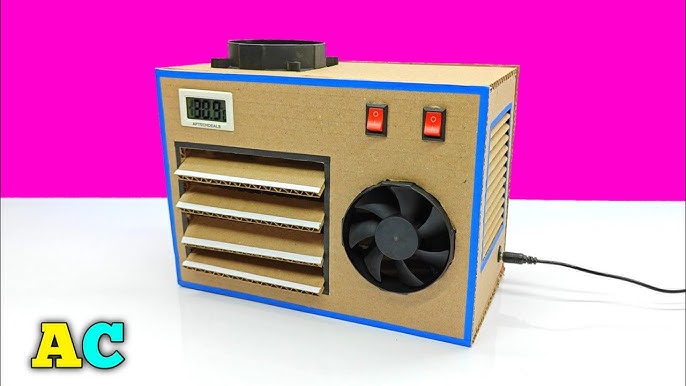
Feeling hot and uncomfortable at home? What if you could beat the heat without spending a fortune on an air conditioner?
You’re about to discover how to make a mini air conditioner at home with simple materials you probably already have. This easy, step-by-step guide will help you cool down your space quickly and cheaply. Keep reading—you’ll be surprised how simple and effective this DIY solution can be!
Materials Needed
Cooling Componentsinclude a small fan, ice packs or frozen water bottles, and a plastic container. The fan helps move cool air around. Ice packs or frozen bottles provide the cold source. The plastic container holds the ice and keeps the air cool.
Tools and Accessoriesneeded are a sharp knife or scissors, tape, and a marker. The knife or scissors cut holes in the container. Tape seals any gaps to keep air inside. The marker helps mark where to cut.
Choosing The Right Container
Choosing the right container is keyto building a good mini air conditioner. The sizeshould fit your cooling space and hold ice or cold water easily.
- Plastic tubsare light and easy to handle.
- Metal containerscool faster but can be heavy.
- Styrofoam boxeskeep cold longer because they insulate well.
Good insulationhelps keep the cold air inside. Use thick containers or line them with foam or cloth. This stops the cold from escaping quickly, making your mini air conditioner work better and last longer.
Step-by-step Assembly
Choose a small plastic container with a lid. Cut holes on opposite sides. One hole fits the fan, the other lets cool air out. Smooth the edges to avoid cuts.
Use a small fan that fits the hole. Place it so it blows inside the container. Secure the fan with tape or glue. Make sure it stays steady.
Fill the container with ice cubes or cooling packs. They chill the air inside. Close the lid tightly to keep cold air in. Replace ice when it melts to keep cooling.

Credit: www.youtube.com
Powering Your Mini Ac
Battery power offers flexibilityfor your mini air conditioner. Portable batteries make the device easy to move. Choose batteries that provide enough voltageand capacityto keep it running longer.
- Rechargeable batteries are cost-effective and eco-friendly.
- Alkaline batteries are easy to find but may drain fast.
- Check battery size compatibility with your mini AC model.
Using USB power is a simpleand popular option. Most mini ACs can plug into a USB port. This method works well with power banks, laptops, or wall adapters.
- USB power supplies stable and constant energy.
- Portable power banks allow use anywhere.
- USB cords are easy to connect and replace.
Optimizing Cooling Efficiency
Place the mini air conditioner near a window or open space. This helps fresh air flow in and warm air flow out. Avoid placing it in direct sunlight. It can make the cooling less effective.
Keep the unit stable on a flat surface. This stops spills and helps air flow better. Make sure the fan is not blocked by furniture or walls.
- Use ice packs or frozen water bottles for longer cooling.
- Replace ice or cooling packs every 1-2 hours for best results.
- Keep extra ice ready to swap quickly.
- Use sealed ice packs to avoid water leaks.
Maintaining ice packs cold helps the mini air conditioner stay cool longer. It keeps the air fresh and cool.

Credit: www.youtube.com
Safety Tips
Electrical safetyis key when building a mini air conditioner. Use a proper power sourceand avoid overloading outlets. Make sure all wires are insulatedand not frayed. Keep the device away from water to prevent electric shocks. Always unplug the unit before making any adjustments.
Handling ice requires care. Use gloves to avoid cold burns. Do not let water from melted ice drip on electrical parts. Replace ice regularly to keep the air conditioner working well. Dispose of melted water safely to avoid slippery floors.
Troubleshooting Common Issues
Fan Not Workingcan be due to loose wires or a blocked motor. Check the power source first. Make sure the fan blades spin freely without obstacles. Clean dust or dirt around the motor to help it run smoothly. Test the fan with a different power outlet to rule out electrical issues.
Insufficient Coolinghappens if the ice or cooling element melts too fast. Use large ice cubes or frozen gel packs for longer cooling. Ensure the airflow is not blocked by objects or walls. Check if the fan speed is set correctly to push cool air. Also, seal any gaps where warm air might enter the unit.
Creative Enhancements
Adding aromatherapyenhances your mini air conditioner’s cooling effect. Place a few drops of essential oilslike lavender or peppermint on a cotton ball. Put it near the air outlet to spread a fresh scent. This creates a calm and pleasant atmospherewhile cooling the air.
For decorative ideas, use colorful tape or paint to personalize the cooler’s body. Stick small stickers or patterns to make it look fun. Using bright colors can make your mini air conditioner a nice room decoration.
- Use bright tapes or paints for color
- Add small stickers or simple designs
- Place it near a window for better effect
- Choose scents that help relaxation or focus

Credit: www.youtube.com
Frequently Asked Questions
What Materials Do I Need To Make A Mini Air Conditioner?
To make a mini air conditioner, you’ll need a small fan, a plastic container, ice packs, and a PVC pipe. These simple materials can be found at most hardware stores or online. The combination of these items will help create a cooling effect in a confined space.
How Does A Homemade Mini Air Conditioner Work?
A homemade mini air conditioner works by circulating air over ice packs. The fan pushes air through the container, and the ice cools it down. This cooled air is then directed out through the PVC pipe, providing a refreshing breeze.
It’s a cost-effective and energy-efficient cooling method.
Is It Cost-effective To Make A Mini Air Conditioner?
Yes, making a mini air conditioner is cost-effective. It uses basic materials like a fan and ice packs. These are inexpensive and can be reused. Additionally, it’s energy-efficient, using less power than traditional air conditioners, making it a budget-friendly cooling option.
How Long Does A Homemade Mini Air Conditioner Last?
A homemade mini air conditioner typically lasts a few hours. The duration depends on the ice pack size and room temperature. Replacing the melted ice with fresh packs extends its cooling time. Regular maintenance and care can also help in prolonging its effectiveness.
Conclusion
Making a mini air conditioner at home saves money and cools your space. It uses simple materials you can find easily. This project takes little time and effort. You can adjust it to fit your needs. Stay cool during hot days without big costs.
Try this easy DIY and enjoy a fresh breeze. Small steps bring big comfort. Now, your room feels cooler and more pleasant. Give it a go and beat the heat today!