Is your air conditioner making too much noise, disturbing your peace at home? You’re not alone, and the good news is—you don’t have to live with that constant hum or loud clatter.
Imagine enjoying a cool, comfortable room without the distraction of a noisy AC. You’ll discover simple, effective ways to make your air conditioner quieter. These easy tips can help you reclaim your calm and improve your comfort—so keep reading to find out how!
Common Causes Of Ac Noise
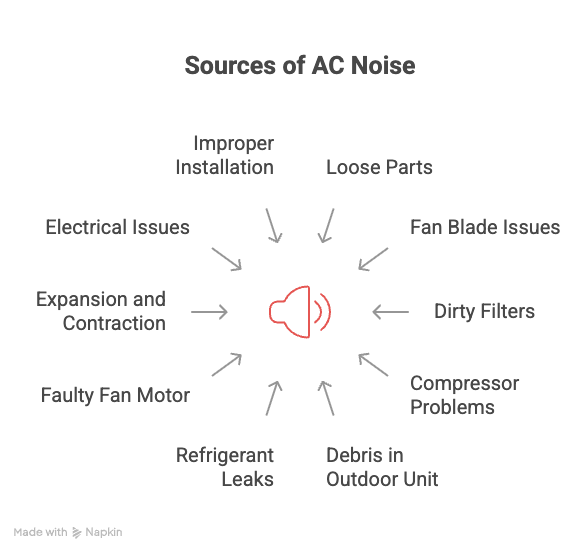
Many noises from an air conditioner come from loose parts and components. Screws and panels can shake and rattle. Tightening these can reduce noise a lot.
Dirty or clogged filtersblock airflow. This forces the AC to work harder and makes loud sounds. Regular cleaning or replacing filters helps keep it quiet.
A worn out fan motoroften causes humming or grinding noises. Fans that don’t spin smoothly need repair or replacement to stop the noise.
Compressor issuescan create loud banging or knocking sounds. This part is key to cooling. Problems here usually need a professional to fix safely.

Credit: www.hammacher.com
Simple Diy Fixes
Tightening loose screwshelps stop rattling noises. Use a screwdriver to check all screws on the unit. Tighten any that feel loose. This simple fix can reduce vibration sounds.
Cleaning or replacing filtersimproves airflow and lowers noise. Dirty filters make the fan work harder and sound louder. Remove the filter, clean it with water, or replace it if worn out.
Lubricating moving partskeeps the motor and fan running smoothly. Use a few drops of light oil on motor bearings and fan shafts. This reduces friction and quiets the machine.
Adjusting fan bladescan fix imbalance noises. Check if blades spin freely without wobbling. Gently bend bent blades back into place to keep the fan steady and silent.
Using Soundproofing Materials
Acoustic panelsabsorb sound waves, reducing noise from the air conditioner. Place them on walls near the unit for best effect. These panels come in foam or fabric and are easy to install.
Adding insulationaround the air conditioner helps block sound. Use materials like fiberglass or foam to wrap the unit. This stops noise from escaping and lowers vibration.
Soundproof covers fit over the unit to cut down noise. Made from thick, soft material, they trap sound inside. Ensure the cover allows airflow to keep the unit cool.
Credit: holtkamphvac.com
Upgrading Or Replacing Components
Switching to quieter fanscan lower noise levels significantly. Fans designed with better bladesmove air more smoothly. This reduces the sound created by air hitting the blades. Quieter fans also use motors that run more silently. Upgrading to these fans helps create a peaceful environment.
Replacing old compressorsis another way to reduce noise. Compressors generate much of the sound in an air conditioner. Newer models are designed to operate more quietly. They use improved technology that cuts down vibration and noise.
Installing vibration padsunder the air conditioner can stop loud shaking sounds. These pads absorb vibrations from the unit. They prevent noise from traveling through walls or floors. Vibration pads are easy to add and help lower noise without big changes.
Professional Maintenance Tips
Scheduling regular tune-ups helps keep your air conditioner running quietly. A trained technician checks and cleans all parts. This stops dirt build-up that causes noise.
Checking refrigerant levels is key. Too little refrigerant makes the system work harder and louder. Proper levels keep the unit calm and cool.
Inspecting electrical connections ensures safe and smooth operation. Loose wires can cause buzzing or clicking sounds. Tight and clean connections reduce noise and prevent breakdowns.

Credit: www.hammacher.com
When To Call An Expert
Persistent loud noisesfrom your air conditioner may signal a serious problem. Strange banging, grinding, or rattling sounds should not be ignored. These noises often mean parts are loose or broken. Calling a professional ensures the issue is safely fixed.
Unusual smells or leakscoming from the AC unit are warning signs. Musty or burning odors can indicate mold growth or electrical issues. Water or refrigerant leaks can damage your home and reduce cooling. Experts can identify and repair these problems quickly.
Frequent system failuresare clear signals it is time for expert help. If the air conditioner stops working often or does not cool properly, internal parts may be failing. A technician can diagnose and fix the root cause, preventing further damage.
Frequently Asked Questions
How Can I Reduce Air Conditioner Noise Quickly?
To reduce AC noise fast, clean or replace filters regularly. Tighten loose parts and clear debris near the unit. Using soundproofing foam around the compressor also helps lower noise.
What Causes An Air Conditioner To Be Noisy?
Noisy ACs often result from loose components, dirty filters, or worn-out fans. Vibrations and motor issues can also create sound. Regular maintenance prevents these problems effectively.
Can Insulation Help Make My Ac Quieter?
Yes, insulation absorbs and blocks sound. Adding foam or acoustic panels around the AC unit reduces noise transmission. Proper insulation also enhances energy efficiency.
Should I Lubricate My Air Conditioner To Reduce Noise?
Lubricating moving parts like fan motors can decrease friction and noise. Use manufacturer-recommended lubricants and avoid over-lubrication. Regular lubrication keeps the AC running smoothly and quietly.
Conclusion
Making your air conditioner quieter helps create a calm, cool space. Small fixes, like cleaning and tightening parts, reduce noise fast. Regular care keeps your AC running smooth and quiet. Remember to check the fan and replace old filters often.
Quiet air conditioning means better rest and less stress. Try these easy steps to enjoy peace at home. A quiet AC makes summer days more comfortable and calm.