Are you dreaming of a beautiful garden but worried about the cost of building raised beds? You don’t have to spend a fortune to create a thriving garden space.
Imagine growing your favorite vegetables and flowers in a neat, organized bed that you built yourself—without breaking the bank. In this guide, you’ll discover simple, budget-friendly ways to make raised garden beds that save you money and give your plants the perfect home.
Ready to transform your garden without emptying your wallet? Let’s get started!
Credit: www.gardeningknowhow.com
Choosing Materials On A Budget
Building raised garden beds does not have to be expensive. You can use many low-cost materials to make strong and lasting beds.
Choosing the right materials saves money and helps the environment. Look for options that fit your budget and garden style.
Recycled Wood Options
Recycled wood is a cheap and eco-friendly choice. Old wood from fences, barns, or pallets can be reused for garden beds.
Check the wood for nails or damage before using it. Untreated wood is best to avoid chemicals in your garden soil.
- Look for free wood from construction sites or neighbors
- Sand rough edges to prevent splinters
- Avoid wood treated with chemicals or paint
Using Cinder Blocks
Cinder blocks are affordable and easy to stack. They create strong, long-lasting raised beds without much work.
You can fill the holes in cinder blocks with soil or small plants. These blocks also help keep the soil warm.
- Buy new or find leftover blocks from construction sites
- Stack blocks in the shape and size you want
- Use a level to keep the bed even
Repurposed Pallets
Pallets are often free or very cheap. They can be taken apart and used to build raised garden bed frames.
Make sure the pallets are safe by checking for treatment stamps. Avoid pallets treated with harmful chemicals.
- Disassemble pallets carefully to reuse wood
- Sand and clean wood before use
- Use pallet wood for sides and corners of beds
Affordable Alternatives
Other cheap materials work well for raised beds. Options include bricks, straw bales, and scrap metal sheets.
Choose materials that fit your garden’s look and your budget. Mix and match to create unique beds.
- Bricks are durable and easy to stack
- Straw bales are natural and break down over time
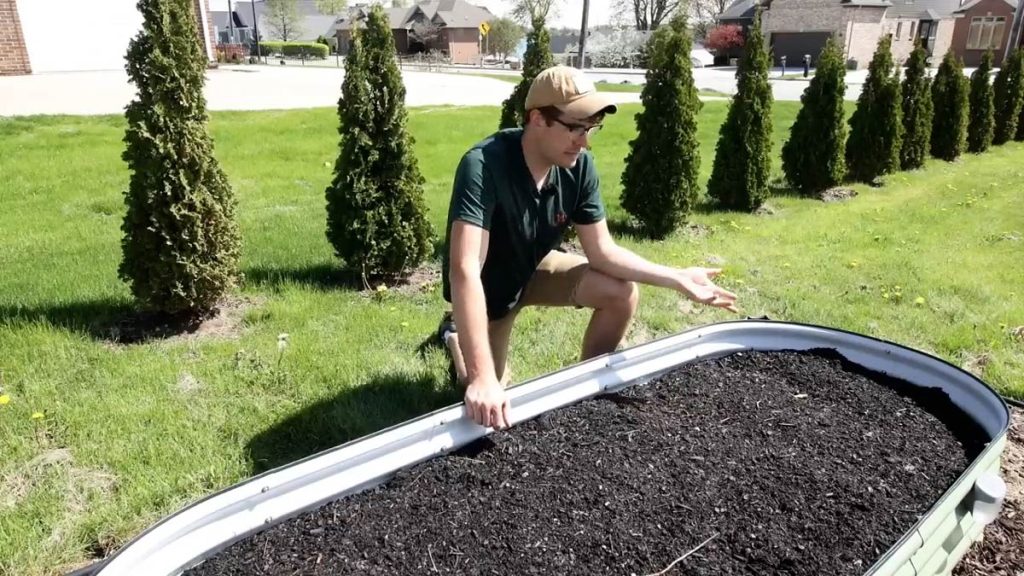
- Scrap metal sheets can form modern garden beds
- Plastic lumber can be found at low cost and lasts long

Credit: migardener.com
Planning Your Raised Bed Layout
Raised garden beds are a great way to grow plants. Planning your layout helps you use space wisely and keep costs low.
Think about what you want to plant and how much space each plant needs. This will guide you in designing your garden beds.
Optimal Bed Sizes
The size of your garden beds matters. Smaller beds are easier to manage and reach. Standard sizes are usually 4 feet wide, which allows you to reach the center from either side.
Keep the length of the bed based on your space. Common lengths range from 4 to 12 feet.
Maximizing Space
Use your space wisely by planting vertically. Install trellises for climbing plants like peas and beans. This frees up ground space for other plants.
Group plants with similar needs together. This makes watering and maintenance easier.
- Use corner spaces for taller plants
- Consider staggered rows for better sunlight
- Plan pathways to access all areas easily
Location Tips
Pick a spot that gets plenty of sunlight. Most plants need at least 6-8 hours of sun each day.
Avoid placing beds near large trees or shrubs. Their roots can compete with your garden plants for nutrients and water.
Ensure your beds are near a water source. This makes watering easier and more efficient.
Building Steps For Diy Raised Beds
Making raised garden beds can improve your garden’s growth. You can build them cheaply with simple tools and materials.
This guide shows easy steps to create your own raised beds at home.
Gathering Tools And Supplies
Collecting the right tools and materials saves time and money. Use affordable and durable items to build a strong bed.
- Wood planks (cedar or pine)
- Hammer and nails or screws
- Measuring tape and pencil
- Drill or screwdriver
- Level to check evenness
- Staple gun and landscape fabric
- Soil and compost
Basic Construction Techniques
Start by cutting wood to size. Assemble the frame by joining corners tightly. Make sure the bed is square and level.
- Measure and cut four wood pieces for the frame.
- Lay out pieces in a rectangle or square shape.
- Attach corners with nails or screws.
- Use a level to adjust the frame.
- Staple landscape fabric inside to block weeds.
Securing The Bed Frame
Secure the frame to keep it stable. Add supports inside corners or stakes outside the bed.
| Method | Description |
| Corner Braces | Attach small wood pieces inside corners for strength. |
| Ground Stakes | Drive stakes outside bed and nail to frame. |
| Soil Pressure | Fill bed with soil to hold frame down tightly. |

Credit: thekrazycouponlady.com
Filling And Preparing Soil
Creating raised garden beds starts with good soil. Preparing soil well helps plants grow strong. Using affordable materials can save money and improve soil quality.
Learn how to fill and prepare soil cheaply for your garden beds. Use simple methods and natural ingredients for the best results.
Cost-effective Soil Mixes
Mix soil from your yard with added materials to improve texture and nutrients. A good mix drains well and holds moisture. Use low-cost or free items to keep costs down.
- Combine native soil with compost for nutrients.
- Add sand or perlite for better drainage.
- Use peat moss or coconut coir to retain moisture.
- Mix equal parts of each material for balanced soil.
Using Compost And Mulch
Compost adds organic matter and feeds plants naturally. Mulch protects soil and keeps moisture inside. Both materials are cheap and easy to find.
| Material | Benefit | Source |
| Compost | Improves soil nutrients and texture | Home kitchen scraps, garden waste |
| Mulch | Retains moisture, reduces weeds | Leaves, straw, wood chips |
Soil Layering Tips
Layering soil helps keep it healthy and loose. Start with coarse materials at the bottom. Add finer, nutrient-rich soil on top. This method supports plant roots well.
- Coarse material like small stones or twigs
- Organic matter such as leaves or straw
- Partly decomposed compost
- Top layer of mixed soil and compost
Maintaining Raised Beds Economically
Raised garden beds need regular care to stay healthy. You can save money by using simple, smart ways to maintain them.
Keeping your beds in good shape helps plants grow better and reduces the need to spend on repairs or new materials.
Watering Methods To Save
Water your raised beds efficiently to save water and money. Use drip irrigation or soaker hoses to deliver water directly to roots.
Water early in the morning or late in the evening to reduce evaporation and keep soil moist longer.
- Use rain barrels to collect water for irrigation
- Apply mulch to keep soil moist and reduce watering needs
- Check soil moisture before watering to avoid overwatering
Preventing Pest Damage
Protect your raised beds from pests without spending much. Use natural methods like companion planting to keep pests away.
Hand-pick pests off plants and use homemade sprays like garlic or neem oil to control bugs safely and cheaply.
- Plant marigolds or herbs to repel insects
- Keep the area clean and remove dead leaves
- Use row covers to block larger pests
Extending Bed Lifespan
Make your raised beds last longer with low-cost care. Use untreated wood or recycled materials to avoid fast decay.
Apply a natural sealant like linseed oil to wood to protect it from weather damage and insects.
- Fix loose boards early to prevent bigger damage
- Store tools away from beds to avoid accidental damage
- Rotate crops to keep soil healthy and reduce wear
Creative Extras On A Budget
Making raised garden beds does not have to be expensive. You can add useful and pretty features without spending much money.
Here are some ideas to improve your garden beds with simple, low-cost extras.
Diy Irrigation Systems
Saving water and time is easy with a homemade irrigation system. Use recycled materials to keep costs low.
- Use old plastic bottles with small holes as drip irrigators.
- Connect soaker hoses to a timer for automatic watering.
- Place a bucket with holes near plants to slowly release water.
- Collect rainwater to reduce your water bill.
Low-cost Plant Supports
Keep plants upright and healthy with cheap supports made from everyday items.
| Material | Use | Cost |
| Bamboo sticks | Support tall plants | Very low |
| Old wire hangers | Shape cages for tomatoes | Free |
| Wood scraps | Create simple trellises | Low |
| String or twine | Tie plants gently | Very low |
Decorative Ideas
Make your raised beds look nice with small, creative touches that cost little.
Try these decoration tips:
- Paint the sides of your beds with leftover paint.
- Use stones or broken tiles to create a colorful border.
- Plant small flowers around the edges for color.
- Attach small signs with plant names using recycled wood.
Frequently Asked Questions
What Materials Are Cheapest For Raised Garden Beds?
Reclaimed wood, cinder blocks, and pallets are budget-friendly. These materials are often free or low-cost and durable. They provide good structure and drainage for plants. Using recycled items also reduces waste and saves money.
How To Build Raised Beds Without Buying Wood?
Use bricks, stones, or old tires to create borders. These materials are sturdy and often available for free or cheap. Layer soil inside the frame for planting. This method avoids wood costs and still supports healthy plant growth.
Can I Use Plastic Containers For Raised Garden Beds?
Yes, large plastic bins or crates work well. They are lightweight, reusable, and inexpensive. Ensure proper drainage by adding holes at the bottom. Plastic beds last long and are easy to move around.
How Deep Should A Cheap Raised Bed Be?
A depth of 6 to 12 inches is sufficient for most vegetables. This allows roots to grow properly and ensures good soil drainage. Deeper beds may require more soil and cost more.
Conclusion
Building raised garden beds cheaply is simple and rewarding. Use recycled materials to save money. Choose a small space to start and expand later. Keep soil rich by mixing compost and dirt. Water plants regularly to help them grow strong.
Enjoy fresh vegetables and flowers from your effort. Gardening saves money and brings joy. Start today and watch your garden thrive.