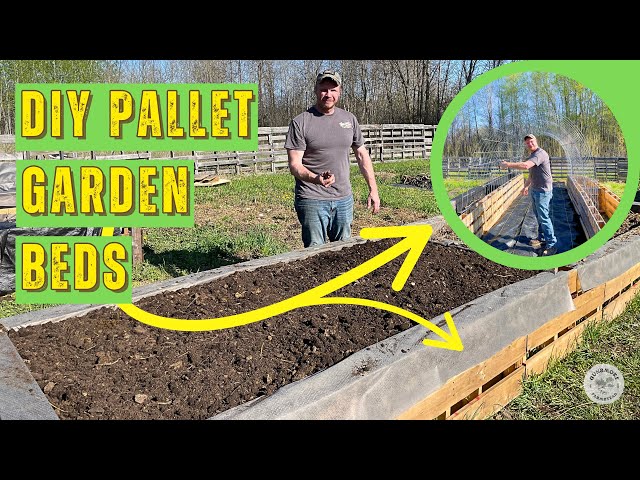
Are you ready to transform your garden with a simple, budget-friendly project? Making raised garden beds out of pallets is a smart way to grow your own veggies, flowers, or herbs without spending a fortune.
Imagine having a neat, sturdy garden bed that you built yourself—perfect for keeping your plants healthy and your garden organized. In this guide, you’ll discover easy steps to turn old pallets into beautiful raised beds, even if you’ve never built anything before.
Keep reading, and you’ll be planting your dream garden sooner than you think!
Benefits Of Raised Garden Beds
Raised garden beds are a great way to grow plants. They offer many benefits for beginners and experts.
Using pallets to build raised beds saves money and helps recycle wood. This guide explains the benefits of raised beds.
Better Soil Control
Raised beds let you choose the soil type you want. You can add rich, loose soil that drains well.
This helps plants grow strong roots and stay healthy. You avoid hard or poor soil in your garden.
Improved Drainage
Raised beds drain water faster than ground gardens. This stops water from pooling and hurting plants.
Good drainage prevents root rot and keeps soil from getting too wet.
Easier To Maintain
Raised beds are higher, so you do not have to bend much. This makes planting and weeding easier.
The defined space also helps keep weeds and grass out. You spend less time cleaning your garden.
Pest Control
Raised beds can reduce pest problems. The height and barriers stop some bugs and animals from reaching plants.
You can also add netting or covers more easily to protect your crops.
Longer Growing Season
Soil in raised beds warms faster in spring. This lets you plant earlier and harvest more crops.
The soil stays warmer in cold weather, helping plants grow longer into fall.
Recycling Pallets Saves Money
Using pallets to build raised beds is cheap and eco-friendly. You reuse wood that might be thrown away.
This reduces waste and gives you sturdy materials for your garden.
Choosing The Right Pallets
Raised garden beds made from pallets are a smart way to reuse wood. Not all pallets are safe or strong enough. Choosing the right pallet is key to a healthy garden.
This guide covers types of pallets and safety points. Knowing this helps you pick wood that lasts and is safe for growing food.
Types Of Pallets
Pallets come in different types and qualities. Some are made for heavy loads, others for light goods. The type affects how well the pallet will hold soil and plants.
- Wooden Pallets:Most common for garden beds. Look for hardwood over softwood for strength.
- Heat-Treated Pallets (HT):Safe for gardens because heat kills pests without chemicals.
- Chemical-Treated Pallets (MB):Avoid these. They are treated with methyl bromide, a toxic chemical.
- Plastic Pallets:Durable but costly. Not usually used for garden beds.
- Presswood Pallets:Made from wood chips and glue. Not very strong or weather-resistant.
Safety Considerations
Safety is very important when using pallets for garden beds. Some pallets carry chemicals or bacteria. Follow these tips to stay safe.
| Safety Tip | Details |
|---|---|
| Check Stamp Markings | Look for “HT” on pallets. It means heat-treated and safe. |
| Avoid Painted Pallets | Paint may contain harmful chemicals. |
| Inspect for Damage | Use pallets without cracks or rotting wood. |
| Clean Thoroughly | Wash pallets well to remove dirt and bugs. |
| Do Not Use Pallets with Labels | Labels may hide chemicals or toxins. |
Tools And Materials Needed
Making raised garden beds from pallets is a great way to reuse wood. You will need some tools and materials to build them safely and effectively.
This guide lists the essential tools and additional materials you will need for the project.
Essential Tools
These tools help you cut, join, and secure the pallets to build the raised beds.
- Hammer
- Saw (hand saw or power saw)
- Drill with screwdriver bits
- Measuring tape
- Square or carpenter’s angle tool
- Safety gloves
- Protective glasses
Additional Materials
You also need some materials to make the garden bed durable and safe for plants.
| Material | Purpose |
| Pallet wood | Main structure for the bed |
| Wood screws | Hold pieces together |
| Sandpaper | Smooth rough surfaces |
| Landscape fabric | Prevent weeds |
| Soil and compost | Fill the bed for planting |
| Wood sealant (optional) | Protect wood from weather |

Credit: redemptionpermaculture.com
Preparing The Pallets
Using pallets for raised garden beds saves money and reuses wood. Preparing pallets is important to make sure your garden bed is safe and strong.
Before building, you need to take apart, clean, and smooth the pallets. This helps protect your plants and makes the wood last longer.
Disassembling Pallets
Start by taking the pallets apart carefully. Use a hammer or crowbar to remove the nails. Work slowly to avoid breaking the wood.
Keep the wood boards flat and clean. Remove any broken or rotten pieces. Save the nails for other projects or discard them safely.
- Use a crowbar to pry boards apart
- Remove nails with a hammer or nail puller
- Check boards for damage
- Discard rotten or cracked wood
Sanding And Cleaning
After disassembling, clean the wood to remove dirt and dust. Use a stiff brush or cloth for cleaning. Avoid harsh chemicals that can harm plants.
Sanding smooths rough edges and splinters. Use medium-grit sandpaper to sand all wood surfaces. This helps prevent injuries and makes the wood look better.
- Brush off dirt and dust
- Use mild soap and water if needed
- Sand edges and surfaces with 80-120 grit sandpaper
- Wear a mask to avoid inhaling dust
Designing Your Garden Bed
Creating a raised garden bed from pallets starts with a smart design. Good planning helps your plants grow well and makes gardening easier.
Think about the size, shape, and place for your bed before building. This will save time and effort later.
Size And Shape Options
Choose a size that fits your space and needs. Pallets often come in standard sizes, which you can use to create beds easily.
- Small beds: 4 feet by 4 feet, good for herbs and small plants
- Medium beds: 4 feet by 8 feet, ideal for most vegetables
- Large beds: Over 8 feet long, for bigger gardens or multiple plant types
- Shapes: rectangles, squares, or even L-shapes to fit corners
Layout Planning
Plan how your garden beds will fit in your yard. Think about sunlight, water access, and walking paths.
| Consideration | Details |
| Sunlight | Place beds where plants get at least 6 hours daily |
| Water Access | Keep beds near a water source for easy watering |
| Walkways | Leave space around beds to move and tend plants |
| Drainage | Choose a spot that does not collect water |
Building The Frame
Building the frame is the first step to create a raised garden bed from pallets. It shapes the bed and holds the soil in place. Use strong pallets and basic tools for a sturdy frame.
Focus on making a solid base and securing the sides well. This will keep the garden bed durable and long-lasting.
Assembling The Base
Start by selecting pallets in good condition. Lay them flat to form the base of the garden bed. Make sure the base is level and fits the size you want.
- Measure the area where you will place the bed.
- Cut pallets to the desired length if needed.
- Arrange pallets side by side for a strong base.
- Attach pallets together using screws or nails.
- Check that the base is level before moving to the next step.
Securing The Sides
Once the base is ready, build the sides to hold soil and plants. Secure the pallet boards vertically or horizontally depending on your design.
| Tool | Purpose | Notes |
| Drill | Make holes for screws | Use with wood screws for firm hold |
| Screws | Join pallets and boards | Choose rust-resistant type |
| Hammer | Drive nails | Optional alternative to screws |
| Measuring Tape | Check lengths and alignment | Ensure even sides |
Filling And Planting
After building your raised garden bed from pallets, the next step is to fill it with the right soil. This helps your plants grow strong and healthy. Choosing the right plants for your garden bed is important for success.
Good soil and suitable plants work together to make your garden bed productive and beautiful. Let’s look at how to prepare the soil and select plants.
Soil Preparation
Fill your raised bed with a mix of topsoil, compost, and other organic materials. This mix will give your plants nutrients and good drainage. Avoid using soil taken directly from your yard. It may be too heavy or have pests.
- Start with a layer of small stones or wood chips for drainage
- Add a 50% mix of good quality topsoil
- Add 30% compost for nutrients
- Mix in 20% peat moss or coconut coir to keep soil moist
- Mix all layers well before planting
Choosing Plants
Select plants that grow well in raised beds and your local climate. Some plants need more space or sunlight than others. Plan your garden layout to fit each plant’s needs.
| Plant | Sunlight | Space Needed | Water Needs |
| Lettuce | Partial Sun | 6-8 inches | Moderate |
| Tomatoes | Full Sun | 18-24 inches | High |
| Carrots | Full Sun | 2-3 inches | Moderate |
| Herbs (Basil, Parsley) | Full Sun to Partial | 6-12 inches | Low to Moderate |

Credit: www.makergardener.com
Maintenance Tips
Keeping your raised garden beds healthy takes regular care. Good maintenance helps plants grow strong. Follow simple tips for watering, fertilizing, and pest control.
Proper care extends the life of pallet beds. It also protects your plants from damage and disease.
Watering And Fertilizing
Water plants deeply but less often. This encourages roots to grow down. Avoid overwatering, which can cause root rot. Use fertilizer to give plants needed nutrients.
- Water in the early morning for best absorption.
- Check soil moisture before watering again.
- Use a balanced fertilizer every 4-6 weeks during growing season.
- Apply compost or organic mulch to retain moisture.
- Avoid fertilizing dry soil to prevent root burn.
Pest Control
Watch for pests that damage plants. Use safe methods to keep bugs away. Regular checks help catch problems early.
| Pest | Signs | Control Method |
| Aphids | Sticky leaves, curled edges | Spray water or insecticidal soap |
| Slugs | Holes in leaves, slime trails | Handpick at night, use beer traps |
| Cutworms | Cut stems near soil | Use collars around plants |
| Spider Mites | Yellow specks, webbing | Rinse plants and use neem oil |
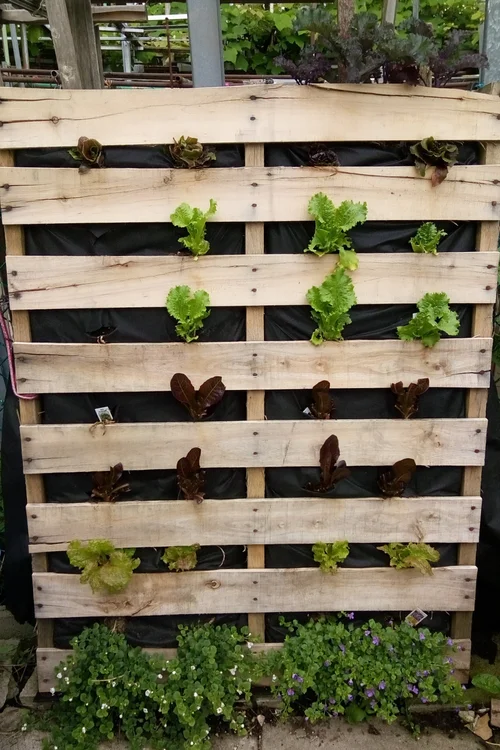
Credit: www.littlewoollylamb.com
Frequently Asked Questions
What Materials Do I Need For Pallet Garden Beds?
You need wooden pallets, a saw, nails or screws, a drill, and landscaping fabric. Also, prepare soil and compost for filling the bed.
How Do I Prepare Pallets For Garden Use?
Remove nails, sand rough edges, and check for chemical treatments. Only use pallets labeled safe for gardening to avoid toxins.
Can Pallet Beds Improve Soil Drainage?
Yes, pallets allow excellent drainage when lined with breathable fabric. This prevents waterlogging and promotes healthy root growth in raised beds.
How Long Do Pallet Raised Beds Last Outdoors?
Properly treated pallets last 3 to 5 years outdoors. Using weatherproof sealant can extend their lifespan and protect against rot and pests.
Conclusion
Building raised garden beds from pallets saves money and helps the environment. You only need a few tools and some patience. The process is simple and works for any garden size. Pallets give strong wood that lasts long outside. You can grow vegetables, flowers, or herbs easily.
Plus, raised beds improve soil and drainage. Start small and enjoy watching your plants grow. Gardening becomes fun and rewarding with this easy project. Try it and see how your garden changes for the better. Simple steps lead to great results.