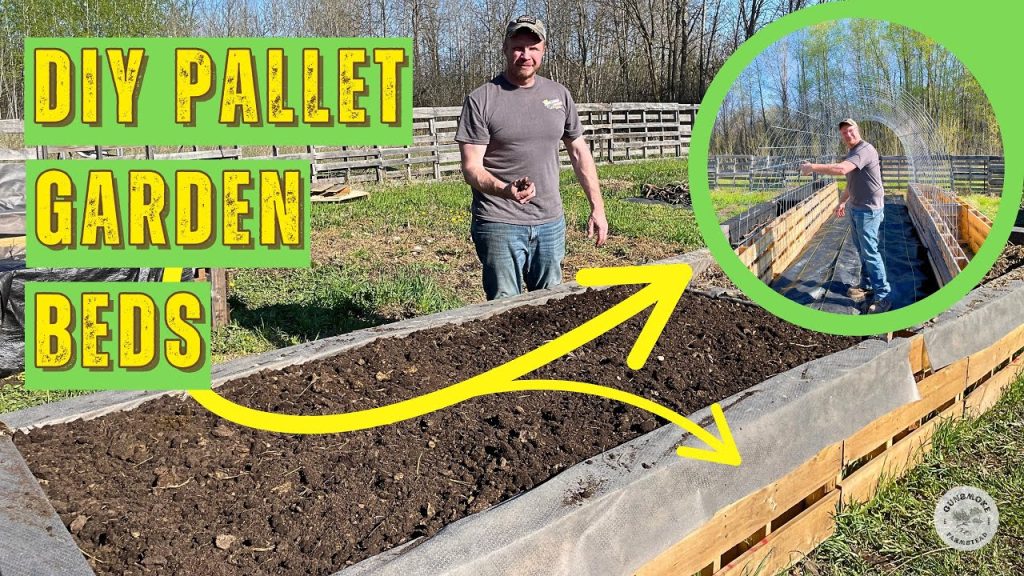
Are you ready to transform your garden with a simple, budget-friendly project? Making raised garden beds with pallets is an easy way to grow your own fresh veggies and flowers without spending a fortune.
Imagine having a neat, organized garden space that improves your soil and keeps weeds at bay—all built from materials you can find for free or very cheaply. In this guide, you’ll discover step-by-step how to turn ordinary pallets into sturdy, attractive garden beds.
By the end, you’ll have everything you need to start planting and enjoying your garden like never before. Let’s dive in and make your gardening dreams a reality!

Credit: localgardener.net
Choosing The Right Pallets
Raised garden beds made from pallets are a great way to start gardening. Choosing the right pallets is important for safety and durability.
Not all pallets are good for garden beds. Some pallets may have chemicals or damage. Learn how to pick the best ones for your project.
Types Of Pallets To Use
There are many types of pallets. Wood pallets are most common for garden beds. They are strong and easy to work with.
Look for hardwood pallets. They last longer and resist rot better than softwood. Avoid pallets made from particleboard or plywood.
- Hardwood pallets: strong and durable
- Softwood pallets: lighter but less durable
- Plastic pallets: safe but harder to cut
- Metal pallets: very durable but expensive
Checking For Safety And Quality
Check pallets carefully before using them. Avoid pallets treated with harmful chemicals. Look for stamps or marks showing how they were treated.
Choose pallets without cracks, splinters, or mold. Clean pallets well before building your garden bed. This helps protect your plants and soil.
- Look for “HT” stamp (heat treated) on pallets
- Avoid “MB” stamp (methyl bromide) pallets
- Pick pallets free of chemicals and strong smells
- Check for solid boards without cracks or rot
Gathering Tools And Materials
Building raised garden beds with pallets is a simple project. You need the right tools and materials to work safely and efficiently. Preparing these items before starting saves time and helps the process go smoothly.
This guide lists the essential tools for assembly and the additional supplies you will need. Gathering everything beforehand sets you up for success in your garden project.
Essential Tools For Assembly
These tools help you cut, fix, and build your raised garden beds from pallets. Having them ready ensures your work is safe and accurate.
- Hammer or Nail Gun – to join pallet pieces securely
- Hand Saw or Circular Saw – to cut pallets to size
- Measuring Tape – to measure wood and space accurately
- Drill with Screwdriver Bits – to drill holes and drive screws
- Safety Gloves – to protect your hands from splinters and nails
- Safety Glasses – to shield your eyes during cutting and drilling
- Square or Carpenter’s Square – to keep corners straight
Additional Supplies Needed
Besides tools, you need materials to build and finish your raised beds. This table lists the main supplies with their purpose.
| Supply | Purpose |
|---|---|
| Wood Pallets | Main building material for the bed frame |
| Sandpaper | To smooth rough wood surfaces |
| Wood Screws or Nails | To fasten pallet parts securely |
| Plastic Liner or Weed Barrier | To protect soil and wood, and prevent weeds |
| Soil and Compost | Fill the bed for planting |
| Exterior Wood Sealant (optional) | To protect wood from weather damage |
Preparing Pallets For Use
Using pallets for raised garden beds is a smart way to recycle wood. You must prepare them properly before building. This keeps your garden safe and long-lasting.
Preparing pallets involves cleaning, sanding, and sometimes taking them apart. Each step helps make the wood ready for planting.
Cleaning And Sanding
Start by cleaning the pallets to remove dirt and harmful chemicals. Use a brush to clear off loose debris. Then wash the wood with soap and water.
- Wear gloves to protect your hands.
- Use a stiff brush to scrub the wood surface.
- Mix mild soap with warm water for washing.
- Rinse pallets well and let them dry completely.
- Check for any signs of mold or chemical stains.
After cleaning, sand the pallets to smooth rough edges. Use medium-grit sandpaper to avoid splinters. Sanding also helps paint or sealant stick better.
Disassembling Pallets If Needed
Some pallets need to be taken apart to fit your garden bed design. Removing nails and separating boards makes the wood easier to work with.
| Tool | Use |
|---|---|
| Hammer | Pull out nails carefully |
| Pry Bar | Separate wooden boards |
| Gloves | Protect your hands |
| Safety Glasses | Protect your eyes |
Work slowly to avoid breaking the wood. Keep all nails and screws away from your work area for safety.
Designing Your Raised Garden Bed
Raised garden beds with pallets are simple to build. They are also budget-friendly and eco-friendly. Designing the right bed is key to a successful garden.
There are several factors to consider in the design. These include the size, shape, drainage, and soil quality. Each plays a role in plant health and growth.
Choosing The Size And Shape
The size of your raised bed depends on your space and needs. Smaller beds are easier to manage, while larger ones offer more room for plants.
Shapes can be simple rectangles or creative designs. Consider how you’ll reach each plant. This will help you avoid overreaching and damaging plants.
- Rectangular beds are easy to build and fit well in corners
- Square beds offer equal access from all sides
- Creative shapes add visual interest to your garden
Planning For Drainage And Soil
Good drainage is vital for healthy plants. Pallets allow water to escape, preventing waterlogged soil. Ensure there are gaps for water to flow out.
Fill your bed with quality soil. A mix of compost, peat, and topsoil works well. This gives plants the nutrients they need to thrive.
| Component | Benefit |
|---|---|
| Compost | Enriches soil with nutrients |
| Peat | Improves soil structure |
| Topsoil | Provides a base for planting |
Assembling The Garden Bed
Building raised garden beds with pallets is a smart way to reuse wood. Assembling the bed correctly helps it last longer.
This section covers how to build the frame and secure the pallets together for a strong garden bed.
Building The Frame
Start by selecting pallets in good condition without broken boards. Lay them flat on the ground in a rectangle or square shape.
Arrange four pallets to form the sides of your garden bed. Make sure the corners meet evenly for a square frame.
- Use pallets of similar size
- Place the pallets with the slats facing inward
- Check that the frame is level and corners are right angles
Securing The Pallets Together
Once the frame is set, use screws or nails to join the pallets. This keeps the bed stable and prevents gaps.
Drive screws through the overlapping pallet edges at each corner. Add extra fasteners along the sides for more strength.
- Use weather-resistant screws or nails
- Fasten at least three points per corner
- Check that the frame does not wobble after securing

Credit: www.makergardener.com
Setting Up The Bed In Your Garden
Raised garden beds made with pallets are easy to build. Setting up the bed correctly helps your plants grow well.
Choose a good spot and prepare the ground before placing the pallet bed. This makes gardening easier and more successful.
Selecting The Location
Pick a flat area that gets plenty of sunlight. Most vegetables need at least six hours of sun daily.
Make sure the spot has good drainage. Avoid low areas where water collects after rain.
- Choose a flat surface to keep the bed stable
- Find a sunny spot with at least six hours of light
- Ensure the area drains well and does not flood
- Keep the bed near a water source for easy watering
Preparing The Ground
Clear the area of grass, weeds, and debris. This prevents unwanted plants from growing in your bed.
Level the ground to help the bed sit evenly. You can use a rake or shovel to smooth the soil.
- Remove all grass and weeds from the bed area
- Clear stones and debris for a smooth surface
- Level the soil so the bed sits flat
- Optionally, lay cardboard or newspaper to block weeds
Filling And Planting
Once your pallet raised bed is ready, you need to fill it with the right materials. This helps plants grow strong and healthy.
Picking the best plants for your raised bed ensures a good harvest and a lovely garden space.
Adding Soil And Compost
Start by placing a layer of coarse material like straw or small branches at the bottom. This helps with drainage.
Next, add a mix of good garden soil and compost. The compost provides nutrients that plants need to grow.
- Use two parts garden soil
- Mix in one part compost
- Fill the bed to about 2 inches below the top edge
- Lightly water the soil to settle it
Choosing Plants For Raised Beds
Select plants that do well in raised beds and your local climate. Consider what you like to eat or see in your garden.
| Plant Type | Sunlight Needs | Water Needs |
| Lettuce | Partial Sun | Medium |
| Tomatoes | Full Sun | High |
| Carrots | Full Sun | Low |
| Spinach | Partial Sun | Medium |
Maintaining Your Raised Bed
After building your raised garden bed with pallets, regular care helps plants grow well. Keeping the bed healthy means checking water, soil, and pests often.
Good maintenance keeps your garden full of fresh vegetables and flowers all season long.
Watering And Fertilizing Tips
Water your raised bed deeply but not too often. This helps roots grow strong and healthy. Check soil moisture before watering.
Use natural fertilizers to feed your plants. Compost, manure, or balanced organic fertilizers work best for pallet beds.
- Water early in the morning or late in the evening
- Keep soil moist but not soggy
- Add compost every few weeks to improve soil quality
- Use mulch to keep moisture in and reduce watering needs
Dealing With Pests And Weeds
Check your raised bed regularly for signs of pests like insects or small animals. Remove pests by hand or use safe natural sprays.
Weeds compete with your plants for water and nutrients. Pull weeds early before they spread and take over the bed.
- Inspect plants every few days for pests
- Use neem oil or insecticidal soap if needed
- Remove weeds by hand or use mulch to block them
- Keep the area around the bed clean and free of debris
Creative Enhancements
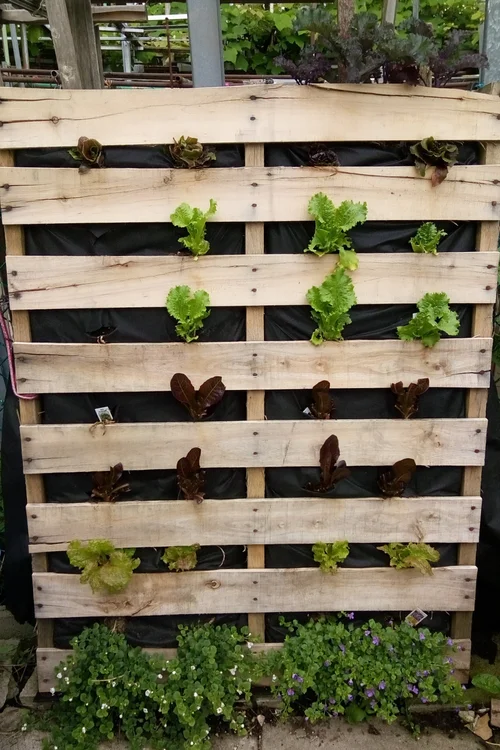
Raised garden beds made from pallets can be more than just functional. You can add creative touches to make them stand out. These enhancements also help protect your plants and improve growth.
Two popular ways to improve your pallet garden beds are painting and decorating, and adding trellises or covers. These ideas bring beauty and utility to your garden space.
Painting And Decorating
Painting your pallet beds adds color and protects the wood from weather damage. Use non-toxic, water-based paints safe for plants. Decorating can include stencils, patterns, or even chalkboard paint for labels.
- Choose bright colors to brighten your garden
- Use outdoor paint for durability
- Seal the paint with a clear waterproof coat
- Add plant names or care tips with stencils
- Try patterns like stripes or polka dots for fun designs
Adding Trellises Or Covers
Trellises help climbing plants grow upward, saving space. Covers protect plants from harsh sun, pests, or frost. You can build these using wood, metal, or strong plastic materials.
| Type | Material | Purpose | Tips |
| Trellis | Wood or metal | Support climbing plants | Secure firmly to pallet frame |
| Shade Cover | Cloth or mesh | Protect from sun | Choose breathable fabric |
| Frost Cover | Plastic or fabric | Protect from cold | Remove during warm days |
Credit: www.littlewoollylamb.com
Frequently Asked Questions
What Are The Best Pallets For Raised Garden Beds?
Choose heat-treated, chemical-free pallets for safety. Avoid pallets stamped with “MB” as they contain harmful chemicals. Look for sturdy wood like oak or pine to ensure durability and support for your garden bed.
How Do You Prepare Pallets For Garden Beds?
Remove nails and sand rough edges to prevent injury. Clean pallets thoroughly to eliminate dirt and pests. Optionally, apply a non-toxic sealant to protect wood from moisture and extend the bed’s life.
Can Raised Garden Beds Made From Pallets Last Long?
Yes, with proper preparation and maintenance, pallet beds can last 3-5 years. Regularly check for wood rot and reinforce corners if needed. Using treated or sealed wood significantly increases their lifespan outdoors.
What Soil Is Best For Pallet Raised Garden Beds?
Use a mix of quality topsoil, compost, and organic matter. This blend ensures good drainage, nutrient richness, and moisture retention for healthy plant growth. Avoid heavy clay soils as they can cause drainage issues.
Conclusion
Building raised garden beds with pallets saves money and helps the environment. You only need a few tools and some patience. The steps are simple and easy to follow. Pallets give your garden a rustic, natural look. Raised beds improve soil drainage and plant growth.
Start small and expand as you gain confidence. Gardening this way brings fresh vegetables closer to your home. Enjoy the satisfaction of growing your own food. Try this project and see how rewarding it can be.