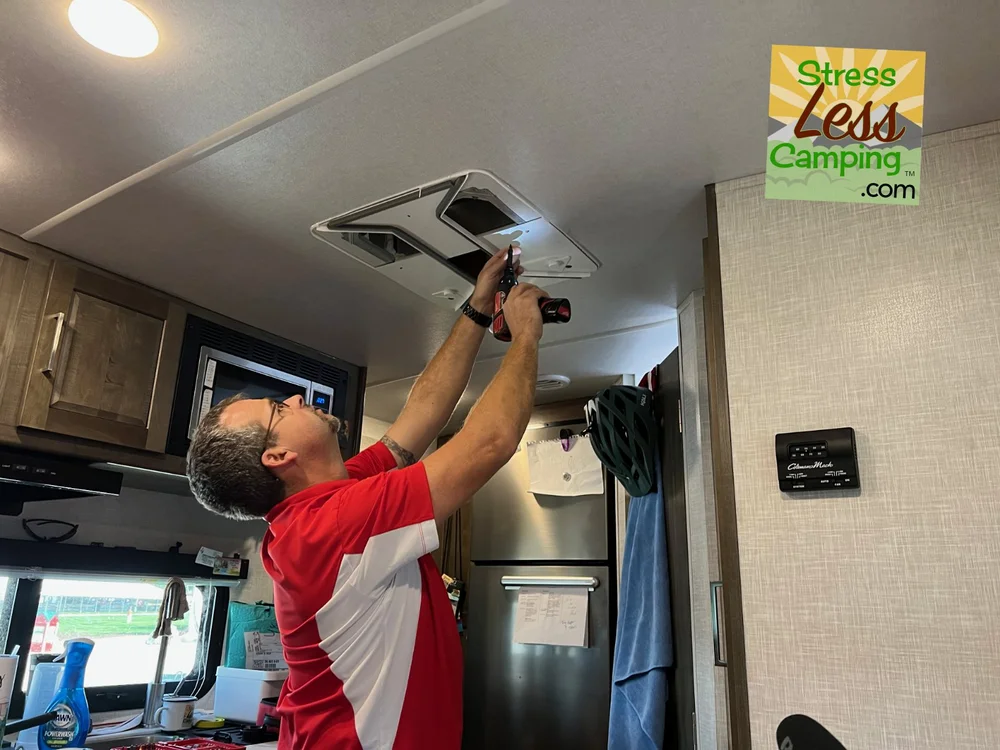
Is the noise from your RV air conditioner keeping you up at night or ruining your peaceful road trip? You’re not alone.
A loud AC can turn your relaxing getaway into a constant distraction. But what if you could enjoy cool air without the annoying roar? You’ll discover simple, effective ways to make your RV air conditioner quieter. These tips will help you create a calm, comfortable space so you can focus on what really matters—enjoying your adventure.
Keep reading, and let’s quiet that noise for good.
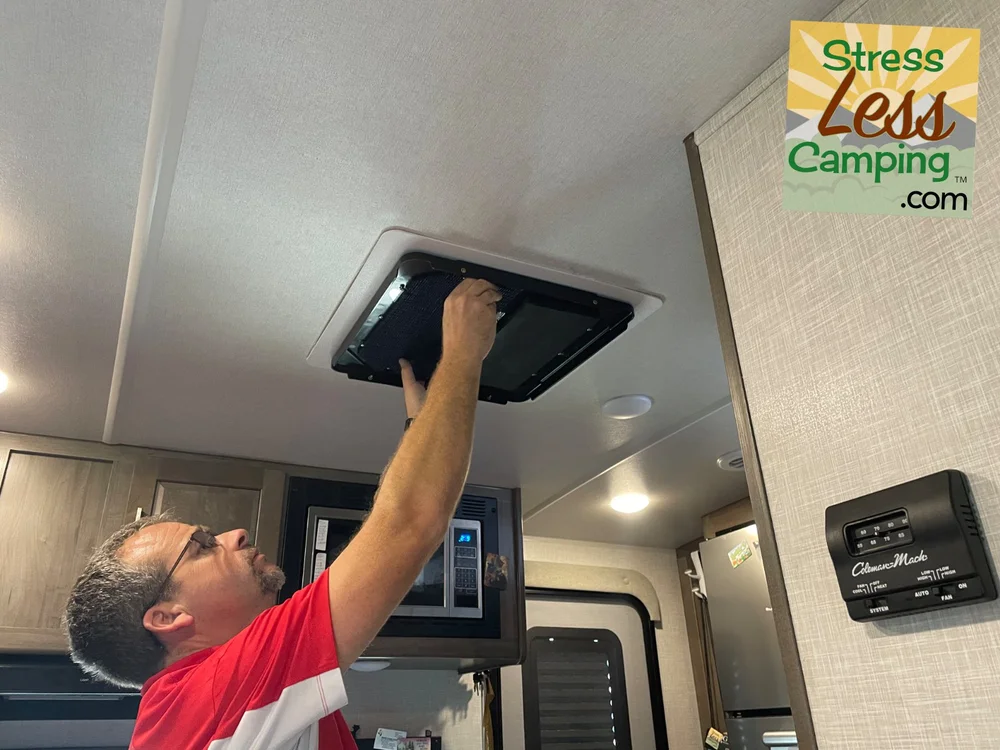
Credit: www.stresslesscamping.com
Common Causes Of Loud Rv Ac Noise
RV air conditioners can make loud noises for many reasons. Loud sounds may bother you during your trips.
Knowing what causes the noise helps you fix it quickly. This guide covers the most common problems.
Fan And Motor Issues
The fan and motor are key parts of your RV AC. If they wear out, they can create loud sounds.
Sometimes the fan blades get bent or dirty. The motor bearings may also wear down and cause noise.
- Fan blades hitting the casing
- Worn motor bearings
- Loose fan belt slipping
Loose Components
Parts inside the AC can come loose over time. Loose screws or bolts cause rattling or banging sounds.
Check all screws, brackets, and panels. Tightening them often reduces noise from vibrations.
- Screws on the AC cover
- Mounting brackets
- Internal fan housing
Dirty Filters And Coils
Dust and dirt build up on filters and coils. This blocks airflow and makes the AC work harder.
The harder work causes more noise from the compressor and fan. Cleaning filters and coils helps quiet it down.
- Clogged air filters
- Dirty evaporator coils
- Dust on condenser coils
Vibrations And Mounting Problems
Vibrations from the AC unit can cause noise if the mount is loose or broken. The unit may shake more than usual.
Check the mounting pads and screws. Adding rubber pads or tightening bolts can reduce vibration noise.
- Loose mounting screws
- Worn or missing rubber pads
- Cracked mounting brackets
Routine Maintenance For Noise Reduction
Keeping your RV air conditioner quiet needs regular care. Small tasks can cut down the noise a lot.
Routine maintenance helps your AC work better and last longer. It also makes your trips more comfortable.
Cleaning Or Replacing Filters
Dirty filters block airflow and make your air conditioner work harder. This causes more noise and wear.
- Check filters every month during use.
- Clean reusable filters with water and mild soap.
- Let filters dry fully before reinstalling.
- Replace disposable filters as recommended by the manufacturer.
- Use the right size and type of filter for your AC unit.
Lubricating Moving Parts
Parts like fan motors and bearings need oil to move smoothly. Lack of lubrication creates extra noise.
Use proper lubricants made for air conditioners. Avoid over-oiling to prevent dirt buildup.
| Component | Type of Lubricant | Frequency |
|---|---|---|
| Fan Motor Bearings | Light machine oil | Every 3 months |
| Fan Shaft | Silicone spray | Every 6 months |
| Other Moving Parts | Manufacturer recommended lubricant | Check manual |
Tightening Screws And Bolts
Loose screws or bolts cause vibrations and rattling noises. Tightening them reduces sounds and secures parts.
- Turn off power before inspection.
- Use a screwdriver or wrench to check all screws and bolts.
- Firmly tighten any loose hardware.
- Be careful not to overtighten and damage threads.
- Inspect these parts monthly during use.
Soundproofing Techniques
RV air conditioners can be loud and disturb your peace. You can reduce noise by using soundproofing methods. These methods help keep your RV quieter and more comfortable.
This guide covers three simple ways to make your RV air conditioner quieter. Learn how to add insulation, use sound dampening mats, and install vibration pads.
Adding Insulation Around The Unit
Adding insulation around the air conditioner blocks sound from escaping. Use materials that absorb sound and fit tightly around the unit. This reduces noise inside your RV.
- Use foam board or fiberglass insulation
- Seal gaps with weather stripping or caulk
- Cover exposed metal parts with soundproofing foam
- Check that air flow is not blocked by insulation
Using Sound Dampening Mats
Sound dampening mats absorb vibrations and reduce noise. Place these mats on the surface near the air conditioner. They lower the sound that bounces inside your RV walls.
| Type of Mat | Material | Best Use |
| Mass Loaded Vinyl (MLV) | Dense vinyl | Blocks sound transmission |
| Closed-cell foam | Foam rubber | Reduces vibration noise |
| Butyl rubber mat | Butyl rubber | Absorbs high frequency sounds |
Installing Vibration Pads
Vibration pads stop the air conditioner from shaking against surfaces. This reduces the noise caused by movement. Pads are easy to place under the unit or its mounting points.
Follow these tips for using vibration pads:
- Choose thick rubber or neoprene pads
- Place pads between the unit and mounting brackets
- Ensure pads fit tightly to avoid slipping
- Replace worn pads regularly for best results
Upgrading Or Modifying Components
Making your RV air conditioner quieter often means changing some parts. Upgrading or modifying key components can reduce noise. This guide covers three useful ways to do that.
By focusing on fans, covers, and the unit itself, you can enjoy a much quieter ride. Each method offers different benefits and costs.
Replacing The Fan With A Quieter Model
Fans are a major source of noise in RV air conditioners. Switching to a quieter fan can lower sound levels significantly. Many fans are designed to spin smoothly with less vibration.
- Look for fans labeled as “low noise” or “quiet operation.”
- Choose fans with more blades for smoother airflow.
- Check fan speed settings and choose adjustable models.
- Ensure the new fan fits your existing AC unit.
Installing A Noise-reducing Cover
A noise-reducing cover can block and absorb sound from the AC unit. These covers fit over the air conditioner and reduce the noise reaching your ears.
| Cover Type | Material | Noise Reduction |
| Foam-Lined Cover | Soundproof Foam | High |
| Vinyl Cover | Thick Vinyl | Medium |
| Mesh Cover | Acoustic Mesh | Low |
Choose a cover that fits well and allows air to flow freely. Proper airflow keeps the AC running efficiently while cutting noise.
Upgrading To A Modern, Quiet Ac Unit
Newer AC units use better technology to run quietly. Upgrading to a modern model can reduce noise and improve cooling.
- Look for units with variable speed compressors.
- Check for improved fan blade designs.
- Choose models with sound insulation built-in.
- Consider energy-efficient units to save power.
Though cost is higher, a new AC unit often gives the best noise reduction and performance.
Operational Tips To Minimize Noise
Keeping your RV air conditioner quiet improves comfort during travel and rest. Noise can come from the fan, compressor, or airflow issues.
Simple operational changes can reduce noise without costly repairs or replacements. Here are some practical tips to try.
Running Ac At Lower Speeds
Running the air conditioner fan at lower speeds helps reduce noise. High speeds make the fan louder and can cause vibrations.
- Set the fan speed to low or medium for quieter operation.
- Use the thermostat to control temperature instead of running the fan constantly.
- Avoid rapid changes in fan speed to prevent sudden noise spikes.
Avoiding Peak Heat Times
Using your AC during the hottest parts of the day forces it to work harder and louder. Plan to cool your RV during cooler hours.
- Turn on the AC early in the morning or late evening.
- Park your RV in shaded areas to reduce heat buildup.
- Close windows and curtains to keep heat out.
Positioning Ac For Better Airflow
Proper placement of your AC unit and vents helps airflow and reduces noise from strain on the system.
| Tip | Reason |
|---|---|
| Keep vents clear of furniture or curtains | Allows air to flow freely, reducing fan noise |
| Place AC unit on a stable, flat surface | Prevents vibration noise from uneven contact |
| Ensure outside unit is free from debris | Keeps fan and compressor running smoothly |
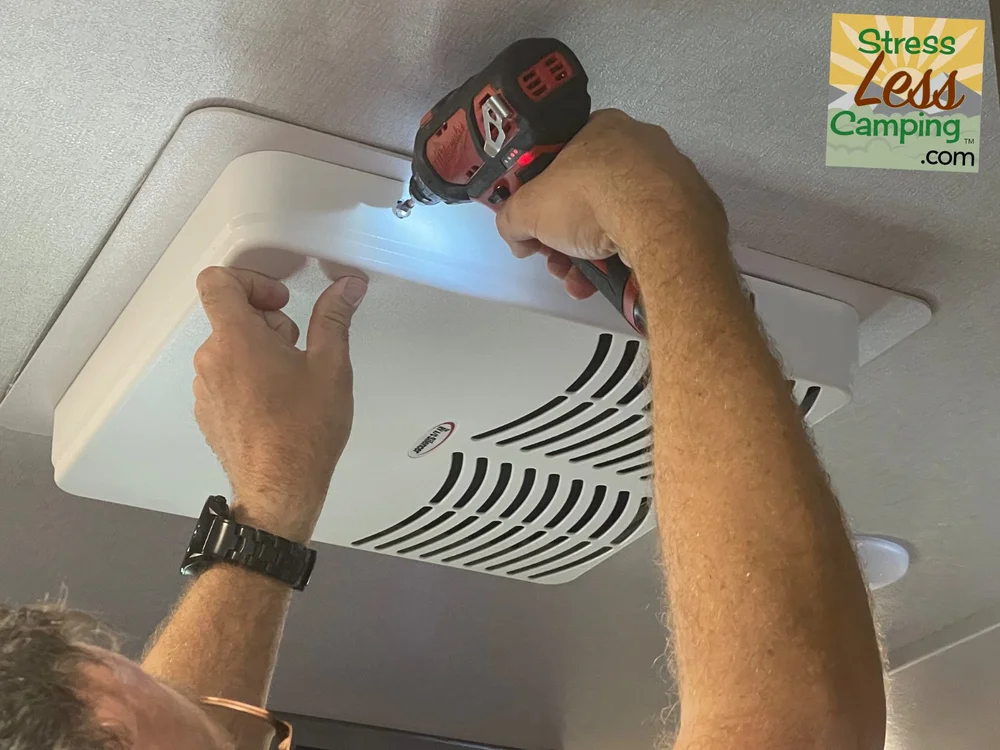
Credit: www.stresslesscamping.com

Credit: campernation.co.uk
Frequently Asked Questions
How Can I Reduce Noise From My Rv Ac?
Reducing RV AC noise involves regular maintenance and strategic placement. Clean the filters and check for loose parts. Install a soundproofing cover or upgrade to a quieter model. Ensure the AC is securely mounted to reduce vibrations. These steps help minimize noise effectively.
Are There Quieter Rv Air Conditioners Available?
Yes, many manufacturers offer quieter RV air conditioners. Look for models with a lower decibel rating. Newer units often incorporate noise-reduction technology. Consider brands known for quiet operation. Reading reviews can also help identify quieter options.
What Maintenance Keeps Rv Ac Quieter?
Regular maintenance is crucial for quieter operation. Clean or replace filters monthly. Tighten loose screws and lubricate moving parts. Check for blockages in the airflow system. Regular maintenance ensures efficient and quieter performance.
Does Insulation Help Reduce Rv Ac Noise?
Yes, insulation can significantly reduce RV AC noise. Adding insulation around the AC unit absorbs sound and vibrations. It enhances energy efficiency by maintaining temperature. Proper insulation is a cost-effective way to lower noise levels.
Conclusion
Quieter RV air conditioners make travel more peaceful. Small changes can reduce noise a lot. Clean and maintain your unit regularly. Use soundproofing materials around the AC. Check and replace old or worn parts. Choose quieter fans or compressors if possible.
These steps help you enjoy cool air without loud sounds. A calm RV means better rest and fun trips. Start with easy fixes and see the difference. Quiet comfort on the road is worth the effort.