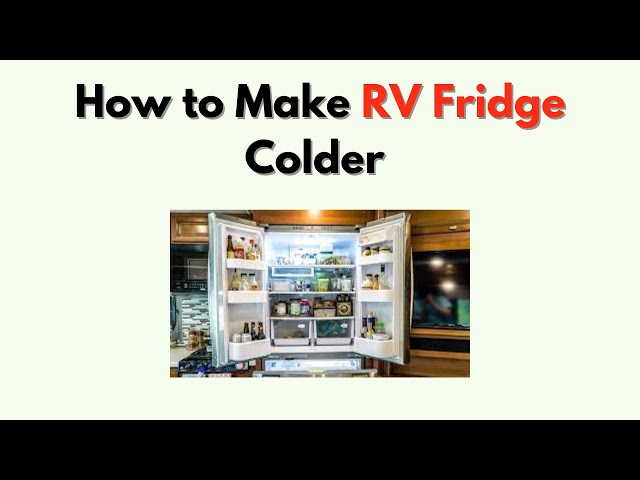
Are you tired of opening your RV refrigerator only to find lukewarm drinks and spoiled food? It’s frustrating, especially when you’re out on the road and far from any convenience stores.
You want your RV fridge to work just as efficiently as the one at home, keeping your perishables fresh and your drinks ice-cold. The good news is, with a few simple tweaks and a bit of understanding, you can make your RV refrigerator colder and more efficient.
In this guide, we’ll explore practical tips and tricks that will transform your cooling woes into a thing of the past. Stick around to discover how you can enjoy chilled refreshments on all your road adventures.

Credit: www.stresslesscamping.com
Common Causes Of Poor Cooling
Poor cooling in your RV refrigerator can be frustrating, especially when you’re relying on it during a trip. Understanding the common causes behind this issue helps you fix it faster and keep your food fresh. Let’s look at some typical reasons why your RV fridge might not be as cold as it should be.
Blocked Ventilation
Your RV refrigerator needs proper airflow to work efficiently. Blocked ventilation restricts this airflow, causing the fridge to overheat and cool poorly.
Check the vents inside and outside your RV. Make sure nothing is blocking them, like dirt, dust, or objects placed too close. You might be surprised how often a simple cleaning or rearranging solves cooling problems.
Dirty Coils
Coils collect heat from inside the fridge, so when they get dirty, they can’t release heat effectively. This buildup forces the fridge to work harder and reduces its cooling power.
Cleaning the coils regularly can improve performance. Use a soft brush or vacuum to remove dust and debris. Have you checked your coils lately? It might be the quick fix you need.
Faulty Thermostat
Your RV fridge’s thermostat controls the temperature. If it’s broken or inaccurate, the fridge might not cool properly or could run too much, wasting energy.
Test the thermostat by adjusting it and watching the temperature response. If it doesn’t react or keeps the fridge too warm, consider replacing it. A working thermostat is crucial to maintaining the right chill.
Overloaded Refrigerator
Filling your RV fridge too much blocks air circulation inside. This uneven airflow causes hot spots and poor cooling overall.
Try to keep some space around items for air to move freely. When you pack your fridge, think about how airflow affects temperature. Could reducing the load improve your fridge’s coldness?
Credit: www.harvesthosts.com
Optimal Temperature Settings
Setting the right temperature in your RV refrigerator is key to keeping food fresh. Optimal settings prevent spoilage and save energy. The fridge should be cold enough to preserve food but not so cold it freezes items. Fine-tuning the thermostat helps achieve this balance. Knowing the best temperature range and how to adjust controls properly improves fridge performance.
Recommended Temperature Range
The ideal temperature for an RV refrigerator is between 35°F and 38°F (1.6°C to 3.3°C). This range keeps food safe and fresh without freezing it. Temperatures above 40°F can cause food to spoil faster. Below 32°F risks freezing your groceries and damaging some items.
Keep the freezer section colder, around 0°F (-18°C), to ensure frozen goods stay solid. Avoid setting temperatures too low in the fridge compartment to prevent ice buildup. Use a small fridge thermometer for accurate readings.
Adjusting The Thermostat Properly
Start by setting the thermostat to the mid-point or recommended setting. Allow 24 hours for the temperature to stabilize after any change. Avoid frequent adjustments; the fridge needs time to reach the new temperature.
Check the thermostat dial or digital control panel carefully. Turn the dial one notch at a time if the fridge is too warm or too cold. Use a thermometer inside the fridge to verify the actual temperature.
Make small, gradual changes to avoid freezing or spoilage. Keep the door closed as much as possible to maintain temperature. Proper thermostat adjustment ensures your RV fridge stays colder and food lasts longer.
Enhancing Airflow
Enhancing airflow around your RV refrigerator plays a crucial role in keeping it colder. Proper air circulation helps the cooling system work more efficiently by removing heat from the coils and vents. Without good airflow, your fridge can struggle to maintain low temperatures, especially in hot weather or during long trips.
Clearing Obstructions
Check both inside and outside your RV fridge for anything blocking the vents or fans. Dust, dirt, and even small items stored nearby can restrict airflow and reduce cooling efficiency. You might be surprised how often a simple cleaning session can make a noticeable difference.
Make it a habit to vacuum the vent openings and wipe down fan blades regularly. If you notice any debris or items stored too close to the fridge, move them away to allow air to flow freely. Have you looked behind your fridge recently? Even a small pile of clutter can trap heat and cause your fridge to run harder than it needs to.
Proper Vent Placement
Vent placement on your RV is vital for airflow. Ideally, vents should be positioned to allow fresh air to enter and warm air to escape efficiently. If vents are too close to heat sources like the engine or stove, your fridge will have a tougher time staying cool.
Consider installing vent covers or fans that promote better air movement. Some RV owners have improved cooling by adding an exhaust fan near the fridge vent to pull hot air out faster. Think about the airflow path around your fridge—are the vents located where air can easily circulate, or are they tucked away in tight spots?
Cleaning And Maintenance Tips
Keeping your RV refrigerator cold starts with regular cleaning and maintenance. Dirt and ice buildup can block airflow and reduce cooling efficiency. Simple upkeep tasks can make a big difference in performance and energy use.
Coil Cleaning
The coils at the back or underneath your RV fridge collect dust and grime over time. This layer acts like insulation, trapping heat and forcing your fridge to work harder.
Use a soft brush or vacuum cleaner attachment to gently remove dust from the coils every few months. Make sure the fridge is unplugged before you clean to avoid any electrical hazards.
Have you noticed your fridge running louder than usual? Dirty coils could be the culprit. Clean coils help maintain proper temperature and extend your fridge’s lifespan.
Defrosting Procedures
Ice buildup inside the freezer or fridge compartment lowers cooling efficiency by blocking vents and restricting airflow. Regular defrosting keeps your refrigerator running smoothly.
Turn off the fridge and leave the door open to let the ice melt naturally. Avoid using sharp tools to chip away ice, as this can damage the interior.
Try placing towels around the base to catch water and speed up cleanup. How often you defrost depends on your usage, but keep an eye out for ice thicker than a quarter of an inch.
Checking Door Seals
Door seals keep cold air inside and warm air out. Worn or cracked seals let cool air escape, making your fridge work overtime.
Inspect the seals regularly for cracks or gaps. Press the seal against a piece of paper and try to pull it out; if it slips easily, the seal may need replacing.
Clean the seals with mild soap and water to remove dirt and debris. Have you checked your door seals lately? Tight seals can save energy and keep your food fresher longer.
Upgrading Cooling Components
Upgrading cooling components can make your RV refrigerator colder and more efficient. These upgrades improve airflow and help the fridge remove heat faster. Small changes can lead to better cooling without spending much money.
Focus on improving the venting system and adding tools that boost cooling power. These upgrades keep the refrigerator working well, even on hot days or long trips.
Installing A Fan
A fan can move hot air away from the fridge’s cooling fins. This helps the fridge cool down faster. Install a small, quiet fan near the fridge’s vent or condenser area. The fan pushes warm air outside and pulls cooler air in.
Use a fan designed for RV refrigerators or a low-power computer fan. Connect it to the RV’s power supply or a solar panel. Make sure the fan runs only when the fridge is on.
Using Cooling Boosters
Cooling boosters increase the fridge’s ability to remove heat. These devices help circulate air inside the fridge or improve outside airflow.
- Heat sinks: Attach to the cooling fins to spread heat better.
- Vent covers: Keep rain and dust out while allowing air to flow.
- Reflective insulation: Place behind the fridge to block heat from the sun.
These boosters work well together. They reduce fridge temperature and save energy. Simple upgrades like these keep food fresher longer during RV trips.
Power Management Strategies
Managing power effectively is key to keeping your RV refrigerator cold. Without steady power, the fridge struggles to maintain low temperatures. Power management strategies ensure your fridge works efficiently and uses energy wisely.
Understanding how to supply and control power helps prevent temperature swings. It also avoids overloading your RV’s electrical system. Good power management means your fridge stays colder longer, preserving food and drinks better.
Ensuring Stable Power Supply
Stable power keeps the refrigerator compressor running smoothly. Fluctuating voltage can cause poor cooling or damage the appliance. Use a good quality inverter or converter with voltage regulation.
Check your RV’s battery health regularly. Weak batteries reduce power stability. Keep connections clean and tight to avoid power interruptions.
- Monitor battery voltage with a digital meter.
- Charge batteries fully before long trips.
- Use surge protectors to guard against power spikes.
Using Generator Or Shore Power Efficiently
Generators and shore power provide reliable energy for RV refrigerators. Use them wisely to maintain cold temperatures and save fuel or electricity.
Run the generator only when necessary. Avoid running it continuously to save fuel and reduce noise. Turn on shore power when parked at campgrounds with electrical hookups.
- Start the generator before turning on the fridge.
- Use energy-saving settings on your refrigerator if available.
- Switch off other high-power appliances to avoid overload.
Preventing Overloading And Heat Sources
Keeping your RV refrigerator cold depends a lot on avoiding too much stuff inside and keeping it away from heat sources. Overloading can block airflow inside the fridge. This makes it harder for cold air to reach all items. Heat sources nearby also force the fridge to work harder. This wastes energy and lowers cooling efficiency.
Simple habits can help your RV fridge stay colder and save power. Focus on how you pack and where you place the fridge.
Avoiding Overpacking
Do not stuff the fridge too full. Overpacking blocks vents and air paths. Cold air must flow freely to keep everything cool. Leave space between items for air to circulate. Use smaller containers to organize food better. Check the fridge often and remove any unneeded items. A lightly packed fridge cools faster and stays colder longer.
Minimizing Exposure To Sunlight
Keep the fridge away from direct sunlight. Sun heats the fridge’s surface and inside air. This makes the cooling system work overtime. Park your RV in shaded areas. Use curtains or covers on windows near the fridge. Reflective screens can reduce heat from the sun. These steps help maintain a lower temperature inside your RV fridge.
Troubleshooting Common Issues
Troubleshooting common issues with your RV refrigerator can improve its cooling performance. Identifying problems early helps prevent food spoilage and saves energy. Many issues are easy to fix with simple checks and adjustments.
Unusual Noises
Strange sounds from your RV fridge might mean a fan or compressor issue. A loud humming or clicking noise can signal a failing compressor. Rattling or buzzing often comes from loose parts or debris.
- Check for loose screws or panels.
- Clean dust and dirt from vents and fans.
- Listen if the noise changes when the fridge runs.
Inconsistent Cooling
Uneven or weak cooling causes food to spoil quickly. Poor airflow inside the fridge can block cold air from reaching all areas. A dirty condenser coil reduces cooling power.
- Ensure vents inside the fridge are not blocked.
- Clean the condenser coil regularly for better heat exchange.
- Keep the door seals tight and free from damage.
Power-related Problems
Power issues often cause the refrigerator to stop cooling. A loose power connection or faulty fuse can interrupt the electricity flow. Check the power source and wiring carefully.
- Verify the power cord is plugged in securely.
- Inspect fuses and circuit breakers for damage.
- Test the RV’s battery and shore power supply.

Credit: rvinspectionandcare.com
Frequently Asked Questions
How Can I Make My Rv Refrigerator Colder?
Adjust the thermostat to a lower setting for colder temperatures. Keep the fridge full but not overcrowded to maintain cold air. Ensure proper ventilation around the refrigerator for efficient cooling. Regularly clean the condenser coils for optimal performance.
Why Is My Rv Refrigerator Not Cooling Properly?
Poor cooling can result from dirty coils, blocked vents, or a faulty thermostat. Check the power source and ensure the fridge is level. Regular maintenance and cleaning help prevent cooling issues. If problems persist, consult a professional technician.
What Temperature Should My Rv Refrigerator Be Set To?
Set your RV refrigerator between 37°F and 40°F (3°C to 4°C) for optimal food safety. This range keeps food fresh without freezing. Adjust settings slightly based on outside temperature and fridge usage for best results.
How Does Rv Refrigerator Ventilation Affect Cooling?
Good ventilation removes heat from the fridge’s cooling unit, improving efficiency. Blocked or restricted airflow causes the refrigerator to overheat and cool poorly. Keep vents clear and ensure proper air circulation around the fridge.
Conclusion
Making your RV refrigerator colder is easier than you think. Keep it clean and check seals often. Adjust the thermostat to a colder setting slowly. Avoid opening the door too much or for too long. Make sure the fridge is level for best cooling.
These simple steps help your fridge work well. Enjoy fresh food and drinks on your trips. A colder RV fridge means a better travel experience. Try these tips and feel the difference today.