Imagine waking up and craving a delicious breakfast but finding yourself short on time. You want something quick, yet satisfying, without the hassle of washing multiple pans or waiting around.
That’s where your microwave comes to the rescue. Did you know you can make fluffy, perfectly cooked scrambled eggs using just your microwave? It’s true, and it’s easier than you think. You might be wondering if microwave scrambled eggs can really taste as good as the stovetop version.
The answer is a resounding yes! With just a few simple steps, you can enjoy a warm, protein-packed meal in minutes. Plus, this method is perfect for busy mornings, dorm rooms, or when you’re simply not in the mood to cook the traditional way. Curious how it works? Keep reading to discover the simple steps that will transform your breakfast routine, making it more efficient and just as delicious.
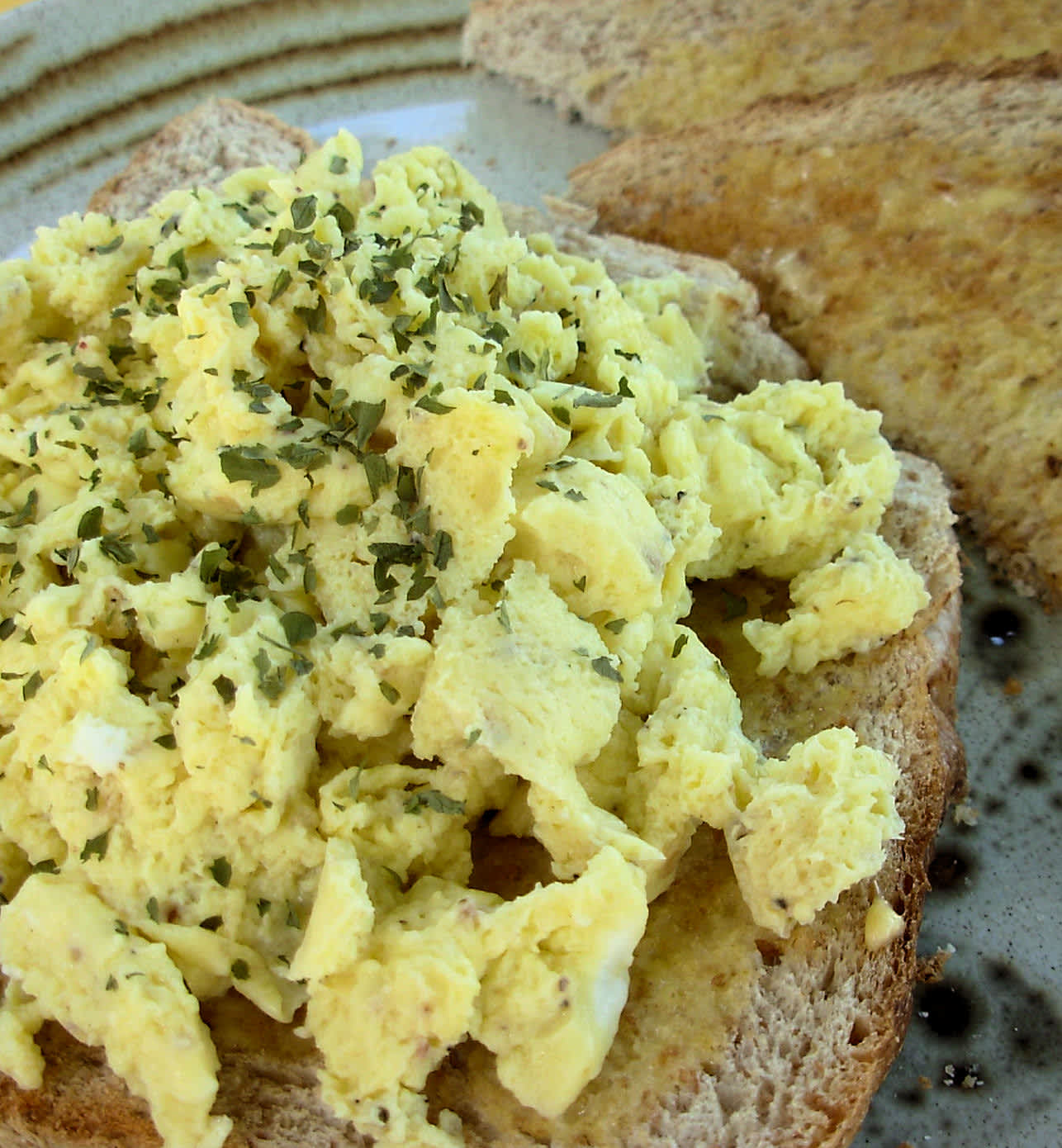
Credit: www.food.com
Ingredients Needed
Preparing scrambled eggs in the microwave is quick and simple. Knowing the right ingredients makes the process easier. The ingredients fall into two groups: basic essentials and optional add-ons. The basic essentials are necessary for the dish. Optional add-ons enhance flavor and texture.
Basic Ingredients
- Eggs – fresh and large
- Milk or water – a small amount to make eggs fluffy
- Salt – to taste
- Black pepper – for mild seasoning
- Butter or oil – for greasing the bowl
Optional Add-ons
- Cheese – shredded cheddar or mozzarella
- Chopped vegetables – like bell peppers, onions, or spinach
- Cooked meats – such as ham, bacon, or sausage
- Fresh herbs – parsley, chives, or basil
- Hot sauce or salsa – for extra flavor
Tools Required
Making scrambled eggs in the microwave is quick and easy. Having the right tools helps the process go smoothly. It also ensures safety and good results.
Using proper kitchen items designed for microwaves is important. This prevents accidents and keeps your eggs tasty and well-cooked. Below are the main tools you need.
Microwave-safe Dish
Choose a dish labeled microwave-safe. Materials like glass, ceramic, or certain plastics work well. Avoid metal or dishes with metallic paint. They can spark or damage the microwave.
A shallow bowl or a small casserole dish works best. It allows the eggs to cook evenly. The dish size should hold the eggs without spilling.
Utensils
- A fork or whisk to beat the eggs smoothly.
- A microwave-safe spatula for stirring during cooking.
- A small bowl or cup for mixing eggs before microwaving.
Use utensils made of plastic or silicone for safety. Metal spoons or forks are not safe inside microwaves. Keeping tools simple helps make cooking easier and faster.
Preparing The Eggs
Preparing the eggs properly is key to making fluffy and tasty scrambled eggs in the microwave. How you handle the eggs before cooking affects texture and flavor significantly. Taking a moment to beat and season them well will make your quick breakfast feel like a treat.
Beating The Eggs
Start by cracking your eggs into a microwave-safe bowl or mug. Use a fork or small whisk to beat the eggs until the yolk and whites are fully mixed. Aim for a smooth, uniform yellow color with no streaks.
Try beating the eggs a bit longer than you think is necessary. This adds air, which helps create fluffier eggs after microwaving. Have you noticed how some scrambled eggs turn out rubbery? Proper beating helps avoid that by breaking up the proteins evenly.
Adding Seasonings
Season your eggs before cooking to ensure the flavors blend in well. A pinch of salt and pepper is a classic start, but you can also add herbs like chives or parsley for freshness.
Consider mixing in a splash of milk or cream for extra creaminess. You could even add a little grated cheese or a dash of hot sauce if you want a flavor boost. What’s your favorite way to spice up simple eggs?

Credit: ncegg.org
Microwaving Steps
Making scrambled eggs in the microwave is a quick and easy way to get a tasty breakfast without the hassle of a stovetop. The key to perfect microwave scrambled eggs lies in how you time the cooking and how you stir the eggs during the process. Let’s break down the microwaving steps to help you achieve fluffy, evenly cooked eggs every time.
Initial Cooking Time
Start by microwaving your beaten eggs on high for about 30 to 45 seconds. The goal here is to gently begin the cooking process without scrambling the eggs too quickly. This initial cooking firms up the edges while leaving the center slightly runny, which is perfect for the next step.
Stirring Technique
After the initial cooking, take a fork or a spatula and stir the eggs thoroughly. Stirring breaks up any cooked portions and redistributes the uncooked egg, ensuring even cooking. Have you noticed how stirring helps prevent rubbery eggs? It’s a small step that makes a big difference in texture.
Final Cooking Time
Microwave the eggs again for another 20 to 30 seconds, then check the consistency. If the eggs aren’t set yet, continue microwaving in 10-second bursts, stirring after each. This prevents overcooking and keeps the eggs soft and creamy—exactly how scrambled eggs should be.
Tips For Fluffy Eggs
Getting fluffy scrambled eggs in the microwave can seem tricky, but a few simple tips make all the difference. The key is to control the cooking process and add the right ingredients to keep the eggs light and airy. Let’s dive into how you can achieve that perfect texture without much hassle.
Avoid Overcooking
Microwaves cook eggs fast, so it’s easy to overdo it. Overcooked eggs become rubbery and dry, losing that soft, fluffy texture you want. Stop cooking when the eggs are still slightly wet—they will continue to cook from residual heat.
Try microwaving in short bursts of 20-30 seconds. Stir gently between intervals to distribute heat evenly. This approach helps you catch the perfect moment before the eggs get tough.
Use Of Milk Or Cream
Adding a splash of milk or cream can transform your scrambled eggs. These liquids introduce moisture and fat, which help create a creamier, fluffier consistency. Even just a tablespoon per two eggs makes a noticeable difference.
Experiment with different dairy options like half-and-half or whole milk to find your preferred richness. If you prefer a dairy-free option, a little water can also help with fluffiness, though it won’t be as rich.
Serving Suggestions
Serving scrambled eggs made in the microwave can be simple and delicious. Small touches can enhance the flavor and presentation. Choose toppings and sides that suit your taste and mood. These ideas will help you enjoy your quick meal even more.
Toppings And Garnishes
- Fresh herbs like chopped parsley or chives add color and freshness.
- Grated cheese melts nicely and adds rich flavor.
- Sprinkle black pepper or paprika for a mild spice.
- Diced tomatoes or avocado bring a creamy texture.
- A spoonful of salsa or hot sauce gives a spicy kick.
- Thin slices of green onions add a mild crunch.
Side Dishes
- Toast or English muffins make a great base.
- Fresh fruit like berries or melon balances the meal.
- Cooked bacon or sausage adds protein and flavor.
- A small salad with vinaigrette lightens the plate.
- Hash browns or roasted potatoes add a crispy touch.
- Steamed vegetables provide a healthy, colorful side.
Common Mistakes To Avoid
Making scrambled eggs in the microwave is quick and simple. Avoiding common mistakes helps you get fluffy and tasty eggs every time. Small errors can cause eggs to be rubbery or unevenly cooked.
Knowing what to watch for improves your cooking results. Pay attention to microwave settings and timing. These factors make a big difference in texture and taste.
Microwave Power Settings
Using the wrong power level can ruin your eggs. Too high power cooks eggs too fast. They become dry and rubbery. Too low power takes too long. Eggs may not cook evenly and stay runny in spots.
Set microwave to medium or 50-70% power. This cooks eggs gently and evenly. Stir eggs halfway through cooking. This helps heat spread and avoids cold spots.
Undercooking Or Overcooking
Microwaved eggs cook quickly. Watch them closely to avoid mistakes. Undercooked eggs look wet and may taste raw. Overcooked eggs become hard and dry.
Stop cooking when eggs are mostly set but still moist. They will continue to cook from residual heat. Stir eggs to check texture. This prevents overcooking and keeps eggs soft.

Credit: lifecurrentsblog.com
Frequently Asked Questions
How Long To Microwave Scrambled Eggs?
Microwave scrambled eggs usually take 1 to 2 minutes. Stir halfway through cooking for even texture. Adjust time based on microwave power and egg quantity.
Can I Add Milk For Creamier Eggs?
Yes, adding a tablespoon of milk makes eggs creamier. It helps achieve a softer, fluffier texture when microwaved.
Is It Safe To Microwave Eggs In A Bowl?
Microwaving eggs in a microwave-safe bowl is safe. Avoid metal containers. Use a vented cover to prevent splatters.
How Do I Avoid Rubbery Scrambled Eggs?
Avoid overcooking to prevent rubbery texture. Microwave in short intervals, stirring often for soft, fluffy eggs.
Conclusion
Microwaving scrambled eggs saves time and effort. You only need a few simple steps. Eggs cook quickly and stay fluffy in the microwave. This method works well for busy mornings or quick snacks. Try adding cheese or herbs for extra taste.
Clean-up is easy since you cook in one bowl. Give it a try and enjoy warm, tasty eggs fast. Simple, fast, and delicious—what more could you want?