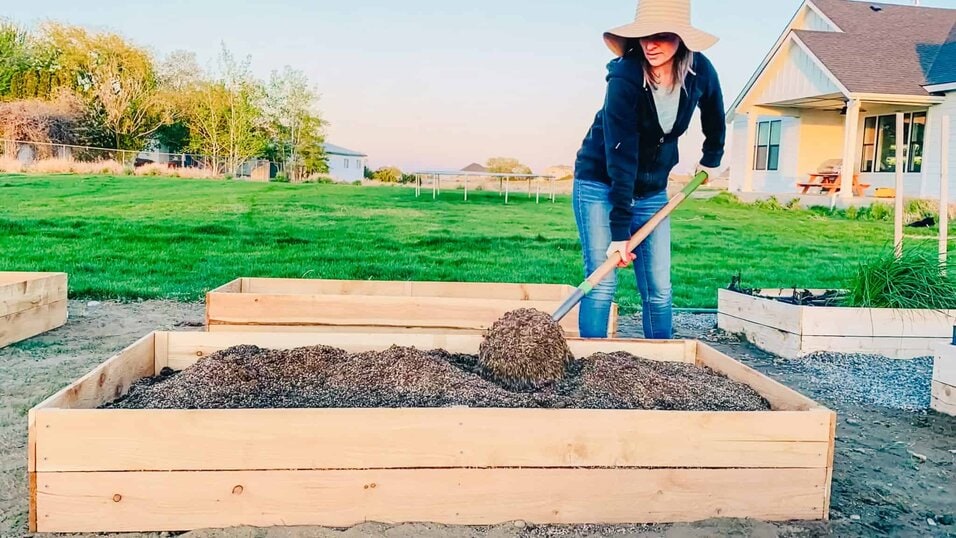
If you want your raised garden beds to flourish, the secret starts beneath the surface—with the right soil. You might think any soil will do, but the truth is, making your own soil mix can transform your garden’s health and productivity.
Imagine digging into rich, crumbly soil that feeds your plants exactly what they need to grow strong and vibrant. You’ll discover simple steps to create perfect soil for your raised beds. By the end, you’ll have the confidence to build a soil mix that helps your garden thrive like never before.
Ready to get your hands dirty and boost your garden’s success? Let’s dive in!

Credit: www.thunderbirddisco.com
Choosing The Right Soil Mix
Good soil is key for raised garden beds. The right mix helps plants grow strong. It holds water and nutrients well.
Understanding soil parts helps you make a good mix. You can create soil that drains and feeds plants properly.
Essential Soil Components
Soil has three main parts: sand, silt, and clay. Each part affects how soil feels and works.
- Sand: large particles, helps with drainage
- Silt: medium particles, holds water and nutrients
- Clay: small particles, holds nutrients but can trap water
Balancing Texture And Drainage
Good soil must drain well and hold moisture. Too much clay blocks water. Too much sand drains too fast.
| Soil Texture | Effect on Plants |
| Sandy Soil | Drains quickly, dries fast |
| Loamy Soil | Holds moisture, drains well |
| Clay Soil | Holds water, can cause root problems |
Organic Vs. Inorganic Materials
Organic matter feeds plants and improves soil structure. Inorganic materials help with drainage and stability.
- Organic: compost, peat moss, manure
- Inorganic: perlite, vermiculite, sand
- Mix both for healthy soil and good drainage
Credit: www.thecooldown.com
Gathering Materials
Creating soil for raised garden beds requires the right materials. Quality soil ensures healthy plant growth.
Learn where to find topsoil, compost, and other ingredients for your garden bed.
Sources For Topsoil
Topsoil is the foundation of your garden bed. It provides nutrients and structure for plants.
- Local garden centers often sell bulk topsoil.
- Check with landscaping companies for high-quality soil.
- Sometimes, neighbors have extra soil from yard projects.
Compost And Manure Options
Compost and manure enrich the soil. They provide essential nutrients for plant growth.
| Source | Benefit |
| Home compost bin | Cost-effective and sustainable |
| Local farms | Access to fresh manure |
| Community compost sites | Free or low-cost options |
Incorporating Peat Moss And Vermiculite
Peat moss and vermiculite improve soil aeration and moisture retention.
Preparing The Soil Blend
Creating the right soil mix is key for raised garden beds. Good soil supports plant growth and water drainage.
This guide covers measuring ingredients, mixing techniques, and adjusting pH levels for healthy soil.
Measuring Ingredients
Measure each ingredient carefully to keep the soil balanced. Use a container or scale for accuracy.
- One-third topsoil for minerals and structure
- One-third compost for nutrients and moisture
- One-third coarse sand or perlite for drainage
Mixing Techniques
Mix the ingredients well to create a uniform soil blend. This helps roots spread evenly.
- Place ingredients on a tarp or large container.
- Use a shovel or garden fork to turn the materials.
- Mix until colors and textures are consistent.
- Break up any clumps to improve soil texture.
Adjusting Ph Levels
Check soil pH to ensure plants get proper nutrients. Most vegetables prefer a pH between 6.0 and 7.0.
| Material | Effect on pH | How to Use |
|---|---|---|
| Lime | Raises pH (more alkaline) | Add if soil is too acidic |
| Sulfur | Lowers pH (more acidic) | Add if soil is too alkaline |
| Peat Moss | Lowers pH | Mix in small amounts |
| Wood Ash | Raises pH | Use sparingly |
Testing Soil Quality
Good soil is important for raised garden beds. Testing your soil helps you know what it needs.
Testing shows soil texture, pH, and nutrients. This helps you grow healthy plants.
Simple Home Soil Tests
You can check soil quality at home with easy tests. These tests give quick information.
For example, check soil texture by feeling it. Sandy soil feels gritty. Clay soil feels sticky.
- Take a small soil sample
- Wet it slightly and rub between fingers
- Note if it feels gritty, smooth, or sticky
- Drainage test: pour water and watch how fast it soaks
Nutrient Deficiency Checks
Plants show signs if soil lacks nutrients. Look for yellow leaves or poor growth.
You can also buy simple soil test kits. They check for nitrogen, phosphorus, and potassium levels.
- Look for leaf color changes
- Use a soil test kit from garden stores
- Follow kit instructions for best results
- Record nutrient levels to plan soil improvements
Improving Soil Fertility
Adding organic matter improves soil fertility. Compost and manure add nutrients and help soil hold water.
Mix soil amendments well into your raised bed soil before planting. This makes nutrients easy for plants to use.
- Add compost or aged manure
- Mix in peat moss or coconut coir for moisture
- Use balanced organic fertilizers if needed
- Test soil again after changes to check improvement
Filling Raised Beds
Filling raised garden beds with the right soil is key for healthy plants. Good soil helps roots grow and holds water well.
Use a mix of materials to create soil that drains well and stays rich in nutrients. This guide helps you fill raised beds properly.
Layering Strategies
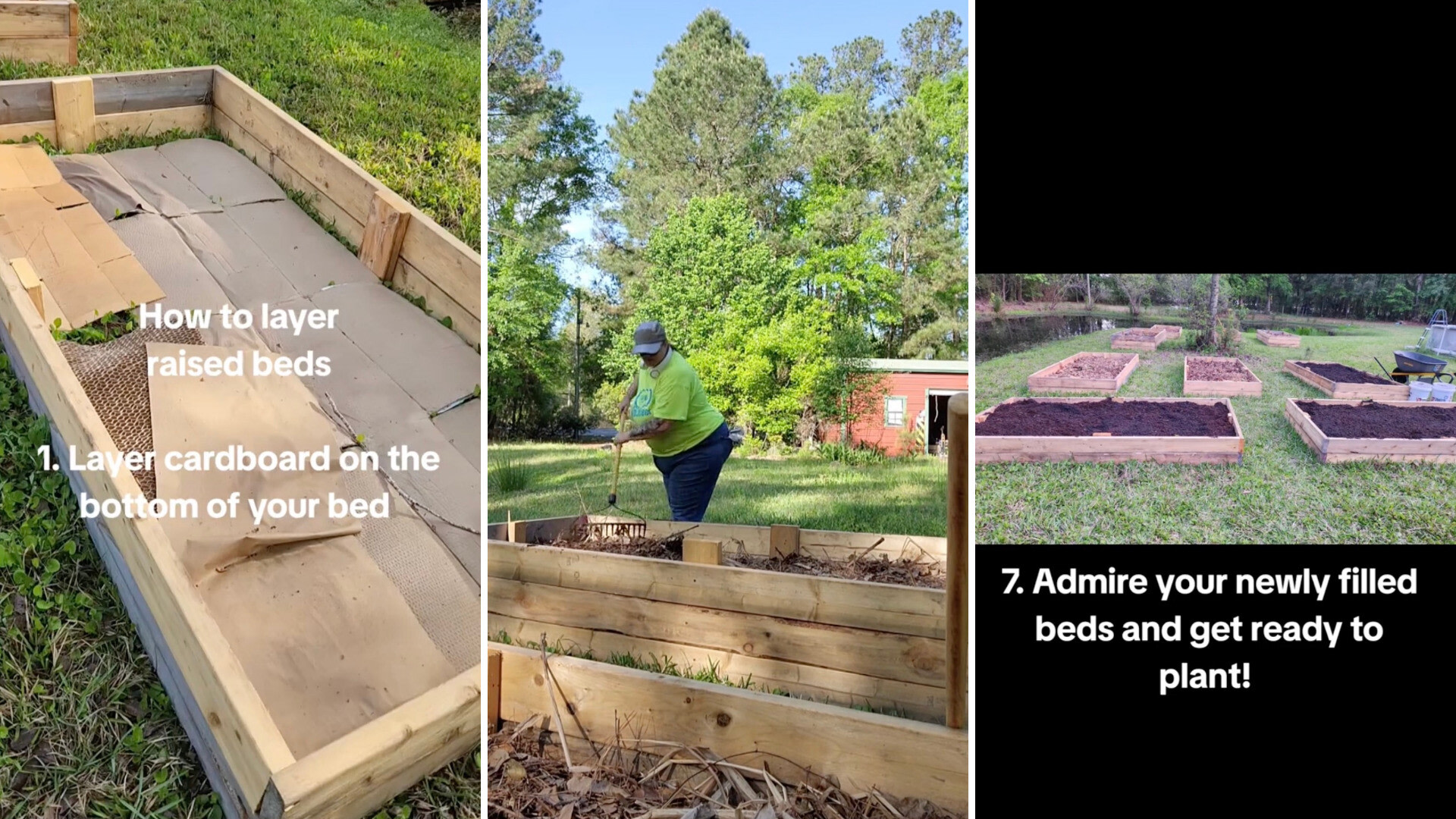
Start by adding coarse materials like small branches or straw at the bottom. This helps with drainage and air flow.
Next, add a mix of compost, topsoil, and organic matter on top. These layers provide nutrients and support plant roots.
- Bottom layer: twigs, straw, or leaves
- Middle layer: compost and aged manure
- Top layer: quality topsoil mixed with organic matter
Avoiding Soil Compaction
Soil compaction stops roots from growing and blocks water flow. Avoid stepping inside raised beds to keep soil loose.
Use light tools to mix soil and add organic matter. This keeps the soil fluffy and easy for roots to spread.
- Do not walk on soil inside the bed
- Mix soil gently with hand tools
- Add compost to improve soil texture
Maintaining Moisture Balance
Soil should hold water but not stay soggy. Add materials like coconut coir or peat moss to help keep moisture steady.
Water raised beds regularly and check soil moisture by feeling it. Adjust watering to keep soil damp but not wet.
- Include moisture-retaining materials in soil mix
- Water raised beds evenly and often
- Check soil moisture with your fingers
Maintaining Soil Health
Good soil is the key to a healthy raised garden bed. Keeping soil healthy helps plants grow strong. It also keeps pests and diseases away.
Maintaining soil health means adding nutrients and protecting the soil structure. You can do this by using simple gardening techniques regularly.
Regular Soil Amendments
Adding soil amendments keeps your garden bed rich and fertile. Amendments improve soil texture and provide nutrients plants need.
Use compost, aged manure, or peat moss to enrich your soil. Mix them well into the top layers of soil before planting.
- Compost adds organic matter and nutrients
- Aged manure improves soil fertility
- Peat moss helps retain moisture
- Use lime or sulfur to adjust soil pH
Crop Rotation Benefits
Crop rotation means changing what you plant each season. It prevents soil from losing the same nutrients all the time.
Rotating crops helps stop pests and diseases from building up in the soil. It also improves soil health by varying root types and nutrient needs.
- Plant legumes to add nitrogen to soil
- Follow heavy feeders with light feeders
- Rotate root crops with leafy crops
- Change plant families each season
Mulching Tips
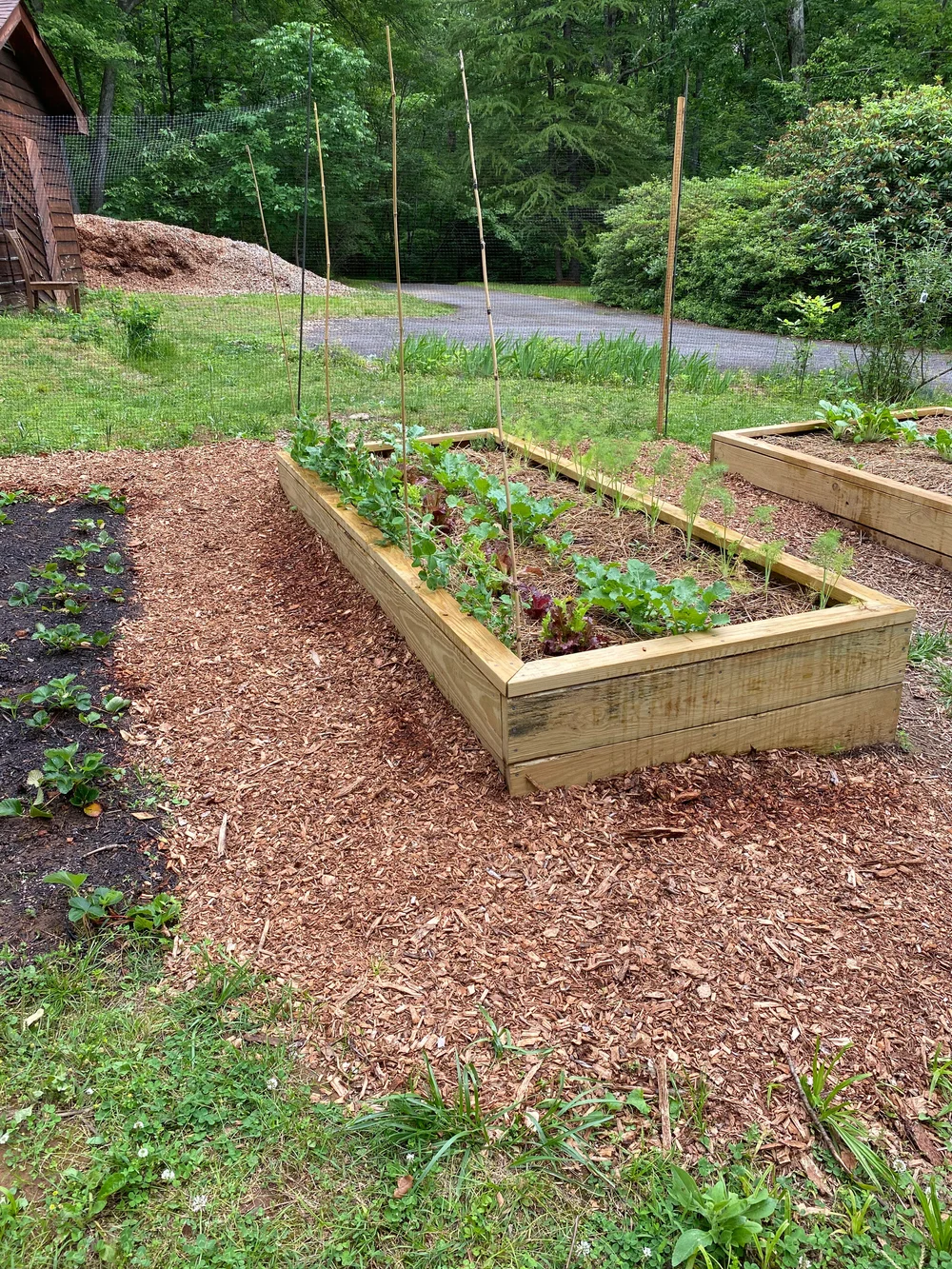
Mulching covers the soil with organic material. It keeps soil moist and stops weeds from growing.
Use straw, wood chips, or leaves as mulch. Spread a thick layer around your plants but keep it away from stems to avoid rot.
- Mulch reduces soil erosion
- It helps keep soil temperature steady
- Organic mulch breaks down to add nutrients
- Replace mulch yearly for best results
Credit: www.thunderbirddisco.com
Frequently Asked Questions
What Is The Best Soil Mix For Raised Garden Beds?
The best mix combines equal parts of garden soil, compost, and organic matter. This blend ensures good drainage, nutrients, and moisture retention for healthy plant growth.
How Do I Improve Soil Drainage In Raised Beds?
Add coarse sand, perlite, or compost to your soil. These materials increase aeration and prevent waterlogging, ensuring roots receive enough oxygen.
Can I Use Native Soil For Raised Garden Beds?
Yes, but it’s best to mix native soil with compost and organic matter. This improves fertility, texture, and supports strong plant development.
How Often Should I Refresh Soil In Raised Beds?
Refresh soil annually by adding fresh compost or organic matter. This replenishes nutrients and maintains soil health for optimal plant growth.
Conclusion
Creating good soil for raised garden beds takes time and care. Use a mix of compost, topsoil, and organic matter. This blend helps plants grow strong and healthy. Test the soil often and add nutrients as needed. Keep it loose and well-drained.
Your plants will thank you with better growth and more flowers or vegetables. Start small, watch your garden thrive, and enjoy the fruits of your work. Soil matters—give it the best you can.