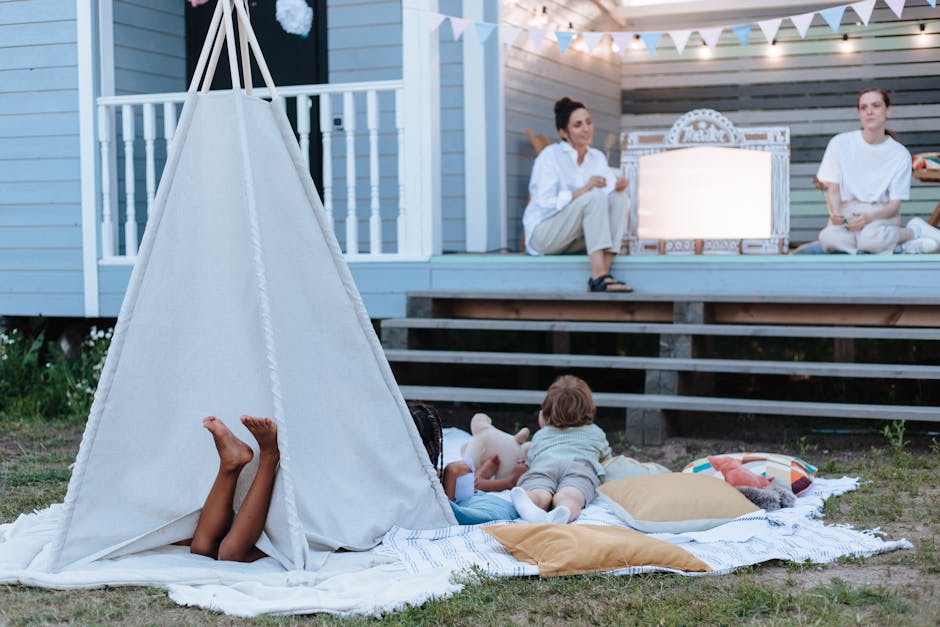
Are you ready to create a cozy hideaway that sparks imagination and fun? Making your own teepee tent is easier than you think, and it’s a perfect project for your home or backyard.
Imagine having a special spot where you can relax, read, or hang out with friends. In this guide, you’ll discover simple steps to build a stylish and sturdy teepee tent using materials you probably already have. By the end, you’ll have a unique space that feels just right for you.
Keep reading to find out how to bring your teepee tent to life!
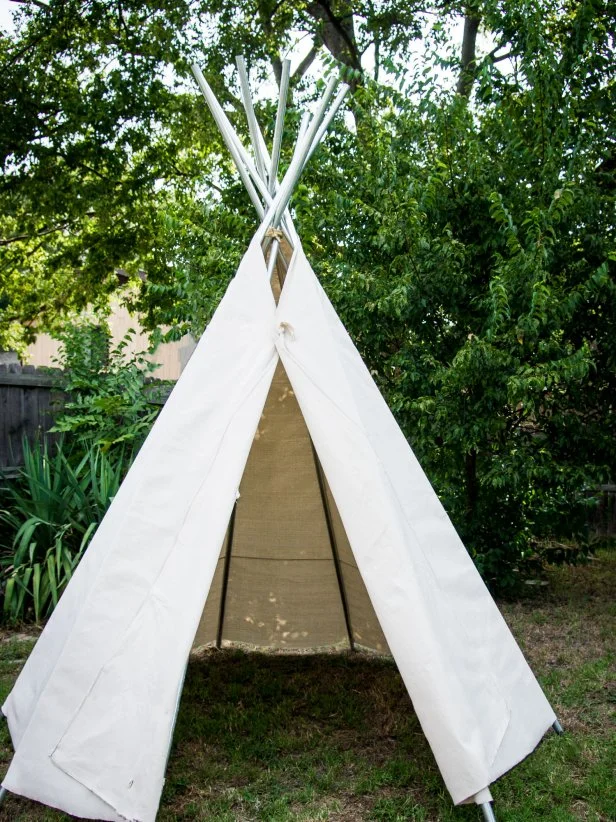
Credit: www.hgtv.com
Materials Needed
Making a teepee tent is a fun project. You need the right materials to build it strong and safe.
This guide explains the main materials needed for your teepee tent.
Choosing The Right Fabric
Pick a fabric that is strong and easy to clean. The fabric should protect you from wind and sun.
Cotton canvas is a popular choice. It is durable and breathable. You can also use polyester for water resistance.
- Canvas: strong and breathable
- Polyester: water-resistant and light
- Heavy-duty cotton: durable and natural
- Fabric weight: 10-12 oz per square yard
Selecting Poles
Poles are the frame of your teepee. They should be sturdy and long enough to hold the fabric.
Wooden poles are traditional and strong. Bamboo poles are lighter but still strong. Make sure poles are smooth to avoid fabric damage.
- Wooden poles: strong and natural
- Bamboo poles: light and sturdy
- Length: 6 to 8 feet per pole
- Number: at least 5 poles for stability
Additional Supplies
You need other supplies to assemble and secure the teepee. These help keep the tent safe and stable.
Rope ties the poles at the top. Stakes hold the tent to the ground. You may also want a sewing kit for fabric repairs.
- Rope or strong cord for tying poles
- Ground stakes to secure tent
- Heavy-duty thread and needles
- Measuring tape and scissors
- Fabric clips or clamps
Preparing The Site
Creating a teepee tent is a fun outdoor activity. Preparing the site is the first step. A good site ensures stability and safety for your tent.
In this guide, we focus on finding a suitable location and clearing the area. These steps help you create a perfect spot for your teepee tent.
Finding A Suitable Location
Choose a flat spot for your teepee tent. A level surface keeps your tent stable. Avoid areas with sharp rocks or roots that might damage the tent fabric.
Check for overhead branches that could fall. Make sure the location is away from water to avoid flooding. A dry and sheltered spot is ideal.
- Flat surface for stability
- Clear of sharp objects
- Away from water sources
- No overhead branches
Clearing The Area
Start by removing sticks and debris from the area. A clean ground prevents damage to your tent and provides comfort.
Check for insects or animal nests that might cause trouble. A smooth, clear area is best for setting up your teepee tent.
- Remove sticks and debris
- Check for insects and nests
- Ensure smooth and clear ground
Building The Frame
Building a teepee tent frame is the first step to creating a sturdy shelter. You need strong poles and a good plan to arrange them well.
Focus on arranging the poles correctly and securing the structure tightly. This will keep your teepee safe and stable.
Arranging The Poles
Start by selecting long, straight poles of equal length. Lean them together to form a conical shape. Make sure the tips meet at the top.
- Lay the poles on the ground to check their length.
- Stand three or four poles upright and tie their tops tightly.
- Spread the bottom ends evenly to form a circle on the ground.
- Add more poles around the frame to fill gaps evenly.
Securing The Structure
Tie the poles together at the top to keep them from moving. Use strong rope or twine that can hold the weight and tension.
| Material | Use |
| Natural fiber rope | Good grip, eco-friendly |
| Nylon rope | Strong and weather-resistant |
| Twine | Easy to work with for small tents |
After tying, check the frame for stability. Push gently on different sides and adjust the poles if needed.
Attaching The Cover
Attaching the cover to your teepee tent is an important step. It protects the inside and gives the teepee its shape.
Follow these simple methods to drape, fasten, and adjust the fabric correctly for a secure fit.
Draping The Fabric
Start by draping the fabric over the poles evenly. Make sure the fabric covers the frame completely from top to bottom.
- Lay the fabric flat on the ground near the poles.
- Lift one side of the fabric and place it over the top of the poles.
- Let the fabric hang down naturally around the poles.
- Adjust the fabric so it is centered and balanced on all sides.
Fastening And Adjusting
Secure the fabric by fastening it at key points. Adjust the tension to keep the cover tight and stable.
| Fastening Point | Method | Tip |
| Top of Poles | Tie with rope or string | Use knots that hold tight but are easy to undo |
| Bottom Edges | Pin or clip to poles or ground stakes | Keep fabric taut to avoid sagging |
| Entrance Area | Use ties or Velcro strips | Allow easy opening and closing |
Adding Comfort
Making a teepee tent is fun, but comfort makes it better. Adding soft touches helps everyone enjoy inside more.
Simple changes like padding and decorations turn a teepee into a cozy space for play or rest.
Floor Padding Options
Soft floor padding makes sitting or lying inside the teepee more comfortable. Choose materials that are easy to clean and safe.
Here are some good floor padding options to consider:
- Foam mats: Light and cushiony, easy to move.
- Quilts or blankets: Thick and warm, add color.
- Rugs: Soft texture and style for the floor.
- Inflatable cushions: Extra padding and easy storage.
Decorative Elements
Decorations make the teepee inviting and fun. They also add to the comfort by creating a pleasant space.
Use simple decorative items to personalize the tent and make it cozy:
- String lights: Soft light for a warm glow.
- Pillows: Add softness and support for sitting.
- Fabric buntings: Colorful and cheerful decoration.
- Stuffed animals: Make the space friendly and fun.

Credit: www.fleecefun.com
Safety Tips
Building a teepee tent is fun but safety is important. You need to check your tent’s stability. Also, watch the weather to keep everyone safe.
These tips help you avoid accidents and enjoy your teepee tent safely.
Stability Checks
Make sure the poles of your teepee are firm and steady. Loose poles can cause the tent to fall. Tie knots tightly and check the ground where poles stand.
- Use strong and straight poles
- Secure knots tightly to hold poles together
- Place poles on flat, firm ground
- Test the tent by gently pushing to check for movement
- Add extra support ropes if needed
Weather Considerations
Check the weather before setting up your teepee tent. Strong wind or rain can make the tent unsafe. Avoid building the tent in bad weather.
- Set up the tent on calm, dry days
- Keep the tent away from flood-prone areas
- Use waterproof fabric to protect from rain
- Secure the tent well if wind is mild
- Take the tent down if storms approach
Maintenance And Storage
Keeping your teepee tent clean and stored properly helps it last longer. Good care protects it from damage and dirt.
Follow these tips to maintain your tent and store it safely after use.
Cleaning The Tent
Cleaning your teepee tent after use removes dirt and prevents mold. Use gentle methods to avoid harming the fabric.
- Shake off loose dirt and debris outside.
- Use a soft brush or cloth with mild soap and water.
- Rinse with clean water to remove soap.
- Let the tent dry fully before packing.
- Do not use bleach or strong chemicals.
- Avoid machine washing or drying.
Proper Storage Techniques
Store your teepee tent in a dry, cool place to keep it safe from damage. Avoid areas with sunlight or moisture.
| Storage Tip | Reason |
|---|---|
| Fold loosely or roll gently | Prevents fabric creases and damage |
| Use a breathable storage bag | Allows air flow and stops mildew |
| Keep away from direct sunlight | Prevents fabric fading and weakening |
| Store in a dry place | Stops mold and mildew growth |
| Avoid heavy objects on top | Prevents deformation of poles and fabric |

Credit: www.creativegreenliving.com
Frequently Asked Questions
What Materials Do I Need To Make A Teepee Tent?
You need wooden poles, fabric or canvas, rope, scissors, and a measuring tape. Choose sturdy poles for support. Use durable fabric for the tent covering. Rope helps secure the structure. These basic materials ensure a strong and functional teepee tent.
How Do I Set Up The Poles For A Teepee Tent?
Arrange three to five poles in a cone shape. Tie them securely at the top with rope. Spread the base evenly on the ground. This framework forms the teepee’s skeleton, providing stability and shape before adding the fabric.
What Fabric Is Best For A Teepee Tent Cover?
Canvas is ideal due to its durability and breathability. It withstands weather and provides good ventilation. Cotton or polyester blends can also work. Avoid thin or easily torn materials to ensure longevity and comfort inside the tent.
How Do I Secure The Teepee Tent Fabric?
Wrap the fabric around the pole frame and overlap edges. Use rope, clips, or ties to fasten the fabric at the top and bottom. Ensure a snug fit to prevent wind from lifting the cover. This keeps the tent stable and weather-resistant.
Conclusion
Building a teepee tent can be a fun and rewarding project. You only need a few simple materials to start. Follow the steps carefully and take your time. Soon, you will have a cozy shelter to enjoy outside. This tent offers a great space for kids or relaxing with friends.
Remember, practice makes perfect. Keep trying and enjoy the process of creating your own teepee tent. It’s a wonderful way to bring creativity and nature together.