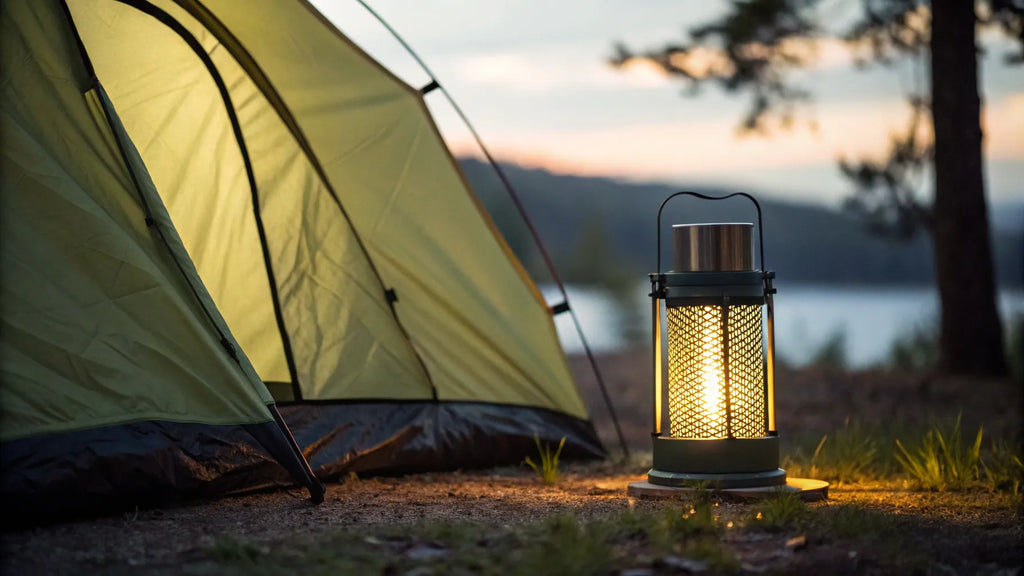
Are you tired of shivering inside your tent on chilly nights? You don’t have to let the cold ruin your camping trip.
Imagine staying warm and cozy no matter how low the temperature drops. In this guide, you’ll discover simple and effective ways to make a tent warmer using easy-to-find materials and smart techniques. Whether you’re a seasoned camper or just starting out, these tips will help you enjoy your outdoor adventure without freezing.
Keep reading to learn how to turn your tent into a snug, warm retreat.
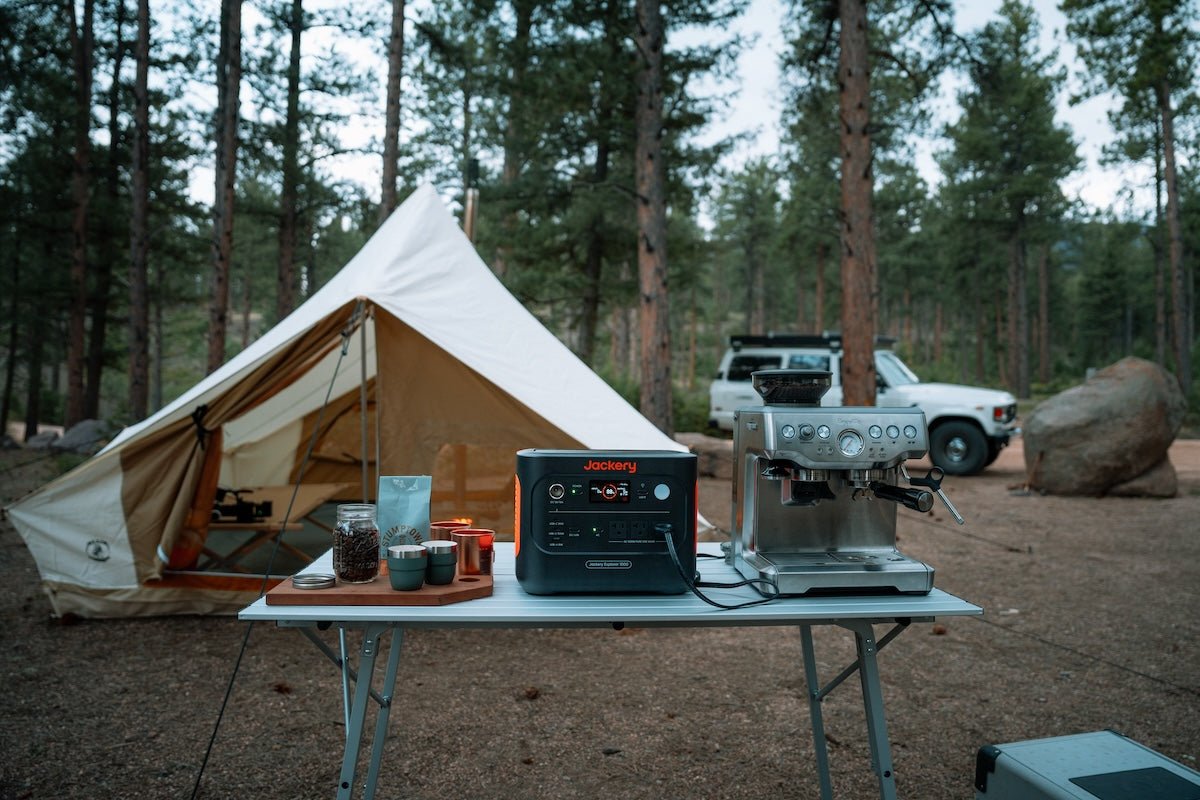
Credit: www.jackery.com
Choose The Right Tent
Picking the right tent is key to staying warm inside. A good tent keeps heat in and cold out.
Think about materials, design, and size before buying your tent for warmth.
Insulated Tent Materials
Insulated tents use fabrics that stop cold air from entering. These materials help keep warmth inside.
Look for tents made with thick nylon or polyester. Some tents have special layers for extra insulation.
- Thick nylon blocks wind and cold
- Polyester dries quickly and holds heat
- Thermal layers add warmth without weight
Four-season Tents
Four-season tents are built for cold and harsh weather. They have strong frames and heavy fabrics.
These tents resist snow and strong winds well. They keep you warmer in winter or high-altitude camping.
- Strong poles support snow load
- Heavy fabric blocks wind and rain
- Less mesh reduces heat loss
Tent Size And Shape
Smaller tents are easier to keep warm. Less space means less air to heat inside.
Shapes like dome or tunnel tents help block wind better. A good shape keeps heat trapped inside.
- Choose a tent just big enough for you
- Dome and tunnel shapes reduce wind impact
- Lower tents hold heat better than tall ones

Credit: www.reddit.com
Improve Tent Insulation
Keeping your tent warm makes camping more comfortable in cold weather. Good insulation stops heat from escaping. You can use simple materials to improve your tent’s insulation easily.
Here are three ways to keep your tent warmer by improving insulation inside and outside the tent.
Use Ground Insulation
The ground can take away heat from your tent. Adding insulation under your tent stops cold from coming up through the floor. This keeps your tent warmer and more comfortable.
You can use foam pads, thick blankets, or special camping mats as ground insulation. Place them under your tent floor before setting up your tent.
- Foam sleeping pads work well to block cold
- Reflective mats reflect heat back inside
- Extra blankets add a soft, warm layer
- Make sure the insulation covers the whole floor
Add Reflective Blankets
Reflective blankets reflect your body heat back inside the tent. They can help keep the warm air trapped. Use them on the tent walls or floor for added warmth.
These blankets are lightweight and easy to carry. You can place them under your sleeping bag or tape them to the tent walls to improve insulation.
- Use emergency space blankets or reflective foil sheets
- Attach blankets inside tent walls with tape or clips
- Cover the floor beneath your sleeping area
- Check for holes or gaps in the blankets
Seal Tent Gaps
Cold air can enter your tent through small gaps and openings. Sealing these gaps stops cold air from coming in. This keeps the warm air inside your tent.
Check the tent seams, zippers, and vents. Use tape or fabric patches to cover holes and gaps. Keep the tent door closed as much as possible.
- Use weatherproof tape on seams and holes
- Patch torn fabric with repair kits
- Zip doors and windows fully
- Use draft stoppers at the tent base
Heat Sources Inside Tent
Keeping warm inside a tent is important for comfort and safety. Different heat sources work well depending on your needs and camping style.
Below are safe and effective ways to warm your tent using portable heaters, hot water bottles, and chemical heat packs.
Safe Portable Heaters
Portable heaters designed for tents provide steady warmth. Look for models with safety features like automatic shut-off and tip-over protection.
- Use heaters with oxygen depletion sensors
- Place heater away from flammable materials
- Ensure proper ventilation inside the tent
- Never leave the heater unattended while on
Hot Water Bottles
Hot water bottles are a simple way to add warmth inside your sleeping bag or tent. They retain heat for hours and require no power source.
| Type | Heat Duration | Safety Tips |
| Rubber Hot Water Bottle | 3–4 hours | Use a cover to avoid burns |
| Insulated Hot Water Bottle | 5–6 hours | Check for leaks before use |
| Metal Hot Water Bottle | 2–3 hours | Handle with care to avoid burns |
Chemical Heat Packs
Chemical heat packs produce heat through a safe chemical reaction. They are lightweight and easy to carry for quick warmth.
- Activate by shaking or breaking inner pouch
- Use inside gloves or pockets for body warmth
- Single-use packs are disposable and convenient
- Reusable packs can be recharged by boiling
Optimize Sleeping Gear
Keeping warm inside your tent is key during cold weather trips. Proper gear helps you sleep better and stay comfortable all night.
Use the right combination of sleeping bags, pads, and clothing layers. This will keep your body heat in and the cold out.
Cold-weather Sleeping Bags
Choose sleeping bags made for low temperatures. Look for insulated, draft-proof designs with tight zippers.
- Pick a bag rated for temperatures below the expected lows.
- Down fill offers great warmth and compresses small.
- Synthetic fill works well if moisture is a concern.
- Use a sleeping bag liner for extra insulation.
Thermal Sleeping Pads
Sleeping pads stop cold from the ground. They add a layer of insulation and comfort under your bag.
| Type | Warmth (R-Value) | Weight | Durability |
| Closed-Cell Foam | 2-3 | Light | High |
| Inflatable | 3-5+ | Very Light | Medium |
| Self-Inflating | 3-5 | Medium | High |
Layered Clothing
Wear layers inside your sleeping bag to trap heat better. Layers also let you adjust if you get too warm.
- Base layer: Moisture-wicking fabric like wool or synthetic.
- Mid layer: Fleece or insulated jacket to hold warmth.
- Outer layer: Windproof and water-resistant jacket or shell.
- Wear a hat and socks to reduce heat loss.
Ventilation And Moisture Control
Keeping a tent warmer requires attention to air flow and moisture. Proper ventilation helps keep air fresh and dry. Moisture control stops dampness and cold inside the tent.
This guide covers how to improve airflow, prevent condensation, and use moisture absorbers. These steps make your tent more comfortable and warmer.
Proper Airflow
Good airflow lets fresh air enter and moist air leave. This prevents stuffy air inside your tent. Open vents or windows slightly to keep air moving.
- Keep tent vents open, even in cold weather.
- Use mesh windows to allow air in but keep bugs out.
- Do not block air passages with gear or bedding.
- Set up your tent in a place with natural wind flow.
Prevent Condensation
Condensation forms when warm air meets cold surfaces. This makes water droplets inside the tent. To stop this, reduce moisture sources and keep air moving.
- Dry wet clothes outside the tent before bringing them in.
- Cook outside to avoid adding steam inside the tent.
- Use a groundsheet to keep dampness from the floor.
- Keep a small gap between sleeping bags and tent walls.
Use Moisture Absorbers
Moisture absorbers pull water from the air. They help keep your tent dry and warm. You can use natural or store-bought options.
| Absorber Type | How to Use | Benefits |
|---|---|---|
| Silica Gel Packs | Place in corners or near vents | Absorbs water, reusable after drying |
| Charcoal Briquettes | Put in breathable bags inside tent | Reduces moisture and odors |
| Rock Salt | Fill in a container with holes | Draws moisture, easy to replace |
Warm Food And Drinks
Keeping food and drinks warm inside a tent is important on cold nights. It helps you enjoy meals comfortably. You can prepare hot meals and warm drinks easily.
This guide shows simple ways to make a tent warmer for food and drinks. Use these tips to stay cozy and satisfied.
Hot Meals Preparation
Cook meals that keep heat well. Use insulated pots or cook inside the tent if safe. Prepare soups, stews, or pasta for warmth and energy.
- Use a portable stove with fuel
- Choose foods that heat quickly
- Keep meals covered to keep heat
- Cook in small batches for fresh warmth
- Warm leftovers over low heat
Insulated Drink Containers
Insulated containers keep drinks warm for hours. Use them for tea, coffee, or hot chocolate. Pick containers with good seals to avoid spills.
| Container Type | Material | Heat Retention Time |
| Thermos Bottle | Stainless Steel | 6-12 Hours |
| Vacuum Flask | Glass or Metal | 8-10 Hours |
| Insulated Travel Mug | Plastic and Metal | 3-6 Hours |
Warm Beverage Recipes
Try simple recipes for warm drinks. Use natural ingredients for flavor and comfort. These drinks help keep your body warm inside the tent.
- Hot Lemon Ginger Tea: Boil water, add lemon slices and ginger, steep 5 minutes
- Spiced Apple Cider: Heat apple juice with cinnamon and cloves
- Classic Hot Chocolate: Mix cocoa powder with hot milk and sugar
- Herbal Mint Tea: Steep fresh mint leaves in hot water
Tent Placement Tips
Choosing the right spot for your tent keeps you warm and safe. Careful placement can reduce cold and wind problems.
This guide covers how to pick sheltered locations, avoid wind, and use natural heat sources for tent warmth.
Sheltered Locations
Pick a spot with natural barriers like trees or rocks. These block cold wind and keep heat inside the tent.
- Look for dense tree clusters
- Set up near large rocks or hills
- Avoid open fields and ridges
- Check ground for dry, flat areas
Avoid Wind Exposure
Wind can lower the tent temperature quickly. Face the tent door away from the wind direction for less chill.
Wind Direction Tips:
| Wind Direction | Tent Placement |
|---|---|
| North | Place tent door facing south |
| East | Face door west |
| South | Face door north |
| West | Face door east |
Use Natural Heat Sources
Place your tent near rocks or sunlit areas to use natural warmth. These sources help keep the tent warmer during cold times.
- Set up on sun-facing slopes
- Camp near large sun-warmed rocks
- Avoid shaded or damp areas
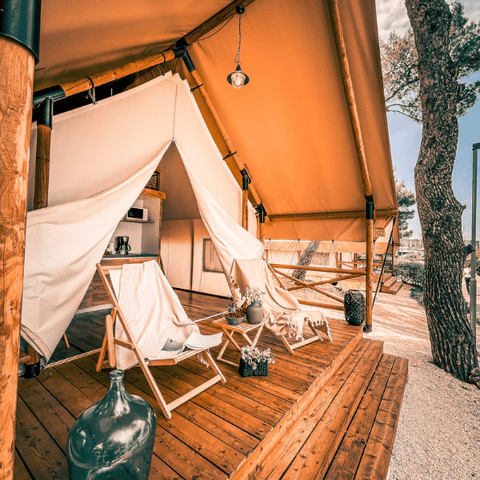
Credit: www.lifeintents.com
Frequently Asked Questions
How Can I Safely Heat A Tent?
Use battery-operated or propane heaters designed for tents. Ensure proper ventilation to avoid carbon monoxide buildup. Always follow manufacturer instructions and never leave heaters unattended.
What Materials Help Keep A Tent Warmer?
Use insulated sleeping pads, thermal blankets, and a tent footprint. These materials reduce heat loss and block cold ground air from entering your tent.
Can I Use A Campfire To Warm My Tent?
No, never use a campfire inside or near your tent. It poses serious fire hazards and risks carbon monoxide poisoning.
How Do I Prevent Heat Loss In A Tent?
Seal gaps, use a windbreak, and keep the tent floor covered. Also, wear warm clothing and use sleeping bags rated for cold weather.
Conclusion
Keeping your tent warm is easier than you think. Use safe heating methods and good insulation. Simple steps can make your camping experience cozy. Always put safety first to avoid risks. Enjoy your time outdoors, even on cold nights. Stay warm and comfortable with these easy tips.
Your next camping trip will feel much better. Warm tents mean happy campers. Try these ideas and feel the difference.