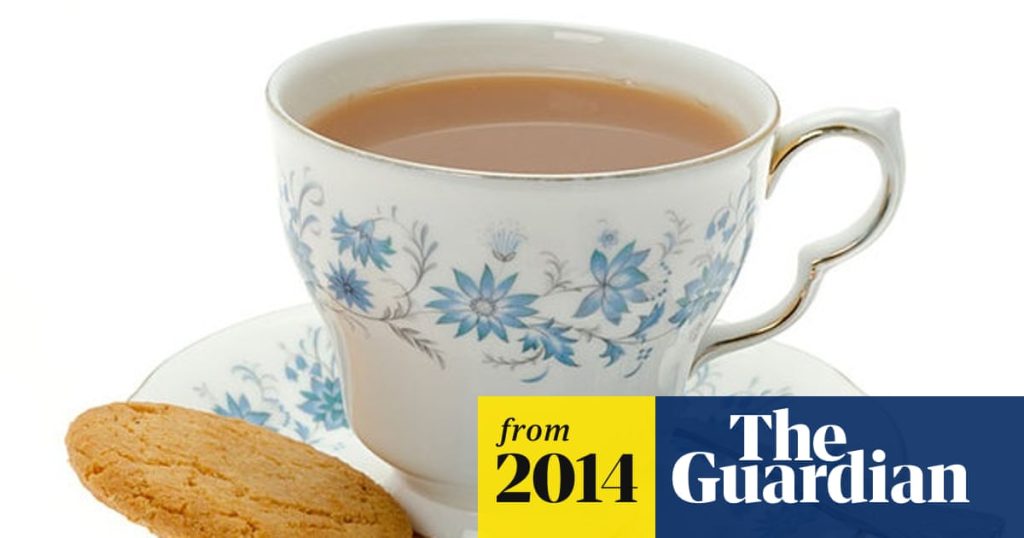
There’s nothing quite like a perfect cup of tea to brighten your day. But have you ever wondered why some cups taste richer, smoother, and more satisfying than others?
The secret isn’t just in the tea leaves—it’s in the way you make it. Imagine holding a warm mug that feels just right in your hands, with a flavor that lifts your spirits and calms your mind. In this guide, you’ll discover simple steps and expert tips that will transform your daily tea routine into a delightful experience.
Ready to brew the best cup of tea you’ve ever had? Let’s get started.
Choosing Tea Leaves
Choosing the right tea leaves is key for a great cup of tea. Different leaves give different flavors and aromas.
Understanding the types, quality, and sources helps you pick the best leaves for your taste.
Types Of Tea Leaves
Tea leaves come in many types, each with unique tastes and colors. The main types are green, black, white, oolong, and pu-erh.
- Green Tea:Leaves are quickly heated to keep their green color and fresh taste.
- Black Tea:Fully fermented, with a strong and bold flavor.
- White Tea:The least processed, with a light and delicate taste.
- Oolong Tea:Partially fermented, offering a balance between green and black tea.
- Pu-erh Tea:Aged and fermented tea with earthy and rich flavors.
Quality Indicators
| Indicator | What to Look For |
| Leaf Appearance | Whole, unbroken leaves usually mean better quality. |
| Color | Bright and vibrant colors show freshness. |
| Smell | Fresh, strong aroma is a good sign. |
| Packaging Date | Newer packages mean fresher tea. |
| Origin | Reputable regions often produce high-quality tea. |
Where To Buy
Buying tea leaves from trusted sources ensures quality and freshness. You can find tea in stores or online.
- Specialty tea shops offer a wide variety and expert advice.
- Farmers markets can have fresh, locally sourced tea leaves.
- Online retailers provide access to rare and imported teas.
- Supermarkets carry common types but check the packaging date.

Credit: www.learningherbs.com
Water Matters
Water plays a big role in making tea taste great. The right water can bring out the best flavor in your cup.
Using good water helps your tea taste fresh and clean. Bad water can ruin your tea.
Water Quality
Good water should be fresh and clean. Avoid water with strong smells or tastes. Tap water with chlorine can spoil tea flavor.
Use filtered or spring water if possible. Soft water works best because hard water can make tea taste bitter or dull.
- Use fresh, clean water
- Avoid water with strong odors
- Filtered or spring water is ideal
- Soft water is better than hard water
Ideal Temperature
Water temperature affects how tea brews. Different teas need different heat levels to taste best.
Too hot water can burn tea leaves. Too cold water will not release flavors properly.
- Green tea: 150°F to 180°F (65°C to 80°C)
- Black tea: 200°F to 212°F (93°C to 100°C)
- Oolong tea: 190°F to 200°F (88°C to 93°C)
- Herbal tea: 212°F (100°C)
Water-to-tea Ratio
The amount of water and tea leaves changes the taste. Use the right ratio for a balanced cup.
Too much tea makes it strong and bitter. Too little tea makes it weak and flat.
- Use 1 teaspoon of tea per 6 ounces (180 ml) of water
- Adjust to taste if you want stronger or lighter tea
- Measure water and tea leaves carefully for best results
Brewing Techniques
Making the best cup of tea starts with careful brewing. The right techniques bring out the flavors and aromas.
Focus on steeping time, equipment, and avoiding common errors. These steps help create a perfect cup every time.
Steeping Time
Steeping tea for the correct time is important. Too short, and the flavor will be weak. Too long, and it becomes bitter.
- Black tea: steep for 3 to 5 minutes
- Green tea: steep for 2 to 3 minutes
- Herbal tea: steep for 5 to 7 minutes
- Oolong tea: steep for 4 to 7 minutes
Adjust steeping time based on your taste. Use a timer to avoid oversteeping.
Equipment Options
Different tools can help you brew tea well. Choose equipment that fits your style and needs.
| Equipment | Description | Best For |
| Teapot | Classic vessel for steeping loose leaf tea | Multiple servings |
| Infuser Mug | Mug with built-in strainer for single cups | Quick brewing |
| French Press | Presses tea leaves for full flavor | Strong tea |
| Tea Bags | Convenient pre-packaged tea | Fast and easy brewing |
Clean your equipment after each use. This keeps your tea tasting fresh.
Common Mistakes To Avoid
Here are some common errors to watch out for when brewing tea:
- Using water that is too hot or too cold
- Steeping tea leaves for too long
- Not measuring tea leaves properly
- Reusing tea leaves without fresh ones
- Ignoring the type of tea and its brewing needs

Credit: www.youtube.com
Enhancing Flavor
Making a great cup of tea means focusing on flavor. Small changes can make a big difference.
Let’s explore ways to add milk and sugar, use herbs and spices, and try different blends.
Adding Milk And Sugar
Milk and sugar are popular additions. They soften the taste and add richness. Use them carefully to keep balance.
- Add milk slowly to avoid curdling
- Try different types like whole or almond milk
- Start with a small spoon of sugar, then adjust
- Use honey as a natural sweetener instead of sugar
Using Herbs And Spices
Herbs and spices add unique flavors. They make tea more aromatic and interesting. Try fresh or dried options.
| Herb/Spice | Flavor Profile |
| Mint | Fresh and cooling |
| Cinnamon | Warm and sweet |
| Ginger | Spicy and sharp |
| Cardamom | Sweet and citrusy |
Experimenting With Blends
Mixing different teas can create new flavors. Try black with green or add floral teas.
Try these ideas:
- Black tea with a pinch of jasmine petals
- Green tea mixed with lemongrass
- Oolong tea combined with dried rose buds
- Herbal tea blends with chamomile and lavender
Serving Suggestions
Serving tea is about more than pouring a hot drink. It is an experience that pleases the eyes and the palate.
Small details like the cup you choose and what you serve with tea make a big difference.
Choosing The Right Cup
The cup affects how tea tastes and feels. Porcelain cups keep tea warm and show its color well.
- Use small cups for strong teas like black or oolong.
- Choose clear glass cups to enjoy green or white teas.
- Wide-mouthed cups help cool tea faster for quick sipping.
- Handle size matters: pick one comfortable for your hand.
Presentation Tips
| Tip | Details |
|---|---|
| Use a clean teapot | A spotless pot keeps tea fresh and pure. |
| Warm your cups | Pour hot water in cups before tea to keep it warm longer. |
| Serve with a tea cozy | Keeps the teapot warm and adds charm. |
| Arrange cups neatly | Place cups on a tray or tablecloth for a tidy look. |
Pairing With Snacks
Snacks should complement tea flavors, not overpower them. Sweet and light snacks work well.
- Biscuits and cookies add crunch and sweetness.
- Light sandwiches balance strong teas like Assam.
- Fresh fruit brings a refreshing contrast.
- Cheese pairs nicely with black and green teas.

Credit: www.nobakedelights.com
Storing Tea Properly
Proper storage helps keep tea fresh and flavorful for a long time. Tea leaves can lose taste if not stored well.
Knowing how to store tea correctly protects it from damage and preserves its aroma.
Storage Containers
Use containers that block light and air to keep tea fresh. Airtight tins or jars work best.
- Choose containers made of metal or dark glass
- Make sure lids seal tightly to stop air entry
- Avoid plastic containers that can absorb odors
- Keep containers dry and clean before use
Keeping Freshness
Store tea in a cool, dry place away from sunlight. Heat and moisture make tea stale fast.
| Do | Don’t |
| Keep tea away from windows | Store near stove or oven |
| Close container after each use | Leave container open |
| Use small containers for daily use | Store large amounts in one container |
| Check for freshness regularly | Keep tea for too long |
Avoiding Contamination
Tea absorbs smells easily. Keep it away from strong odors and spices.
Tips to prevent contamination:
- Do not store tea near coffee, spices, or cleaning products
- Wash hands before handling tea leaves
- Use a clean spoon to scoop tea, avoid direct hand contact
- Keep tea containers separate from other food items
Frequently Asked Questions
What Is The Best Water Temperature For Tea?
The ideal water temperature varies by tea type. For black tea, use boiling water at 212°F (100°C). For green tea, aim for 160-180°F (70-80°C). Herbal teas usually require boiling water, but always check specific recommendations for the best flavor.
How Long Should I Steep My Tea?
Steeping time affects tea flavor. Black tea typically requires 3-5 minutes. Green tea is best steeped for 2-3 minutes. Herbal teas may need 5-7 minutes. Adjust steeping time based on your taste preference. Over-steeping can make tea bitter, so be cautious.
Should I Use Loose Leaves Or Tea Bags?
Loose leaves often provide a richer flavor compared to tea bags. Loose leaves allow better water circulation, enhancing taste. However, tea bags offer convenience and consistency. Choose based on your preference and time availability. Both options can produce a delightful cup of tea.
Can I Reuse Tea Leaves?
Yes, tea leaves can be reused for a second brew. The second brew may be lighter in flavor. It’s common for high-quality teas like oolong or green tea. Ensure proper storage between uses to maintain flavor. Avoid reusing tea bags as they lose flavor quickly.
Conclusion
Making the best cup of tea takes simple steps and care. Fresh water and the right temperature matter a lot. Steeping time changes the taste and strength. Trying different teas helps find your favorite. Enjoying tea is about relaxing and taking a break.
A good cup can brighten any moment. Keep practicing, and you will improve each time. Tea is more than a drink—it’s a small daily joy.