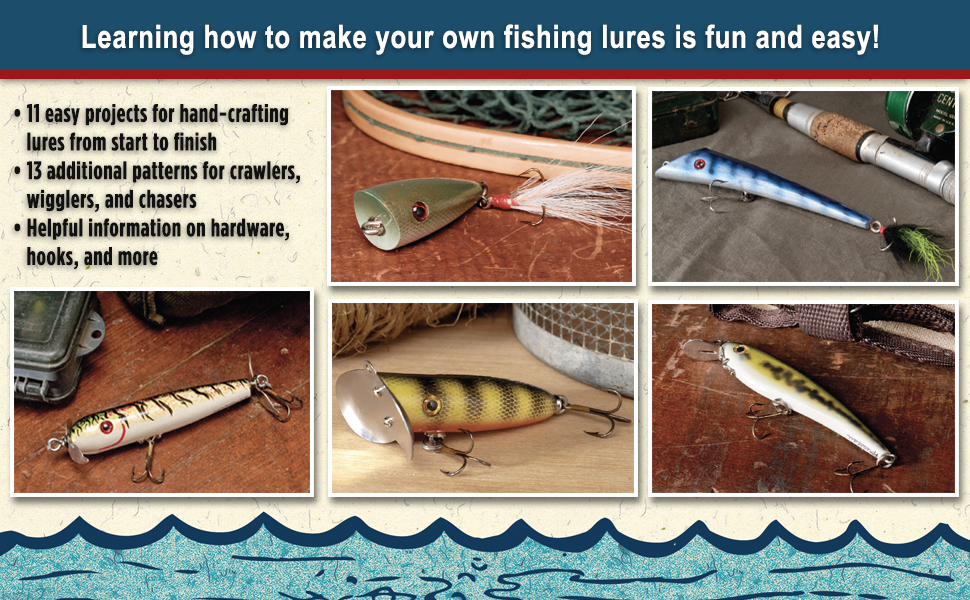
Are you tired of spending too much on fishing lures that don’t always work? What if you could create your own, perfectly tailored to attract the fish you want?
Making your own lures is easier than you think, and it gives you a unique edge every time you cast your line. In this guide, you’ll discover simple steps and insider tips that will help you craft lures that catch more fish and save you money.
Ready to take your fishing game to the next level? Keep reading to unlock the secrets of lure-making that can transform your fishing experience.
Choosing Materials
Making your own fishing lures starts with picking the right materials. The material affects how the lure moves and attracts fish.
Choose materials that suit the type of fish you want to catch. Also think about how easy the materials are to work with.
Types Of Lure Materials
Different materials create different lure shapes and actions. Here are common types used by anglers.
- Wood:Easy to shape and floats well. Popular for topwater lures.
- Plastic:Durable and can be molded into many shapes. Often used for soft baits.
- Metal:Great for spoons and spinners. Reflects light to attract fish.
- Rubber:Used mainly for soft plastic baits that mimic worms and other prey.
Tools You’ll Need
Having the right tools makes lure making easier and safer. Some tools help shape materials, others add detail.
| Tool | Purpose |
| Knife or carving tools | Shape wood or soft materials |
| Sandpaper | Smooth rough edges and surfaces |
| Paint brushes | Apply colors and patterns |
| Drill | Make holes for hooks and eyes |
| Pliers | Bend wire and attach hooks |

Credit: www.amazon.com
Basic Lure Designs
Making your own fishing lures can be a fun and rewarding hobby. Basic lure designs help attract fish by imitating their natural prey.
Understanding simple lure types lets you create effective fishing tools at home. Below are three common designs to try.
Spinnerbaits
Spinnerbaits have a metal blade that spins in the water. The spinning creates vibrations and flashes that attract fish.
- Use a wire frame to attach the blade and hook
- Add a skirt made of rubber or silicone strands
- Paint or color the skirt to match local baitfish
- Choose a blade shape like Colorado or Willow for different water actions
Jigs
Jigs have a weighted head and a hook with a soft or feathered tail. They sink and move in a way that looks like injured prey.
| Jig Part | Material | Purpose |
| Head | Lead or tungsten | Weight to sink lure |
| Hook | Steel | Catch fish |
| Tail | Feathers, soft plastics | Attract fish with movement |
Soft Plastics
Soft plastics are flexible lures that mimic worms, minnows, or other small creatures. They are easy to shape and color.
Basic steps to make soft plastic lures:
- Mix silicone or plastic resin with color pigments.
- Pour the mixture into a mold shaped like your lure.
- Let the material cool and harden.
- Remove the lure from the mold and trim excess plastic.
Step-by-step Making
Making your own fishing lures can be fun and rewarding. You control the size, shape, and colors to attract fish.
This guide shows simple steps to create lures at home. Follow each part carefully for best results.
Shaping The Lure
Start by choosing the material for your lure. Wood, plastic, or foam work well for shaping.
Use a knife or carving tools to cut the lure into the desired shape. Sand it smooth to remove rough edges.
- Draw the lure outline on your material
- Cut along the outline carefully
- Sand the edges for a smooth finish
Painting And Finishing
Paint your lure with colors that fish like. Use waterproof paint to keep colors bright in water.
After painting, apply a clear coat to protect the paint and make the lure shiny.
- Choose base colors and patterns
- Use small brushes for details
- Apply two or more coats of clear sealant
Adding Hooks And Hardware
Attach hooks and other hardware like split rings or eyes. Use pliers for a tight fit.
Make sure hooks are sharp and secure. Test the lure’s balance before fishing.
- Install eye screws where the line will attach
- Attach treble or single hooks with split rings
- Check all connections for strength
Customizing Your Lures
Making your own fishing lures can be fun and rewarding. You can design lures that fit your needs and attract more fish.
Customizing lures allows you to experiment with different styles. You can create unique designs that work well in various fishing conditions.
Color Patterns That Attract
Colors play a big role in catching fish. They can mimic prey or stand out in water.
- Bright colors work well in murky waters
- Natural colors mimic real fish in clear water
- Contrasting colors can grab fish attention
Adding Scent And Sound
Scent and sound can make your lures more appealing. They attract fish from a distance and increase your chances of success.
Consider adding scent to your lures with oils or sprays. You can also use rattles or beads to create sound.
Adjusting Weight And Balance
Weight and balance affect how your lure moves in the water. Proper adjustments help your lure sink or float as needed.
Experiment with different weights to see what works best. Ensure your lure maintains a natural motion to attract fish.
Testing And Tweaking
After crafting your fishing lures, testing is key to see how they perform in water. Tweaking them based on real use helps improve their effectiveness. This process involves observing the lure’s action and making small changes.
Testing and tweaking lures lets you find what works best for the fish you want to catch. Careful adjustments can make your lure move more naturally and attract more bites.
Field Testing Tips
Take your lure to a local pond or lake to see how it moves. Watch for smooth swimming and good balance. Test it at different speeds to check its action. Use natural light and calm water for best results.
- Cast your lure and watch how it swims
- Try slow and fast retrieves
- Check if the lure wobbles or spins too much
- Note how fish react if possible
- Record your observations for later tweaks
Common Adjustments
| Problem | Cause | Adjustment |
| Lure dives too deep | Too heavy or large lip | Use smaller lip or lighter materials |
| Lure spins uncontrollably | Weight balance off | Shift weight inside lure body |
| Lure floats too much | Material too light | Add small weight or denser paint |
| Action too stiff | Body too rigid | Use softer materials or add joints |

Credit: www.battlbox.com
Safety And Maintenance
Making your own fishing lures is fun and rewarding. You must follow safety rules to avoid injuries. Proper care keeps your lures in good shape for many trips.
Pay attention to how you handle sharp tools and store your lures. This helps protect you and your equipment.
Handling Tools Safely
Sharp tools like knives and pliers need careful use. Always keep your work area clean and well-lit. Wear protective gloves to avoid cuts and punctures.
- Cut away from your body when shaping lures.
- Keep tools sharp to reduce slipping.
- Store tools safely after use to prevent accidents.
- Use clamps or vices to hold lures while working.
- Never leave tools where children can reach them.
Storing Your Lures Properly
Proper storage stops lures from getting damaged or tangled. Use containers that keep lures separate and dry. Avoid direct sunlight to prevent fading and warping.
| Storage Method | Benefits |
|---|---|
| Tackle box with compartments | Keeps lures organized and untangled |
| Plastic bags with silica gel | Prevents moisture and rust |
| Foam inserts | Protects paint and hooks from damage |
| Cool, dry place | Prevents warping and mold growth |

Credit: www.youtube.com
Frequently Asked Questions
What Materials Do I Need To Make Fishing Lures?
To make fishing lures, you need wood or plastic, hooks, paint, glue, and split rings. These basic supplies are easy to find and essential for crafting effective lures.
How Can I Design Lures That Attract Specific Fish?
Research your target fish’s prey and habitat. Use colors, shapes, and sizes that mimic natural bait to increase lure effectiveness.
Is Making Lures Cheaper Than Buying Them?
Yes, making lures can save money over time. You control materials and design, reducing costs compared to store-bought options.
What Tools Are Essential For Crafting Fishing Lures?
Basic tools include knives, sandpaper, paintbrushes, pliers, and drills. These help shape, finish, and assemble your custom lures efficiently.
Conclusion
Making your own fishing lures saves money and adds fun to fishing trips. You control the colors, size, and shape to fit your needs. Experiment with different materials to see what works best. Each lure you create improves your skills and confidence.
Enjoy the process and watch your fishing success grow. Keep practicing and trying new ideas. Making lures can turn fishing into a creative hobby. Start small, be patient, and enjoy every catch. Your fishing experience becomes more personal and rewarding this way.