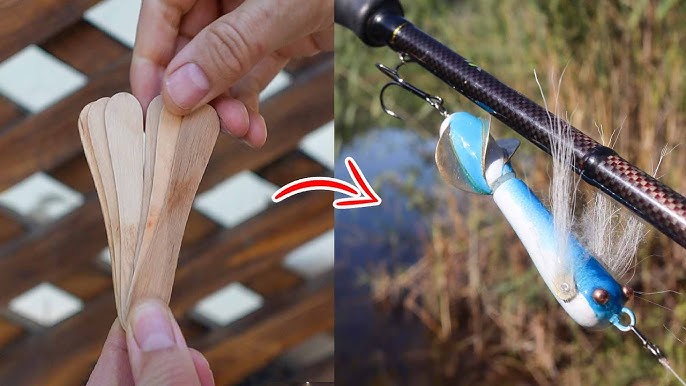
Are you tired of buying expensive fishing lures that don’t always work? Imagine catching more fish by using lures you made yourself, designed exactly how you want.
Making your own fishing lures is easier than you think, and it can turn your fishing trips into unforgettable adventures. In this guide, you’ll discover simple steps and tips to create effective, custom lures that attract fish every time. Ready to boost your fishing success and have fun crafting at the same time?
Let’s dive in and make your next fishing experience the best one yet.
Choosing Materials
Making your own fishing lures starts with picking the right materials. Good materials help create lures that attract fish well.
Knowing about different materials and tools will make your lure-making easier and more fun.
Types Of Lure Materials
You can use many materials to make fishing lures. Each material has its own look and movement in water.
- Wood:Easy to shape and paint. Popular for classic lures.
- Plastic:Lightweight and can be molded into many shapes.
- Metal:Great for shiny lures that reflect light.
- Rubber or Silicone:Used for soft baits that move naturally.
- Feathers and Hair:Add natural movement and color to lures.
Tools You’ll Need
Having the right tools helps you work safely and make better lures. Some tools are basic, others are more advanced.
| Tool | Use |
|---|---|
| Knife or Carving Tools | Shape wood or soft materials |
| Paintbrushes | Apply colors and patterns |
| Drill | Make holes for hooks or eyes |
| Sandpaper | Smooth edges and surfaces |
| Pliers | Bend wire and attach hooks |
| Glue | Fix parts together securely |
Basic Lure Designs
Making your own fishing lures is a fun way to catch fish. You can create simple lures with common materials.
Three popular types of lures are soft plastic lures, wooden lures, and spinnerbaits. Each has a basic design you can try.
Soft Plastic Lures
Soft plastic lures look like worms or small fish. They are made from flexible materials that move in water.
You can make them by melting plastic and pouring it into a mold. Add colors or glitter to attract fish.
- Use silicone molds for shaping
- Add scent to make lures more attractive
- Choose bright or natural colors
Wooden Lures
Wooden lures are carved from soft wood like balsa. They float or dive depending on their shape.
Shape the wood with a knife or sandpaper. Paint the lure and add hooks when dry.
- Use waterproof paint for durability
- Add eyes and scales for realism
- Attach small metal lips to control diving
Spinnerbaits
Spinnerbaits have metal blades that spin in water. The blades reflect light and attract fish.
Create a spinnerbait with wire, hooks, and metal blades. Connect the parts so blades spin freely.
- Use stainless steel wire for strength
- Choose different blade shapes and sizes
- Add soft skirts for extra movement
Step-by-step Lure Making
Making your own fishing lures can be fun and rewarding. You can customize the shape, color, and size for the fish you want to catch.
This guide will show you the main steps to create a lure from start to finish. You will learn how to shape, paint, and add hooks to your lure.
Shaping The Lure
Start by choosing the material for your lure. Wood, plastic, or foam are common choices. Cut the material into a rough shape using a saw or knife.
Use sandpaper to smooth the edges and form the final shape. Make sure the lure looks like a small fish or insect that fish like to eat.
- Pick a block of wood, foam, or plastic
- Cut it into a rough fish shape
- Sand it to smooth the edges and details
- Check the size matches your target fish
Painting And Finishing
Apply a base coat of paint to your lure. Use colors that attract the fish in your area. Bright colors work well in clear water.
Add details like eyes, spots, or stripes. Use waterproof paint to protect the lure from water damage. Finish with a clear coat to make it shiny.
- Use a primer or base coat first
- Paint bright or natural colors
- Add small details for realism
- Seal with clear waterproof paint
Adding Hooks And Hardware
Attach eye screws where you want to add hooks and the fishing line. Use a drill or screwdriver to make small holes first.
Connect treble hooks or single hooks to the eye screws. Make sure they are secure and hang freely. Add split rings to make hooks move naturally.
- Mark spots for eye screws
- Drill small pilot holes
- Insert eye screws tightly
- Attach hooks with split rings
- Check hooks move without blocking

Credit: www.amazon.com
Customizing For Different Fish
Making your own fishing lures lets you target specific fish. You can change colors, sizes, and movements. This helps attract the fish you want to catch.
Each fish species prefers different lure features. Understanding these preferences improves your chances of success. Below are tips on how to customize your lures for various fish.
Color Choices
Color plays a big role in catching fish. Bright colors work well in murky water. Natural colors are better in clear water. Match the lure color to the fish’s food or environment.
- Use red or orange for aggressive fish like bass.
- Try green or brown for fish in weedy areas.
- Silver or white works for fish that hunt by sight.
- Bright yellow or chartreuse attract fish in low light.
Size And Shape Adjustments
Different fish prefer different lure sizes and shapes. Small fish like smaller lures. Large fish need bigger lures. Shape affects how the lure moves in water.
| Fish Type | Recommended Lure Size | Suggested Shape |
|---|---|---|
| Trout | 1 to 3 inches | Streamlined, small minnows |
| Bass | 3 to 5 inches | Frog or crawfish shapes |
| Pike | 4 to 6 inches | Long, bulky shapes |
| Panfish | 1 to 2 inches | Small spinners or jigs |
Action And Movement
How a lure moves attracts different fish. Some fish like fast, erratic motion. Others prefer slow, steady movement. Change your lure’s action by adjusting its design or how you fish it.
- Add a curved tail for wobbling action.
- Use jointed bodies for lifelike swimming.
- Include spinner blades for flash and vibration.
- Try weighted heads to dive deeper and dart quickly.
Testing And Improving Lures
Making your own fishing lures is fun, but testing them is key to success. Testing helps you find what works best in real water conditions.
Improving your lures after testing increases your chances to catch more fish. Let’s explore tips for field testing and fixing common problems.
Field Testing Tips
Take your lures to different water spots to see how fish react. Watch the lure’s movement and how easy it is to use.
- Test lures in clear and murky water
- Try different retrieval speeds to see which works best
- Note if fish follow or bite your lure
- Use a fishing buddy to get feedback on lure action
- Record weather and water conditions during tests
Troubleshooting Common Issues
Many problems come up during lure testing. Use this table to spot issues and fix your lures quickly.
| Problem | Cause | Solution |
| Lure sinks too fast | Too heavy or no buoyant material | Reduce weight or add foam |
| Lure spins or twists line | Hooks or parts unbalanced | Adjust hook position or add weight |
| Fish ignore lure | Wrong color or movement | Change paint or try new retrieval speed |
| Lure breaks easily | Weak materials or glue | Use stronger materials and better glue |

Credit: www.battlbox.com
Safety And Maintenance
Making your own fishing lures is fun and rewarding. You need to work safely and keep your lures in good shape.
Safety and maintenance help you avoid accidents and make your lures last longer.
Safe Handling Of Tools
Use tools carefully to prevent injuries. Always wear safety glasses and gloves if needed.
Keep your workspace clean and well-lit. Store sharp tools safely after use.
- Hold knives and blades away from your body
- Use clamps to hold small parts steady
- Keep tools out of reach of children
- Work slowly to avoid mistakes
- Check tools for damage before starting
Cleaning And Storing Lures
Clean lures after fishing to remove dirt, salt, and fish smell. Use fresh water and a soft cloth.
Store lures in a dry, cool place. This stops rust and keeps hooks sharp.
- Rinse lures with fresh water after use
- Dry lures completely before storing
- Use tackle boxes with compartments
- Separate metal and soft lures to avoid damage
- Check hooks regularly for rust or dullness
Budget-friendly Tips
Making your own fishing lures saves money and lets you customize them. You can create great lures without spending much.
Using simple materials and tools helps keep costs low. This guide shares easy tips to make lures on a budget.
Using Recycled Materials
You can use old items to make lures. This reduces waste and cuts costs.
Plastic bottles, old spoons, and broken fishing gear work well. They are easy to shape and paint.
- Cut bottle plastic into fish shapes
- Use old spoons for shiny lure bodies
- Recycle fishing line for hooks and ties
- Paint with leftover nail polish or craft paint
Affordable Tool Alternatives
You don’t need expensive tools to make lures. Simple household items can do the job.
Look for tools you already have or buy low-cost versions. This saves money and space.
- Use a kitchen knife or scissors for cutting
- Sandpaper or old nail files smooth edges
- Small paintbrushes can be found cheaply
- Use pliers from a basic tool kit for bending wire

Credit: www.youtube.com
Frequently Asked Questions
What Materials Are Best For Making Fishing Lures?
Wood, plastic, and metal are popular materials for fishing lures. Wood offers natural buoyancy, plastic allows easy shaping, and metal provides weight. Choose based on the type of fish and water conditions you expect to fish in.
How Do I Design Effective Homemade Fishing Lures?
Focus on shape, color, and movement to attract fish. Use bright colors for clear water and natural tones for murky water. Experiment with different shapes that mimic prey fish or insects for better results.
Can I Use Household Items To Make Fishing Lures?
Yes, items like spoons, bottle caps, and old toys can be repurposed. These materials can create unique lures that attract fish. Always ensure they are securely attached and safe for water use.
How Do I Add Hooks To My Homemade Fishing Lures?
Drill small holes or use split rings to attach hooks securely. Make sure hooks are sharp and rust-resistant. Proper attachment ensures durability and improves your chances of catching fish.
Conclusion
Creating your own fishing lures can be rewarding. It’s not just about saving money. Personalizing lures adds a special touch to your fishing experience. You choose colors, shapes, and sizes that suit your needs. Experimenting with different materials can lead to great discoveries.
Plus, crafting lures is fun and creative. It offers a sense of accomplishment. Next time you go fishing, try using your handmade lures. You might find they work just as well, if not better. Enjoy the process and happy fishing!