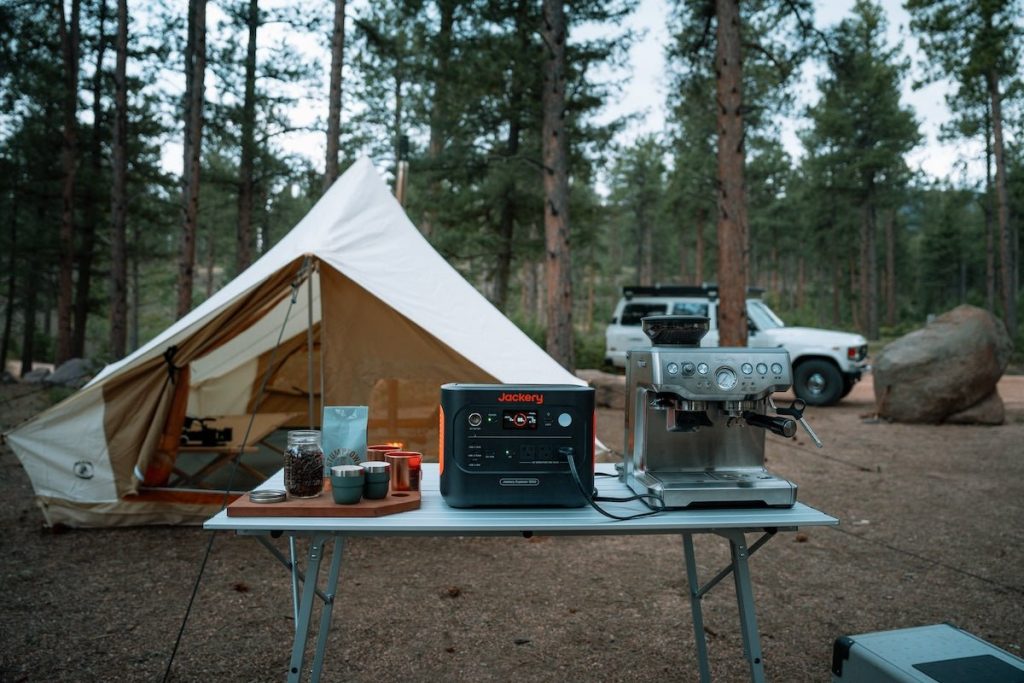
When the temperature drops and the cold air creeps in, your tent can quickly feel like a chilly trap. But what if you could make your tent warm and cozy, no matter how cold it gets outside?
Imagine stepping inside after a long day and feeling a comforting warmth wrap around you. You don’t have to be an expert or spend a fortune to make this happen. You’ll discover simple and effective ways to keep your tent warmer, so your outdoor adventures stay comfortable and enjoyable.
Ready to transform your camping nights? Let’s dive in.
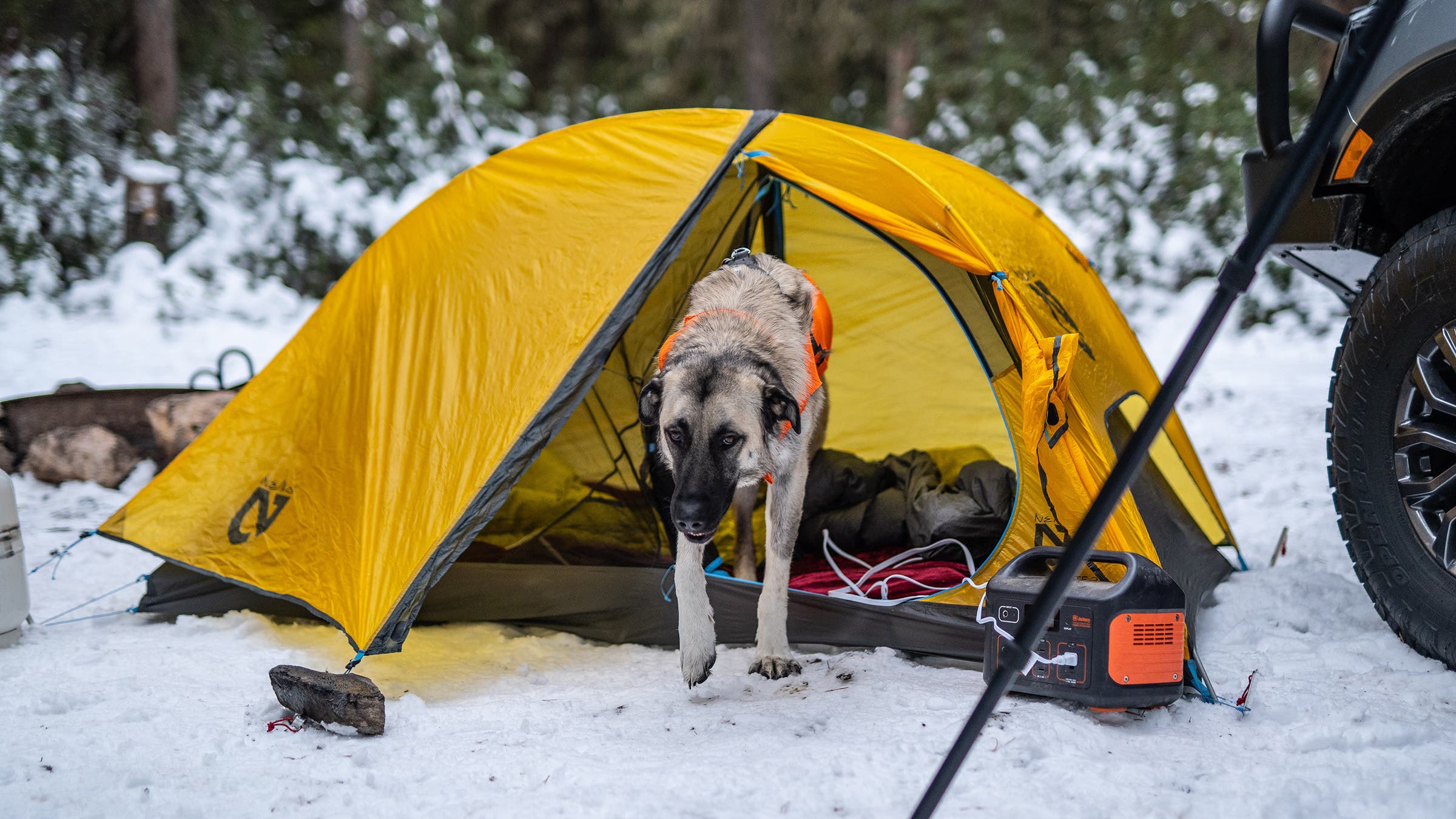
Credit: www.outsideonline.com
Choose The Right Tent
Your tent choice affects how warm you stay inside. Picking the right tent helps block cold air and keep heat in.
Different tents offer different levels of warmth. Think about the tent features before you buy or use one.
Opt For Four-season Tents
Four-season tents are made for cold and harsh weather. They have stronger fabrics and better insulation.
These tents block wind and snow well. They keep warm air trapped inside your tent.
Consider Tent Size And Shape
Smaller tents are easier to keep warm. Less space means your body heat warms the tent faster.
Shape matters too. Dome shapes block wind better than tall, boxy tents.
- Choose a tent size that fits your group without extra space.
- Look for low-profile shapes to reduce wind exposure.
- Check that the tent has good sealing to keep cold air out.
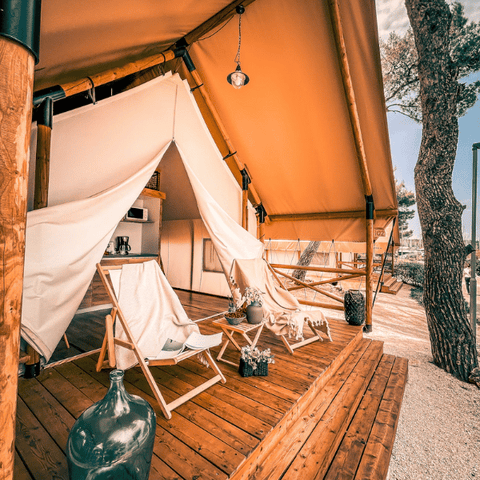
Credit: www.lifeintents.com
Insulate Your Tent
Camping in colder climates requires a warm tent. Insulating your tent can help you stay cozy and comfortable. Here are some ways to keep your tent warmer.
Use A Ground Tarp Or Footprint
A ground tarp or footprint creates a barrier between your tent and the cold ground. It helps to prevent heat loss from the bottom of your tent.
Choose a tarp that is slightly smaller than your tent base. This prevents water from pooling underneath.
- Place the tarp under your tent
- Ensure the tarp does not extend beyond the tent edges
- Use waterproof material for best results
Add A Tent Carpet Or Foam Pads
A tent carpet or foam pads add an extra layer of insulation. They help retain heat inside your tent.
Foam pads also provide cushioning, making your tent more comfortable.
- Lay the carpet or pads on the tent floor
- Use multiple layers for added warmth
- Choose materials that are easy to pack
Hang Reflective Blankets Inside
Reflective blankets can trap heat inside your tent. They reflect your body heat back towards you.
Use clips to hang them on the tent walls or ceiling. This setup is simple and effective.
- Attach blankets with clips or tape
- Ensure they cover large areas
- Check for drafts and adjust as needed
Improve Heat Retention
Keeping your tent warm can make your camping experience more comfortable. You can improve heat retention with simple steps. These steps help keep cold air out and warm air inside.
Use the right techniques to block drafts and keep heat from escaping. This will help you stay warm longer, even on cold nights.
Seal Tent Openings And Zippers
Openings and zippers let cold air into your tent. Seal them tightly to keep warmth inside. Use tape or fabric strips to cover gaps around zippers.
Make sure the tent flaps close fully. Check for small holes or tears and patch them. This stops cold drafts from coming in.
Use A Tent Heater Safely
Tent heaters can add warmth quickly. Use them with caution to avoid fires or carbon monoxide poisoning. Always follow the heater’s instructions carefully.
- Keep the heater away from tent walls and fabric
- Use heaters designed for indoor or tent use
- Ventilate the tent slightly to allow fresh air
- Never leave the heater unattended while on
Maximize Body Heat
Your body produces heat that can warm your tent. Use sleeping bags and blankets to trap your heat. Share tents with others to keep warm together.
- Wear warm clothing inside the tent
- Use insulated sleeping pads to block cold from the ground
- Close tent doors and flaps to keep body heat inside

Credit: www.reddit.com
Optimize Sleeping Gear
Keeping warm in your tent is important for a good night’s sleep. The right gear can help you stay cozy even in cold weather.
This guide explains how to choose and use your sleeping gear to keep warm inside your tent.
Choose Warm Sleeping Bags
Pick a sleeping bag rated for cold temperatures. Look for bags with good insulation and a snug hood to keep heat in.
Layer With Sleeping Pads And Blankets
Use sleeping pads to stop cold from the ground. Add blankets for extra warmth and comfort.
- Place a foam or inflatable sleeping pad under your sleeping bag.
- Add a wool or fleece blanket on top if it’s very cold.
- Layer pads and blankets for better insulation.
Wear Thermal Clothing
Wear thermal clothes inside your sleeping bag to keep heat close to your body. Choose moisture-wicking fabrics to stay dry.
| Clothing Type | Material | Benefit |
| Base Layer | Merino wool or synthetic | Keeps skin dry |
| Mid Layer | Fleece or wool | Retains heat |
| Socks | Wool or thermal blends | Keeps feet warm |
Camp Smart For Warmth
Keeping your tent warm is important for a good night’s rest. Simple steps can make your campsite cozy. Planning ahead helps you stay comfortable in cold weather.
Use natural features and smart setup to block wind and trap heat. This guide shows easy ways to keep your tent warmer outdoors.
Pick A Sheltered Campsite
Choose a campsite that is protected from strong winds. Look for spots near hills or valleys where wind is less strong. Avoid open fields or hilltops.
A sheltered site helps keep cold air away. It also makes your tent more stable in bad weather. Look for flat, dry ground to set your tent.
Set Up Near Natural Windbreaks
Natural windbreaks like trees, bushes, or rocks block cold wind from reaching your tent. Setting up near these helps keep warm air inside.
Place your tent on the leeward side of the windbreak. This side faces away from the wind. It reduces heat loss and protects your tent.
- Trees with thick branches work best
- Large rocks stop wind near the ground
- Bushes can block smaller gusts
- Avoid dead branches that may fall
Use Campfires Wisely
Campfires add warmth but need careful use. Build your fire where smoke blows away from your tent. Keep it a safe distance to avoid accidents.
Use rocks to create a fire ring. This keeps fire contained and helps reflect heat toward your tent. Always watch the fire and put it out before sleeping.
- Clear dry leaves and twigs around fire area
- Keep water or dirt nearby to extinguish fire
- Use firewood that burns slowly and steadily
- Do not leave fire unattended at any time
Frequently Asked Questions
How Can I Insulate My Tent Effectively?
Use foam pads or reflective blankets under your tent floor. This adds a warm barrier against cold ground. Also, hang thermal blankets inside the tent walls to retain heat.
What’s The Best Way To Trap Heat Inside A Tent?
Seal all tent openings tightly to prevent heat loss. Use a tent heater safely or warm water bottles. Layer your sleeping area with insulated sleeping bags and blankets.
Can A Tent Heater Be Used Safely Indoors?
Yes, but only use heaters designed for indoor tent use. Always ensure proper ventilation to avoid carbon monoxide buildup. Never leave heaters unattended while sleeping.
How Does Layering Improve Tent Warmth?
Layering traps body heat effectively inside your tent. Use multiple blankets, sleeping bags, and clothing layers. This creates a warm microclimate, making your tent cozy in cold weather.
Conclusion
Keeping your tent warm can make camping much more comfortable. Use blankets, sleeping bags, and ground pads to block cold. Close tent flaps tightly to keep heat inside. Small heaters or hot water bottles add extra warmth safely. Dress in layers to stay cozy at night.
Try these easy tips for a warmer, better camping trip. Stay warm, enjoy nature, and make great memories outdoors.