Are you tired of seeing leaves, dirt, and debris floating in your pool, turning your backyard paradise into a murky mess? You’re not alone, and the good news is, there’s a simple solution at your fingertips.
Learning how to manually vacuum your pool can transform it from a neglected eyesore into the sparkling oasis you’ve always dreamed of. Imagine the satisfaction of diving into crystal-clear water, knowing you’ve done it yourself. By understanding the steps to effectively vacuum your pool, you’ll not only save money on professional cleaning services but also take control of your pool’s cleanliness.
Dive into this guide to discover the secrets of a spotless pool, and soon enough, your backyard will be the envy of the neighborhood.
Choosing The Right Manual Vacuum
Choosing the right manual vacuum is crucial for keeping your pool clean and clear. The perfect vacuum saves time and effort. It also ensures effective dirt removal without damaging the pool surface. Understanding different vacuum types and their features helps you pick the best one for your needs.
Types Of Manual Pool Vacuums
Manual pool vacuums come in various designs. Each type serves a specific cleaning purpose.
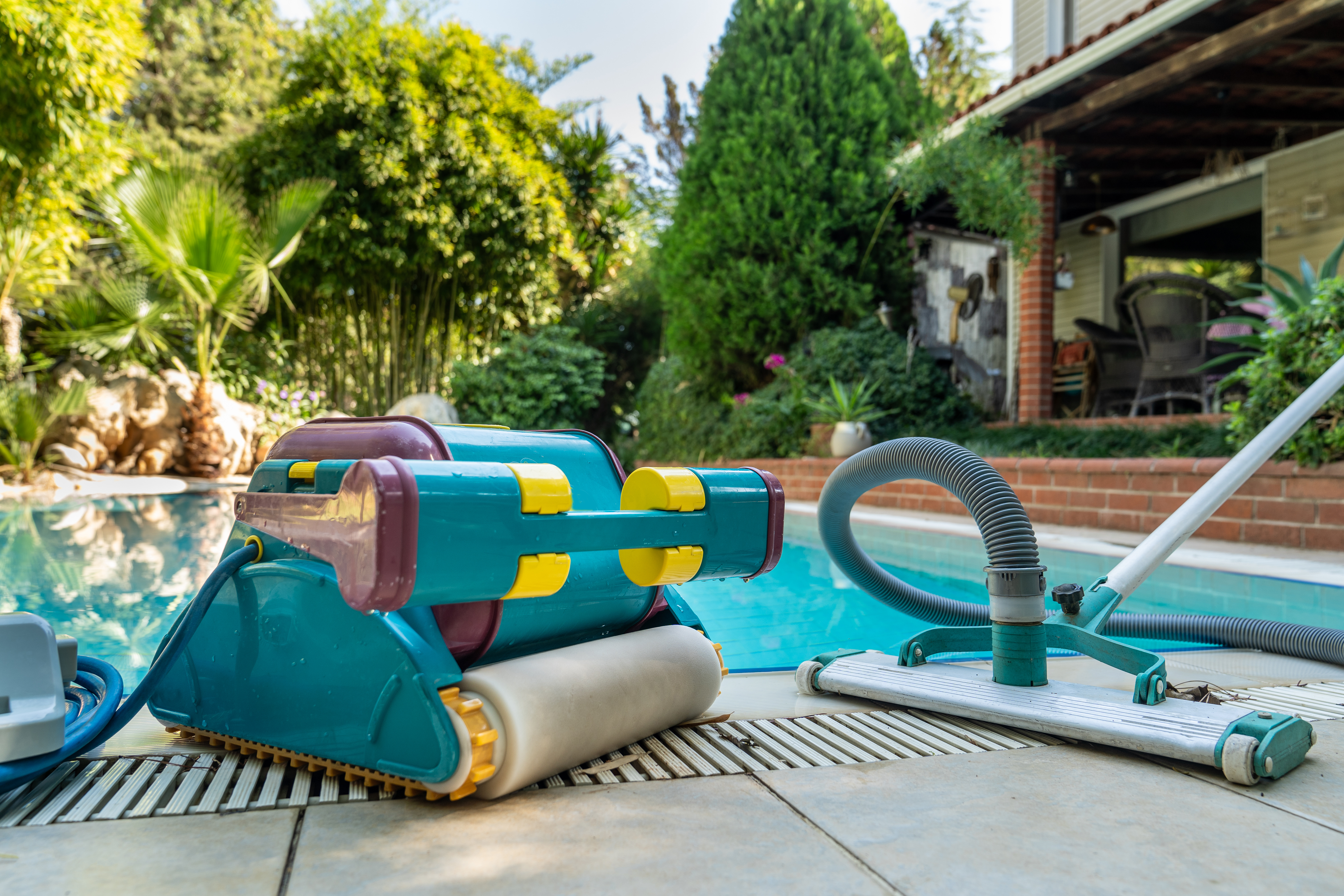
- Standard Vacuum Head:Basic and affordable. Works well for small debris and light dirt.
- Vacuum with Brush:Combines brushing and vacuuming. Ideal for scrubbing stubborn dirt.
- Leaf Vacuum:Designed for picking up large leaves and debris. Great for pools surrounded by trees.
- Telescopic Pole Vacuum:Adjustable length pole for reaching all pool areas. Helps clean deep or wide pools easily.
Essential Features To Look For
Select a vacuum that fits your pool size and type. Consider these key features:
- Durable Materials:Look for sturdy plastic or metal parts. They last longer and resist wear.
- Easy Assembly:Choose vacuums with simple setup steps. Saves time and avoids frustration.
- Compatibility:Ensure the vacuum fits your pool hose and filtration system.
- Lightweight Design:Makes cleaning less tiring. Easier to maneuver around the pool.
- Wide Cleaning Path:Covers more area with each pass. Reduces cleaning time.
Credit: www.poolsupplies.com
Preparing Your Pool For Vacuuming
Preparing your pool for vacuuming is essential for effective cleaning. Proper preparation ensures the vacuum works smoothly and picks up dirt efficiently. It saves time and protects your pool equipment from damage.
Removing Debris And Large Objects
Start by removing leaves, sticks, and toys from the pool surface. Use a leaf net or skimmer to clear floating debris. Large objects can clog the vacuum hose or damage the pump. Clearing these first makes vacuuming easier and faster.
Balancing Pool Chemicals
Check the pool’s chemical levels before vacuuming. Proper pH and chlorine levels help prevent algae and bacteria growth. Use test strips or kits to measure chemicals. Adjust the levels to recommended ranges for clean and safe water. Balanced water improves vacuuming results and protects your pool liner.
Assembling The Vacuum Equipment
Assembling your manual vacuum equipment correctly is crucial for efficient pool cleaning. Each part needs to fit securely to avoid leaks and maintain suction power. Taking the time to set up the equipment right will save you frustration and improve your pool’s cleanliness.
Connecting The Vacuum Head And Pole
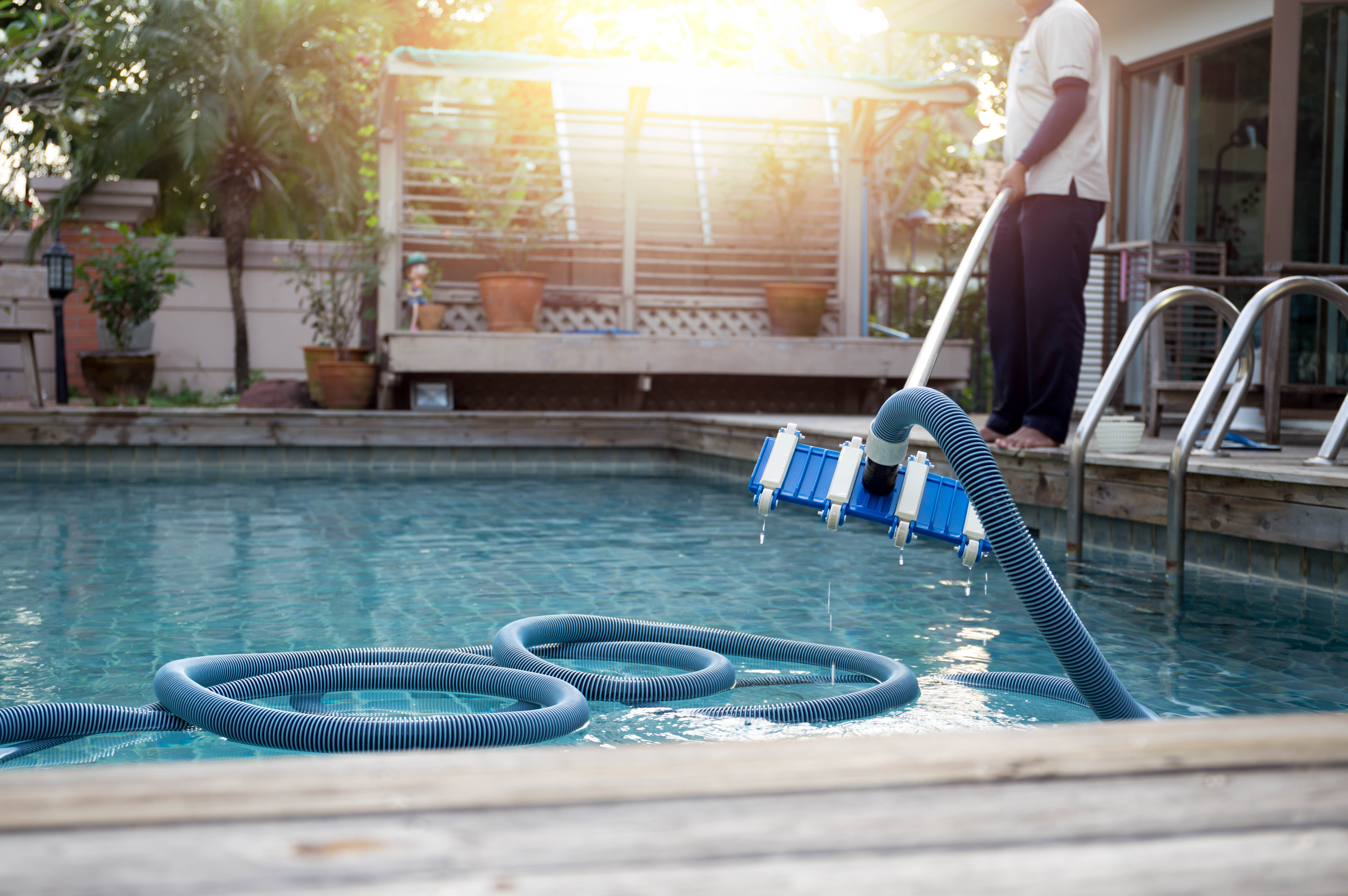
Start by attaching the vacuum head to the telescoping pole. The connection should be firm but allow some rotation for easy maneuvering underwater. If your pole has a locking mechanism, make sure it clicks into place to prevent slipping while you clean.
Check the vacuum head for any broken or missing parts before connecting. A damaged head can reduce suction and make cleaning less effective. Have you noticed any cracks or bent brushes on your vacuum head? Replacing or repairing these can improve your results significantly.
Attaching The Hose Properly
Next, connect one end of the vacuum hose to the vacuum head’s hose adapter. Push the hose firmly onto the fitting to ensure a tight seal. A loose hose connection is a common cause of suction loss, so double-check this step carefully.
Submerge the hose in the pool to fill it with water before attaching the other end to the skimmer or vacuum plate. This step removes air pockets that can break suction. Have you ever struggled with a hose full of air bubbles? Filling it with water first will make a noticeable difference.
- Make sure the hose lies flat on the pool floor without kinks.
- Check that the hose is long enough to reach all parts of the pool.
- Secure the hose connection at the skimmer to prevent it from pulling loose during cleaning.
Proper assembly sets the stage for smooth vacuuming. How much time do you spend fixing leaks or adjusting equipment mid-cleaning? Assembling your vacuum gear with care can cut that time down drastically.

Credit: www.youtube.com
Setting Up The Vacuum System
Setting up your manual vacuum system correctly is key to an efficient and hassle-free pool cleaning session. The process involves more than just connecting the hose and vacuum head. You need to prepare the equipment carefully to avoid airlocks and ensure smooth water flow.
Priming The Hose
Priming the hose means filling it with water before attaching it to your pool’s skimmer or suction port. This step prevents air pockets that can stop the vacuum from working properly.
Start by submerging the vacuum head and hose completely in the pool. Hold one end of the hose underwater and let the water push out all the air. You’ll see bubbles escaping—keep holding it until no more bubbles come out.
Once the hose is full of water, quickly connect it to the skimmer or suction port without letting air in. Have you ever tried vacuuming only to find the hose sucking in air? Priming solves this common problem and saves you time.
Choosing The Right Filter Setting
Your pool filter system usually has multiple settings—filter, backwash, rinse, waste, and recirculate. For manual vacuuming, you need to set it to the correct mode to avoid damaging your filter and to dispose of debris effectively.
- Filter:This setting sends water through the filter before returning it to the pool. It’s good for regular circulation but can clog your filter quickly during vacuuming.
- Waste:Water bypasses the filter and goes directly out of the pool system. Use this when the pool has a lot of debris or if you don’t want to strain the filter.
Choosing “Waste” can save you from frequent filter cleanings, but it also lowers your pool water level, so watch it closely. Have you ever noticed your filter pressure rising fast during cleaning? That’s a sign to switch to waste mode.
Vacuuming Techniques For Best Results
Vacuuming a pool manually requires technique for thorough cleaning. Proper movements help remove dirt and debris efficiently. Using the right approach improves water clarity and pool hygiene. Focus on careful, controlled actions for best outcomes.
Slow And Steady Movements
Move the vacuum head slowly across the pool floor. Rapid motions can stir up dirt, making cleaning harder. Keep steady, even pressure to capture debris effectively. Avoid rushing to ensure the vacuum picks up all particles.
Slow movements prevent dirt from escaping into the water. It also helps the vacuum maintain suction. Glide the vacuum head gently over the surface for consistent cleaning. Patience during vacuuming leads to a cleaner pool.
Covering All Pool Surfaces
Clean every part of the pool, including walls and corners. Dirt often hides in edges and steps. Use overlapping strokes to ensure no area is missed. Pay attention to spots where debris collects most.
Work methodically to cover the entire pool surface. This prevents buildup and keeps water clear longer. Don’t forget to vacuum under ladders and around drains. Covering all surfaces keeps your pool healthy and inviting.
Credit: www.poolsupplies.com
Maintaining Your Vacuum Equipment
Maintaining your manual vacuum equipment is key to keeping your pool clean and extending the tool’s life. Proper care prevents damage and ensures the vacuum works efficiently every time you use it. A little attention after each cleaning session goes a long way.
Cleaning After Use
Rinse the vacuum head and hose with clean water to remove dirt and chemicals. Check for debris stuck in brushes or filters and remove it carefully. Wipe down the handle and other parts with a soft cloth. Let all parts dry completely before storing to avoid mold and rust.
Storage Tips
Store the vacuum equipment in a cool, dry place away from direct sunlight. Coil hoses loosely to prevent cracks and kinks. Keep smaller parts in a container to avoid losing them. Avoid placing heavy objects on top of the vacuum or hose to keep them from bending or breaking.
Troubleshooting Common Issues
Troubleshooting common issues while manually vacuuming your pool can save time and effort. Identifying problems early helps keep the cleaning process smooth. Problems like loss of suction or hose issues are typical but fixable. Understanding these issues ensures your pool stays clean and clear.
Loss Of Suction
Loss of suction is a frequent problem during manual pool vacuuming. It reduces cleaning efficiency and may frustrate you. Start by checking the vacuum head for blockages. Debris can clog the vacuum or skimmer basket, stopping water flow. Clear out any leaves, dirt, or objects.
Inspect the pump’s strainer basket next. A full basket restricts water movement and causes suction loss. Also, check the pool filter. A dirty or clogged filter lowers suction power. Clean or backwash the filter as needed.
Air leaks in the suction line can also reduce suction. Look for bubbles in the vacuum hose or pump basket. Tighten connections and replace worn seals to fix leaks.
Hose Kinks And Leaks
Hose kinks block water flow and reduce vacuum performance. Lay the hose straight before use and avoid sharp bends. A long hose should float freely on the water surface.
Leaks in the hose cause suction loss. Inspect the hose carefully for cracks or holes. Small leaks can be repaired with waterproof tape. Replace severely damaged hoses to maintain strong suction.
Store hoses properly after use to avoid damage. Coil them loosely and keep out of direct sunlight to extend hose life.
Frequently Asked Questions
How Do I Manual Vacuum A Pool Effectively?
To manual vacuum a pool, attach the vacuum head to the telescopic pole. Connect the hose to the vacuum plate. Submerge the vacuum head and hose, removing air. Slowly move the vacuum over the pool floor to collect debris.
What Equipment Is Needed For Manual Pool Vacuuming?
You need a vacuum head, telescopic pole, vacuum hose, and skimmer or vacuum plate. These tools work together to clean the pool floor manually by suction.
How Often Should I Manual Vacuum My Pool?
Manual vacuuming is best once a week during heavy use or biweekly otherwise. Frequent vacuuming prevents dirt buildup and keeps the pool water clear and healthy.
Can Manual Vacuuming Replace Automatic Pool Cleaners?
Manual vacuuming complements but doesn’t fully replace automatic cleaners. It helps target specific dirty spots and works well when automatic systems miss debris.
Conclusion
Manual vacuuming keeps your pool clean and inviting. It removes dirt and debris effectively. Regular cleaning helps maintain clear, healthy water. Using the right tools makes the job easier. Take your time and cover all pool areas. Clean pools stay safe and look great.
Keep your pool ready for fun anytime. Simple steps lead to better pool care. Try manual vacuuming for a fresh swimming spot. You will enjoy a sparkling pool all season.