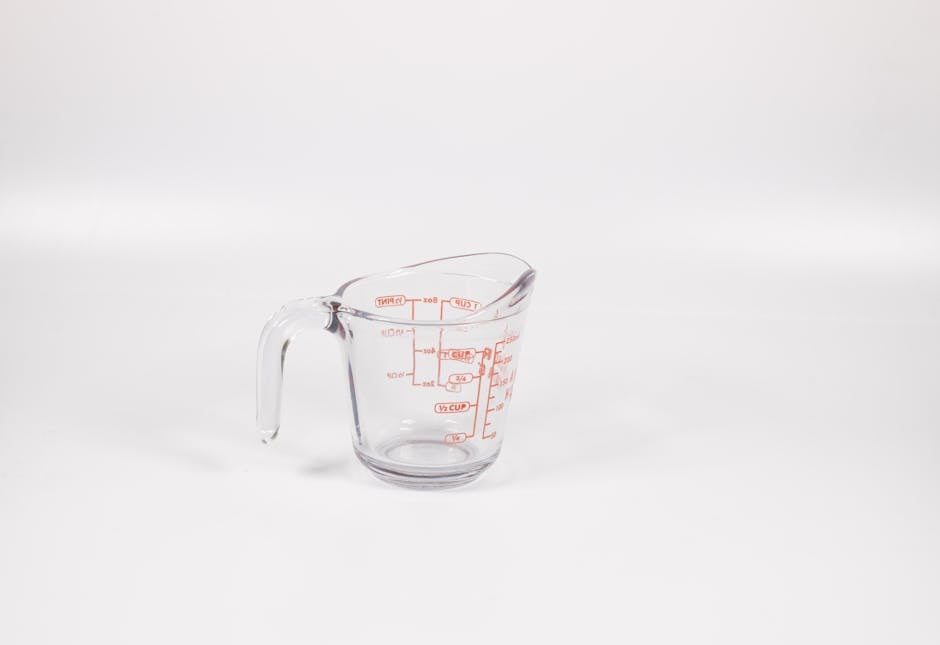
Have you ever started a recipe only to realize you don’t have the right measuring cup? It can be frustrating when a recipe calls for 1 1/2 cups, and you’re left guessing.
But don’t worry—measuring ingredients accurately is easier than you think, even without a measuring cup. You’ll discover simple, clever ways to measure 1 1/2 cups using items you already have at home. By the end, you’ll be confident in your cooking and baking, no measuring cup needed.
Keep reading to unlock these handy tips that will save your recipe and your time!
Credit: kirbiecravings.com
Common Kitchen Tools For Measuring
Measuring ingredients correctly is key in cooking and baking. Sometimes you may not have a 1 1/2 cup measuring cup. You can use other kitchen tools to measure accurately.
This guide shows how to measure 1 1/2 cups using common kitchen items. These tools are often easy to find at home.
Using Spoons As Alternatives
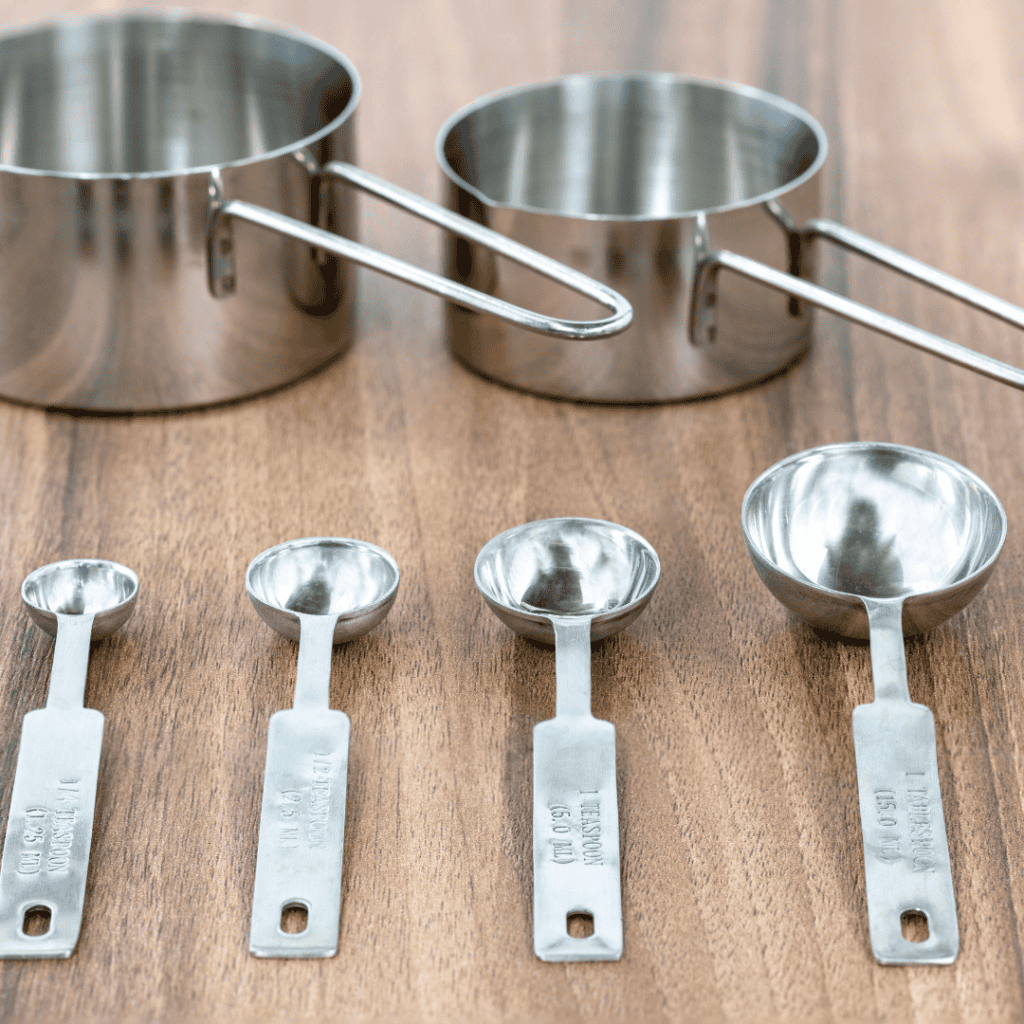
Spoons can work well if you don’t have a measuring cup. A tablespoon holds about 1/16 cup. You can add up tablespoons to reach 1 1/2 cups.
- 1 cup equals 16 tablespoons
- 1 1/2 cups equals 24 tablespoons
- Use a tablespoon to scoop and level ingredients
Measure dry or wet ingredients with spoons carefully. Level off each spoon to avoid extra amounts.
Measuring With A Liquid Measuring Cup
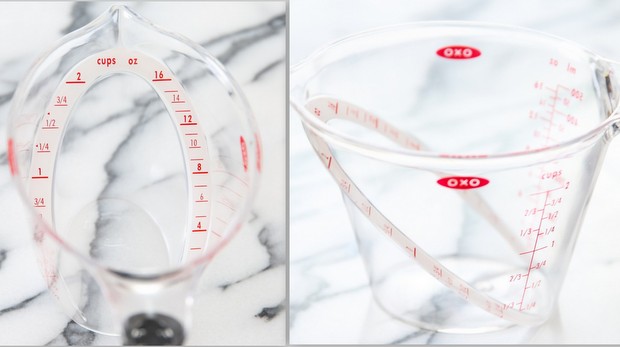
Liquid measuring cups often have clear markings for cups and milliliters. Use these cups to measure 1 1/2 cups of liquids.
Fill the cup to the 1 cup mark, then add half a cup more. Check the level at eye height for accuracy.
- Look for marks labeled 1 cup and 1/2 cup
- Pour slowly to avoid spilling
- Use on a flat surface for best results
Utilizing A Kitchen Scale
A kitchen scale can measure ingredients by weight. This method works for both dry and liquid items.
Find the weight equivalent of 1 1/2 cups for your ingredient. Place a bowl on the scale, zero it, then add the ingredient until you reach the weight.
| Ingredient | Weight for 1 1/2 Cups |
|---|---|
| All-purpose flour | 180 grams (6.3 oz) |
| Sugar | 300 grams (10.6 oz) |
| Water | 360 grams (12.7 oz) |
Credit: kirbiecravings.com
Visual Estimation Techniques
Measuring 1 1/2 cups without a measuring cup is easy with visual tricks. You can use everyday items to estimate the amount.
These simple ways help you cook or bake even without special tools. Let’s look at some ways to guess 1 1/2 cups.
Comparing To Familiar Objects
Use objects you see daily to guess 1 1/2 cups of something. This helps you picture the right amount.
For example, a standard baseball holds about 1 cup. So, one and a half baseballs show 1 1/2 cups.
- A baseball = about 1 cup
- One and a half baseballs = 1 1/2 cups
- A large coffee mug usually holds close to 1 cup
- Fill the mug and add half again for 1 1/2 cups
Using Hand Measurements
Your hands can help you estimate 1 1/2 cups. They are easy to use and always with you.
A cupped hand holds about 1/2 cup of dry ingredients. Use this to count up to 1 1/2 cups.
- One cupped hand = 1/2 cup
- Three cupped hands = 1 1/2 cups
- Flat palm equals about 1/4 cup for liquids
Estimating With Standard Containers
Use common containers like jars or glasses to guess 1 1/2 cups. Know their sizes to help measure.
A regular drinking glass often holds about 1 cup. Fill it and add half a glass for 1 1/2 cups.
- Standard glass = roughly 1 cup
- Half a glass more equals 1 1/2 cups
- Tablespoons and teaspoons can help if you know their volume
Diy Measuring Methods
Sometimes you need 1 1/2 cups but don’t have a measuring cup. You can still measure with items around your home. These easy tricks help you get the right amount.
Using simple tools like a glass, parchment paper, or ice cube trays can give you a close measurement. Let’s explore how to do this step by step.
Marking A Glass Or Jar
Find a clear glass or jar with straight sides. Use a marker or tape to mark the levels for 1 cup and 1/2 cup.
Fill the glass with water to the 1 cup mark. Then add half as much more water to reach 1 1/2 cups. This works well for liquids and some dry ingredients.
- Use a ruler to measure the height of 1 cup of water
- Mark the glass at that height
- Mark the next half cup by measuring half that height
- Fill to both marks to get 1 1/2 cups
Folding Parchment Paper For Portioning
Use parchment paper to create a measuring pouch. Fold the paper into a shape that holds 1 cup, then add half as much more for 1 1/2 cups.
This works well for flour, sugar, or other dry ingredients. You can adjust the size by folding the paper more or less.
- Cut a strip of parchment paper about 12 inches long
- Fold it into a pouch about the size of 1 cup of flour
- Fill it and mark the fold
- Add half the amount more by folding smaller sections
- Use the pouch to scoop 1 1/2 cups
Using Ice Cube Trays
Ice cube trays can help measure small amounts. Find the volume of one cube, then add enough cubes to make 1 1/2 cups.
This method works well for liquids like broth or milk. Count the cubes to get your desired amount quickly.
- Fill one ice cube with water
- Measure the volume with a spoon or small container
- Calculate how many cubes equal 1 1/2 cups
- Fill the tray with that many cubes
- Use the cubes by melting or adding directly
Adjusting Recipes Without Exact Measures
Sometimes you don’t have a measuring cup ready. You still want to cook or bake. You can adjust recipes without exact measures. This helps you keep cooking smoothly.
Learning simple tricks helps you get close to the right amount. You can use common kitchen items or your senses to estimate ingredients.
Scaling Ingredients Proportionally
When you change the amount of one ingredient, change others too. Keep the balance to keep the taste right.
- Estimate the amount you have, like using a cup or spoon.
- Think about the original recipe amount.
- Calculate the ratio of what you have to what you need.
- Multiply other ingredients by this ratio.
- Adjust spices last, as they can be strong.
Tasting And Adjusting As You Go
Taste your food during cooking. This helps you add more or less salt, sugar, or spices. It keeps your dish balanced and tasty.
| Action | What to Check |
| Taste before cooking ends | Salt, sweetness, sourness |
| Add small amounts | Spices and herbs |
| Wait after adding | Let flavors mix well |
| Taste again | Check if more is needed |
Tips To Avoid Measuring Errors
Measuring ingredients without a cup can be tricky. Small mistakes affect your recipe’s outcome.
Using simple tips helps you get closer to the right amount. This keeps your cooking consistent.
Consistency In Ingredient Packing
How you pack ingredients changes the amount you get. Some ingredients settle more than others.
Keep the packing style the same every time to avoid errors. Lightly spoon or scoop ingredients for best results.
- Do not shake the container before measuring
- Use a spoon to add flour instead of scooping directly
- Avoid pressing ingredients down unless the recipe says so
Leveling Off Ingredients
Leveling off means making the ingredient flat on top. This gives a more accurate measure.
Use a straight edge like a knife to scrape off extra ingredients. This stops you from adding too much.
- Fill your container slightly over the needed amount
- Use a flat tool to remove the excess gently
- Check that the surface is even and smooth
Double-checking Measurements
Always check your measurements twice. This helps catch mistakes before cooking.
If you are unsure, compare with a different measuring tool or estimate by weight if possible.
- Measure ingredients slowly and carefully
- Use a kitchen scale for more accuracy if available
- Re-measure if the amount looks off
Credit: www.recipesandplaces.com
Frequently Asked Questions
How Can I Measure 1 1/2 Cups Without Tools?
To measure 1 1/2 cups without tools, use everyday objects. Fill a standard coffee mug halfway. A mug typically holds about 1 cup. Alternatively, use a water bottle cap, which holds roughly 1 tablespoon. By using 24 caps, you can achieve the desired measurement.
What Household Items Can Substitute Measuring Cups?
Household items like mugs, spoons, and bowls can substitute measuring cups. A standard coffee mug often holds around 1 cup. Use it as a guide. Spoons can also help; three teaspoons equal one tablespoon. By using these common items, you can accurately measure ingredients.
Is It Possible To Measure Liquids Precisely?
Yes, you can measure liquids precisely with household items. Use a clear glass to estimate volume. Mark the desired level with tape. For smaller amounts, use a tablespoon. Each tablespoon equals about 15 milliliters. Practice and consistency will improve your accuracy over time.
Can I Use My Hand For Measuring?
Yes, you can use your hand for approximate measurements. For example, a cupped hand can hold about half a cup. However, this method is less precise and best for cooking, not baking. Practice with familiar ingredients to refine your estimation skills.
Conclusion
Measuring 1 1/2 cups without a cup is easy with simple tools. Use spoons or common kitchen items to get close amounts. Practice helps you guess amounts better each time. Cooking becomes fun and less stressful without exact tools. Try these tips next time you cook or bake.
You can still make tasty meals without special measuring cups. Keep experimenting and enjoy your kitchen time!