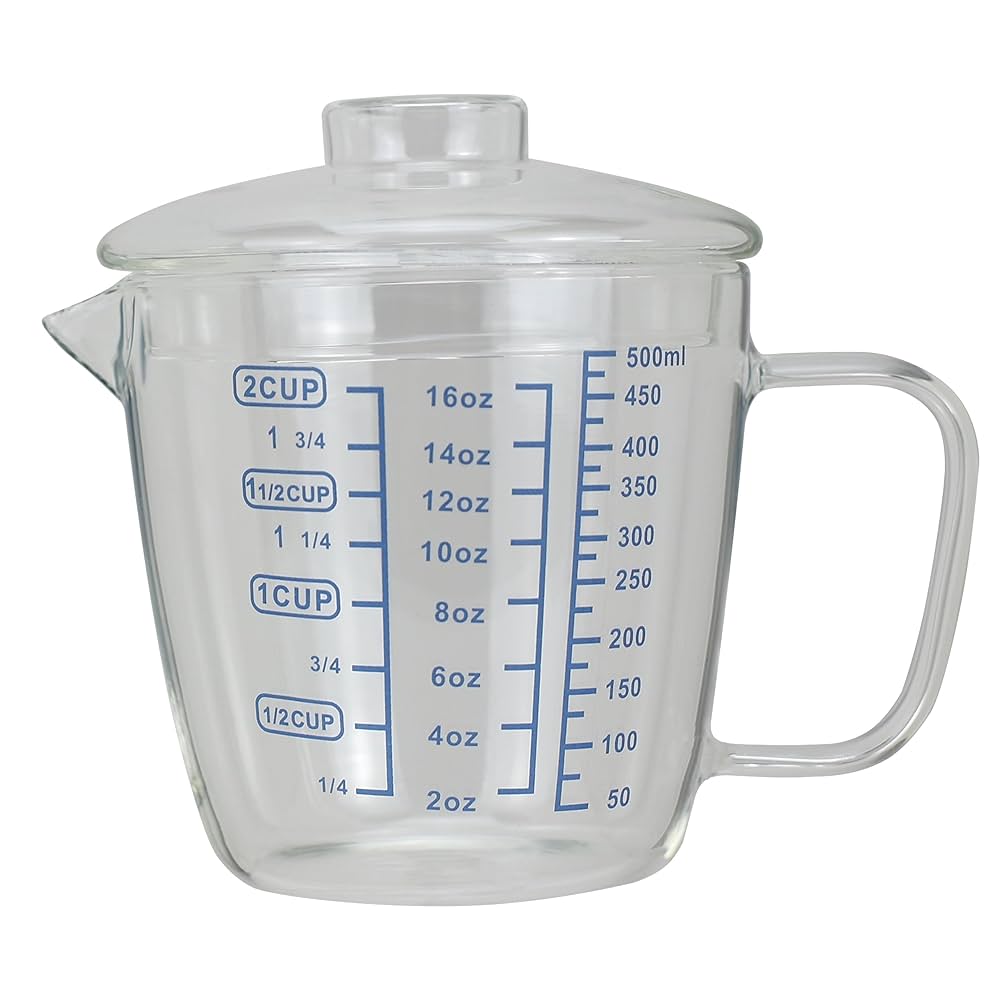
Have you ever found yourself in the middle of cooking or baking, only to realize you don’t have the right measuring cup on hand? Measuring 1 1/4 cups might seem tricky without the proper tool, but don’t worry—you can still get it right.
You’ll discover simple and clever ways to measure 1 1/4 cups using items you already have in your kitchen. Keep reading, and you’ll never have to stress about missing measuring cups again!

Credit: rhondasues.com
Common Kitchen Tools As Alternatives
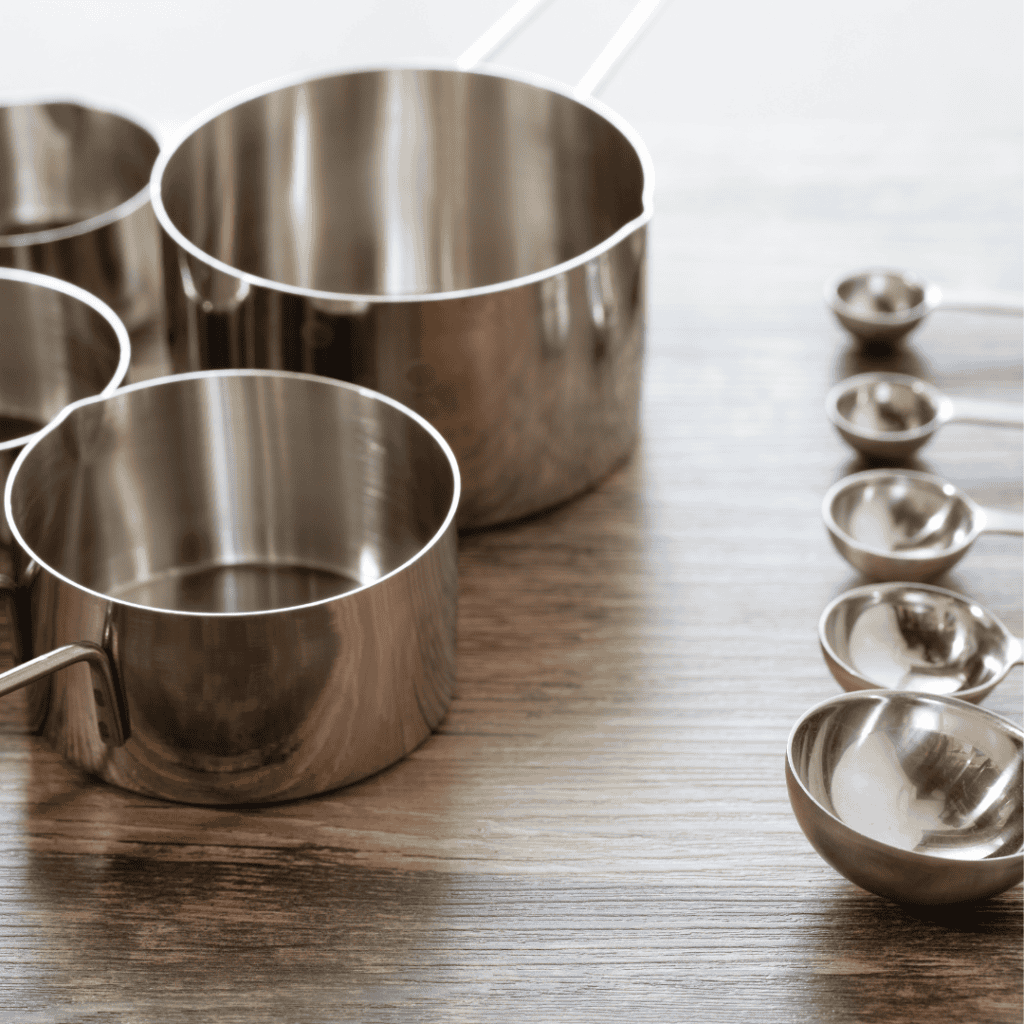
Measuring 1 1/4 cups without a measuring cup is easy with common kitchen tools. You can use items you already have at home. These tools help you get close to the right amount.
Using simple kitchen items saves time and avoids extra washing. Here are some ways to measure 1 1/4 cups without a measuring cup.
Using Tablespoons And Teaspoons
Tablespoons and teaspoons are good for small measurements. One cup equals 16 tablespoons. To get 1 1/4 cups, use 20 tablespoons.
- 1 cup = 16 tablespoons
- 1/4 cup = 4 tablespoons
- 1 1/4 cups = 20 tablespoons
You can also use teaspoons. One tablespoon equals 3 teaspoons. So, 1 1/4 cups equals 60 teaspoons.
- 1 tablespoon = 3 teaspoons
- 20 tablespoons x 3 = 60 teaspoons
Estimating With Standard Glasses
Standard glasses often hold about 8 ounces or 1 cup of liquid. To measure 1 1/4 cups, fill the glass once and add a quarter more.
You can mark the glass with tape or a marker to know where 1/4 cup is. This helps you pour the right amount without guessing.
- Fill glass to the top for 1 cup
- Fill about one quarter of the glass more for 1/4 cup
- Use a marker or tape for exact measurement
Measuring With Food Containers
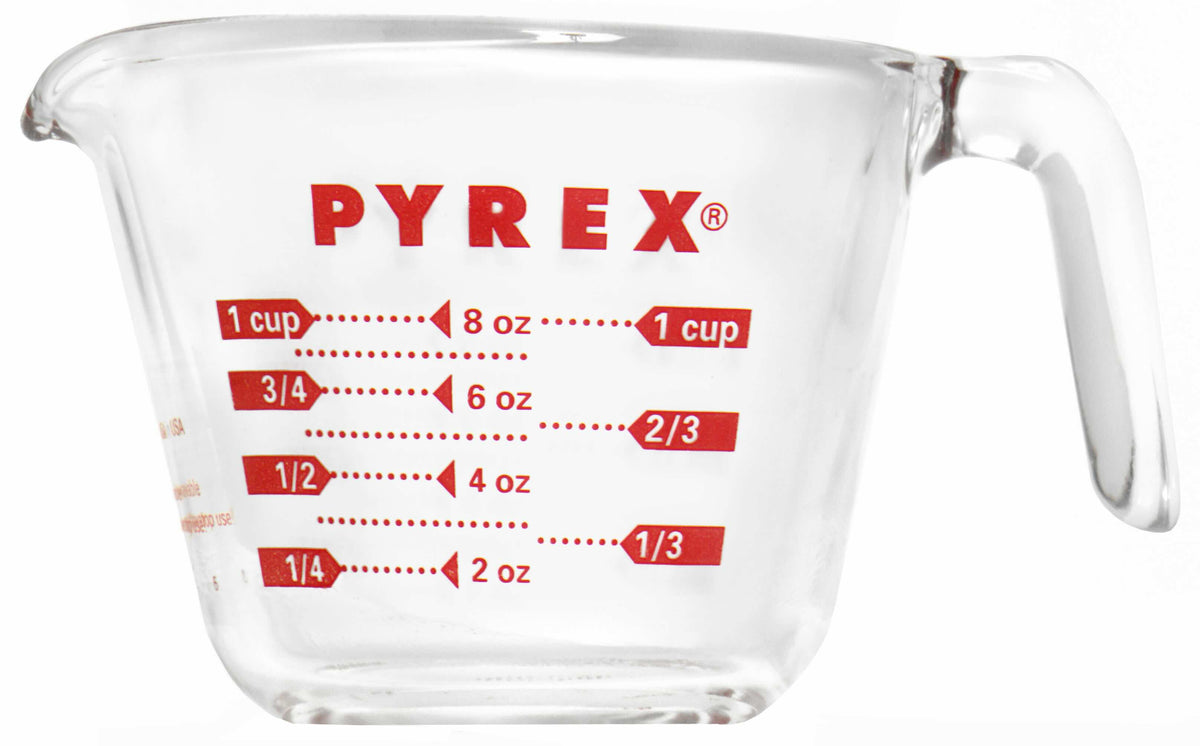
Many food containers have volume marks on the side. These marks help you measure liquids or dry ingredients without special tools.
Check your container for milliliter or cup markings. 1 1/4 cups equal about 300 milliliters, so fill to that mark if it’s available.
| Volume | Milliliters (ml) |
|---|---|
| 1 cup | 240 ml |
| 1/4 cup | 60 ml |
| 1 1/4 cups | 300 ml |
Credit: www.recipesandplaces.com
Visual Portion Estimation Tricks
Measuring 1 1/4 cups without a measuring cup can be easy. You can use common objects or your hands to estimate the amount. This helps when you don’t have the right tools nearby.
Visual tricks help you guess the right volume. This way, your cooking or baking stays on track even without precise tools.
Comparing To Common Objects
Use everyday items to help picture 1 1/4 cups. Many objects have sizes close to this measurement.
- 1 cup is about the size of a baseball.
- 1/4 cup equals about 4 tablespoons or a golf ball size.
- So, 1 1/4 cups is like a baseball plus a golf ball.
Look around your kitchen or home for similar objects. This gives you a quick size reference.
Using Hand Measurements
Your hand can help estimate 1 1/4 cups. Use simple hand shapes to guess volume.
- A cupped hand holds about 1/2 cup of dry ingredients.
- Two cupped hands together roughly equal 1 cup.
- Add a small pinch or half a cupped hand for the extra 1/4 cup.
This method works well for dry ingredients like flour or sugar. It is less exact for liquids.
Estimating Volume By Eye
Look at your bowl or container to guess how full it should be. Visualize the total volume needed.
- Fill your container to a known level, like 1 cup.
- Then add about one quarter more by eye.
- Practice by comparing your estimates with real measuring cups later.
With time, your eye will get better at guessing 1 1/4 cups accurately.
Diy Measuring Techniques
Measuring ingredients without a measuring cup is easy with some simple tricks. You can use everyday items to get the right amount. These tips help you measure 1 1/4 cups accurately.
Try these methods to measure ingredients when you don’t have the right tools. They work well for cooking and baking.
Marking A Jar Or Bottle
Use a clean jar or bottle to mark the 1 1/4 cup level. Fill the jar with water using a known measure like a tablespoon. Mark the water line with a permanent marker or tape.
After marking, use the jar to measure dry or liquid ingredients. This method is simple and re-usable for future use.
- Find a jar or bottle with straight sides
- Fill it with water using tablespoons (1 cup = 16 tablespoons)
- Mark the water line for 1 1/4 cups (20 tablespoons)
- Use the mark to fill your ingredient
Using A Scale For Accuracy
A kitchen scale can measure 1 1/4 cups by weight. Check the ingredient’s weight per cup and multiply by 1.25. This gives you the exact weight to use.
Place a bowl on the scale and set it to zero. Add the ingredient until you reach the correct weight. This method is very precise.
- Find the weight of 1 cup for your ingredient
- Multiply the weight by 1.25 for 1 1/4 cups
- Put a bowl on the scale and zero it
- Add ingredient until the scale shows the right weight
Water Displacement Method
Fill a measuring container with water to a known level. Add your ingredient slowly. The water level will rise. Measure how much the water moved to find 1 1/4 cups.
This method works well with small solids like rice or beans. It shows the volume of the ingredient by how much water it displaces.
- Fill a container with water to a set line (e.g., 1 cup)
- Slowly add the ingredient until water rises to 1 1/4 cups
- Measure the water level before and after
- The difference equals 1 1/4 cups of ingredient
Adjusting Recipes Without Exact Measures
Sometimes you don’t have the exact measuring cup for a recipe. You can still cook by adjusting ingredients carefully. This helps you use what you have and keep the taste right.
Knowing how to measure and adjust ingredients without exact tools is useful. You learn to trust your senses and keep your recipe balanced.
Scaling Ingredients Proportionally
When you change one ingredient’s amount, change others to keep the balance. This stops the recipe from becoming too salty or too dry.
For example, if you use half the amount of flour, use half the sugar and liquids too. Keep the same ratio to keep flavors right.
- Use common items like tablespoons or cups to estimate.
- Remember 1 cup = 16 tablespoons.
- Adjust all ingredients by the same fraction.
Testing And Tasting As You Go
Taste your food while cooking to check if it needs more salt, sugar, or spices. This helps fix problems early.
Small tests can save your dish. Add a little, taste, then add more if needed. This keeps flavors balanced without exact measures.
- Taste sauces and soups often.
- Add spices slowly.
- Adjust sweetness or salt in small steps.
Substituting Ingredients When Needed
You can replace some ingredients if you don’t have the exact ones. Use similar items that match the texture or flavor.
For example, use yogurt instead of sour cream or water mixed with butter instead of milk. Know how each change affects the recipe.
- Use applesauce for oil in baking.
- Try honey instead of sugar but use less.
- Replace buttermilk with milk and lemon juice.
Credit: pyrexhome.com
Frequently Asked Questions
How Can I Measure 1 1/4 Cups Without Tools?
To measure 1 1/4 cups without tools, use household items. A standard coffee mug is approximately 1 cup. Fill it fully, then add a quarter of its volume. Alternatively, use a tablespoon; 1 cup equals 16 tablespoons. So, measure 20 tablespoons for 1 1/4 cups.
What Household Items Can Substitute Measuring Cups?
Household items like coffee mugs, drinking glasses, and tablespoons can substitute measuring cups. A standard coffee mug is about 1 cup. Use tablespoons for smaller quantities; 16 tablespoons equal 1 cup. These everyday items provide approximate measurements when precise tools aren’t available.
How Do I Measure 1/4 Cup With A Spoon?
To measure 1/4 cup with a spoon, use tablespoons. A quarter cup equals 4 tablespoons. Fill a tablespoon four times to achieve 1/4 cup. This method is simple and effective when measuring cups aren’t available, ensuring you get the right amount.
Can I Use A Coffee Mug To Measure Cups?
Yes, a coffee mug can measure cups. Typically, a standard coffee mug holds about 1 cup. Fill it fully for 1 cup. For 1 1/4 cups, fill it once, then fill it a quarter way again. This method is practical for approximating measurements.
Conclusion
Measuring 1 1/4 cups without a cup is simple and quick. Use common kitchen tools like spoons or a jar with marks. Remember, small errors won’t ruin your recipe. Practice helps you get better at guessing amounts. Cooking should feel easy and fun, not stressful.
Try these tips next time you lack a measuring cup. You will save time and still cook tasty meals. Keep experimenting and enjoy your kitchen adventures.