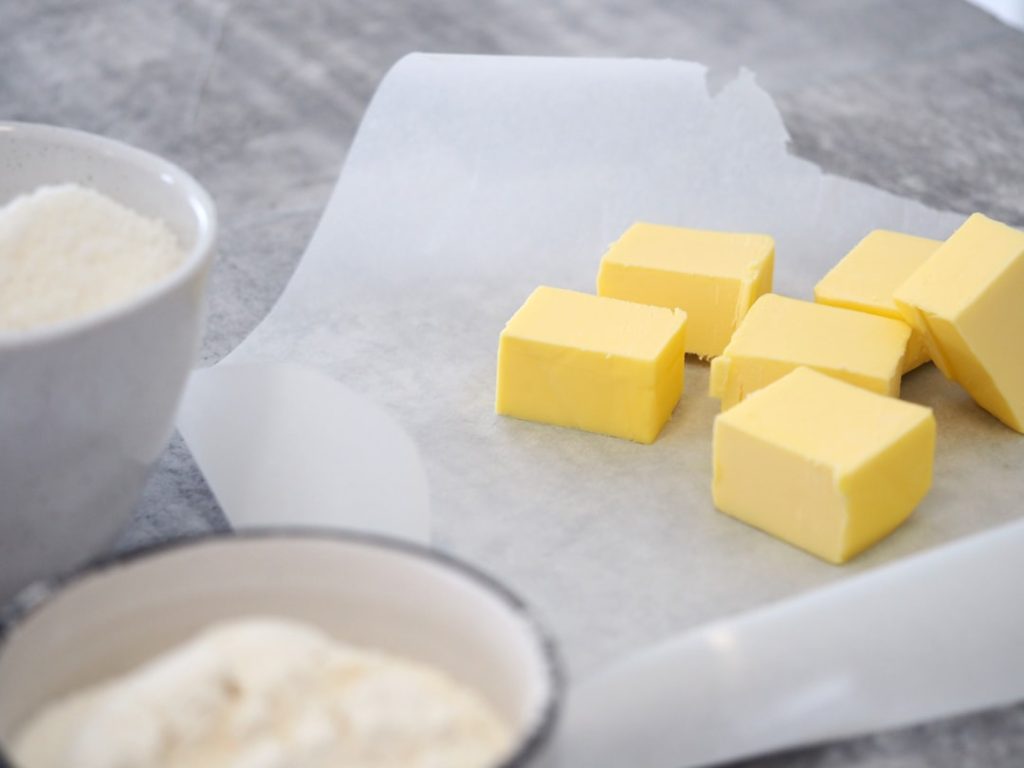
Measuring butter correctly can make or break your recipe, especially when it calls for 1/2 cup. If you’ve ever struggled with getting the right amount, you’re not alone.
Too much butter can make your dish greasy, while too little might leave it dry. But don’t worry—this guide will show you simple, foolproof ways to measure 1/2 cup of butter every time. Keep reading to learn the easiest tricks that will save your cooking and baking from any butter blunders.
Choosing The Right Butter
Butter is a key ingredient in many recipes. Using the right kind makes a big difference in taste and texture.
Knowing the types of butter helps you measure and cook more accurately.
Salted Vs Unsalted Butter
Salted butter contains added salt. It lasts longer and adds flavor. Unsalted butter has no salt. It is pure and fresh.
- Salted butter is good for spreading and cooking.
- Unsalted butter is best for baking to control salt levels.
- Check the recipe to see which butter to use.
Stick Vs Block Butter
Butter comes in sticks and blocks. Sticks are easy to measure with marked lines. Blocks need to be cut for exact amounts.
| Butter Type | Measurement Ease | Common Use |
|---|---|---|
| Stick Butter | Marked lines help measure 1/2 cup easily | Baking and recipes needing precise amounts |
| Block Butter | Requires cutting and weighing for accuracy | Cooking and general use |

Credit: foodnutters.com
Tools For Accurate Measurement
Measuring butter correctly can change the outcome of your recipe. Using the right tools helps you get the exact amount needed.
We will look at two common tools that make measuring 1/2 cup of butter easy and accurate.
Measuring Cups And Spoons
Measuring cups and spoons are simple tools to measure butter by volume. Use a dry measuring cup for solid butter.
- Use a 1/2 cup measuring cup if available.
- Press the butter firmly into the cup to avoid air pockets.
- Level off the butter with a flat edge for accuracy.
- If using sticks of butter, check the wrapper markings for 1/2 cup.
Kitchen Scale
A kitchen scale measures butter by weight, which is very precise. This method is good for recipes needing exact amounts.
| Measurement | Weight in grams | Weight in ounces |
| 1/2 cup butter | 113 grams | 4 ounces |
Measuring 1/2 Cup Butter
Measuring butter correctly is important for baking and cooking. Using the right amount keeps recipes balanced.
This guide shows easy ways to measure half a cup of butter. You can use butter sticks, a measuring cup, or a kitchen scale.
Using Butter Sticks
Butter sticks usually have measurement marks on the wrapper. These marks help you cut the exact amount you need.
Look for the half-cup mark on the stick. Cut the butter at this line for a perfect half cup.
- Butter sticks are usually 1 cup or 8 tablespoons.
- Half cup equals 4 tablespoons or half the stick.
- Use a knife to cut at the half-cup marking.
Using A Measuring Cup
You can pack butter into a dry or liquid measuring cup to get half a cup. Softened butter works best for this.
Press the butter firmly to remove air pockets. Level the top with a knife to get an exact measure.
- Use a flexible spatula to press butter into the cup.
- Fill to the half-cup line or just measure 4 fluid ounces.
- Level off with a flat knife for accuracy.
Using A Kitchen Scale
A kitchen scale gives the most precise measurement. Butter is weighed in grams or ounces.
Half a cup of butter weighs about 113 grams or 4 ounces. Place butter on the scale and add until you reach this weight.
- Turn on the scale and set it to zero with a bowl on it.
- Add butter slowly until it weighs 113 grams or 4 ounces.
- Use fresh or softened butter for easier weighing.
Tips For Softened Vs Cold Butter
Measuring butter correctly is important for your recipe’s success. Butter comes in different forms, like softened and cold. Each needs a different approach when measuring.
This guide explains how to measure 1/2 cup of butter in both softened and cold states. Follow these simple tips for accurate results.
Measuring Softened Butter
Softened butter is easy to scoop and shape. You can measure it by volume or weight. Use these tips to get it right.
- Use a dry measuring cup or spoon for softened butter.
- Spoon the butter into the cup, pressing it lightly to remove air pockets.
- Level off the top with a flat knife for accuracy.
- Alternatively, use a kitchen scale to weigh 113 grams for 1/2 cup.
Measuring Cold Butter
Cold butter is firm and hard to shape. It is best measured by weight or by using pre-marked sticks.
| Method | Instructions |
|---|---|
| Using Butter Sticks | <Cut the stick at the 1/2 cup mark, usually labeled on the wrapper. |
| Weighing | Use a kitchen scale to weigh 113 grams of cold butter. |
| Cut and Pack | Cut cold butter into small pieces, then pack into a dry measuring cup. |
Common Mistakes To Avoid
Measuring 1/2 cup of butter may seem easy. Yet, many make errors that change recipes. Avoid these mistakes for better results.
Focus on how you pack and the butter’s temperature. These affect the amount you use and the final dish.
Overpacking Butter
Pressing butter too hard into the cup adds extra butter. This can make your recipe too greasy or dense.
- Use a gentle touch when filling the cup.
- Fill the cup loosely, then level off with a flat edge.
- Avoid squeezing or pressing down the butter too much.
- Cut butter into smaller pieces before measuring.
Ignoring Temperature
Butter changes size based on temperature. Cold butter is hard and shrinks in the cup. Soft butter can fill the cup more but weigh less.
| Butter Temperature | Effect on Measurement |
| Cold (Refrigerator) | Fits tightly, may under-measure if cut unevenly |
| Room Temperature | Soft, easy to shape but may compress too much |
| Melted | Cannot measure by volume, use weight instead |

Credit: medium.com
Alternatives For Butter Measurement
Measuring 1/2 cup of butter can be tricky without the right tools. There are easy ways to measure butter using different methods. You can also use substitutes instead of butter in recipes.
Knowing how to convert butter measurements helps in cooking and baking. It makes the process faster and prevents mistakes.
Using Butter Substitutes
You can replace butter with other fats in recipes. This is useful for those who want dairy-free or lower-fat options.
- Use the same amount of margarine as butter.
- Vegetable oil works well, but use 3/4 cup for every 1 cup of butter.
- Applesauce can replace butter in baking to reduce fat; use equal parts.
- Greek yogurt adds moisture and can substitute half the butter amount.
- Coconut oil is solid at room temperature and can replace butter cup for cup.
Converting Butter Measurements
Butter comes in sticks and blocks with marked measurements. Knowing conversions helps when you need half a cup.
| Measurement | Butter Amount |
|---|---|
| 1 stick | 1/2 cup or 8 tablespoons |
| 1 tablespoon | 14 grams or 0.5 ounces |
| 1/2 cup | 113 grams or 4 ounces |
| 1 cup | 226 grams or 8 ounces |
If you do not have a measuring cup, use tablespoons or weight to measure 1/2 cup butter. Remember that 8 tablespoons equal 1/2 cup.
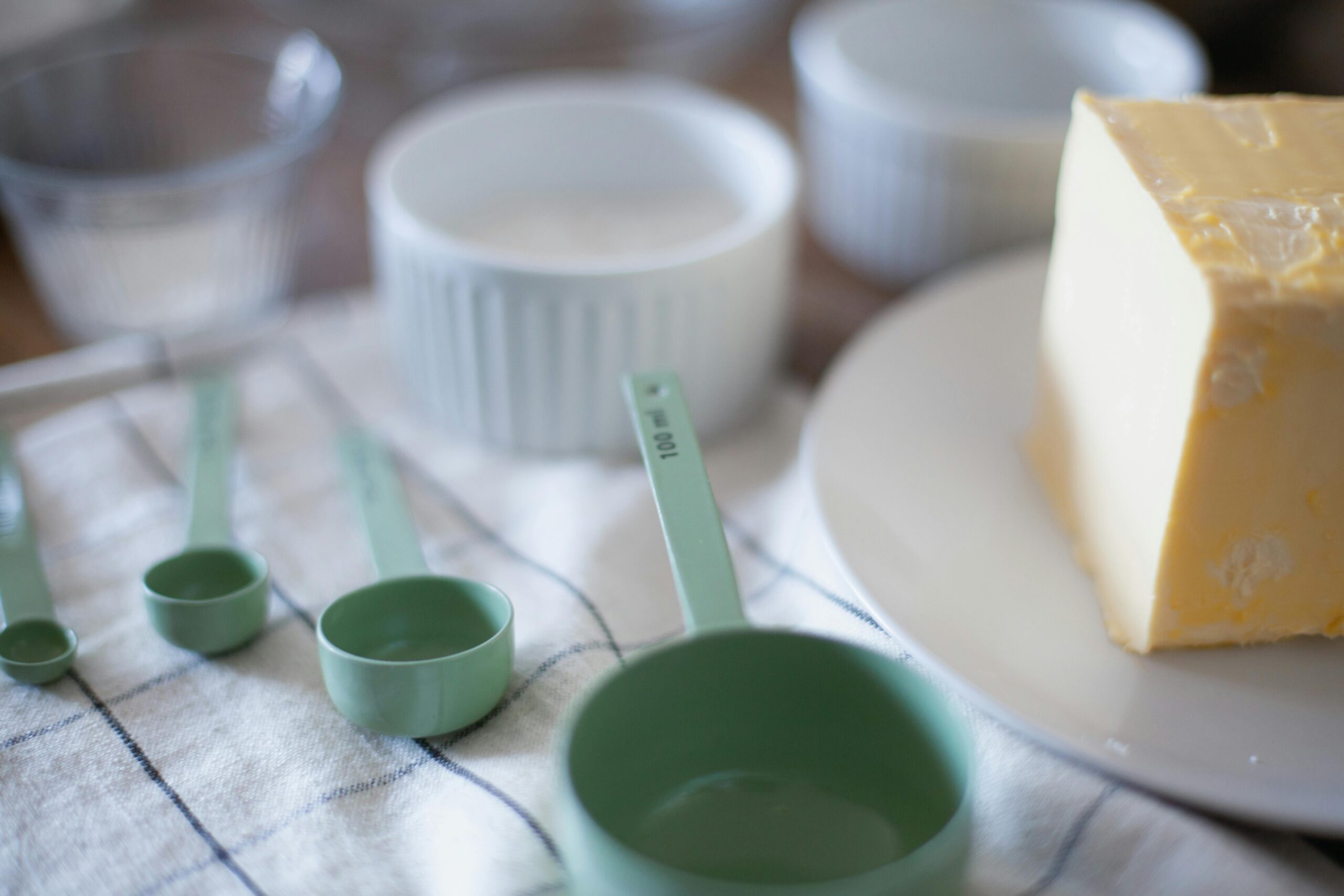
Credit: www.yourlifechoices.com.au
Frequently Asked Questions
How Do I Measure 1/2 Cup Of Butter?
To measure 1/2 cup of butter, use a standard measuring cup. Pack the butter tightly into the cup. Level it off with a straight edge for accuracy. Alternatively, use the markings on a butter stick wrapper. This ensures you get the precise amount needed for your recipe.
Can I Substitute Margarine For Butter?
Yes, you can substitute margarine for butter in most recipes. Ensure the margarine is at room temperature for easier measurement. Note that margarine may alter the taste and texture slightly. It contains different fats, so results may vary compared to using butter.
How Many Tablespoons Are In 1/2 Cup Of Butter?
1/2 cup of butter is equivalent to 8 tablespoons. Use a measuring spoon for accuracy. Simply cut the butter stick into 8 equal parts. This method is convenient and ensures you use the exact amount needed for your recipe.
Does Melted Butter Equal Solid Butter Measurements?
Melted butter and solid butter have different volumes. Always measure butter in its solid form unless specified otherwise. Melted butter is denser and can lead to inaccuracies. For best results, follow recipe instructions regarding the state of butter required.
Conclusion
Measuring 1/2 cup of butter is simple and quick. Use a measuring cup or a knife and the butter wrapper marks. Softened butter fits easily into a measuring cup, while cold butter works best with the wrapper method. Accurate measurements help your recipes turn out just right.
Practice a few times to get comfortable. This small step improves your baking and cooking results. Keep your kitchen tools ready and enjoy tasty dishes every time.