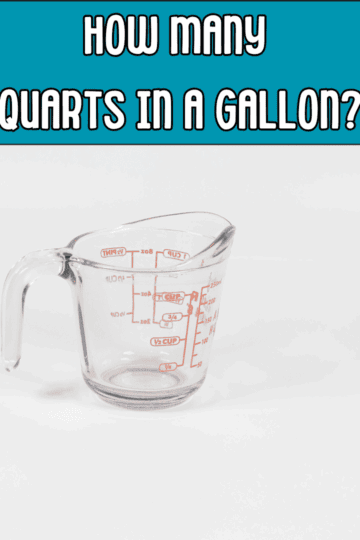
Measuring ingredients accurately can make or break your recipe, especially when you see measurements like “1 3 in a cup.” You might be wondering, how do you measure something that’s not a straightforward fraction?
If you want to get your cooking just right and avoid guesswork, this guide is for you. Keep reading, and you’ll learn simple tricks to measure 1 3 in a cup quickly and confidently every time. Your next dish will thank you!
Credit: www.recipesandplaces.com
Measuring Basics
Measuring ingredients correctly is important in cooking and baking. Using the right amount keeps recipes balanced and tasty.
Measuring 1 3 in a cup means you need one and three parts of something. Knowing how to do this helps in following recipes well.
Why Accurate Measurement Matters
Accurate measuring keeps your dish consistent. It ensures the flavors and texture come out as expected.
Too much or too little of an ingredient can change the taste or cause cooking problems. This is why exact measurements matter.
Common Measuring Tools
Using the right tools makes measuring easy and exact. There are different tools for dry and liquid ingredients.
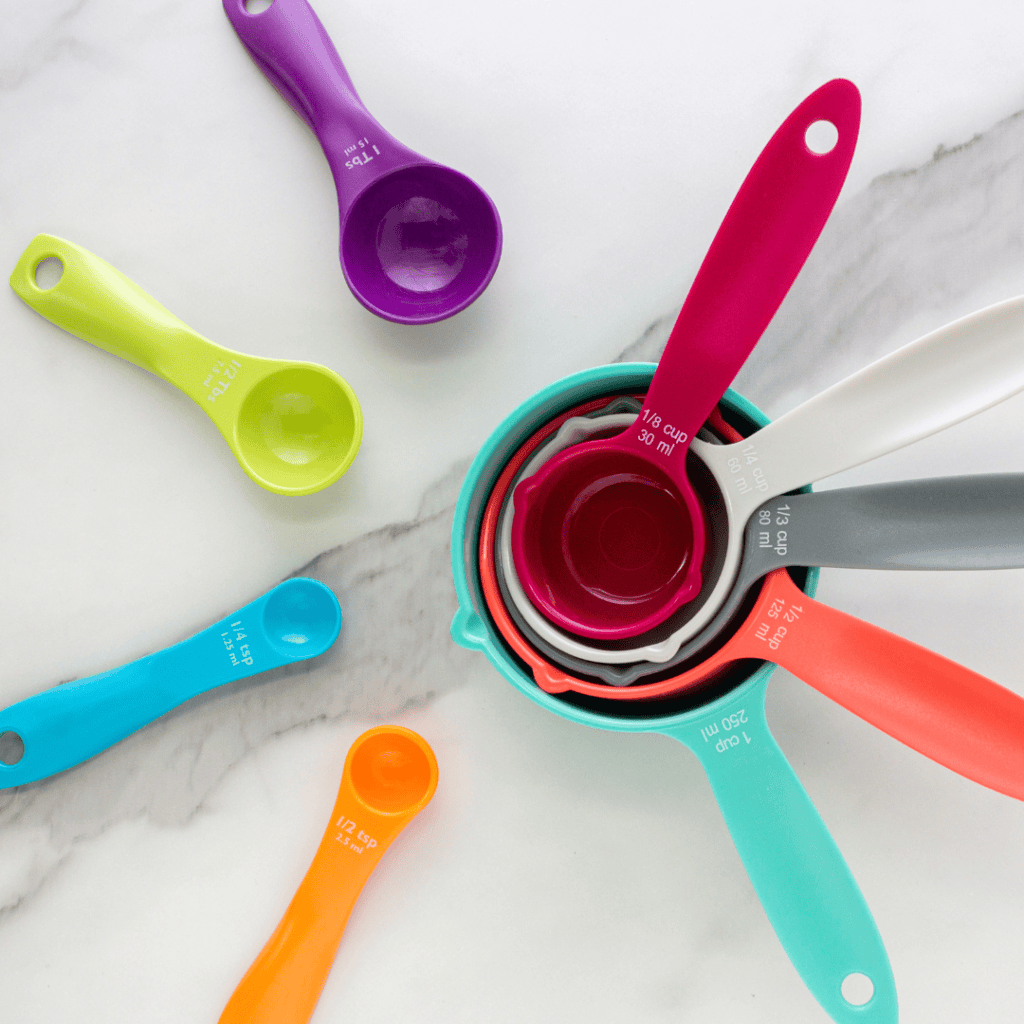
Measuring cups and spoons are common. Liquid cups often have a spout for easy pouring.
- Dry measuring cups are for flour, sugar, and grains
- Liquid measuring cups are for water, oil, and milk
- Measuring spoons measure small amounts like spices
- Level off dry ingredients with a flat edge for accuracy

Credit: rhondasues.com
Measuring 1 3 In A Cup
Measuring 1 3 in a cup can be confusing if you do not know the right conversions. It is important to get the correct amount for your recipe.
This guide will help you measure 1 3 in a cup using simple kitchen tools.
Converting 1 3 To Cup Measurements
1 3 is a fraction that means one-third. In cups, one-third is written as 1/3 cup. This is less than half a cup but more than a quarter cup.
You can use a standard measuring cup that shows 1/3 cup to get this amount exactly.
Using Tablespoons And Teaspoons
If you do not have a 1/3 cup measure, you can use tablespoons or teaspoons. These small tools can help you measure 1/3 cup accurately.
There are 16 tablespoons in one cup. To measure 1/3 cup, you need fewer tablespoons.
| Measurement | Equivalent |
|---|---|
| 1/3 cup | 5 tablespoons + 1 teaspoon |
| 1 tablespoon | 3 teaspoons |
Use 5 tablespoons and add 1 teaspoon to reach 1/3 cup.
Tips For Precision
Measuring 1 3 in a cup can be tricky without the right approach. Using precise methods ensures your recipe turns out well.
Small errors add up, so following clear tips helps you get the exact amount you need.
Leveling Off Ingredients
After filling the cup, use a flat edge to level off the ingredient. This removes extra and gives an exact measurement.
A butter knife or spatula works well to level the top without packing down the ingredient.
- Fill the cup just above the line.
- Hold a flat edge at the cup’s rim.
- Swipe the edge across to remove extra.
- Do not press down; keep it loose.
Avoiding Common Mistakes
One mistake is packing dry ingredients too tightly. This changes the amount you add.
Another error is reading the measurement at eye level. Always check from above for liquids.
- Do not shake or tap the cup to settle ingredients.
- Use dry measuring cups for dry items and liquid cups for liquids.
- Check measurement lines carefully before pouring.
- Measure ingredients on a flat surface.

Credit: rhondasues.com
Alternative Methods
Measuring 1/3 cup accurately is important for recipes. Not everyone has the right measuring cups at hand. This guide explains two easy alternatives.
You can use a kitchen scale or try visual estimation. Both methods help you get close to 1/3 cup without special tools.
Using A Kitchen Scale
A kitchen scale gives the most precise measurement. Different ingredients weigh differently, so check the weight for 1/3 cup.
| Ingredient | Weight for 1/3 Cup (grams) |
| Flour | 43 |
| Sugar | 67 |
| Butter | 76 |
| Rice | 60 |
Place a bowl on the scale and zero it. Then add the ingredient until you reach the target weight. This method works well for both dry and wet ingredients.
Visual Estimation Techniques
You can measure 1/3 cup by estimating volume with common kitchen items. This works well if you don’t have a scale or measuring cups.
- Use a tablespoon: 1/3 cup equals about 5 tablespoons plus 1 teaspoon.
- Use a standard coffee mug: fill about one-third of the mug.
- Compare to an egg: 1/3 cup is roughly the size of a large egg.
- Use a liquid measuring cup and fill to the 1/3 cup line if available.
Practice helps improve your visual estimates. Use these tips for quick measurements without special tools.
Frequently Asked Questions
How Can I Measure 1/3 Cup Without A Measuring Cup?
To measure 1/3 cup without a measuring cup, use a tablespoon. One-third cup equals approximately 5 tablespoons plus 1 teaspoon. Alternatively, fill a standard measuring cup to one-third of its full capacity. These methods offer precise measurements for recipes needing 1/3 cup.
What Is The Easiest Way To Measure 1/3 Cup?
The easiest way to measure 1/3 cup is using a measuring cup with marked increments. If unavailable, use 5 tablespoons and 1 teaspoon. These simple methods ensure accuracy and convenience when measuring ingredients for cooking or baking.
How Many Tablespoons Are In 1/3 Cup?
There are 5 tablespoons and 1 teaspoon in 1/3 cup. This conversion helps when precise measurements are needed but only tablespoons are available. It ensures you maintain the correct proportions for your recipes, whether you’re baking or cooking.
Can I Use A Standard Cup To Measure 1/3 Cup?
Yes, you can use a standard cup to measure 1/3 cup. Fill the cup to one-third of its full capacity. This method provides an accurate measurement when specific measuring cups aren’t available, ensuring recipe success.
Conclusion
Measuring 1/3 cup is simple once you know the steps. Use a standard measuring cup or spoons for accuracy. Level off ingredients for the best results. This small skill helps in cooking and baking every day. Keep practicing to feel confident in the kitchen.
Precise measuring saves time and avoids mistakes. Now, you can easily measure 1/3 cup without guessing. Cooking becomes more fun and less stressful. Try it out and enjoy your meals!