
Have you ever found yourself stuck, wondering how to measure 1/6 cup accurately? It’s a tricky amount that doesn’t come up often, but when it does, you want to get it right.
Using the wrong measurement can change the taste or texture of your recipe. Luckily, you don’t need special tools or guesswork to nail this exact amount. You’ll discover simple, foolproof ways to measure 1/6 cup every time. Keep reading, and you’ll never have to worry about this tricky measurement again.
Credit: shop.stlartsupply.com
Tools For Measuring 1/6 Cup
Measuring 1/6 cup can be tricky because it is not a common measuring size. Choosing the right tool helps get accurate results in your recipes.
This guide explains different ways to measure 1/6 cup using common kitchen tools and household items.
Using Standard Measuring Cups
Standard measuring cups usually come in sizes like 1 cup, 1/2 cup, 1/3 cup, and 1/4 cup. Since 1/6 cup is not common, you can use a combination of these cups.
For example, you can fill a 1/3 cup halfway to get 1/6 cup.
- Fill a 1/3 cup halfway for 1/6 cup
- Or use two 1/12 cups if available
- Use a 1/4 cup and remove a small amount by eye
Kitchen Scales And Conversion
Kitchen scales give precise measurements. Use the weight equivalent of 1/6 cup for your ingredient.
For example, 1/6 cup of flour weighs about 21 grams, and 1/6 cup of sugar weighs around 28 grams. Always check the ingredient’s weight per cup.
- Weigh 1/6 cup ingredient using grams or ounces
- Look up the weight for your specific ingredient
- Use a digital scale for accuracy
Alternative Household Items
If you do not have measuring cups or scales, you can use common household items to estimate 1/6 cup.
A tablespoon can help. Since 1/6 cup equals about 2 tablespoons plus 2 teaspoons, you can measure with spoons instead.
- Use 2 tablespoons and 2 teaspoons to make 1/6 cup
- Use a standard coffee cup that holds about 1 cup and fill it one-sixth full
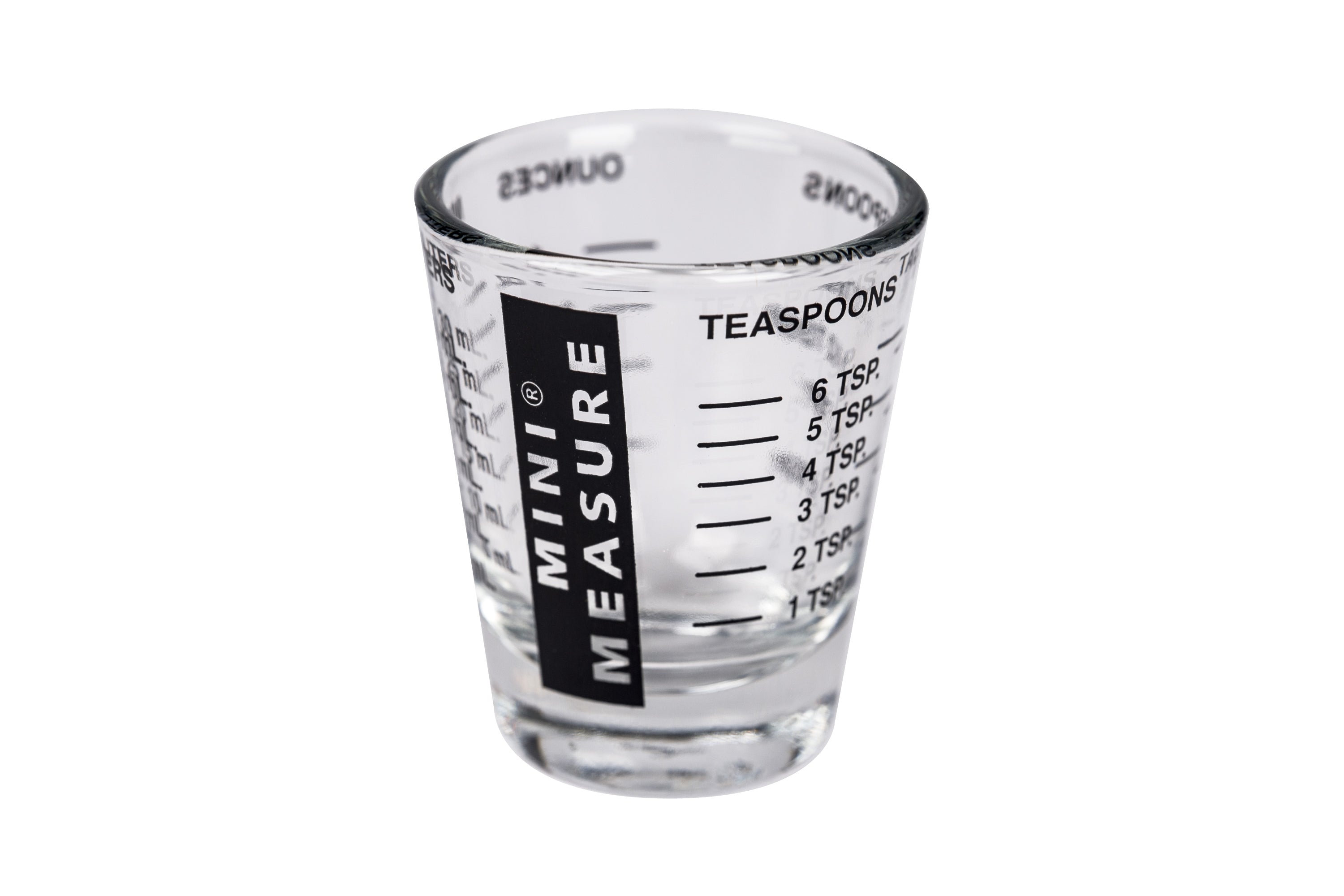
- Use medicine or baby medicine cups marked with small units

Credit: www.amazon.ca
Step-by-step Measuring Process
Measuring 1/6 cup accurately helps with consistent cooking and baking. This guide will show you simple steps to measure both dry and liquid ingredients.
Using the right tools and techniques ensures your recipe turns out as expected. Follow these tips to measure precisely every time.
Leveling Ingredients For Accuracy
To get an exact 1/6 cup of dry ingredients, use a proper measuring cup or spoon. Fill the cup and then level it off using a flat edge.
- Spoon the ingredient into the cup gently.
- Do not pack the ingredient unless the recipe says so.
- Use the back of a knife to level the top evenly.
- Check the measurement at eye level for accuracy.
Handling Liquids Vs. Solids
Liquid and solid ingredients need different measuring methods. Use a liquid measuring cup for fluids and a dry cup for powders.
| Ingredient Type | Measuring Tool | Tip |
| Liquids (water, oil) | Clear liquid measuring cup | Place on flat surface and read at eye level |
| Dry (flour, sugar) | Dry measuring cup or spoon | Fill and level off with a straight edge |
| Sticky (honey, syrup) | Liquid measuring cup or spoon | Grease cup lightly for easy release |
Avoiding Common Mistakes
Many mistakes happen when measuring. Avoid these errors to keep your recipe consistent.
- Do not scoop dry ingredients directly with the measuring cup.
- Avoid shaking or tapping the cup to settle ingredients.
- Use dry measuring cups only for dry ingredients.
- Always measure liquids on a flat surface, not in your hand.
- Clean and dry measuring tools before use.
Converting 1/6 Cup To Other Units
Measuring 1/6 cup can be tricky without the right tools. Converting it to common units helps in cooking and baking.
This guide shows how to convert 1/6 cup into tablespoons, teaspoons, milliliters, fluid ounces, and grams.
Tablespoons And Teaspoons
1/6 cup equals 2 tablespoons and 2 teaspoons. This helps when you only have spoon measurements.
- 1/6 cup = 2 tablespoons + 2 teaspoons
- 1 tablespoon = 3 teaspoons
- Use spoons for small ingredient amounts
Milliliters And Fluid Ounces
1/6 cup is about 39.4 milliliters or 1.33 fluid ounces. These units work well for liquids.
| Unit | Equivalent |
|---|---|
| Milliliters (ml) | 39.4 ml |
| Fluid Ounces (fl oz) | 1.33 fl oz |
Grams For Dry Ingredients
Weight in grams varies by ingredient. Here are common dry ingredients and their weights for 1/6 cup.
- Flour: 20 grams
- Sugar: 27 grams
- Butter: 38 grams
- Oats: 15 grams

Credit: rhondasues.com
Tips For Consistent Results
Measuring 1/6 cup accurately can be tricky without the right approach. Consistent results depend on good habits and tools.
Use these tips to improve your measuring skills and get the exact amount every time.
Proper Measuring Techniques
Use dry measuring cups for dry ingredients and liquid measuring cups for liquids. Level off dry ingredients with a flat edge to avoid extra amounts.
- Fill the cup to the top without packing the ingredient.
- Use a knife or spatula to level off excess.
- For sticky ingredients, lightly grease the cup before measuring.
Adjusting For Ingredient Density
Different ingredients have different weights even if the volume is the same. This affects your recipe’s outcome.
| Ingredient | Weight for 1/6 Cup (grams) |
| Flour | 20 |
| Sugar | 27 |
| Butter (softened) | 38 |
| Chopped Nuts | 30 |
Storing And Maintaining Tools
Keep your measuring cups clean and dry. Store them in a drawer or hang them to avoid damage.
- Wash measuring cups after each use.
- Dry completely to prevent rust or residue.
- Check for cracks or warps regularly.
- Replace old or damaged cups promptly.
When To Use 1/6 Cup Measurements
Measuring 1/6 cup can help you add small amounts of ingredients. This is useful in recipes that need precise measurements. It keeps your dishes balanced and tasty.
Here are some common times to use 1/6 cup measurements in cooking and baking.
Baking Recipes
Baking often needs exact amounts of ingredients. Using 1/6 cup helps measure items like nuts, chocolate chips, or small amounts of flour. This avoids changing the texture or taste.
- Adding chopped nuts to cookies
- Mixing small amounts of cocoa powder
- Measuring sugar for frosting
- Adding dried fruits to muffins
Cooking And Sauces
In cooking, 1/6 cup is good for sauces and dressings. It helps add small amounts of liquids or spices. This keeps flavors balanced and prevents overpowering the dish.
| Ingredient | Use in Sauces |
| Olive oil | Light drizzle for flavor |
| Lemon juice | Small tangy touch |
| Honey | Sweetness without overdoing |
| Worcestershire sauce | Adding depth to marinade |
Portion Control
Using 1/6 cup helps control portion sizes. It is good for serving small amounts of food or snacks. This keeps meals healthy and balanced.
- Measure nuts or seeds for snacks
- Control rice or grains servings
- Serve small salad dressings
- Limit high-calorie sauces
Frequently Asked Questions
What Is 1/6 Cup In Tablespoons?
1/6 cup is equivalent to approximately 2 tablespoons plus 2 teaspoons. This measurement is useful when scaling recipes. For precise cooking and baking, it’s important to understand these conversions. Using the correct measurements ensures consistency and desired results in your culinary creations.
How Do You Measure 1/6 Cup Without A Cup?
To measure 1/6 cup without a cup, use 2 tablespoons and 2 teaspoons. This method ensures accuracy in your recipes. Measuring with spoons is effective when specific cup sizes are unavailable. This conversion helps in maintaining the right proportions for your dishes.
Can I Use 1/4 Cup Instead Of 1/6 Cup?
Using 1/4 cup instead of 1/6 cup may alter the recipe. 1/4 cup is larger and may affect taste and texture. Adjusting other ingredients may be necessary to compensate for the difference. Always consider the impact on the overall recipe.
Why Is Measuring 1/6 Cup Important?
Measuring 1/6 cup is vital for recipe accuracy and consistency. Precise measurements ensure the intended texture and flavor. Especially in baking, where proportions are crucial, correct measurements yield the best results. This precision enhances the quality of your culinary creations.
Conclusion
Measuring 1/6 cup does not need to be hard. Use common tools like tablespoons or a kitchen scale. Remember, 1/6 cup equals about 2 tablespoons plus 2 teaspoons. Pour slowly to avoid spilling. Practicing this makes cooking easier and more fun.
Keep these tips in mind for accurate cooking every time. Small steps lead to better results in your recipes. Try it yourself and see the difference.