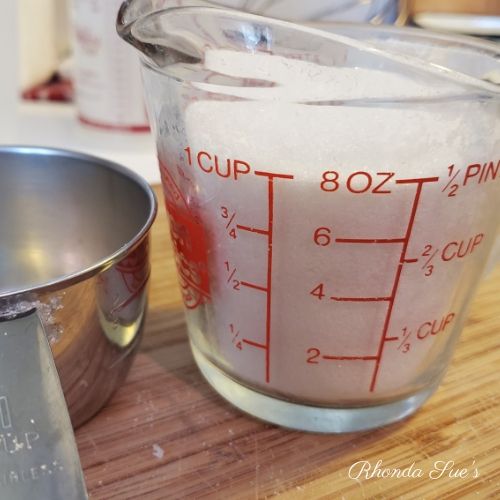
Are you ever unsure how to measure 1 and 1/4 cups exactly? Getting this right can make all the difference in your recipes.
Whether you’re baking a cake or cooking a meal, precise measurements help you achieve the best results every time. You’ll discover simple tips and tricks to measure 1 and 1/4 cups easily, even if you don’t have the exact tools.
Keep reading, and you’ll never guesswork your way through measurements again!

Credit: rhondasues.com
Essential Tools For Measuring
Measuring ingredients correctly is key to good cooking and baking. Using the right tools helps you get accurate amounts every time.
This guide covers common measuring tools and how to use them for 1 and 1/4 cups.
Types Of Measuring Cups
Measuring cups come in several types. Each type has its use depending on the ingredient you measure.
- Dry measuring cups:Usually made of plastic or metal. Use them to measure flour, sugar, and other dry ingredients. Fill the cup and level it off with a straight edge.
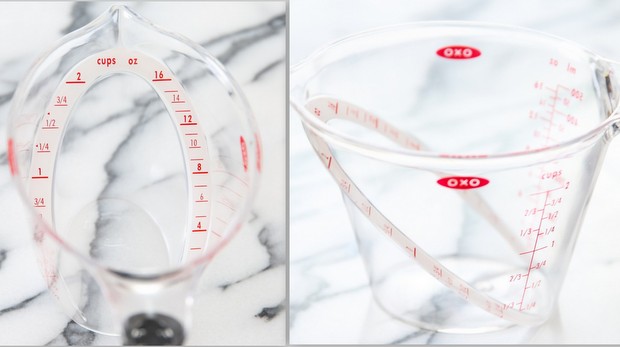
- Liquid measuring cups:Made of glass or clear plastic with a spout. Use them for water, milk, and oils. Check the amount at eye level for accuracy.
- Nested measuring cups:A set of cups that fit inside each other. They save space and often include 1 cup, 1/2 cup, 1/3 cup, and 1/4 cup sizes.
- Adjustable measuring cups:These have a sliding mechanism to measure different amounts in one cup.
Using A Kitchen Scale
A kitchen scale gives the most accurate measurement. It is useful for both dry and liquid ingredients.
| Ingredient | 1 Cup (grams) | 1 1/4 Cups (grams) |
|---|---|---|
| Flour | 120 | 150 |
| Sugar | 200 | 250 |
| Butter | 227 | 284 |
| Milk (ml) | 240 | 300 |
Place your bowl or container on the scale and zero it out. Add the ingredient until you reach the target weight. This way, you get precise amounts every time.
Credit: kirbiecravings.com
Measuring 1 Cup Accurately
Measuring ingredients correctly is important for good cooking and baking. Using the right tools helps you get the best results.
Here are tips to measure 1 cup well for dry and liquid ingredients. These tips also help you measure 1 and 1/4 cups precisely.
Dry Ingredients Tips
Dry ingredients like flour, sugar, and oats need careful measuring to avoid too much or too little in your recipe.
- Use a dry measuring cup made of plastic or metal.
- Fill the cup loosely with the ingredient.
- Level off the top with a flat edge, like a knife.
- Do not pack or press down unless the recipe says so.
- For sticky ingredients like brown sugar, pack lightly.
Liquid Ingredients Tips
Liquid ingredients need a different approach. Use clear measuring cups with marks for easy reading.
| Tip | Details |
| Use a transparent cup | Allows you to see the liquid level easily. |
| Place on flat surface | Helps to read the measurement at eye level. |
| Check the meniscus | Read the bottom curve of the liquid for accuracy. |
| Pour slowly | Prevents overfilling the cup. |
Measuring 1/4 Cup Precisely
Measuring 1/4 cup accurately helps make recipes turn out right. Small mistakes can change the taste or texture.
Use the right tools and techniques to get the exact amount every time. This guide will help you measure 1/4 cup with ease.
Common Mistakes To Avoid
Many people use the wrong cup or do not level the ingredient well. These mistakes cause too much or too little in your recipe.
- Using a liquid measuring cup for dry ingredients
- Not filling the cup fully or packing ingredients too tightly
- Eyeballing the amount instead of measuring carefully
- Not leveling off the top of the cup with a straight edge
Leveling Techniques
Leveling means making the ingredient even with the top of the cup. This step ensures your measurement is exact.
Use a flat edge like the back of a knife to scrape off extra ingredient. This keeps the amount precise and avoids packing.
- Fill the 1/4 cup slightly over the top
- Hold a flat edge horizontally across the cup
- Gently scrape off the extra ingredient
- Check the surface is even and not packed down
Combining Measurements For 1 1/4 Cups
Measuring 1 and 1/4 cups can be tricky if you only have standard measuring cups. It is easy to combine smaller amounts to get this total. This guide shows two simple ways to measure 1 1/4 cups accurately.
Using separate cups or just one cup with careful measuring can both work well. Choose the way that fits your tools and cooking style.
Using Separate Cups
You can use different cups to add up to 1 1/4 cups. For example, use a 1 cup and a 1/4 cup measuring cup. This method is simple and fast.
Make sure to level off each cup for accuracy. Fill the 1 cup measure first, then add the 1/4 cup.
- Fill a 1 cup measure with your ingredient
- Fill a 1/4 cup measure with the same ingredient
- Pour both into your mixing bowl
Using A Single Cup Method
If you only have a 1 cup measure, you can add a little more to make 1 1/4 cups. This needs careful filling to avoid mistakes.
Fill the 1 cup measure fully, then add 1/4 cup more by eye or with a smaller spoon. Level off the top to get the right amount.
- Fill the 1 cup measure fully
- Add about one quarter of the cup more slowly
- Use a flat edge to level the ingredient
Tips For Consistent Results
Measuring 1 and 1/4 cups accurately helps you get the best results in cooking and baking. Using the right tools and techniques avoids mistakes.
Small differences in measuring can change the texture and taste of your dish. Follow simple tips to keep your measurements consistent every time.
Ingredient-specific Advice
Different ingredients need different measuring methods. Dry and liquid ingredients behave differently when measured.
For dry ingredients like flour or sugar, use a dry measuring cup. Scoop gently and level off with a flat edge. For liquids, use a liquid measuring cup and check at eye level.
- Flour: spoon into cup, then level it off
- Sugar: scoop and level for granulated sugar
- Brown sugar: pack lightly into the cup
- Liquids: pour into a clear measuring cup
Adjusting For Packed Vs. Loose Ingredients
Some ingredients can be packed tightly or left loose in the cup. This affects how much you actually use.
Brown sugar is often packed into the cup. For other ingredients like flour, use it loose unless the recipe says to pack it.
| Ingredient | Loose Measurement | Packed Measurement |
|---|---|---|
| Flour | 1 cup | Not recommended |
| Brown Sugar | Not common | 1 cup (packed) |
| Chopped Nuts | 1 cup | Depends on recipe |
| Cocoa Powder | 1 cup (loose) | Not recommended |
Troubleshooting Measurement Issues
Measuring 1 and 1/4 cups correctly can be tricky. Sometimes your results may not match the recipe.
This guide helps you fix common problems and adjust measurements for different recipes.
When Measurements Seem Off
If your 1 and 1/4 cup measurement seems wrong, check your tools first. Different cup styles can cause errors.
- Use dry measuring cups for dry ingredients like flour or sugar.
- Use liquid measuring cups for liquids like milk or oil.
- Level off dry ingredients with a flat edge for accuracy.
- Do not pack ingredients unless the recipe says so.
- Check for dents or chips in your measuring cups.
Adapting For Different Recipes
Recipes vary in ingredient types and textures. Adjust how you measure to get the best results.
| Ingredient Type | Measuring Tip | Example |
|---|---|---|
| Flour | Spoon into cup, then level off | 1 1/4 cups sifted flour |
| Brown Sugar | Pack firmly into cup | 1 1/4 cups packed brown sugar |
| Chopped Nuts | Fill loosely without packing | 1 1/4 cups chopped walnuts |
| Milk or Water | Use liquid measuring cup, check at eye level | 1 1/4 cups milk |

Credit: www.chefworks.com
Frequently Asked Questions
How Many Tablespoons Equal 1 And 1/4 Cups?
1 and 1/4 cups equal 20 tablespoons. Each cup contains 16 tablespoons, so multiply 1. 25 by 16 for accuracy.
Can I Use A Liquid Measuring Cup For 1 And 1/4 Cups?
Yes, a liquid measuring cup works well for 1 and 1/4 cups. It ensures precise volume measurements for liquids and dry ingredients.
How Do I Measure 1 And 1/4 Cups Of Flour Accurately?
Spoon flour into your measuring cup and level it off with a flat edge. Avoid packing flour to prevent excess.
What Is 1 And 1/4 Cups In Milliliters?
1 and 1/4 cups equal approximately 295 milliliters. Use a kitchen scale or liquid measuring cup for exact conversion.
Conclusion
Measuring 1 and 1/4 cups is simple with the right tools. Use a standard measuring cup for accuracy. Pour ingredients slowly to avoid spilling. Level off the top for exact amounts. This helps keep recipes consistent and tasty. Practice makes measuring easier each time.
Baking and cooking become more fun and less stressful. Now, you can measure with confidence every time.