Have you ever started a recipe only to realize you don’t have a measuring cup? It’s frustrating when the perfect dish depends on precise measurements, and you’re left guessing.
But don’t worry—you can still measure 1 cup accurately without a measuring cup. You’ll discover simple, clever ways to get it right using everyday items you already have. Keep reading, and you’ll never have to stop cooking because of missing tools again.
Common Household Items As Measuring Tools
Not having a measuring cup should not stop you from cooking or baking. Many common household items can help you measure one cup of ingredients.
Using everyday objects can give you a close estimate for one cup. This guide shows simple ways to measure without a measuring cup.
Using Spoons For Approximate Measurement
Spoons are easy to find and can help measure smaller amounts. A tablespoon and teaspoon can add up to one cup.
- Use 16 tablespoons to make one cup. Each tablespoon holds about 15 ml.
- Alternatively, use 48 teaspoons. Each teaspoon holds about 5 ml.
- Fill the spoon level to get the closest measure.
Measuring With A Standard Glass
Many drinking glasses have a volume close to one cup. You can use these glasses to measure liquids and some solids.
| Glass Type | Approximate Volume | Use |
|---|---|---|
| Small Juice Glass | 6 oz (177 ml) | Almost 3/4 cup |
| Standard Drinking Glass | 8 oz (237 ml) | One cup |
| Tea Glass | 4 oz (118 ml) | About 1/2 cup |
Utilizing Food Packaging Labels
Food packaging can help you measure by using the package weight or volume. Some foods list serving sizes that equal one cup.
Here is how to use packaging labels:
- Check the serving size on the package.
- Look for the volume or weight per serving.
- Use the number of servings to add up to one cup.
- For liquids, 1 cup equals about 240 ml or 8 fluid ounces.
- For dry foods, check grams or ounces and convert if needed.

Credit: thehungryequestrian.com
Diy Measuring Techniques
Measuring one cup without a measuring cup is easy with simple tools. You can use everyday items to get the right amount.
This guide shows three ways to measure one cup using things you have at home.
Filling A Water Bottle For Volume
Use a water bottle to measure one cup by filling it with water. Most small bottles hold about 16 ounces, which equals two cups.
Fill half of the bottle to get one cup. Use the bottle cap or a marker to mark the level for easy measuring.
Marking Containers For Repeated Use
Mark a container once you measure one cup of water or any liquid. Use a permanent marker or tape to mark the line.
This helps you measure one cup quickly in the future without guessing.
- Choose a clear container
- Fill with water to one cup
- Mark the outside of the container
- Use the mark to fill to one cup next time
Using Hands To Estimate Volume
Your hands can help measure one cup. A closed fist is about the size of one cup of food or liquid.
This method is quick and works well if you do not have a container handy.
- Make a fist with your hand
- Use the fist size to estimate one cup
- Good for dry or liquid ingredients
Converting Measurements For Accuracy
Measuring ingredients without a cup can be tricky. Using other tools can help keep your recipe accurate.
Knowing how to convert tablespoons and teaspoons to cups is important. It helps you get the right amount every time.
Tablespoons And Teaspoons To Cups
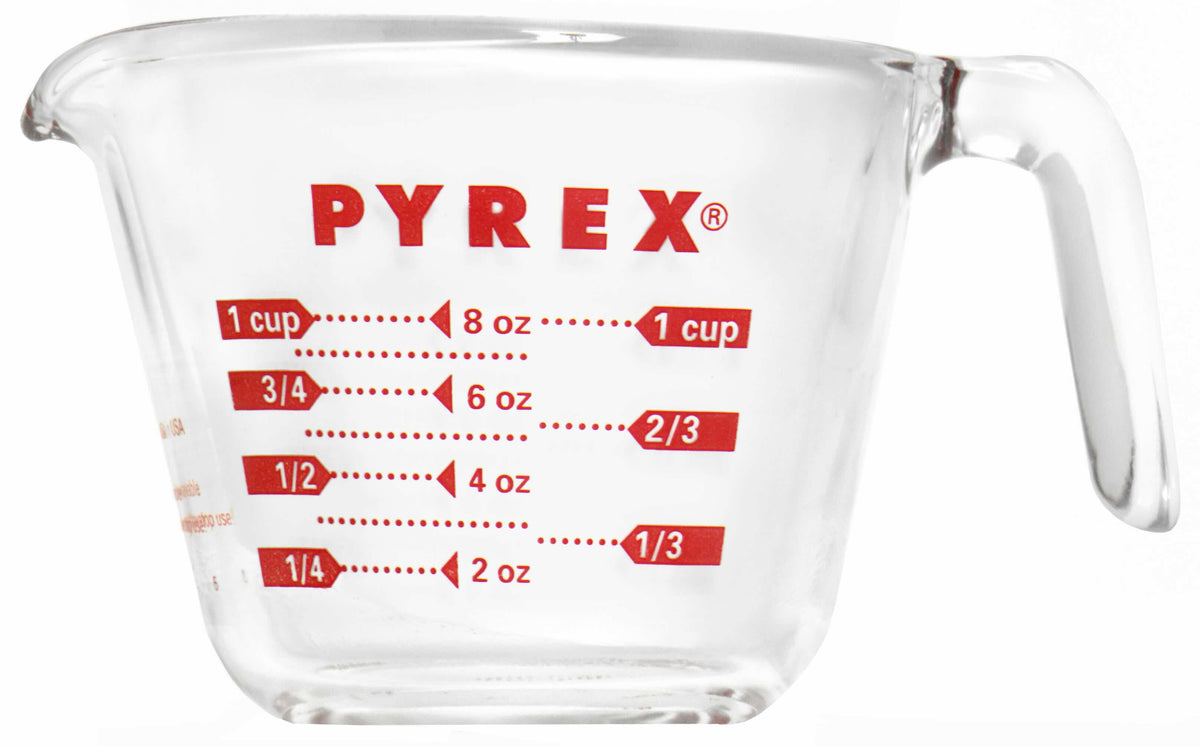
One cup equals 16 tablespoons or 48 teaspoons. These simple conversions help measure without a cup.
- 16 tablespoons = 1 cup
- 3 teaspoons = 1 tablespoon
- 48 teaspoons = 1 cup
Use a tablespoon or teaspoon to add up to one cup. This keeps measurements close to exact.
Visual Volume Comparisons
Visual size helps when measuring without tools. For example, one cup is about the size of a tennis ball.
Other common objects can show volume:
- One cup is close to a small fist size
- It is similar to a standard coffee mug
- One cup fills about half a large soup bowl
Adjusting For Dry And Liquid Ingredients
Dry and liquid ingredients need different measuring methods. Dry ingredients pack down, liquids take the container shape.
Use a spoon to fill dry ingredients gently. Level off the top for accuracy. For liquids, pour slowly and check eye level.
| Ingredient Type | Measuring Tip |
|---|---|
| Dry | Spoon into container, level with flat edge |
| Liquid | Pour into a clear container, check at eye level |
Credit: pyrexhome.com
Tips For Consistent Results
Measuring ingredients accurately is key to good cooking and baking. You can still get the right amount without a measuring cup.
Use simple tricks to keep your measurements consistent every time you cook.
Leveling Ingredients For Precision
Always level your ingredients to get the exact amount. Use a flat edge like a knife or spatula to remove extra.
For dry ingredients like flour or sugar, scoop and then level. For liquids, fill to the top and check at eye level.
- Fill your spoon or cup slightly over the line
- Use a straight edge to scrape off the excess
- Check that the surface is even and flat
Avoiding Common Measurement Mistakes
Do not pack flour or sugar too tightly. This adds extra weight and changes the recipe.
Use the same tool each time for better results. Different spoons or cups can vary in size.
- Do not shake or tap the measuring tool
- Measure ingredients on a flat surface
- Read measurements at eye level
Storing Makeshift Tools For Future Use
Keep a set of common household items for measuring. These can save time when you lack proper tools.
Mark cups or jars with measurement lines using a marker or tape. This helps you measure quickly and accurately.
- Use clean containers like mugs or glasses
- Label them clearly with volume marks
- Store them in your kitchen for easy access

Credit: rhondasues.com
Frequently Asked Questions
How Can I Measure 1 Cup Using Household Items?
Use a standard-sized coffee mug or a teacup. Most are close to 1 cup. Alternatively, fill a water bottle to its 8-ounce mark. You can also use a medium-sized ladle, which typically holds about 1 cup. These methods ensure you measure accurately without a measuring cup.
Is A Coffee Mug The Same As 1 Cup?
Not always, but most standard coffee mugs are close to 1 cup. Check the mug’s volume by filling it with water, then pour the water into a measuring jug. This method helps ensure accuracy when using a coffee mug to measure 1 cup of ingredients.
Can I Use Tablespoons To Measure 1 Cup?
Yes, you can use tablespoons. One cup equals 16 tablespoons. Use a tablespoon to scoop and count until you reach 16. This method is reliable if you don’t have a measuring cup, ensuring you measure 1 cup accurately.
What Household Items Equal 1 Cup?
A standard coffee mug, a medium-sized ladle, or an 8-ounce water bottle approximate 1 cup. These common items are useful substitutes for measuring cups. They help ensure you measure ingredients accurately, especially when a measuring cup is unavailable.
Conclusion
Measuring 1 cup without a measuring cup is easy and quick. Use common items like spoons, glasses, or bowls to help. This way, cooking or baking won’t stop if you lack tools. Practice these simple tricks to feel confident in the kitchen.
Remember, accuracy matters but small changes won’t spoil your dish. Cooking should be fun and stress-free. Keep trying, and you’ll find the best way that works for you.