Have you ever started a recipe only to realize you don’t have the right measuring cup? It’s frustrating, right?
Especially when you need to measure 1/4 cup precisely. But don’t worry—you can still get it right without a measuring cup. You’ll discover simple, clever ways to measure 1/4 cup using items you already have at home. Keep reading, and you’ll never have to stress over missing tools again.
Your cooking and baking will stay on track, every time.
Credit: www.kingarthurbaking.com
Common Kitchen Tools To Use
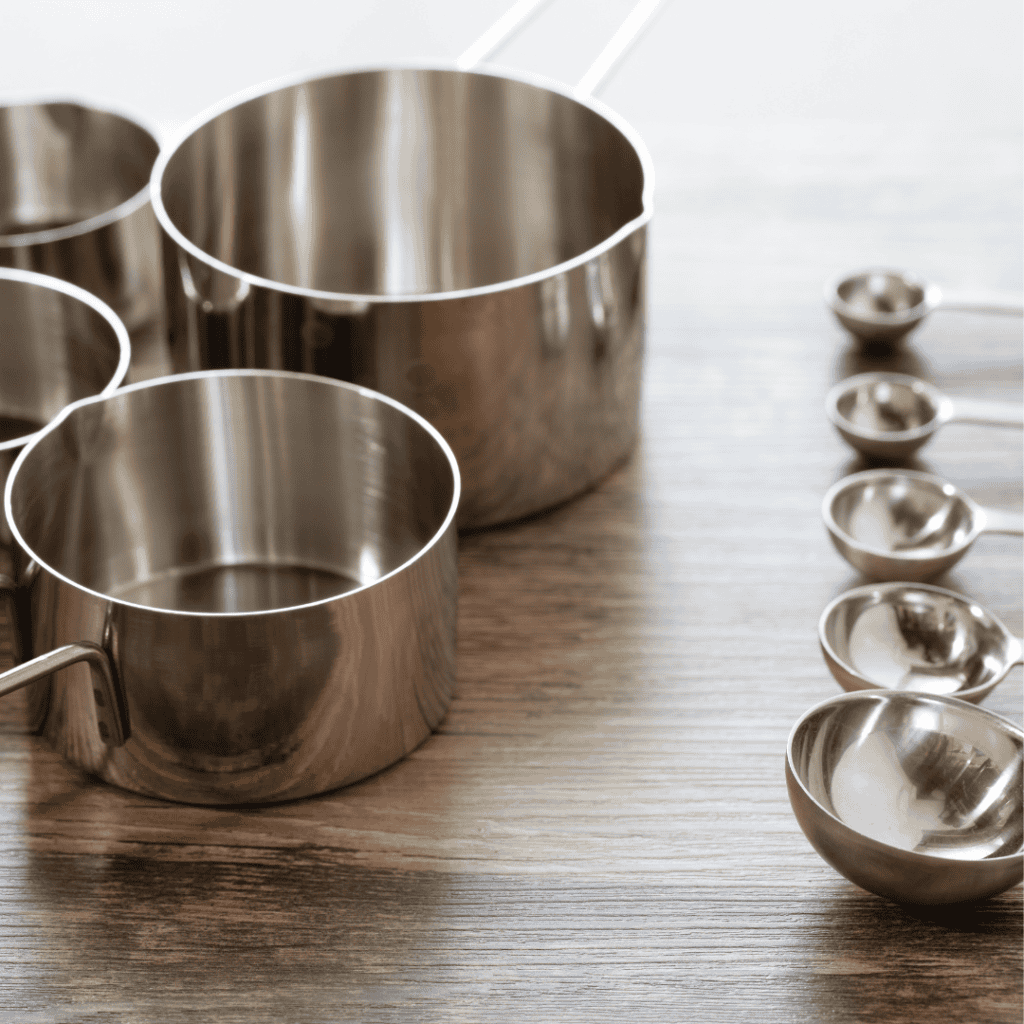
Measuring ingredients without a measuring cup is easy with common kitchen tools. You can use spoons and other items to get the right amount.
This guide shows how to measure 1/4 cup using simple tools found in most kitchens.
Using A Tablespoon
A tablespoon is larger than a teaspoon and can help measure 1/4 cup quickly. Four tablespoons make 1/4 cup.
- Fill the tablespoon level with the ingredient.
- Repeat four times to equal 1/4 cup.
- Use for both dry and liquid ingredients.
Using A Teaspoon
A teaspoon is smaller and takes more scoops to reach 1/4 cup. It takes 12 teaspoons to make 1/4 cup.
| Teaspoons | Tablespoons |
| 3 | 1 |
| 12 | 4 (equals 1/4 cup) |
Using A Standard Spoon
Standard spoons vary in size but can still be used to measure 1/4 cup with care.
To use a standard spoon:
- Fill the spoon level with the ingredient.
- Count how many spoonfuls you need to reach 1/4 cup. Usually, 8 to 12 spoonfuls work.
- Use the same spoon each time for accuracy.
Credit: www.recipesandplaces.com
Diy Measuring Techniques
Measuring small amounts without a cup is easy using household items. You can use simple tricks to get close to a quarter cup.
These DIY methods help when you don’t have measuring tools. They are quick and practical for everyday cooking.
Folding Paper For Volume
Fold a piece of paper to create a container that holds about a quarter cup. This method works well for dry ingredients like flour or sugar.
- Take a square piece of paper, about 8 inches wide.
- Fold it in half twice to make a smaller square.
- Open the last fold and form the paper into a small box shape.
- Check the volume by filling it with water and comparing to a known amount.
- Adjust the folds until it holds roughly one quarter cup.
Using A Water Bottle Cap
Water bottle caps can measure small liquid amounts. Most caps hold close to one tablespoon, so you can use them to measure a quarter cup by counting caps.
| Measurement | Equivalent in Water Bottle Caps |
| 1 tablespoon | 1 cap |
| 1/4 cup (4 tablespoons) | 4 caps |
Marking Containers For Accuracy
Mark your own measuring lines on containers for easy use. This works best with clear jars or bottles.
Follow these tips:
- Fill the container with water up to a quarter cup.
- Use a permanent marker to draw a line at the water level.
- Let the marker dry before using.
- Use this container for future quarter cup measures.
Visual Estimation Tips
Measuring ingredients without a cup is easy if you use visual clues. You can guess 1/4 cup by comparing it to familiar things.
These tips help you estimate small amounts quickly and accurately in the kitchen.
Comparing To Everyday Objects
Look around for objects that match 1/4 cup in size. This makes it easier to picture the amount you need.
For example, a standard golf ball is close to 1/4 cup in volume. A small ice cream scoop also works well.
- A golf ball fits about 1/4 cup of dry ingredients.
- A large egg is close to 1/4 cup in volume.
- A small handful of nuts or seeds equals 1/4 cup.
Using Hand Measurements
Your hand is a handy tool to estimate 1/4 cup without any tools. Use your palm or fingers to gauge the amount.
For instance, a cupped palm can hold about 1/4 cup of chopped vegetables or nuts. This helps you measure quickly.
- A cupped hand holds roughly 1/4 cup of small items.
- One handful equals about 1/4 cup of leafy greens.
- Use the palm for items that are easy to scoop.
Estimating With Fingers
You can also use your fingers to measure 1/4 cup. This works well for liquids or small solids.
For example, a stack of three fingers wide is close to 1/4 cup in height when poured into a small container.
- Three fingers wide equals about 1/4 cup in a small cup.
- Use finger widths to judge depth in bowls.
- Combine finger measurements with hand cups for accuracy.
Adjusting Recipes Without Exact Measures
Sometimes you need to measure 1/4 cup but do not have a measuring cup. You can still adjust your recipe by using simple tricks. Understanding flavors and ingredients helps you cook without exact tools.
This guide shows how to balance flavors, scale ingredients, and use trial and error. These tips make cooking easier and more flexible.
Balancing Flavors
When you cannot measure 1/4 cup exactly, focus on balancing tastes. Adding too much or too little of one ingredient can change the dish.
- Taste as you go to check salt and sweetness.
- Add small amounts of strong flavors slowly.
- Use common household items like teaspoons to estimate amounts.
- Remember that a pinch can replace a small fraction of 1/4 cup.
Scaling Ingredients
Adjusting the size of your recipe helps when you lack exact measures. You can use parts of common items to estimate 1/4 cup.
| Ingredient | Approximate Volume | Common Item |
| Butter | 4 tablespoons | Half a stick |
| Flour | 4 tablespoons | About 32 grams or 1/4 cup |
| Sugar | 4 tablespoons | Quarter of a standard cup |
Trial And Error Approach
Using trial and error helps when you guess amounts. You can adjust and fix the recipe by testing small changes.
- Start with less than you think is needed.
- Mix and taste your dish carefully.
- Add more if the flavor is weak.
- Write down what works for next time.
Precautions And Best Practices
Measuring a quarter cup without a measuring cup requires care. Using the right methods can help you get accurate amounts.
Follow these precautions and best practices to avoid errors and keep your tools clean.
Ensuring Consistency
Use the same item and method every time you measure. This helps keep your results consistent in recipes.
- Use a tablespoon or teaspoon to measure small amounts.
- Fill the spoon evenly without packing the ingredient.
- Check the level by eye to keep the amount steady.
- Use a flat edge to level off loose ingredients.
Avoiding Common Mistakes
Many errors happen when you guess or do not use the right tools. Avoid these mistakes for better accuracy.
| Common Mistake | How to Avoid |
|---|---|
| Overpacking ingredients | Lightly scoop and level with a knife |
| Using uneven spoons | Choose spoons of standard size |
| Not leveling off | Always scrape off extra for flat measurement |
| Ignoring ingredient type | Adjust method for dry or wet items |
Cleaning And Maintenance
Keep your measuring spoons and tools clean. Dirty tools can cause wrong measurements and affect taste.
- Wash spoons with warm soapy water after use.
- Dry tools completely before storing.
- Check for cracks or damage regularly.
- Replace worn or broken tools to keep accuracy.
Credit: kirbiecravings.com
Frequently Asked Questions
How Can I Measure 1/4 Cup Without Tools?
To measure 1/4 cup without tools, use common household items. A tablespoon is approximately 1/16 cup. Use four tablespoons to reach 1/4 cup. Alternatively, visualize 1/4 of a standard coffee mug or a small handful of ingredients.
What Is An Alternative To A 1/4 Cup Measure?
A standard tablespoon is a good alternative. Use four tablespoons to approximate 1/4 cup. Another method is to use a shot glass, which is about 1. 5 ounces or slightly more than 3 tablespoons. Combine with a half tablespoon to get closer to a 1/4 cup.
Can I Use My Hand To Measure 1/4 Cup?
Yes, you can use your hand to measure. A small handful of ingredients is roughly 1/4 cup. This method isn’t perfectly accurate but is useful for quick, informal measurements in cooking or baking.
How Do I Measure 1/4 Cup With A Spoon?
To measure 1/4 cup with a spoon, use a tablespoon. Four tablespoons equal approximately 1/4 cup. This method is simple and accurate for most cooking needs, ensuring you achieve the desired measurement without a dedicated measuring cup.
Conclusion
Measuring 1/4 without a cup is easier than you think. Use common items like spoons or your hand to estimate. Practice helps you get better and more confident. These simple tricks save time and avoid stress in the kitchen. Keep trying and enjoy cooking without extra tools.
Small tips can make a big difference in your cooking experience.