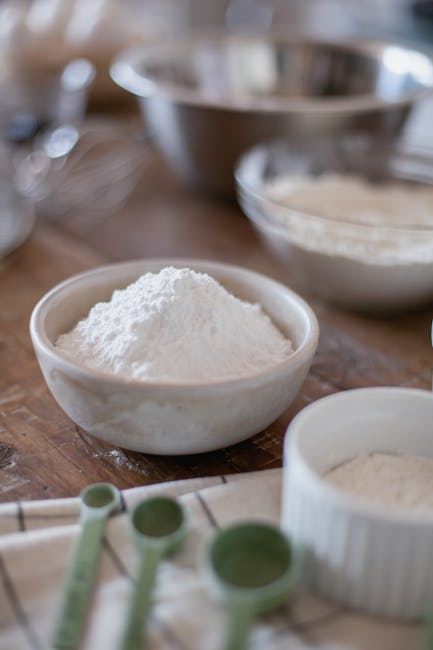
Have you ever started cooking or baking, only to realize you don’t have a measuring cup handy? It’s frustrating, right?
But don’t worry—you can still get your recipe just right without the fancy tools. Knowing how to measure a cup without a measuring cup can save you time and keep your cooking on track. You’ll discover simple tricks and easy methods that anyone can use, even if you’re new to the kitchen.
Keep reading, and you’ll never have to stop in the middle of a recipe again.
Common Household Items As Measuring Cups
Not everyone has a measuring cup at home. You can still measure ingredients using common items. These items can help you cook without the exact tools.
Using things around the house saves time and makes cooking easier. Here are some simple ways to measure a cup without a measuring cup.
Using Spoons For Precise Measurements
Spoons come in different sizes and are good for small amounts. You can add these amounts to get close to one cup. This method works best for dry and liquid ingredients.
- 1 tablespoon (tbsp) = 15 ml
- 1 teaspoon (tsp) = 5 ml
- 16 tablespoons = 1 cup
For example, fill a tablespoon 16 times to equal one cup. Use teaspoons for smaller amounts and add up to the needed volume.
Glassware And Mugs As Alternatives
Many glasses and mugs hold about one cup or more. You can use these to measure liquids or solids. Knowing their size helps you estimate measurements.
| Item | Approximate Volume |
|---|---|
| Standard drinking glass | 8 to 10 ounces (about 1 cup) |
| Coffee mug | 10 to 12 ounces (1 to 1.5 cups) |
| Small juice glass | 6 ounces (3/4 cup) |
Fill the glass or mug and pour into your mixing bowl. Adjust amounts based on the volume you know the container holds.
Plastic Containers And Jars
Plastic containers and jars often have volume markings. These marks show how much liquid is inside. Use these containers to measure a cup or more.
- Look for milliliter or ounce marks on the side
- Fill to the 240 ml or 8 oz line for one cup
- If no marks, compare with other known containers
Using containers with marks gives you a quick and easy way to measure. It works well for both liquids and small solids like sugar or flour.

Credit: thehungryequestrian.com
Visual Estimation Techniques
Measuring a cup without a measuring cup is easy with visual tricks. You can use items around your home to guess amounts.
These techniques help you estimate liquid or dry ingredients quickly. They work well if you do not have exact tools.
Filling Half Or Quarter Of A Standard Glass
A regular drinking glass usually holds about 8 ounces. You can fill it halfway or a quarter to guess smaller amounts.
Half of the glass is about 4 ounces. A quarter is about 2 ounces. This helps when you need a rough measure.
- Fill the glass to the middle line for half a cup
- Fill to about one-quarter height for a quarter cup
- Use any clear glass for easy seeing
Comparing To Everyday Objects
You can use common objects to estimate a cup. These objects have known sizes you can compare with your ingredient.
For example, a tennis ball or a baseball is close to half a cup in volume. A small apple is about one cup.
- Tennis ball = about ½ cup
- Baseball = about ½ cup
- Medium apple = about 1 cup
- Standard coffee mug = about 1 cup
Using Hand Measurements
Your hand can help measure cups without tools. Different parts of your hand hold different amounts.
A closed fist is about one cup. A cupped hand holds roughly half a cup. Fingers together show smaller amounts.
- Closed fist = about 1 cup
- Cupped hand = about ½ cup
- Tip of thumb = about 1 tablespoon
Diy Measuring Tools
Measuring cups are useful but not always available. You can measure a cup without one using simple tools. These DIY methods help you get accurate measurements in the kitchen.
Using household items, you can mark volumes or measure liquids easily. This guide shows easy ways to measure a cup without a measuring cup.
Marking Cups With Water Levels
Use a regular cup or glass to mark water levels for one cup. Fill the cup with water up to the one-cup line. Mark the water level with a permanent marker or tape on the outside.
Use this marked cup to measure liquids in the future. It works well for liquids and loose items like rice or flour.
Creating Paper Or Cardboard Markers
Make simple markers from paper or cardboard to measure cups. Cut strips and fold them to fit inside your cup. Mark the height that equals one cup of liquid.
Use the marker to check the liquid level inside any cup. This method is easy to make and reuse. You can make markers for half or quarter cups too.
Using String Or Tape For Measurement
Take a string or measuring tape and dip it in water to measure one cup. Mark the wet length with a pen or knot. Use this as a guide to measure liquids in any container.
This method works well if you have containers without clear markings. It is quick and requires only basic household items.
Digital And Kitchen Scale Methods
Measuring a cup without a measuring cup is easy with a kitchen or digital scale. These tools help you get precise amounts of ingredients.
Using a scale is useful for baking and cooking. It gives you exact measurements for better results.
Converting Volume To Weight
Volume and weight are different ways to measure ingredients. A cup measures volume, but a scale measures weight.
To use a scale, you must know the weight equivalent of a cup for each ingredient. For example, a cup of flour weighs about 120 grams.
| Ingredient | 1 Cup Weight (grams) |
|---|---|
| All-purpose flour | 120 g |
| Sugar (granulated) | 200 g |
| Butter | 227 g |
| Milk | 240 g |
Using A Scale For Dry Ingredients
Place your mixing bowl on the scale and turn it on. Make sure the scale shows zero before adding ingredients.
Add the dry ingredient slowly until you reach the desired weight. This helps you avoid adding too much.
- Use a bowl that fits on your scale
- Tare or zero the scale before measuring
- Add ingredients little by little
Tips For Accurate Weighing
Make sure your scale is on a flat, stable surface. This keeps measurements accurate and consistent.
Use the tare function to subtract the container’s weight. This way, you only measure the ingredient.
- Calibrate your scale regularly
- Measure ingredients at room temperature
- Use the correct units (grams or ounces)
Common Ingredient Substitutions By Volume
Sometimes you do not have a measuring cup. You still want to cook or bake. Using common household items can help measure ingredients by volume.
This guide shows how to measure flour, sugar, and liquids without exact cups. It also offers tips to adjust recipes and keep accuracy.
Flour
Flour can be tricky to measure without a cup. You can use a spoon or a small bowl for estimation. A standard cup of flour weighs about 120 grams.
- 1 cup = 16 tablespoons
- 1 tablespoon flour ≈ 7.5 grams
- Use a tablespoon to scoop and level flour for accuracy
- A coffee mug holds about 1 to 1¼ cups of flour
Sugar
Sugar is easier to measure by volume because it packs more tightly. Tablespoons or small jars can help estimate sugar amounts.
- 1 cup granulated sugar = 200 grams
- 1 tablespoon sugar ≈ 12.5 grams
- A regular drinking glass holds about 1 cup of sugar
- Use tablespoons and count for small amounts
Liquid Measurements
Liquids can be measured using spoons, small jars, or cups from your kitchen. Keep liquids level for better accuracy.
- 1 cup = 240 milliliters
- 1 tablespoon = 15 milliliters
- Use a standard soup spoon for tablespoons
- A drinking glass often holds 1 to 1½ cups of liquid
Adjusting Recipes Without Exact Cups
You can scale recipes by using tablespoons or teaspoons. Count carefully and round amounts when needed. This helps keep balance in your dish.
For example, 4 tablespoons equal ¼ cup. Use this to measure smaller amounts when you lack proper cups.
- 4 tablespoons = ¼ cup
- 2 tablespoons = 1 fluid ounce
- 3 teaspoons = 1 tablespoon
- Use these to convert and estimate
Tips For Baking And Cooking Accuracy
Use the same container each time for better consistency. Level off dry ingredients with a knife or flat edge.
Weighing ingredients is best if you have a kitchen scale. Otherwise, measure slowly and carefully to avoid mistakes.
- Use tablespoons and teaspoons for small amounts
- Level off ingredients for even measurements
- Mix dry ingredients before measuring for fluffier results
- Pour liquids on a flat surface and check eye level

Credit: rhondasues.com

Credit: www.amazon.com
Frequently Asked Questions
How Can I Measure A Cup Using My Hand?
You can approximate a cup using your hand. A closed fist is roughly equal to one cup. This method isn’t precise but useful in a pinch. Always compare with a standard cup for better accuracy.
What Household Items Can Substitute A Measuring Cup?
You can use a standard-sized coffee mug or a small bowl. Ensure to verify their capacity first. Comparing with a measuring cup can enhance accuracy for future use.
Can A Water Bottle Measure A Cup?
Yes, if the bottle’s capacity is known. A standard bottle usually holds more than a cup. Calculate based on its total volume to pour out one cup.
Is A Yogurt Container Useful For Measuring?
Yes, if you know its volume. Most yogurt containers have measurements on them. Use them to approximate a cup when necessary.
Conclusion
Measuring a cup without a measuring cup is simple and practical. Use common items like spoons, bottles, or your hand to estimate amounts. This helps you cook or bake even when tools are missing. Practice these easy tricks to feel confident in the kitchen.
Remember, cooking is about having fun and trying new things. Small steps make a big difference in your recipes. Keep these tips handy for quick and accurate measuring anytime.