Have you ever found yourself in the kitchen, ready to bake or cook, only to realize you don’t have measuring cups? It’s frustrating, right?
But don’t worry—you can still get accurate measurements using things you already have at home. Knowing how to measure a cup without measuring cups can save your recipe and keep your cooking on track. Keep reading, and you’ll discover simple, clever tricks that make measuring easy and stress-free every time.
Your next delicious dish is just a few easy steps away!
Common Household Items As Measuring Tools
Measuring cups are not always available in every kitchen. You can use common items to measure ingredients instead. These tools help you get close to the right amount.
This guide shows easy ways to measure a cup using spoons, glasses, mugs, and food packaging.
Using Spoons For Approximate Measurements
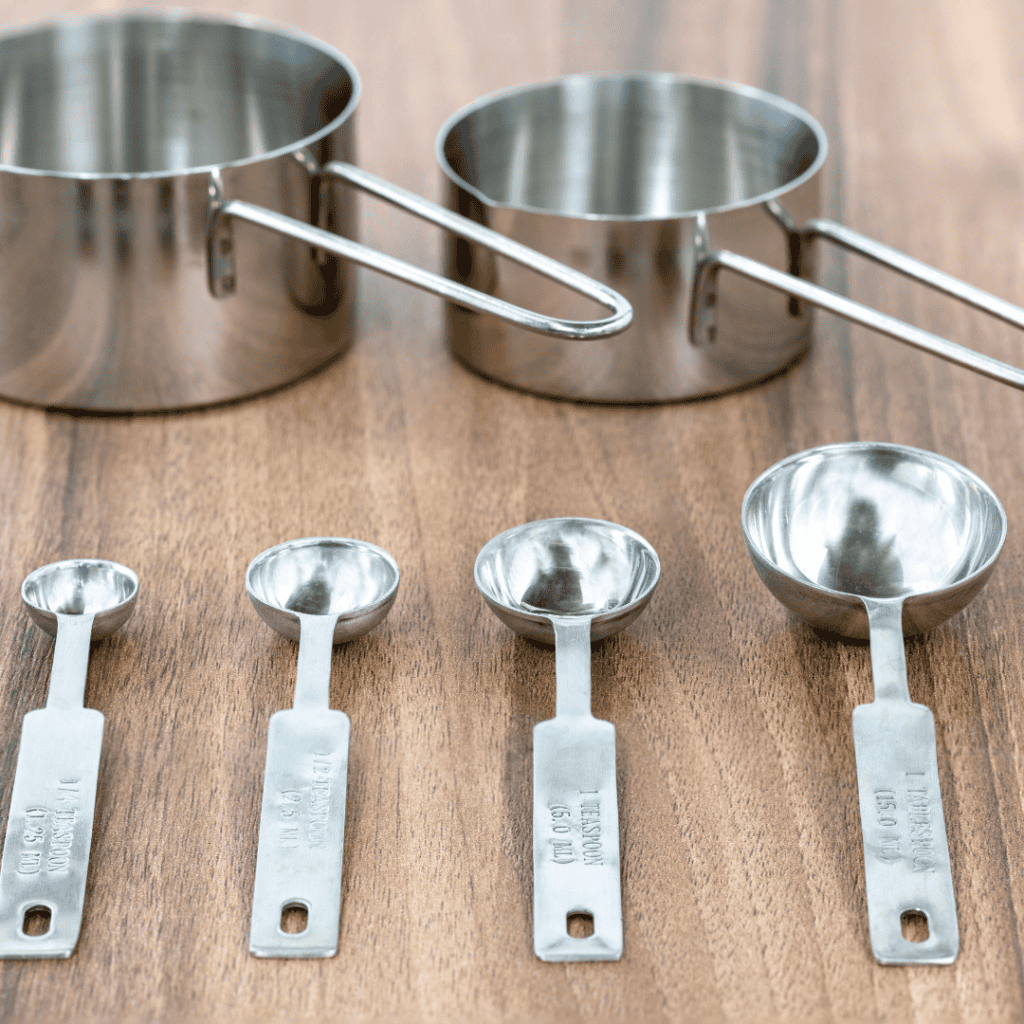
Spoons are handy tools for measuring small amounts. A tablespoon and a teaspoon can help you estimate parts of a cup.
- 1 cup equals 16 tablespoons
- 1 tablespoon equals 3 teaspoons
- Use 16 tablespoons to measure one cup
- Fill the spoon level each time for better accuracy
Estimating With Standard Glasses And Mugs
Most glasses and mugs have common sizes you can use to measure liquids or dry ingredients.
| Item | Approximate Volume |
| Standard drinking glass | 8 ounces (1 cup) |
| Small coffee mug | 6 to 8 ounces |
| Large coffee mug | 10 to 12 ounces |
| Tea cup | 4 to 6 ounces |
Fill the glass or mug to the top to get close to the amount you need.
Using Food Packaging For Reference
Food packages often show the volume or weight of their contents. You can use these numbers to estimate measurements.
- Check the label for volume or weight in cups or ounces
- Compare the package size to what you need
- Use parts of the package if possible, like half or quarter
- Be aware that dry and liquid measurements differ

Credit: thehungryequestrian.com
Visual Portioning Techniques
Measuring a cup without measuring cups is easy if you use visual portioning. This method helps you guess amounts by sight. You can use simple tools around you to estimate food portions.
Visual portioning saves time and works well in any kitchen. It helps keep meals balanced even without special tools.
Using Your Hand As A Guide
Your hand is a handy tool to measure food portions. The size of your palm, fingers, and fist can show approximate amounts.
For example, a fist usually holds about one cup of food. The palm size can equal about three ounces of meat.
- Fist = 1 cup of vegetables or rice
- Palm = 3 ounces of meat or fish
- Thumb = 1 tablespoon of sauce or oil
- Thumb tip = 1 teaspoon of butter or peanut butter
Comparing To Familiar Objects
Use common objects to compare food amounts. This helps you estimate cup sizes without tools.
For example, a baseball is close to one cup. A deck of cards is about three ounces of meat. These objects are easy to find and remember.
- Baseball = 1 cup of chopped vegetables or fruit
- Deck of cards = 3 ounces of cooked meat
- Tennis ball = 1 cup of pasta or grains
- Golf ball = 2 tablespoons of peanut butter or butter
Portioning With Plate Sizes
Use your plate size to divide food into portions. This method works well for balanced meals.
Fill half the plate with vegetables or salad. One quarter should have protein like meat or beans. The last quarter is for grains or starches.
- 50% vegetables or salad
- 25% protein (meat, beans, tofu)
- 25% grains or starch (rice, pasta, potatoes)
Diy Measuring Tools
Measuring cups are handy but not always available. You can use everyday items to measure a cup of liquid or dry goods. These DIY tools help keep your cooking accurate.
Try simple ways to measure without special tools. Using containers, paper, or string lets you estimate amounts easily. These methods work well in the kitchen or for crafts.
Marking Containers With Water Levels
Find a clear container that holds about one cup. Use water to mark the level for one cup measurement. This creates a visual guide for future use.
- Fill the container with water using a kitchen scale or known measuring cup.
- Mark the water line with a permanent marker or tape.
- Let the water dry and label the mark as “1 cup.”
- Use this container to measure liquids or dry ingredients by filling to the mark.
Creating A Paper Measuring Strip
Use a strip of paper to measure volume by folding or marking it. This works well for dry ingredients like flour or sugar.
- Cut a strip of paper about two inches wide and ten inches long.
- Fold the paper into sections equal to known volumes, like 1/4 cup parts.
- Mark each fold with the volume it represents.
- Fill your container or bowl to match the paper strip sections.
- Use the strip as a quick volume guide for measuring ingredients.
Using String Or Ruler For Volume
String or a ruler can measure the height of liquid or dry items in a container. Match the height to a volume chart for accuracy.
| Height (inches) | Volume (cups) |
|---|---|
| 1 | 1/4 cup |
| 2 | 1/2 cup |
| 3 | 3/4 cup |
| 4 | 1 cup |
Measure the height of the ingredient in the container with string or a ruler. Use the table to find the volume. This method works best with straight-sided containers.
Credit: www.kingarthurbaking.com
Tips For Accuracy And Consistency
Measuring a cup without measuring cups is possible with the right techniques. Accuracy and consistency help keep your recipes reliable.
Using common kitchen items and simple tricks can make your measurements close to exact. This guide shares tips for good results.
Leveling Ingredients For Precision
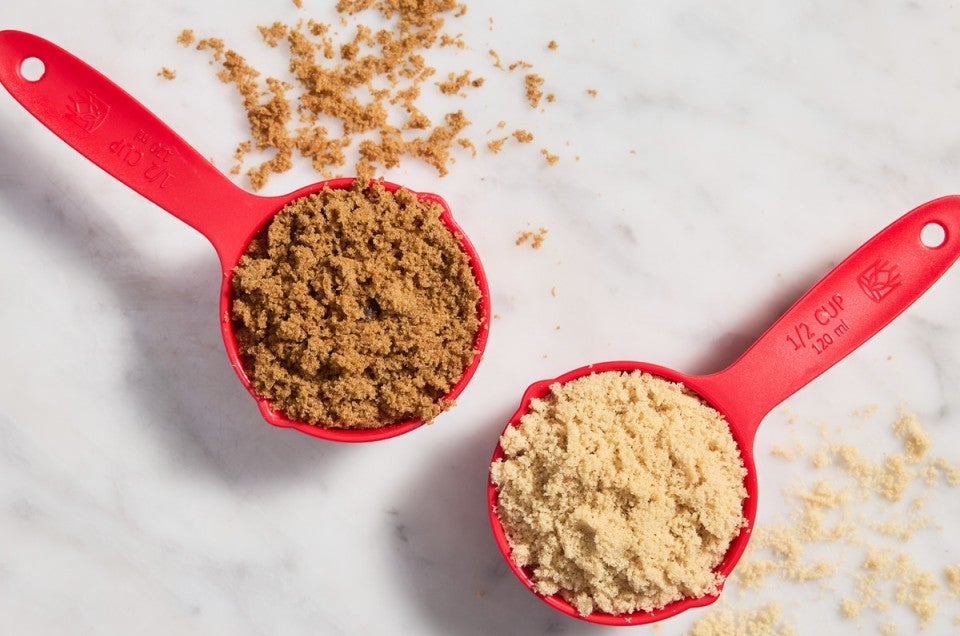
When measuring dry ingredients, fill the container slightly over the top. Then use a flat edge to level it off.
This removes extra ingredient and gives you an exact amount, avoiding packed or loose measurements.
- Use the back of a knife or a straight spatula to level.
- Do not shake or tap the container before leveling.
- Leveling helps maintain the right balance in recipes.
Adjusting For Dry Vs. Liquid Ingredients
Dry and liquid ingredients need different measuring approaches. Dry items like flour should be scooped and leveled.
For liquids, use a clear container and check the amount at eye level on a flat surface.
- Dry ingredients: scoop, then level with a flat edge.
- Liquid ingredients: use a clear cup and read at eye level.
- Avoid spilling liquids when pouring to keep accuracy.
Practicing And Recording Measurements
Practice measuring with common items like spoons, glasses, or jars. Compare results to known amounts.
Write down your measurements and notes. This helps improve accuracy for future cooking or baking.
- Try measuring ingredients several times to find consistency.
- Keep a notebook of your custom measurements and tips.
- Adjust your notes if you notice changes in ingredient texture or brand.
Credit: www.recipesandplaces.com
Frequently Asked Questions
How Can I Measure A Cup Without Tools?
Use everyday items like a standard coffee mug or a drinking glass. Fill it with water, then pour into a measuring cup to note the volume. Alternatively, you can use tablespoons; 16 tablespoons make one cup. These methods provide a practical way to measure a cup without specialized tools.
What Household Items Can Measure A Cup?
Common household items like a coffee mug, drinking glass, or yogurt container can help. Typically, these items hold around a cup. You can verify by pouring water into a measuring cup. This approach ensures you have a close approximation of a cup using items you already have.
Are There Tricks To Estimate A Cup?
Yes, there are simple tricks. Visualize a baseball or a fist; both approximate the volume of a cup. Use this mental image to guide your estimation. Though not exact, it provides a helpful reference point when measuring a cup without traditional tools.
Can I Use Tablespoons To Measure A Cup?
Absolutely, you can use tablespoons. One cup equals 16 tablespoons. Simply count out 16 tablespoons of your ingredient. This method is straightforward and works well for both liquid and dry ingredients, ensuring you can measure accurately without a traditional cup.
Conclusion
Measuring a cup without measuring tools is simple and quick. Use common items like spoons, jars, or your hand to estimate amounts. Practice helps you get closer to the right measure every time. Cooking and baking become easier with these easy tricks.
Try these methods next time you lack measuring cups. You can still enjoy your favorite recipes without extra tools. Keep these tips in mind and cook with confidence.