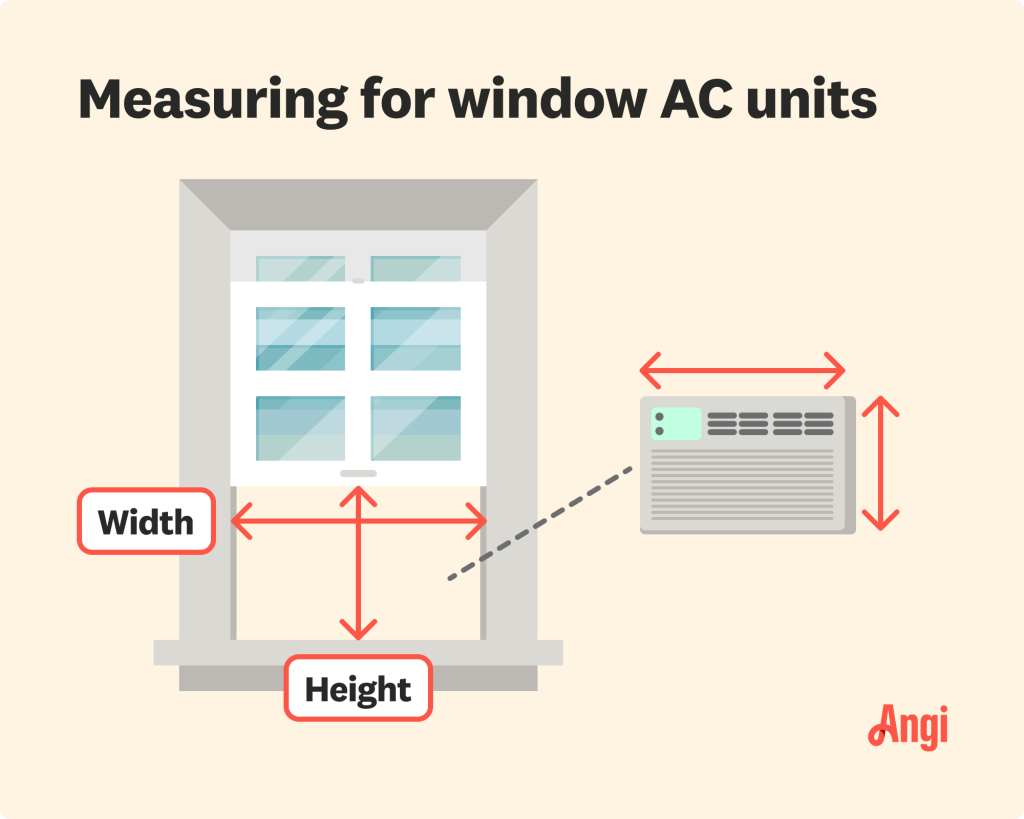
Are you unsure how to measure your air conditioner correctly? Getting the right size matters more than you think.
If your AC is too big or too small, it won’t cool your space efficiently, and your energy bills could skyrocket. But don’t worry—measuring your air conditioner is easier than it sounds. You’ll learn simple steps to measure your unit accurately.
By the end, you’ll have the confidence to pick the perfect AC size for your home or office. Keep reading to save money, stay cool, and avoid costly mistakes.
Credit: www.furnaceprices.ca
Importance Of Accurate Measurements
Accurate measurementsensure the air conditioner fits perfectly. This helps the unit cool the space efficiently and saves energy. Too small or too large units waste power and money.
Correct size helps the air conditioner work quietly and last longer. It also avoids frequent repairs and discomfort due to uneven cooling.
- Measure room length, width, and height.
- Check window size and placement.
- Note ceiling height and insulation quality.
- Account for sunlight exposure during the day.
These details help find the right air conditioner capacity. This keeps your home cool and your bills low.
Credit: thegentlemenpros.com
Tools Needed For Measurement
To measure an air conditioner, certain toolsare essential. A tape measurehelps find the unit’s length, width, and height. A thermometerchecks the air temperature before and after cooling. A multimetermeasures electrical current and voltage. A pressure gaugetests refrigerant pressure inside the system.
Use a notepad and pento record all measurements clearly. A level toolensures the unit is installed straight. These tools make measuring accurate and simple.
| Tool | Purpose |
|---|---|
| Tape Measure | Measure unit dimensions |
| Thermometer | Check air temperature |
| Multimeter | Measure electrical values |
| Pressure Gauge | Test refrigerant pressure |
| Level Tool | Ensure proper unit alignment |
| Notepad and Pen | Record measurements |
Measuring The Window Or Wall Space
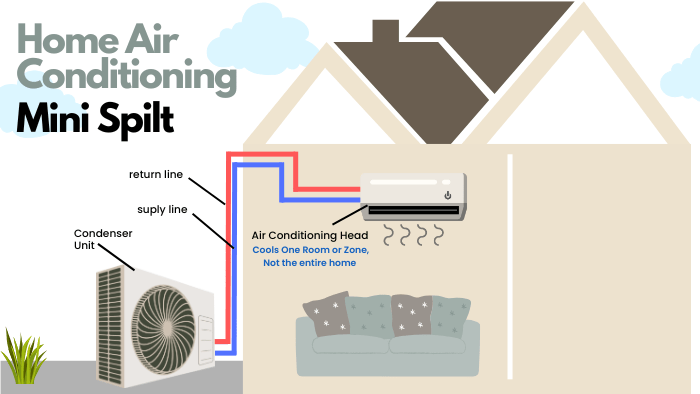
Choose the spot where the air conditioner will sit. It can be a window or a wall space. Make sure the area is clear and easy to reach.
Use a tape measure to get the width, height, and depthof the space. Measure the inside edges where the unit will fit.
| Dimension | What to Measure | How to Measure |
|---|---|---|
| Width | Distance from left to right inside edges | Place tape at one edge, stretch to the other |
| Height | Distance from top to bottom inside edges | Measure straight down inside the space |
| Depth | Space from front to back of the opening | Measure how deep the unit can fit |
Write down the numbers carefully. These will help find the right air conditioner size.
Determining The Air Conditioner Size
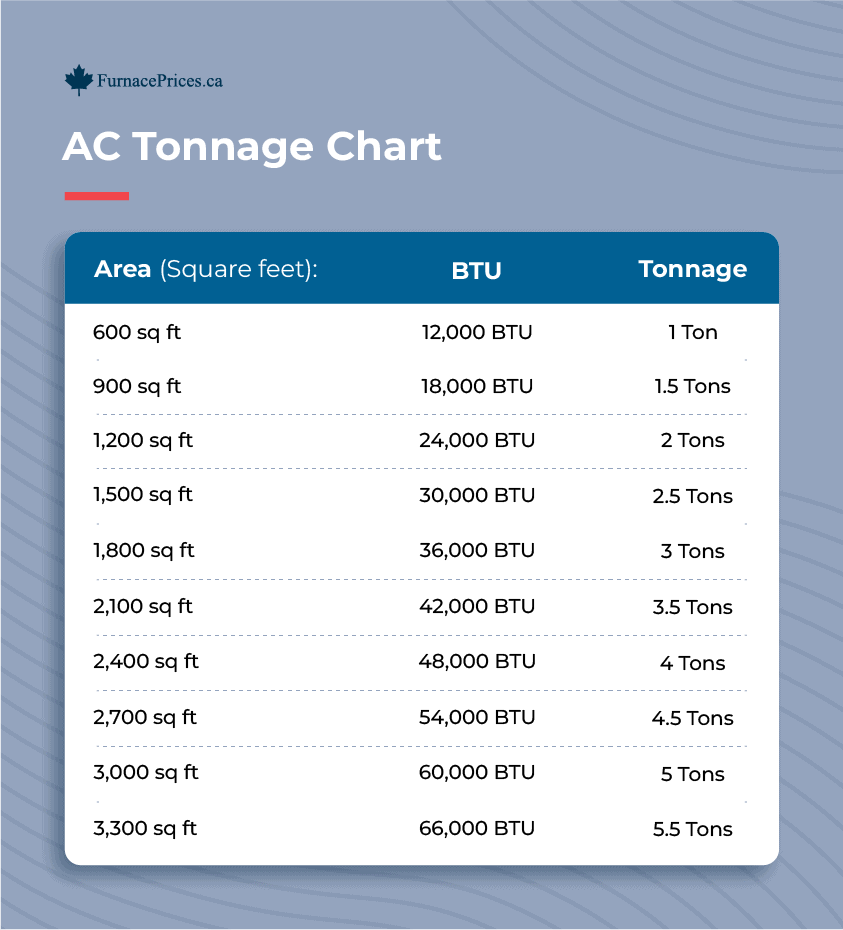
BTUmeans British Thermal Unit. It shows how much heat an air conditioner can remove.
To find the right BTU size, measure the room’s size in square feet.
Use this simple guide for BTU requirementsbased on room size:
| Room Size (sq ft) | BTU Needed |
|---|---|
| Up to 150 | 5,000 BTU |
| 150 – 250 | 6,000 – 8,000 BTU |
| 250 – 350 | 8,000 – 10,000 BTU |
| 350 – 450 | 10,000 – 12,000 BTU |
Room shape and layoutaffect cooling needs.
- High ceilings need more power.
- Sunlight makes the room warmer.
- More windows mean more BTU required.
Consider these to choose the right air conditioner size.
Checking Electrical Compatibility
Check the voltagerating of the air conditioner before installation. It should match the home’s electrical supply. Look for the unit’s amperagerating to ensure the circuit can handle the load. Use a multimeter to measure the outlet’s voltage for accuracy.
Locate power outlets near the installation site. Measure the distance from the unit to the outlet to avoid using long extension cords. Make sure the outlet is grounded and in good condition. Avoid using outlets shared with heavy appliances to prevent overload.
| Factor | What to Check |
|---|---|
| Voltage | Matches air conditioner’s rating |
| Amperage | Circuit can handle the load |
| Power Outlet | Close, grounded, and undamaged |
| Distance | Short to avoid extension cords |
Credit: www.furnaceprices.ca
Evaluating Ventilation Needs
Proper ventilationensures your air conditioner cools the room well. Air must flow freely around vents and ducts. Avoid placing furniture or curtains near vents. This stops blockagesand keeps airflow steady.
Check that no objectscover or block the air intake or outflow. Clear away dust and debris regularly. This helps the system work better and last longer.
- Keep vents open and free of obstacles.
- Make sure windows and doors close tightly.
- Use fans to help move air in larger rooms.
Finalizing The Installation Plan
Check all measurementscarefully before starting the installation. Measure the spacewhere the air conditioner will be placed. Confirm the room sizeto match the AC’s capacity. Ensure the power supplymeets the AC’s needs. Verify that the mounting areais strong and suitable. Double-check the ventilationand clearance around the unit.
Gather all tools and materialsneeded for the installation. Prepare the wall or windowopening as per the AC’s size. Clear the area to avoid any obstacles. Make sure you have fasteners, brackets, and sealantsready. Confirm the drainage systemis in place and working. Safety gear like gloves and goggles is important too.
Frequently Asked Questions
How Do I Measure An Air Conditioner Size?
Measure the width, height, and depth of your air conditioner unit. Use a tape measure for accuracy. Compare measurements with manufacturer specs to find your AC size.
Why Is Measuring Air Conditioner Capacity Important?
Measuring ensures you choose the right cooling capacity. Proper sizing improves efficiency, reduces energy costs, and maintains comfort. Oversized or undersized units cause performance issues.
What Tools Are Needed To Measure An Air Conditioner?
You need a tape measure and a notepad. Optionally, use a digital laser measure for precision. These tools help record your AC’s dimensions accurately.
How To Measure Air Conditioner Airflow In Cfm?
Use an anemometer to measure airflow speed. Multiply speed by duct cross-sectional area to calculate CFM. This helps assess your AC’s ventilation performance.
Conclusion
Measuring your air conditioner helps keep your home cool and comfortable. It ensures you pick the right size for your space. Too big or too small units waste energy and money. Use simple tools like a tape measure and a calculator.
Take accurate room dimensions for best results. Regular checks keep your AC working well. This guide makes measuring easy and clear. Now, you can feel confident choosing or checking your air conditioner. Stay cool all year with the right size unit.