Are you ready to find the perfect baseball bat that fits you just right? Knowing how to measure a baseball bat is the first step to improving your game and feeling confident at the plate.
Using a bat that’s too long, too heavy, or too short can throw off your swing and slow you down. But don’t worry—this guide will show you simple, clear steps to measure your bat quickly and accurately. By the end, you’ll have the knowledge to pick the bat that matches your size, strength, and style.
Keep reading, and get ready to step up to the plate with the perfect bat in your hands!
Choosing The Right Length
Choosing the right baseball bat length helps you hit better. A bat that is too long or too short can affect your swing.
Knowing how to measure your height and age can guide you to pick the correct bat size. Also, your batting style matters.
Measuring Your Height
Measure your height without shoes. Stand straight against a wall and mark the top of your head. Use a tape measure to find the length from the floor to the mark.
- Use a flat ruler or tape measure
- Remove shoes before measuring
- Stand with your back against the wall
- Mark the top of your head with a pencil
- Measure from the floor to the mark
Matching Length To Player Age
Age helps decide the bat length since kids grow fast. Use this chart to find a good bat size for each age group.
| Player Age | Recommended Bat Length (inches) |
| 5 – 7 years | 24 – 26 |
| 8 – 10 years | 26 – 28 |
| 11 – 12 years | 28 – 30 |
| 13 – 14 years | 30 – 32 |
| 15 years and older | 32 – 34 |
Considering Batting Style
Your style affects bat length choice. Power hitters often pick longer bats for more reach. Contact hitters pick shorter bats for quick swings.
- Power hitters: Choose a longer bat for more power
- Contact hitters: Pick a shorter bat for faster swings
- Try swinging different lengths to see what feels best

Credit: batdigest.com
Determining The Correct Weight
Choosing the right baseball bat weight is key for better performance. A bat that is too heavy or too light can affect your swing and control.
Knowing how to measure and decide the correct weight helps you play comfortably and improve your hitting accuracy.
Understanding Weight-to-length Ratio
The weight-to-length ratio shows how heavy a bat is compared to its size. It is written as a drop number, like -3 or -5.
A lower drop number means a heavier bat for its length. For example, a 30-inch bat with a drop of -3 weighs 27 ounces.
| Bat Length (inches) | Drop Weight | Bat Weight (ounces) |
|---|---|---|
| 28 | -5 | 23 |
| 30 | -3 | 27 |
| 32 | -8 | 24 |
Testing Swing Comfort
Try swinging the bat several times to check how it feels. Your swing should be smooth and not forced.
- Hold the bat at the handle and swing at normal speed.
- Notice if the bat feels balanced or if it pulls your hand down.
- Check if you can control the bat easily without strain.
- Make sure your wrists do not hurt after swinging.
Adjusting For Strength And Skill
Your strength and skill level affect the best bat weight for you. Stronger players can use heavier bats, while beginners need lighter ones.
Use this guide to choose the right weight based on your skill:
- Beginner: Use a lighter bat for easier control and faster swing.
- Intermediate: Choose a medium weight to balance power and speed.
- Advanced: Pick a heavier bat to maximize hitting power.
Measuring The Handle And Grip
Knowing how to measure a baseball bat handle and grip is essential. It helps in selecting a bat that fits well in your hands.
This guide explains the steps to check handle thickness, choose the right grip material, and ensure a comfortable hold.
Checking Handle Thickness
Handle thickness affects your grip on the bat. A handle that is too thick or too thin can impact your swing.
- Wrap a tape measure around the handle.
- Ensure it lies flat and is not twisted.
- Record the circumference for accuracy.
Selecting Grip Material
The grip material affects how the bat feels in your hand. It can also influence your control and comfort during play.
- Leather: Durable and offers a strong grip.
- Synthetic: Lightweight and moisture-resistant.
- Rubber: Cushions your hand and reduces vibrations.
Ensuring Comfortable Hold
A comfortable hold is vital for effective swings. Ensuring the right grip size can enhance your performance.
| Grip Size | Hand Size |
| Small | Under 7 inches |
| Medium | 7 to 8 inches |
| Large | Over 8 inches |
Using Tools For Accurate Measurement
Measuring a baseball bat correctly helps you find the right size. Using the right tools makes measurement easy and precise.
This guide explains how to measure your bat using simple tools and references. Follow these tips to get a perfect fit.
Tape Measure Techniques
Use a flexible tape measure to get the length of the bat. Start from the bottom of the handle to the tip of the barrel.
- Place the tape measure flat along the bat.
- Keep the tape straight without bending.
- Note the measurement at the bat’s end.
- Measure twice to be sure of accuracy.
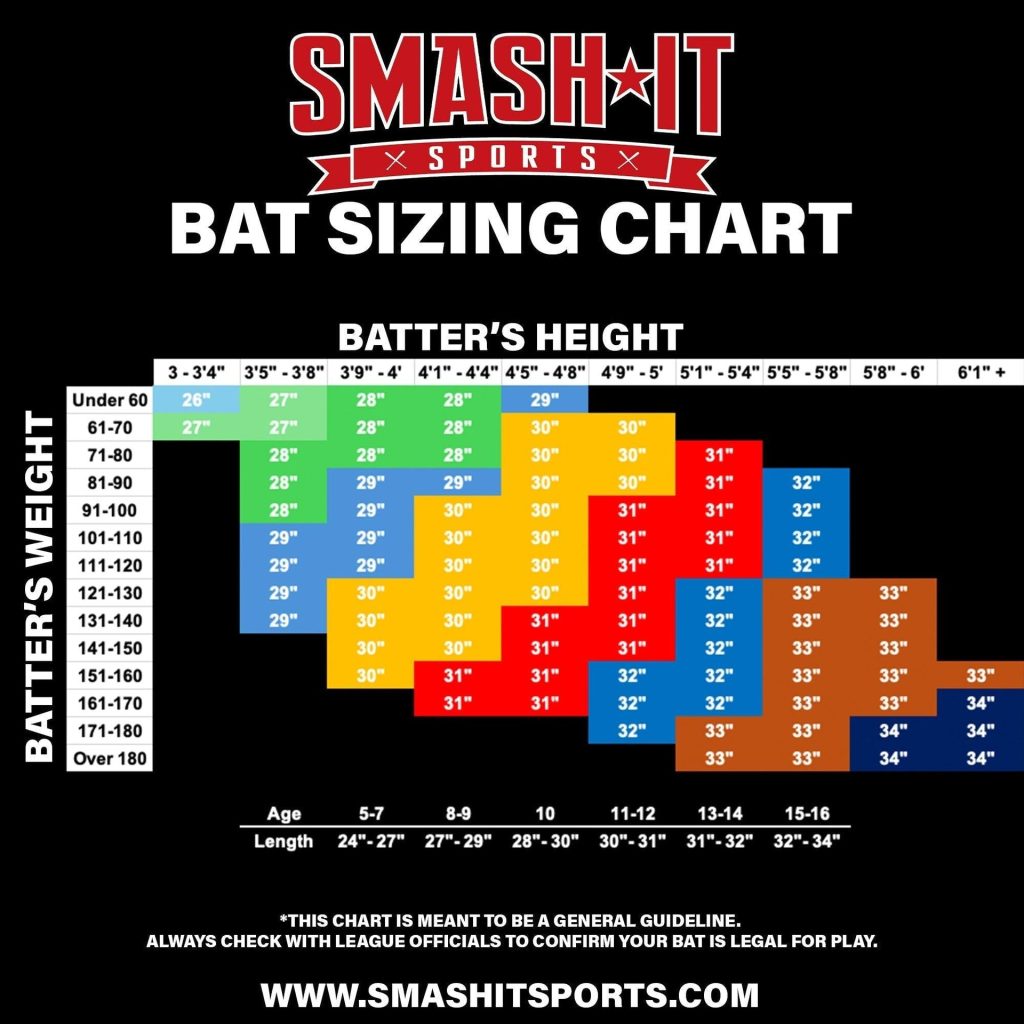
Bat Sizing Charts
Bat sizing charts match player height and weight to bat length and weight. These charts help pick the right size quickly.
| Player Height | Player Weight | Bat Length |
| 4’0″ – 4’6″ | 35 – 50 lbs | 26″ – 27″ |
| 4’7″ – 5’0″ | 51 – 75 lbs | 28″ – 29″ |
| 5’1″ – 5’6″ | 76 – 100 lbs | 30″ – 31″ |
| 5’7″ and up | 100+ lbs | 32″ – 34″ |
Online Measurement Guides
Online guides use videos and tools to help measure bats. They show how to measure and offer sizing tips.
Common steps in online guides:
- Use a tape measure or ruler.
- Measure from the bottom to the tip.
- Check the bat weight if possible.
- Compare results to sizing charts.
Common Mistakes To Avoid
Choosing the right baseball bat is important for good play. Many people make simple mistakes when measuring or selecting a bat. These mistakes can cause discomfort or even break the rules.
Here are some common errors to watch out for when picking a baseball bat. Avoiding them helps you find a bat that fits well and follows regulations.
Choosing Too Long Or Heavy
Picking a bat that is too long or heavy can slow your swing. It makes it harder to control the bat and hit the ball properly. Many beginners think a bigger bat means more power, but this is not true.
- A bat too long can be hard to swing fast.
- A heavy bat tires your arms quickly.
- Too big bats reduce your ability to react quickly.
- Choose a bat length and weight that feels balanced.
Ignoring Personal Comfort
Comfort is key when using a baseball bat. Some players pick a bat based on advice or style, not on how it feels. This leads to poor performance and less enjoyment.
| Comfort Factor | What to Check |
| Grip | Make sure the handle fits your hands well |
| Weight | Feel if you can swing without strain |
| Length | Check if you can control the bat easily |
| Balance | Bat should not feel heavy on one end |
Overlooking League Regulations
Each baseball league has rules about bat size and material. Using a bat not allowed by your league can cause penalties. Many players forget to check these rules before buying.
- Check maximum allowed bat length
- Confirm permitted bat weight limits
- Verify bat material is approved
- Look for certification stamps on the bat

Credit: www.amazon.ca
Tips For Bat Maintenance
Taking care of your baseball bat helps it last longer and perform better. Regular maintenance prevents damage and keeps the bat in top shape.
Here are some easy tips to keep your bat clean, safe, and ready for the next game.
Cleaning And Storage
Clean your bat after every use to remove dirt and grime. Use a soft cloth and mild soap with water to wipe the bat gently. Avoid soaking the bat or using harsh chemicals.
- Wipe the bat dry with a clean towel
- Store it in a cool, dry place away from direct sunlight
- Use a bat sleeve or bag for extra protection
- Keep the bat off the ground to avoid moisture
Regular Inspection
Check your bat often for cracks, dents, or loose parts. Early damage can reduce your bat’s performance and safety. Inspect the barrel, handle, and knob carefully before and after games.
| Part of Bat | What to Check | Action if Damaged |
| Barrel | Cracks, dents, warping | Stop using and repair or replace |
| Handle | Loose grip, splinters | Replace grip or tape |
| Knob | Cracks, looseness | Fix or replace knob |
Replacing Grip And Tape
Old grips and tape can slip and cause injury. Change them when they look worn or feel sticky. New tape improves your hold and comfort.
- Remove old tape carefully without damaging the handle
- Clean the handle before applying new tape or grip
- Wrap the tape tightly and evenly for best hold
- Use cushioned grips for extra comfort if desired
Credit: www.annexbaseball.com
Frequently Asked Questions
How Do You Measure The Length Of A Baseball Bat?
Measure from the bottom of the knob to the tip of the barrel. Use a tape measure or ruler for accuracy. This gives the official length used in baseball standards and helps choose the right bat size.
What Is The Best Way To Measure Bat Weight?
Use a digital scale to weigh the bat in ounces or grams. Accurate weight measurement ensures you pick a bat suited to your strength and hitting style. Avoid guessing the weight for safety and performance.
How To Find The Right Bat Size For A Player?
Consider the player’s height and weight, then match with bat length charts. Proper bat sizing improves comfort, control, and swing speed. Always test the bat before purchase for the best fit.
Can Bat Diameter Affect Measuring Length?
No, bat diameter does not affect length measurement. Length is a straight measurement from knob to barrel tip. Diameter matters for grip and swing but not for length accuracy.
Conclusion
Measuring a baseball bat is simple with the right steps. Know your height and weight to choose the best size. Use a tape measure to check the bat’s length carefully. Remember, the correct bat helps improve your swing and comfort.
Take your time and measure often to find the perfect fit. This way, you can enjoy playing baseball with confidence and ease. Keep practicing, and your skills will grow alongside your bat choice.