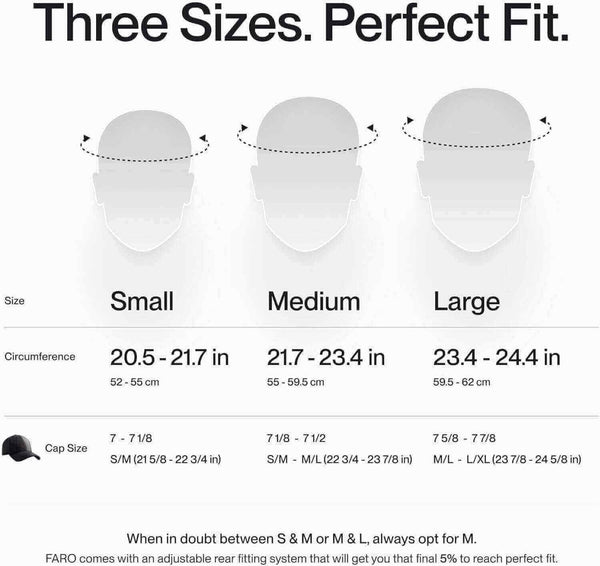
Choosing the right bike helmet size is more important than you might think. If your helmet doesn’t fit well, it won’t protect you properly when you need it most.
You might feel confused about how to find the perfect fit or worried about buying the wrong size. Don’t worry—this guide will show you exactly how to measure your head and pick a helmet that feels comfortable and keeps you safe.
Keep reading to learn simple steps that make all the difference in your cycling safety.
Why Helmet Fit Matters
A bike helmet protects your head in crashes. The right fit keeps it in place.
A helmet that fits well reduces injury risk. It feels comfortable and stays secure.
Safety Benefits Of A Proper Fit
A helmet that fits correctly absorbs impact better. It stops your head from hitting hard surfaces.
- Prevents the helmet from moving during a crash
- Ensures even pressure distribution on your head
- Reduces chances of helmet slipping off
Comfort And Wearability
A well-fitting helmet feels good on your head. It avoids pressure spots and discomfort.
Comfort helps you wear the helmet all the time. This keeps you safe on every ride.
How To Check Helmet Fit
| Fit Check | What to Look For |
| Snugness | Helmet fits tightly without pain |
| Position | Helmet sits level and covers forehead |
| Strap Adjustment | Straps form a V under ears and buckle firmly |
| Movement | Helmet does not move when you shake your head |
Tools Needed For Measurement
Measuring your head size is important to find the right bike helmet. You need a few simple tools to get an accurate measurement.
These tools are easy to find and help ensure your helmet fits well and keeps you safe.
Flexible Measuring Tape
A flexible measuring tape is the best tool to measure your head. It wraps easily around your head shape.
Use it to measure the widest part of your head, just above your eyebrows and ears.
Mirror
A mirror helps you see where the measuring tape sits. This keeps the tape level and in the right spot.
It is hard to measure your head without a mirror to check the tape’s position.
Pen And Paper
Use a pen and paper to write down your measurement. This helps you remember the size when shopping for helmets.
Record the measurement in centimeters or inches, whichever you prefer.
Helmet Size Chart
A helmet size chart helps you match your head measurement to the correct helmet size. This chart is often available online or in stores.
Use the chart to find your size, such as small, medium, or large, based on your measurement.
Measuring Your Head Circumference
Knowing your head size helps you pick the right bike helmet. A properly fitting helmet is crucial for safety and comfort while riding.
Measuring your head is simple and takes just a few minutes. You can use a soft tape measure or other methods if you don’t have one.
Using A Soft Tape Measure
A soft tape measure is the best tool for measuring your head. It is flexible and easy to use around your head’s shape.
Place the tape measure around your head, about one inch above your eyebrows. Make sure it is level all the way around.
- Ensure the tape is snug but not tight
- Read the measurement where the tape meets
- Note the measurement for helmet sizing
Alternative Methods Without Tape
If you don’t have a tape measure, you can use a string. Wrap the string around your head, then measure the string with a ruler.
Another option is using a piece of paper strip. Mark where the ends meet, then measure the length with a ruler.
- Use a string or paper strip for measurement
- Ensure it is level and snug around your head
- Measure the string or paper strip with a ruler

Credit: yankel.co.uk
Reading Size Charts Correctly
Choosing the right bike helmet size is important for safety and comfort. Size charts help you find the best fit. Understanding how to read them will save time and avoid mistakes.
Size charts show measurements in centimeters or inches. They often use labels like small, medium, and large. Reading these charts correctly helps you pick the right helmet for your head.
Standard Size Labels
Helmet sizes usually come with standard labels. These labels indicate a range of head measurements. Knowing these ranges helps you find your size quickly.
| Size Label | Head Circumference (cm) | Head Circumference (inches) |
|---|---|---|
| Small (S) | 52 – 56 | 20.5 – 22 |
| Medium (M) | 56 – 58 | 22 – 22.8 |
| Large (L) | 58 – 61 | 22.8 – 24 |
| Extra Large (XL) | 61 – 64 | 24 – 25.2 |
Differences Between Brands
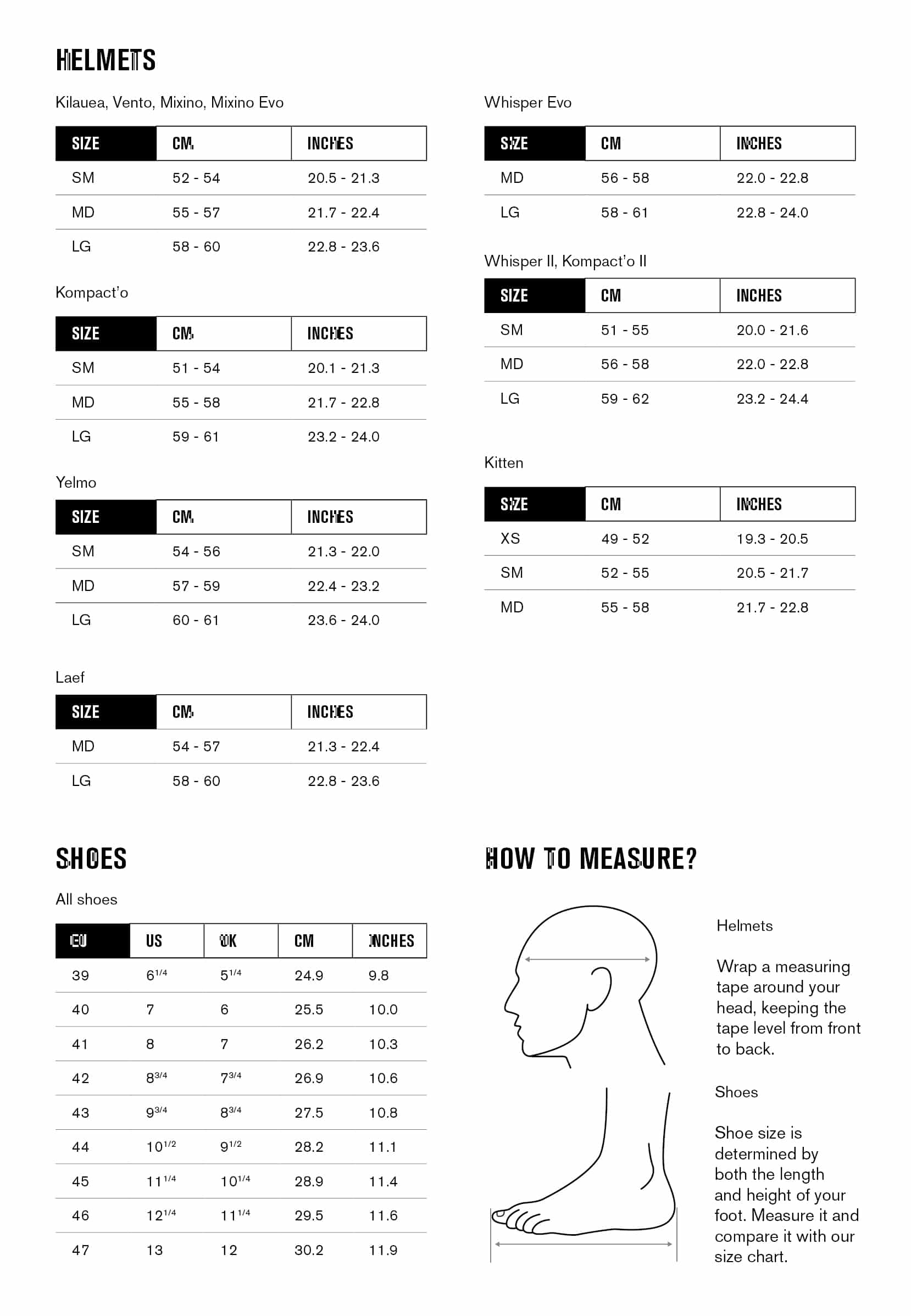
Each helmet brand may use different size ranges. This means a medium in one brand may fit like a small or large in another. Always check the brand’s own size chart before buying.
- Measure your head with a tape measure just above your eyebrows.
- Compare your measurement to the brand’s size chart.
- Look for fit details like helmet shape and padding thickness.
- Read customer reviews to see if the brand runs small or large.
Checking Helmet Fit In Person
Wearing a properly fitting bike helmet is important for safety. Checking the fit in person helps ensure the helmet protects well.
This guide shows how to check the helmet fit by positioning, adjusting straps, and testing comfort and stability.
Positioning The Helmet
Place the helmet level on your head. The front edge should sit just above your eyebrows.
Make sure the helmet covers the top of your forehead and does not tilt back or forward.
- Helmet sits flat and level
- Front edge just above eyebrows
- Helmet covers forehead fully
- No tilting forward or backward
Strap Adjustment Tips
Adjust the side straps so they form a “V” shape under your ears. The straps should fit snugly but feel comfortable.
Buckle the chin strap and tighten it until it fits firmly. You should be able to fit one or two fingers between the strap and your chin.
- Side straps form a “V” under ears
- Straps feel snug but not tight
- Chin strap fastened firmly
- One or two fingers fit under chin strap
Comfort And Stability Tests
Move your head side to side and up and down. The helmet should stay in place without slipping.
Check for any pressure points or pain. A good helmet feels comfortable during these movements.
- Helmet does not slide when moving head
- No tight spots or discomfort
- Helmet stays secure during light shakes
- Comfortable fit for longer rides

Credit: www.btosports.com
Common Fit Issues And Fixes
Choosing the right bike helmet size is important for safety and comfort. Sometimes helmets feel too tight, too loose, or cause pressure points.
Here are common fit problems and simple ways to fix them for a better ride.
Helmet Too Tight
A helmet that is too tight can cause headaches and discomfort. It may press hard on your head and feel like it squeezes your skull.
To fix this, try loosening the straps or adjusting the fit system at the back of the helmet. If it still feels tight, choose a larger size.
- Loosen chin straps slightly
- Use the dial or fit adjustment inside the helmet
- Try a size up if discomfort continues
Helmet Too Loose
A loose helmet can move around while riding. This reduces protection and may distract you on the road.
Fix looseness by tightening the chin strap and adjusting the fit system. Padding inserts can also help fill extra space.
- Tighten chin straps until snug but comfortable
- Turn the rear dial to reduce helmet movement
- Add foam pads if the helmet still slips
Pressure Points
Pressure points cause pain in small areas on your head. They appear when the helmet shape does not fit your head well.
Try shifting the helmet slightly or using different padding to spread pressure evenly. If pain stays, test a helmet with a different shape.
- Move helmet position to find a more comfortable spot
- Use thicker or thinner pads to adjust contact areas
- Choose helmets with different shell shapes for better fit
Tips For Buying Online
Buying a bike helmet online needs careful measurement. You want a helmet that fits well and feels comfortable.
Follow some easy tips to find the right size and avoid returns or exchanges.
Using Manufacturer Sizing Guides
Each helmet brand has its own size chart. Always check the sizing guide on the product page.
Measure your head with a tape measure around the largest part, just above your eyebrows.
- Compare your measurement to the chart.
- Choose the size closest to your head size.
- Note if the brand uses small, medium, or numeric sizes.
Return And Exchange Policies
Check the store’s return and exchange rules before buying. This helps if the helmet does not fit.
Look for policies about time limits, condition of the helmet, and who pays for shipping.
- Keep the original packaging until you are sure about the fit.
- Save your receipt or order confirmation.
- Follow instructions exactly for returns or exchanges.
Credit: catlike.com
Frequently Asked Questions
How Do I Measure My Head For A Bike Helmet?
Use a soft tape measure around your head. Measure just above your eyebrows and ears for accuracy. This size helps find a helmet that fits snugly and safely.
What Is The Ideal Bike Helmet Size?
The ideal helmet size matches your head circumference. It should feel snug but comfortable, without pressure points. A proper fit ensures maximum protection during rides.
Can I Use A Regular Tape Measure For Helmet Sizing?
Yes, a regular soft tape measure works well. Avoid rigid rulers as they don’t wrap around the head. Accuracy depends on measuring the correct head area.
How Tight Should A Bike Helmet Fit?
Your helmet should be snug but not too tight. It should not move when you shake your head. Proper fit prevents injury and improves comfort while cycling.
Conclusion
Measuring your bike helmet size ensures a safe and comfortable ride. Use a soft tape to measure your head’s circumference. Compare the number with the helmet size chart. A well-fitted helmet protects your head better during falls. Don’t guess your size; accurate measurement matters.
Always try the helmet on before buying. Adjust the straps for a snug fit. Remember, safety starts with the right size. Take your time to find the perfect helmet. Your head will thank you on every ride.