Using a breast pump is common for many mothers. It helps collect milk when you cannot breastfeed. But to be comfortable and effective, the pump must fit well. The part that touches your breast is called the flange. Choosing the right flange size is very important. A wrong size can cause pain or less milk flow. This guide will help you learn how to measure breast pump flange easily.
What Is a Breast Pump Flange?
The breast pump flange is the cone-shaped part. It fits over your nipple and the area around it. It creates a seal so the pump can suck out milk. Flanges come in many sizes. Different brands may have different shapes and sizes. Using the right flange size helps your pump work well. It also keeps you comfortable while pumping.
Why Is Measuring Flange Size Important?
A flange that fits well does not hurt. It helps milk flow smoothly. If the flange is too small, it can pinch your nipple. This can cause pain or damage. If it is too big, the nipple moves too much. This can cause rubbing or discomfort. A good fit means better milk flow and less pain. So, measuring your flange size is very important.
Parts of a Flange to Measure
When measuring, focus on the opening where your nipple goes. This is called the tunnel or opening size. It is the round hole in the middle of the flange. The size is usually given in millimeters (mm). Most common sizes are between 21 mm and 36 mm.
Some mothers may also check the whole cone size. But the tunnel size is the most important. This size must be just right for your nipple.
Steps to Measure Your Breast Pump Flange Size
- Wash your hands and find a ruler or a tape measure.
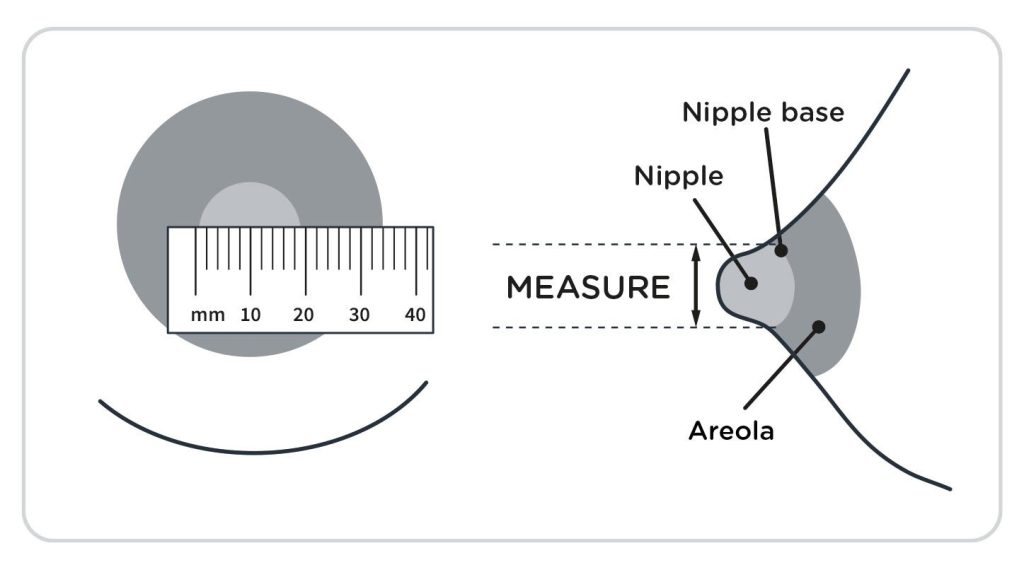
- Look at your nipple carefully. Do not measure the areola (the dark area around the nipple). Only measure the nipple itself.
- Use the ruler to measure the diameter of your nipple at the base. This is where your nipple meets the areola.
- Measure in millimeters for better accuracy. You can convert inches to millimeters (1 inch = 25.4 mm).
- Do not include the areola. Only the nipple size matters for flange fitting.
- Add 2 mm to your nipple size. This space allows your nipple to move freely in the flange without rubbing.
- The final number is your flange size. For example, if your nipple is 20 mm, add 2 mm. Your flange size is 22 mm.
Example Table of Nipple Size and Flange Size
| Nipple Diameter (mm) | Recommended Flange Size (mm) |
|---|---|
| 18 mm | 20 mm |
| 20 mm | 22 mm |
| 22 mm | 24 mm |
| 24 mm | 26 mm |
| 26 mm | 28 mm |
Tips for Accurate Measurement
- Measure your nipple when it is not hard or cold.
- Do not press the nipple while measuring.
- Measure both breasts. They can be different sizes.
- Repeat the measurement a few times to be sure.
- Ask someone to help if you cannot measure well alone.
What If You Do Not Have a Ruler?
You can use a piece of paper or string. Wrap it around your nipple base gently. Mark the length with a pen. Then measure the paper or string with a tape or ruler. This helps if you do not have a small ruler.

Credit: www.cherishedparenting.com.au
Signs Your Flange Size Is Wrong
After using the pump, check for pain or marks. If your nipple hurts or is red, the flange may be too small. If your nipple moves a lot or rubs on the sides, the flange may be too big. You may also see less milk. These signs show you need a different size flange.
How to Choose the Right Flange Size
Use your measurement to find a flange that matches your size. Many pump brands sell different flange sizes. Some brands allow you to buy extra sizes. You can try a few sizes to find the best fit.
Remember, the size is not the same as the whole flange. It is the size of the tunnel opening.
When to Re-Measure Your Flange Size
Your nipple size can change. If you feel pain or discomfort, measure again. After a few weeks of pumping, check again. Body changes, weight loss, or breastfeeding can change nipple size. It is good to check every few months or when you feel problems.
.png)
Credit: www.cherishedparenting.com.au
Summary
Measuring your breast pump flange is simple. Use a ruler and measure your nipple base in millimeters. Add 2 mm to this size for the correct flange size. Choose a flange that fits this size. A proper flange size gives comfort and better milk flow. Check your flange size often to stay comfortable.
Taking time to measure your flange helps your pumping experience. It can reduce pain and improve milk collection. Always remember to be gentle while measuring. Your comfort and health are most important.
Frequently Asked Questions
How Do I Measure My Breast Pump Flange Size?
Measure the diameter of your nipple base in millimeters. Choose a flange size that matches this measurement.
Why Is Flange Size Important For Breast Pumping?
The right flange size ensures comfort and effective milk flow during pumping.
Can A Wrong Flange Size Cause Pain?
Yes, a flange too small or too large can cause nipple pain or damage.
How Often Should I Check My Flange Size?
Check your flange size every few months or if you feel discomfort.