Measuring butter in cups might seem simple, but it can quickly become confusing if you don’t know the right tricks. Are you tired of guessing and ending up with too much or too little butter in your recipes?
You’re not alone. Getting this measurement right can make all the difference in the taste and texture of your favorite dishes. You’ll discover easy, foolproof methods to measure butter perfectly every time—no stress, no mess. Keep reading to master this kitchen skill and take your cooking to the next level!
Types Of Butter Measurements
Measuring butter correctly is key for baking and cooking. Butter comes in different forms and sizes. Knowing how to measure it helps you get the right amount.
This guide covers common types of butter measurements and tips for accuracy.
Stick Butter Vs. Block Butter
Stick butter is common in the US and comes pre-measured in sticks. Each stick equals 1/2 cup or 8 tablespoons. Block butter is sold as a whole piece and needs cutting.
- Stick butter has marks for easy slicing.
- Block butter requires a scale or measuring cup.
- Stick butter saves time in measuring.
- Block butter is common in Europe and other regions.
Using Tablespoons And Teaspoons
When you do not have cup measures, tablespoons and teaspoons help you measure butter. This works well for small amounts.
| Measurement | Tablespoons | Teaspoons |
| 1/4 cup | 4 tbsp | 12 tsp |
| 1/3 cup | 5 tbsp + 1 tsp | 16 tsp |
| 1/2 cup | 8 tbsp | 24 tsp |
| 1 cup | 16 tbsp | 48 tsp |
Use a measuring spoon to scoop softened butter. Level off with a knife for accurate amounts.

Credit: cabotcreamery.com
Tools For Measuring Butter
Measuring butter correctly is important for good cooking and baking. Using the right tools helps you get the exact amount needed.
There are several tools you can use to measure butter. Each tool works best in different situations.
Measuring Cups
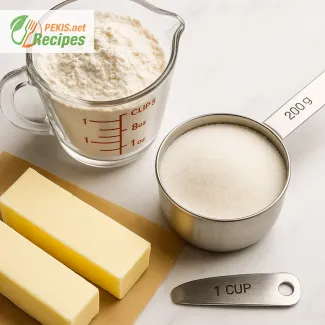
Measuring cups are common kitchen tools for measuring butter. Use dry measuring cups for solid butter.
Butter often comes with markings on the wrapper. These markings show cups and tablespoons.
- Cut the butter along the markings for an exact cup measurement
- Press the butter into the cup firmly to avoid air pockets
- Use a flat edge to level off the butter for accuracy
Kitchen Scale
A kitchen scale gives the most precise measurement for butter. It measures by weight, not volume.
Place the butter on the scale or use a bowl and zero out the weight first.
- Use grams or ounces based on your recipe
- Weigh the butter directly or after wrapping it
- Scales work well for soft or melted butter
Measuring Spoons
Measuring spoons help measure small amounts of butter. They are good for tablespoons and teaspoons.
Softened butter is easier to scoop with spoons. Use the back of a knife to level the butter.
- Fill the spoon with butter, pack it lightly
- Level off the butter for exact measurement
- Useful for recipes needing small butter amounts
Converting Butter Measurements
Measuring butter correctly is important for recipes. Butter often comes in sticks or grams, but many recipes use cups.
This guide helps you convert butter from sticks or grams into cups. It makes baking easier and more accurate.
From Sticks To Cups
Butter in the US usually comes in sticks. Each stick has a standard size and weight. Knowing the cup equivalent helps in baking.
- 1 stick of butter = 1/2 cup
- 2 sticks of butter = 1 cup
- 3 sticks of butter = 1 1/2 cups
- 4 sticks of butter = 2 cups
From Grams To Cups
Butter is also measured in grams in many countries. Converting grams to cups helps use recipes from anywhere.
| Grams | Cups |
|---|---|
| 113 grams | 1/2 cup |
| 226 grams | 1 cup |
| 339 grams | 1 1/2 cups |
| 452 grams | 2 cups |
Measuring Softened Butter
Softened butter is easier to mix and spread in recipes. It is not melted, but soft enough to press with your finger.
Measuring softened butter correctly helps your recipes turn out great. You can use simple tools to get the right amount.
Spoon And Level Method
This method works well for softened butter that is sticky or hard to scoop. Use a spoon to fill your measuring cup gently.
After filling the cup, use a flat edge to level off the butter. This removes extra butter for an exact measure.
- Use a spoon to scoop softened butter into the cup.
- Fill the cup without packing the butter down.
- Use a knife or spatula to level the butter at the cup’s top.
- Remove any extra butter that goes over the cup’s edge.
Using A Scale For Accuracy
A kitchen scale gives the most precise measurement. It is helpful when baking or cooking with exact amounts.
Weigh the softened butter directly on the scale. Set the scale to zero with a bowl or use the butter wrapper weight.
- Turn on the kitchen scale and place a bowl on it.
- Press the tare button to reset the scale to zero.
- Scoop softened butter into the bowl until you reach the needed weight.
- Use the weight listed in your recipe for best results.
Measuring Melted Butter
Melted butter is a common ingredient in many recipes. Measuring it correctly helps keep your dishes consistent.
This guide explains how to measure melted butter using the right tools and avoid common errors.
Using Liquid Measuring Cups
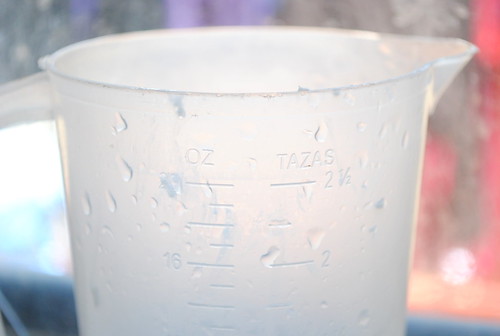
Liquid measuring cups work best for melted butter because they show the exact volume. Use a clear cup with measurement marks.
- Pour melted butter slowly to avoid spills.
- Place the cup on a flat surface for an accurate reading.
- Read the measurement at eye level to prevent errors.
- Use a rubber spatula to scrape out all butter after measuring.
Avoiding Common Mistakes
Many cooks make simple mistakes when measuring melted butter. These errors can change your recipe’s texture or taste.
| Mistake | How to Avoid |
|---|---|
| Using dry measuring cups | Switch to liquid measuring cups for melted butter |
| Not leveling the cup | Place cup on a flat surface and check at eye level |
| Pouring too fast | Pour slowly to avoid overfilling or spilling |
| Skipping scraping | Use a spatula to get all butter out of the cup |
Credit: pekis.net
Tips For Accurate Butter Measurement
Measuring butter correctly is important for baking and cooking. Using cups to measure butter can be tricky. Follow these tips to get the right amount every time.
Small mistakes in measuring butter can change the taste and texture of your food. Learning how to measure butter accurately helps your recipes turn out better.
Room Temperature Matters
Butter changes size and texture at different temperatures. Soft butter is easier to measure and mix. Cold butter can be hard to pack and may not fit well in the cup.
Let butter sit at room temperature for about 15 to 20 minutes before measuring. This helps you get a smooth, even measurement.
Avoiding Packing Butter Too Tightly
Pressing butter too hard into the cup can add more butter than the recipe needs. This changes the balance of ingredients.
Gently scoop butter into the cup without squeezing. Fill the cup lightly and level it off with a knife or spatula.
- Use a soft spatula to fill the cup
- Do not squeeze or press butter down
- Level off with a flat edge for accuracy
Common Baking Errors With Butter
Measuring butter accurately is key to baking success. Too much or too little butter can change your recipe.
Many bakers make mistakes when using cups to measure butter. These errors can affect texture and taste.
Effects Of Over Or Under Measuring
Using too much butter makes baked goods greasy and heavy. Too little butter leads to dry and crumbly results.
- Over measuring butter adds extra fat that can break the batter’s balance.
- Under measuring reduces moisture and richness in cookies and cakes.
- Wrong butter amount can change baking time and oven temperature needs.
- It can affect how dough rises or how crumbly a crust becomes.
Adjusting Recipes For Butter Variations
Butter brands and forms vary in water content and firmness. Adjust recipes to match these differences.
| Butter Type | Water Content | Adjustment Needed |
| Salted Butter | Approximately 15-18% | Reduce added salt slightly |
| Unsalted Butter | Approximately 15-18% | Add salt as recipe calls |
| Whipped Butter | More air, less dense | Measure by weight, not volume |
| Butter Substitutes | Varies widely | Check moisture and fat content closely |
Use a kitchen scale for best accuracy. Cups can be misleading if butter is packed differently.

Credit: stressbaking.com
Frequently Asked Questions
How Much Butter Equals 1 Cup?
One cup of butter is equivalent to 2 sticks in the U. S. Each stick contains 8 tablespoons. To measure, ensure the butter is at room temperature for accuracy. Use a standard measuring cup, and press the butter down to eliminate air gaps for an exact measurement.
Can I Use Margarine Instead Of Butter?
Yes, you can substitute margarine for butter in most recipes. However, consider texture and flavor differences. Margarine may alter the taste and consistency of baked goods. Always check the recipe, as some dishes require the specific properties of butter for best results.
How Do I Measure Butter Without A Scale?
Use a measuring cup to measure butter without a scale. Ensure the butter is soft but not melted. Press it firmly into the cup, smoothing the top with a knife. This method ensures an accurate measurement for your recipes.
Is Melted Butter Measurement Different?
Yes, melted butter can measure differently than solid butter. When melted, butter’s volume decreases slightly. Always follow the recipe’s instructions regarding the butter’s state. Use a liquid measuring cup for melted butter to ensure precision in your cooking or baking.
Conclusion
Measuring butter in cups is simple with the right method. Use the markings on the butter wrapper for quick measurement. For unsliced butter, a kitchen scale or measuring cups work well. Remember, one cup equals two sticks or 8 ounces of butter.
Accurate measurement helps your recipes turn out just right. Practice a few times to get comfortable. This skill saves time and avoids mistakes in cooking and baking. Now, you can measure butter confidently every time. Easy and precise—just how it should be.