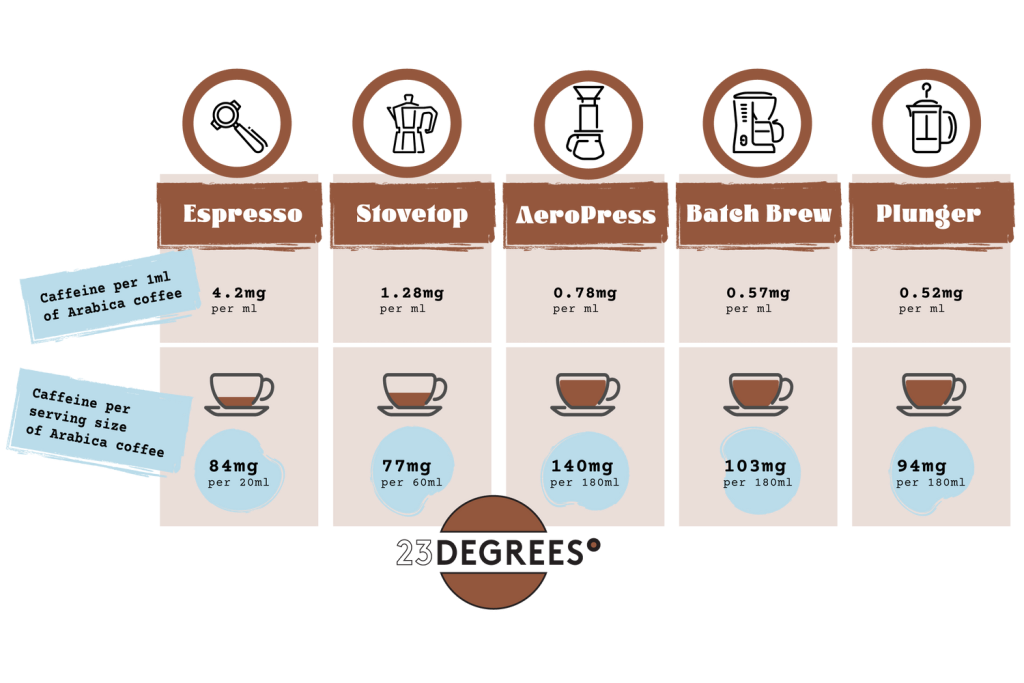
Are you tired of guessing how much coffee to use and ending up with a brew that’s too weak or too strong? Getting the perfect cup starts with the right measurement.
Knowing exactly how to measure coffee per cup can transform your morning routine and make every sip enjoyable. You’ll discover simple, practical tips to measure your coffee like a pro—no fancy tools needed. Keep reading, and soon you’ll be brewing coffee that’s just right, every single time.
Credit: hopewellheightsblog.com
Choosing The Right Coffee Beans
Choosing the right coffee beans affects the flavor of your cup. The type of bean and roast level changes the taste. Freshness and how you store beans also matter.
Knowing these basics helps you measure coffee per cup better. This guide covers bean types, roast levels, and freshness tips.
Bean Types And Roast Levels
Coffee beans mainly come from Arabica and Robusta plants. Arabica beans have a smooth, mild taste. Robusta beans are stronger and more bitter. Roast levels change the flavor too.
| Roast Level | Flavor Profile | Color |
| Light Roast | Bright, acidic, fruity | Light brown |
| Medium Roast | Balanced, sweet, nutty | Medium brown |
| Dark Roast | Bold, bitter, smoky | Dark brown to black |
Freshness And Storage Tips
Fresh coffee beans make better coffee. Old beans lose flavor and aroma. Store beans in a cool, dark place. Keep them in an airtight container to avoid moisture and air.
- Buy whole beans instead of ground coffee
- Use beans within two weeks of opening
- Avoid storing beans in the fridge or freezer
- Keep beans away from sunlight and heat
Essential Tools For Measuring Coffee
Measuring coffee correctly helps you brew the best cup every time. Using the right tools makes it easy to get the right amount of coffee.
Two common tools used for measuring coffee are coffee scales and measuring spoons or scoops. Each tool has its own benefits.
Using A Coffee Scale
A coffee scale gives you an exact weight of your coffee grounds. This helps you be very precise with your measurements.
Most coffee scales show weight in grams. This unit is best for coffee because it is more accurate than volume measurements.
- Place your cup or coffee container on the scale
- Zero out the scale to remove the container’s weight
- Add coffee until you reach the desired grams
Measuring Spoons And Scoops
Measuring spoons and scoops are easy to use and common in many kitchens. They measure coffee by volume instead of weight.
Standard coffee scoops usually hold about 2 tablespoons of coffee. You can also use measuring spoons for smaller or larger amounts.
- Use a scoop for a quick measurement
- Level off the coffee to avoid extra grounds
- Adjust the number of scoops to match your cup size
Coffee-to-water Ratios
Measuring coffee per cup is important to get a good taste. The coffee-to-water ratio tells you how much coffee to use for each amount of water.
Using the right ratio helps you brew coffee that is not too strong or too weak. Different brewing methods need different ratios.
Standard Ratios For Various Brew Methods
Each brew method has a common coffee-to-water ratio. These ratios help you prepare coffee that tastes just right for that method.
| Brew Method | Coffee-to-Water Ratio |
|---|---|
| Drip Coffee Maker | 1:16 (1 gram coffee to 16 grams water) |
| French Press | 1:15 |
| Pour Over | 1:16 |
| Espresso | 1:2 (coffee to water by weight) |
| AeroPress | 1:14 to 1:17 |
Adjusting Ratios For Strength Preferences
You can change the coffee-to-water ratio to make your coffee stronger or weaker. Add more coffee for stronger taste.
Use less coffee if you want a lighter, milder flavor. Adjust slowly to find your best taste.
- For stronger coffee, lower the water amount or add more coffee.
- For weaker coffee, add more water or use less coffee.
- Keep notes to remember your favorite ratio.
Measuring Techniques By Brew Method
Measuring coffee correctly helps you brew a better cup every time. Different methods need different amounts of coffee and water.
Using the right technique for your brew method ensures a balanced taste and proper strength.
Drip Coffee Makers
For drip coffee makers, the standard ratio is about 1 to 2 tablespoons of coffee per 6 ounces of water. You can adjust this based on how strong you like your coffee.
- Measure coffee with a spoon or scoop.
- Use a kitchen scale for more accuracy.
- Keep water temperature around 200°F (93°C).
- Adjust coffee amount for taste preferences.
French Press
French press coffee uses a coarse grind and a ratio of about 1:15 coffee to water by weight. This means 1 gram of coffee for every 15 grams of water.
| Amount of Coffee | Amount of Water | Result |
| 20 grams | 300 grams | 1 cup of French press coffee |
| 30 grams | 450 grams | 1.5 cups of French press coffee |
| 40 grams | 600 grams | 2 cups of French press coffee |
Pour Over
Pour over coffee needs a finer grind and precise measuring. A common ratio is 1:16 coffee to water by weight.
- Weigh the coffee before grinding.
- Use a scale to measure water as you pour.
- Pour water slowly in circles for even extraction.
Espresso
Espresso uses a fine grind and a coffee-to-water ratio close to 1:2 by weight. For a single shot, use about 18 grams of coffee to yield 36 grams of espresso.
- Use a precise scale for coffee dose and yield.
- Distribute coffee evenly in the portafilter.
- Tamp with consistent pressure for a good extraction.
Tips For Consistent Measurements
Measuring coffee for each cup helps you get the best taste every time. Using the right amount of coffee beans matters a lot.
Small changes in measurement can change the flavor. These tips will help you keep your coffee measurements steady.
Taring The Scale
Taring means setting the scale to zero before weighing your coffee. This removes the weight of the container or cup.
Always place your empty cup or filter on the scale and press the tare button. Then add coffee to get the exact weight you want.
- Place empty container on scale
- Press tare or zero button
- Add coffee beans to desired weight
- Check weight before grinding
Grinding And Its Impact
The grind size changes how coffee extracts in hot water. A fine grind extracts faster, a coarse grind takes longer.
Use a consistent grind size for each cup. Changing the grind affects the taste more than the weight of coffee.
- Use a good grinder for even particles
- Match grind size to your brewing method
- Keep grind size steady for each cup
Avoiding Common Mistakes
Many people make errors that change their coffee taste. Avoid these mistakes for more consistent cups.
- Don’t guess the amount; always weigh coffee
- Don’t skip taring the scale before weighing
- Don’t mix grind sizes in one cup
- Keep your scale clean and on a flat surface

Credit: clivecoffee.com
Troubleshooting Brew Issues
Measuring coffee per cup can be tricky. Small changes affect taste a lot.
Fixing brew problems starts with adjusting coffee and water amounts. This guide helps you find the right balance.
Weak Or Watery Coffee
Weak coffee happens when there is too little coffee or too much water. The flavor feels flat and thin.
Try adding more coffee grounds or using less water. Check your coffee grind size too, because coarse grounds can cause weak coffee.
- Use 1 to 2 tablespoons of coffee per 6 ounces of water
- Grind coffee finer if brew tastes weak
- Use fresh coffee beans for better flavor
Overly Bitter Or Strong Coffee
Bitter coffee usually means too much coffee or too little water was used. Over-extraction can cause a harsh taste.
Reduce the amount of coffee or add more water. Use a coarser grind to avoid bitterness. Do not brew too long.
- Try 1 tablespoon of coffee per 6 ounces of water
- Grind coffee coarser to reduce bitterness
- Brew for 4 to 5 minutes only
Adjusting Measurements For Altitude And Water Quality
High altitude affects water boiling point. Coffee brews slower and tastes different.
Use a bit more coffee or brew longer at high altitudes. Water quality also changes taste. Use clean, filtered water for best results.
- Increase coffee dose by 5-10% above 3,000 feet altitude
- Use filtered water to avoid off-flavors
- Adjust brewing time to match water boiling changes

Credit: www.amazon.com
Frequently Asked Questions
How Much Coffee For One Cup?
For a standard cup, use 1 to 2 tablespoons of coffee. This measurement ensures a balanced flavor. Adjust based on personal taste preference. Always use fresh, quality coffee beans for the best results.
What Is The Ideal Coffee-to-water Ratio?
The ideal ratio is 1:15, meaning 1 gram of coffee to 15 grams of water. This ratio provides a rich and smooth taste. Adjust according to strength preference.
How Do I Measure Coffee Without A Scale?
Use a tablespoon for measuring coffee. One tablespoon holds about 5 grams of coffee. For a stronger brew, use two tablespoons per cup.
Can I Use A Scoop For Measuring Coffee?
Yes, a standard coffee scoop holds around 10 grams or 2 tablespoons. It’s convenient for consistent measurements. Ensure your scoop matches your coffee strength preference.
Conclusion
Measuring coffee per cup helps you enjoy a better brew. Use a kitchen scale or standard spoon to get it right. Consistent coffee amounts bring a balanced taste every time. Small changes in measurement affect flavor and strength a lot.
Practice makes your coffee just how you like it. Keep notes on what works best for your taste. Enjoy the process of finding your perfect cup. Simple steps lead to great coffee moments daily.