
Are you planning to upgrade your kitchen with a new cooktop? Before you dive into the world of sleek designs and advanced features, there’s one crucial step you shouldn’t overlook: measuring your cooktop.
Getting the right measurements is essential to ensure a perfect fit and avoid any installation mishaps. Imagine the frustration of bringing home a beautiful new cooktop, only to find it doesn’t fit your countertop space. By taking just a little time to measure accurately, you can save yourself from future headaches.
In this guide, you’ll learn simple steps to measure your cooktop correctly, helping you make an informed purchase and ensuring your kitchen upgrade goes smoothly. Ready to get started? Let’s make sure your new cooktop fits like a glove!
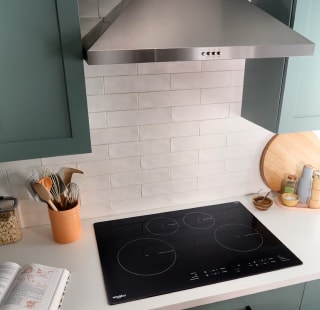
Credit: www.whirlpool.com
Types Of Cooktops
Choosing the right cooktop starts with understanding its types. Each type offers unique features and needs specific measurements. Knowing the differences helps you measure correctly and pick the best fit for your kitchen.
Gas Cooktops
Gas cooktops use open flames for cooking. They need proper ventilation and space around burners. Measure the width and depth including knobs and controls. Also, check the distance between burners for pot size.
Electric Cooktops
Electric cooktops have coil or smooth glass surfaces. Measure the flat cooking area and the control panel separately. Note the thickness of the cooktop as it affects installation space.
Induction Cooktops
Induction cooktops use magnetic fields to heat pots. They often have a sleek, smooth surface. Measure the cooking zone size and total surface area. Check the power cord length and location for setup.
Tools Needed For Measuring
Measuring your cooktop accurately starts with having the right tools at hand. Without them, you risk buying a cooktop that doesn’t fit or leaving gaps that affect your kitchen’s look and functionality. The good news is, the tools you need are simple and probably already in your home.
Measuring Tape
A measuring tape is your most important tool for measuring a cooktop. Choose a tape that is at least 10 feet long to cover all dimensions easily. Make sure it has clear, easy-to-read markings in both inches and centimeters to avoid confusion.
Try to keep the tape straight and taut while measuring to get the most accurate result. Have you ever tried using a ruler instead? It usually falls short for large dimensions like a cooktop.
Marker Or Pencil
Marking your measurements clearly is key to avoiding mistakes. Use a fine-tipped marker or pencil to note down the exact points on your countertop or wall. This helps you visualize the space and ensures you don’t forget critical measurements.
A pencil is great because you can erase and adjust marks easily. Have you noticed how easy it is to misread measurements when they’re not clearly marked?
Notepad
Writing down your measurements keeps everything organized. Use a small notepad or even your phone’s note app to record length, width, and any other dimensions. This prevents errors that often happen when you rely on memory alone.
Keep your notes detailed—include any observations like uneven edges or obstacles that might affect the cooktop placement. What’s your method for staying organized during home projects?
Measuring The Cooktop Space
Measuring the cooktop space accurately is crucial before purchasing or installing a new cooktop. Incorrect measurements can lead to poor fit, safety issues, or expensive adjustments. Taking precise dimensions ensures your cooktop fits perfectly and functions well within your kitchen layout.
Measure Width And Depth
Start by measuring the width and depth of the current cooktop or the area where you plan to install it. Use a tape measure and note the exact numbers in inches or centimeters. Double-check these measurements to avoid errors that can cause frustration later.
Remember, the cooktop itself often includes a lip or flange that rests on the countertop, so measure the part that will fit inside the cutout space specifically. If you’re replacing an existing cooktop, measuring the old unit helps avoid compatibility problems.
Check Countertop Cutout Size
The countertop cutout is the hole where the cooktop will sit. Measure the length and width of this cutout carefully because the cooktop must fit snugly here. If the cutout is too small, the cooktop won’t fit; if it’s too large, gaps will appear around the edges.
Look under the countertop if possible. Sometimes the cutout measurements differ slightly from the countertop surface, especially if there have been previous modifications. Have you checked if your countertop material affects the cutout size?
Account For Clearance Space
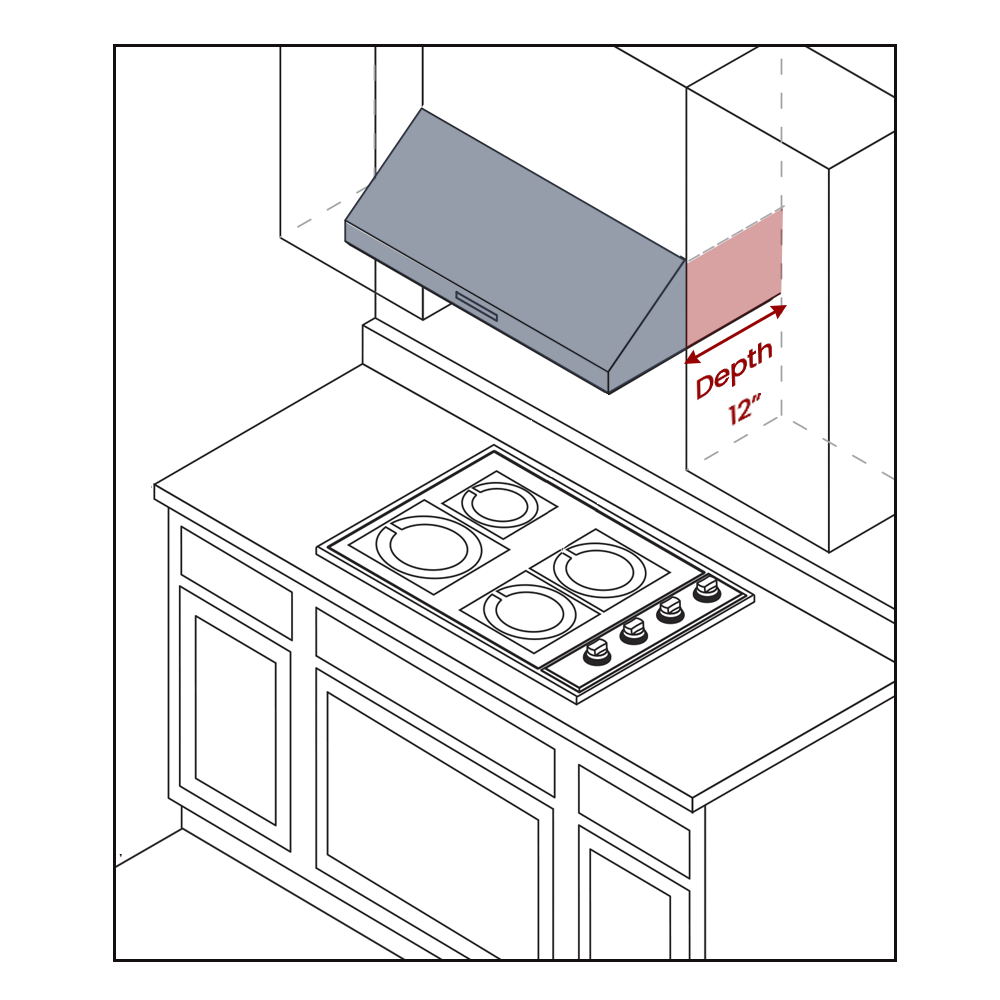
Clearance space is the gap required around the cooktop for safety and ventilation. Check the manufacturer’s guidelines for minimum clearance distances from walls, cabinets, and other appliances. Ignoring this can cause overheating or fire hazards.
Also, consider clearance above the cooktop for things like range hoods or shelves. You might need extra space to open lids or access controls comfortably. Are you allowing enough room for safe and easy use?
Measuring The Cooktop Itself
Measuring the cooktop itself is a crucial step before making any purchase or installation decisions. Accurate measurements ensure your new cooktop fits perfectly and functions smoothly without any surprises. Taking the time to measure different parts of the cooktop will save you from costly adjustments later.
Measure Outer Dimensions
Start by measuring the overall width and depth of the cooktop. Use a tape measure to get the exact distance from one edge to the other, including any trim or raised edges. Don’t forget to note the height if your cooktop has raised knobs or a thick frame—this helps avoid clearance issues.
Double-check these numbers by measuring twice. It’s easy to underestimate dimensions if you rush.
Measure Cutout Dimensions
The cutout is the space in your countertop where the cooktop will sit. Measure the width and depth inside this opening carefully. These dimensions are often smaller than the cooktop’s outer size because the cooktop rests on the countertop edges.
Knowing your cutout size helps you choose a cooktop that fits snugly without gaps or overhangs. If your cutout is uneven, note that too—it can affect installation.
Note Control Panel Size
Control panels vary in size and position. Some cooktops have front-mounted controls, while others place them on the side or back. Measure the width, height, and depth of the control panel area separately from the cooking surface.
Think about how the control panel size affects your countertop space and accessibility. A larger panel might limit your prep area or require adjustments in your kitchen layout.
Tips For Accurate Measurement
Measuring a cooktop accurately is important for a perfect fit. Small errors can cause installation problems or poor appliance performance. Follow simple tips to get precise measurements. This saves time and avoids costly mistakes.
Double Check Measurements
Measure the width, depth, and height of the cooktop space twice. Use a reliable tape measure. Write down each measurement clearly. Check your numbers before buying or cutting. Accuracy helps prevent fitting issues later.
Consider Appliance Specifications
Review the cooktop’s manual or label for exact size details. Look for cutout dimensions and installation clearances. Keep extra space for ventilation and electrical connections. These specs ensure safe and proper placement.
Use Manufacturer Templates
Many cooktop brands provide paper or cardboard templates. Place the template on your countertop to mark cutouts. This method shows where to cut and where support is needed. Templates reduce guesswork and improve precision.

Credit: www.angi.com
Common Measurement Mistakes
Measuring a cooktop may seem easy, but many make common mistakes. These errors can cause fitting problems or safety issues. Careful measuring ensures the cooktop fits perfectly in your kitchen space. Avoid these typical mistakes to save time and money.
Ignoring Clearance Requirements
Clearance means the space needed around the cooktop for safety. Skipping this step risks fire hazards and heat damage. Check the manufacturer’s clearance guidelines before measuring. Leave enough space on all sides, especially near walls and cabinets.
Overlooking Countertop Thickness
Countertop thickness affects how the cooktop sits in place. Thin or thick countertops need different cutouts or supports. Measure the countertop thickness accurately and consider it in your cooktop choice. This prevents uneven installation or gaps around the cooktop.
Forgetting To Measure Depth
Depth means how far the cooktop goes from front to back. Many measure only width and height, ignoring depth. This causes the cooktop to stick out or fall short. Always measure the full depth of the cutout area to ensure a flush fit.
Adjusting Measurements For Installation
Adjusting your cooktop measurements before installation is crucial to ensure a perfect fit and smooth operation. Precise adjustments help avoid issues like overheating or damage to your countertop. Let’s look at key factors you need to consider to get those measurements just right.
Allowing Space For Ventilation
Cooktops generate heat that needs to escape to prevent damage or fire hazards. You must leave enough space around the cooktop for proper airflow. Most manufacturers recommend at least a 2-inch gap between the cooktop and surrounding cabinetry or walls.
Think about how your kitchen is laid out. Is there enough room behind or below the cooktop for vents? If not, you might need to adjust your countertop cutout or add ventilation grills to keep air flowing freely.
Planning For Trim And Seals
Trim pieces and seals around the cooktop add a finished look but also require extra room. These parts often add about 1/4 to 1/2 inch to the overall dimensions. If you ignore this, your cooktop might sit unevenly or leave gaps that collect dirt.
Measure the trim width separately and add it to your cutout size. Also, consider the type of sealant you’ll use; some need more space for application than others.
Accounting For Overhangs
Many cooktops have edges that overhang the countertop cutout. This overhang can affect how the cooktop fits and how you plan your measurements. Usually, the overhang ranges from 1/4 inch to 1/2 inch on each side.
Check the product specifications closely. Adjust your cutout size so the overhang doesn’t interfere with drawers or cabinet doors below. Have you measured the depth and width with the overhang in mind before cutting?
Credit: www.2pacific.com
Frequently Asked Questions
How Do I Measure My Cooktop Size Accurately?
Measure the width and depth of your cooktop from edge to edge. Use a tape measure and note both dimensions for correct fitting.
What Tools Are Needed To Measure A Cooktop?
A tape measure is essential for measuring cooktop dimensions accurately. A notepad helps record the measurements precisely.
Should I Measure The Cooktop Or Countertop Cutout?
Measure both the cooktop and the countertop cutout. This ensures your new cooktop fits perfectly without gaps or overhangs.
How To Measure A Cooktop For Replacement?
Measure the current cooktop’s width, depth, and cutout size. Compare these with the new cooktop’s specifications before purchasing.
Conclusion
Measuring your cooktop is simple with the right steps. Start by checking the width, depth, and height carefully. Use a tape measure for accuracy. Remember to note any special features or cutouts. This helps you find a cooktop that fits perfectly in your kitchen.
Taking your time avoids mistakes and extra costs. Now, you can choose the best cooktop with confidence. Cooking will feel easier and more enjoyable with the right fit. Keep these tips in mind for future kitchen projects too.