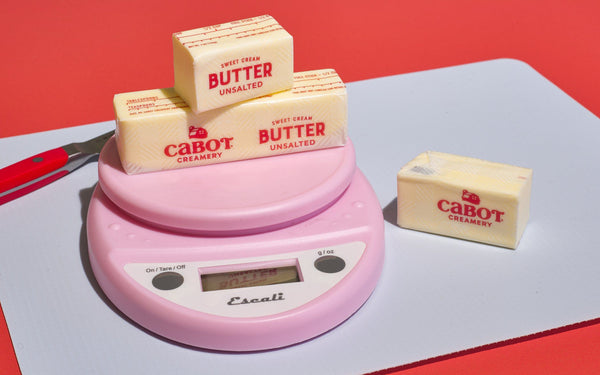
Measuring butter correctly can make or break your recipe. If you’ve ever struggled with guessing how much butter to use, you’re not alone.
Getting it right is easier than you think, and it can help your baked goods turn out perfect every time. You’ll learn simple, foolproof ways to measure cups of butter without any confusion. Keep reading, and you’ll never have to worry about too much or too little butter again.

Credit: cabotcreamery.com
Importance Of Accurate Measurement
Measuring butter correctly is key to baking success. It affects the texture and taste of your food.
Using the right amount of butter keeps recipes balanced and predictable.
Effects On Recipe Outcome
Too much or too little butter changes how your dish turns out. It can make baked goods too greasy or too dry.
- Butter adds moisture and richness.
- It helps dough rise and spread properly.
- Butter affects flavor and color.
- Incorrect amounts can ruin texture.
Methods To Measure Butter Accurately
Butter often comes with measurement marks on the wrapper. Use these to cut the right amount.
| Measurement | Butter Amount |
| 1/4 cup | 4 tablespoons (57 grams) |
| 1/2 cup | 8 tablespoons (114 grams) |
| 3/4 cup | 12 tablespoons (171 grams) |
| 1 cup | 16 tablespoons (227 grams) |
Tips To Avoid Measurement Mistakes
Always use a dry, clean knife to cut butter. Avoid packing it tightly in measuring cups.
- Chill butter before measuring for cleaner cuts.
- Use a kitchen scale for precise grams or ounces.
- Level off the butter with a spatula if using cups.
- Measure at room temperature only if recipe states so.
Tools For Measuring Butter
Measuring butter accurately is important for cooking and baking. Using the right tools helps get the correct amount every time.
Butter can be solid or soft, so some tools work better than others. Here are two common tools to measure butter.
Standard Measuring Cups
Standard measuring cups are common tools in kitchens. They are usually made of plastic, glass, or metal.
For butter, you can use measuring cups to scoop or pack it in. Some butter sticks have marks that show cup measurements.
- Use a dry measuring cup for solid butter
- Press butter firmly to avoid air gaps
- Check for measurement lines on butter wrappers
- Level the butter with a flat edge for accuracy
Kitchen Scales
Kitchen scales measure butter by weight. This method is very accurate and good for recipes with grams or ounces.
Place a bowl on the scale and set it to zero. Then add butter until you reach the needed weight.
- Use grams or ounces depending on the recipe
- Weigh butter with or without the wrapper
- Scales work well for soft or melted butter
- Digital scales provide quick and precise readings
Butter Measurement Techniques
Measuring butter correctly is important for baking and cooking. There are easy ways to measure butter using common kitchen tools.
This guide explains two simple methods to measure cups of butter: the softened butter method and the water displacement method.
Softened Butter Method
Softened butter is easy to shape and measure. You can use a knife and a ruler or markings on the butter wrapper.
- Let the butter sit at room temperature until soft but not melted.
- Use the markings on the butter wrapper if available. Each mark shows tablespoons or cups.
- If no markings, cut the butter into equal parts using a knife.
- Press the soft butter into a measuring cup for a precise amount.
Water Displacement Method
This method works best with solid butter and a liquid measuring cup. It uses water to find the butter volume.
| Step | What to Do |
| 1 | Fill a measuring cup with cold water above the amount needed. |
| 2 | Note the water level (in cups or milliliters). |
| 3 | Put the solid butter into the water. |
| 4 | Check the new water level. |
| 5 | Subtract the first water level from the new level. The difference equals the butter volume. |

Credit: www.printables.com
Tips For Perfect Measurements
Measuring butter correctly is important for baking and cooking. Using the right amount helps recipes turn out well. Here are tips to get perfect measurements every time.
Understanding how to measure butter by cups can be tricky. These tips focus on two key areas: using room temperature butter and leveling techniques.
Room Temperature Butter
Butter at room temperature is softer and easier to measure. It spreads smoothly and mixes well with other ingredients. To prepare butter for measuring, let it sit out for 30 to 60 minutes.
- Keep butter away from heat to avoid melting.
- Check if butter is soft but still holds shape.
- Use room temperature butter for accurate volume measurements.
- Cold butter can cause uneven measuring and baking results.
Leveling Techniques
Leveling butter ensures you have the exact amount needed. Use a flat tool to even out the butter in your measuring cup or spoon. This prevents using too much or too little.
| Tool | Purpose | Tip |
| Butter Knife | Cut and level butter | Use the back side to smooth the surface |
| Offset Spatula | Spread and level soft butter | Gently press to avoid air pockets |
| Measuring Cup | Hold butter for measuring | Fill and then level off at the top |
Common Mistakes To Avoid
Measuring butter correctly is important for good baking results. Many people make simple errors that affect their recipes.
This guide explains common mistakes and how to avoid them. Follow these tips to measure butter accurately every time.
Using The Wrong Tools
Using improper tools leads to wrong measurements. Always use a dry measuring cup or a kitchen scale for butter.
Not Checking Butter Temperature
Butter changes size depending on its temperature. Cold butter is harder to measure, while melted butter can be tricky.
- Measure cold butter by weight or wrap markings.
- Use liquid measuring cups for melted butter.
- Avoid guessing the amount when butter is soft.
Ignoring Butter Wrapping Marks
Butter wrappers often have measurement lines. Not using them causes inaccurate portions.
| Wrapper Mark | Equivalent Butter |
| 1 tablespoon | 14 grams or 0.5 oz |
| 1/4 cup | 57 grams or 2 oz |
| 1/2 cup | 113 grams or 4 oz |
| 1 cup | 227 grams or 8 oz |
Packing Butter Incorrectly
Pressing butter too hard or too soft changes volume. This affects cup measurements in baking.
- Cut butter with a clean knife along the wrapper lines.
- Do not squeeze or compress the butter in the cup.
- Fill the measuring cup evenly and level it off gently.
Converting Butter Measurements
Measuring butter correctly is important for baking and cooking. Recipes use different units like sticks, cups, or grams.
This guide helps you convert butter measurements easily. You can use it to follow recipes without confusion.
Sticks To Cups
Butter is often sold in sticks. Each stick has a specific size in cups. Knowing this helps measure butter fast.
One stick of butter equals 1/2 cup. Use this simple fact to convert sticks to cups in any recipe.
- 1 stick = 1/2 cup
- 2 sticks = 1 cup
- 3 sticks = 1 1/2 cups
- 4 sticks = 2 cups
Grams To Cups
Butter weight is also shown in grams. You can convert grams to cups to match your measuring tools.
Butter is denser than water, so grams to cups is different than other ingredients. 1 cup of butter weighs 227 grams.
| Grams | Cups |
|---|---|
| 113 grams | 1/2 cup |
| 227 grams | 1 cup |
| 340 grams | 1 1/2 cups |
| 454 grams | 2 cups |
Impact On Baking Outcomes
Measuring butter correctly affects the texture and taste of baked goods. Using the right amount helps recipes turn out as expected.
Too much or too little butter can change baking results. It can make cookies spread too much or cakes turn dry.
Measuring Butter By Cups
Butter comes with markings on the wrapper for easy measuring. Each mark shows tablespoons and cups for quick reference.
Cut butter along the lines to get the amount you need. This method is simple and reduces mess in the kitchen.
- 1 cup = 8 tablespoons
- 1/2 cup = 4 tablespoons
- 1/4 cup = 2 tablespoons
- 1 tablespoon = 3 teaspoons
Using A Dry Measuring Cup
Pack softened butter into a dry measuring cup for accurate measurement. Press it down firmly to avoid air pockets.
Level the butter with a flat edge like a knife to get an even surface. This ensures the right amount in your recipe.
Impact Of Incorrect Butter Measurement
Too much butter can make baked goods greasy and spread too much. Too little butter may cause dryness and poor texture.
- Extra butter: softer texture, but can be oily
- Less butter: dry and crumbly results
- Wrong measurement: changes baking time and rise
Tips For Accurate Butter Measurement
Use cold butter for slicing by wrapper marks. Use softened butter for packing into cups or spoons.
Check your measurements twice to avoid mistakes. Accurate butter amount helps recipes bake well and taste better.
Credit: www.yourlifechoices.com.au
Storage And Handling Tips
Butter is a common ingredient in many recipes. Proper storage keeps it fresh and easy to measure.
Good handling prevents butter from melting or absorbing other odors. This helps keep your measurements accurate.
Store Butter In The Refrigerator
Keep butter in the fridge to slow down spoilage. Store it in its original wrapper or airtight container.
This prevents the butter from absorbing fridge smells. It also keeps the texture firm for easy cutting.
Freeze Butter For Long-term Storage
Butter freezes well and lasts for months this way. Wrap it tightly in plastic wrap or foil before freezing.
Thaw frozen butter in the fridge before use. This keeps it firm and ready for accurate measuring.
Handle Butter With Clean Hands Or Tools
Always use clean hands or utensils when handling butter. This stops contamination and keeps butter fresh.
- Use a clean knife to cut butter
- Wash hands before touching butter
- Avoid leaving butter out too long
Measure Butter At The Right Temperature
Measure butter when cold or slightly softened. Cold butter is easier to cut into precise cups.
Softened butter works well for spooning into cups. Avoid melted butter for dry measuring cups.
Frequently Asked Questions
How Do I Measure Butter In Cups Accurately?
To measure butter in cups, use the markings on the wrapper if available. Otherwise, cut the butter into tablespoons, where 1 cup equals 16 tablespoons. Use a dry measuring cup for softened butter, pressing it in firmly to avoid air pockets.
Can I Use A Kitchen Scale To Measure Butter Cups?
Yes, a kitchen scale provides the most accurate measurement. One cup of butter weighs approximately 227 grams or 8 ounces. Weighing butter ensures precision, especially for baking recipes where exact amounts matter.
How To Measure Softened Versus Cold Butter In Cups?
For softened butter, press it into a dry measuring cup and level it off. For cold butter, cut it into tablespoon-sized pieces, then add up to 16 tablespoons for 1 cup. Avoid packing cold butter tightly.
What If My Butter Doesn’t Have Cup Markings?
If your butter lacks cup markings, remember 1 stick equals ½ cup. Each stick has 8 tablespoons, so 16 tablespoons make 1 cup. Use a knife to cut the butter accordingly for accurate measurement.
Conclusion
Measuring butter cups is easy with the right tools. Use a dry measuring cup for solid butter. Softened butter fits well in a liquid measuring cup. Remember to level the butter for accuracy. Cut sticks using markings when possible. Knowing how to measure helps your recipes turn out right.
Practice a few times to get comfortable. Simple steps make baking less stressful and more fun. Keep these tips in mind for better results every time.