Are you tired of guessing how much dry pasta to use for your meals? Measuring pasta correctly can be tricky, especially when recipes call for cups instead of weight.
But don’t worry—knowing how to measure dry pasta in cups will make your cooking easier and more precise. You’ll discover simple tips and tricks to get the perfect portion every time. Keep reading, and you’ll never have to worry about too much or too little pasta again.
Credit: www.kingarthurbaking.com
Choosing The Right Pasta Shape
Measuring dry pasta in cups can be tricky. The shape of the pasta affects how much fits in a cup.
Picking the right pasta shape helps get accurate measurements for your recipes.
Impact On Volume Measurement
Different pasta shapes take up different amounts of space. Long, thin pasta like spaghetti fits differently than small shapes like elbow macaroni.
- Flat pasta can stack and fill cups tightly.
- Tube-shaped pasta may leave gaps inside the cup.
- Curved pasta can trap air, changing the volume.
- Small pasta shapes pack more densely than large ones.
Common Pasta Shapes And Their Sizes
| Pasta Shape | Typical Size | Approximate Volume per Cup |
|---|---|---|
| Spaghetti | Long, thin strands | About 2 ounces (56 grams) |
| Elbow Macaroni | Small curved tubes | About 3 ounces (85 grams) |
| Penne | Short tubes with angled ends | About 3 ounces (85 grams) |
| Fusilli | Spiral-shaped pasta | About 3 ounces (85 grams) |
| Farfalle | Bow-tie shaped pasta | About 2.5 ounces (70 grams) |
Using Standard Measuring Cups
Measuring dry pasta with cups can be confusing. Use the right technique for accurate results.
Standard measuring cups help in getting the right amount of pasta. This guide will help you use them correctly.
Dry Vs. Liquid Measuring Cups
Dry and liquid measuring cups are not the same. They serve different purposes in cooking.
Dry measuring cups are for ingredients like pasta. Liquid measuring cups are for fluids like water.
- Dry cups are flat and used for solid ingredients.
- Liquid cups have spouts for easy pouring.
Filling Techniques For Accuracy
Filling the measuring cup properly ensures accurate pasta amounts. Follow these steps for better results.
Fill the cup to the brim with pasta. Level it off with a flat edge for precision.
- Use a spoon to fill the cup with pasta.
- Level the top with a knife or spatula.
- Do not pack the pasta tightly.
Converting Pasta Weight To Cups
Measuring dry pasta by weight is the most accurate way. Many recipes list pasta by weight, but you may only have a measuring cup.
Knowing how to convert pasta weight to cups helps you cook the right amount. This guide explains common pasta shapes and how to measure them.
Average Weight Per Cup For Different Shapes
Different pasta shapes have different densities. This means one cup of one shape may weigh more or less than another.
| Pasta Shape | Approximate Weight per Cup (grams) | Approximate Weight per Cup (ounces) |
|---|---|---|
| Spaghetti | 100 g | 3.5 oz |
| Penne | 110 g | 3.9 oz |
| Fusilli | 90 g | 3.2 oz |
| Macaroni | 85 g | 3.0 oz |
| Farfalle | 95 g | 3.4 oz |
Use this table to estimate how many cups you need based on grams or ounces. Keep in mind these are approximate values.
Using A Kitchen Scale For Precision
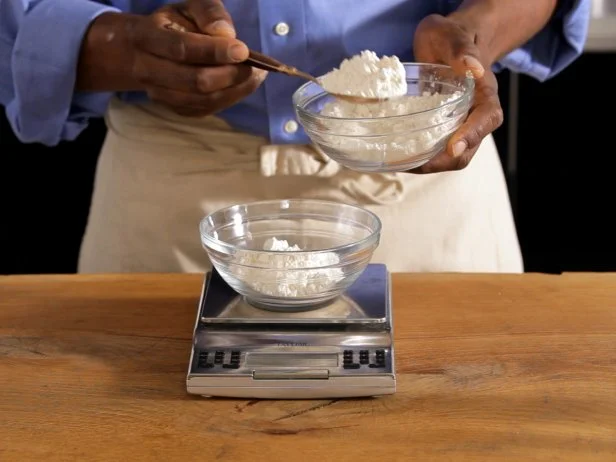
A kitchen scale gives you the most exact measurement. It removes guessing and ensures your pasta cooking is consistent.
Place an empty bowl on the scale and zero it out. Add dry pasta until you reach the recipe’s weight. This is more accurate than cups.
- Use grams or ounces as units on the scale.
- Zero the scale with the container before adding pasta.
- Weigh pasta dry for best results.
- Adjust pasta amount by weight, not volume.

Credit: www.amazon.com
Tips For Portion Control
Measuring dry pasta in cups helps control portion sizes. It also saves you from cooking too much or too little.
Understanding how pasta changes when cooked is important for accurate portions. This guide will help you measure and adjust servings correctly.
Adjusting For Serving Sizes
Serving size depends on your appetite and meal type. One cup of dry pasta usually serves one person as a main dish.
- Use a measuring cup to portion dry pasta.
- For light eaters, try half a cup per person.
- For bigger appetites, increase to one and a half cups.
- Remember, pasta doubles in size after cooking.
- Adjust amount based on other ingredients in your meal.
Accounting For Pasta Expansion
Dry pasta expands when cooked because it absorbs water. Knowing this helps you avoid cooking too much or too little.
| Type of Pasta | Dry Volume (cups) | Cooked Volume (cups) | Expansion Ratio |
|---|---|---|---|
| Spaghetti | 1 | 2 | 2x |
| Penne | 1 | 2 to 2.5 | 2 to 2.5x |
| Fusilli | 1 | 2.5 | 2.5x |
| Macaroni | 1 | 2 | 2x |
Common Mistakes To Avoid
Measuring dry pasta in cups seems easy but many make errors. These mistakes affect cooking results and portion sizes.
Knowing what to avoid helps get accurate pasta measurements every time. This saves food and improves meals.
Overpacking The Measuring Cup
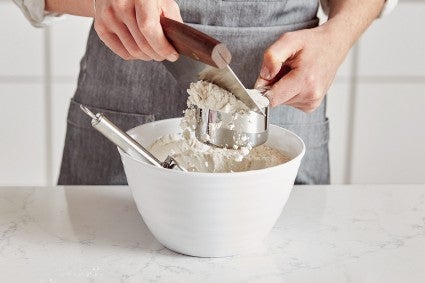
Filling the cup too full leads to too much pasta. Pasta shapes often trap air, so packing it tightly adds more than needed.
Loose pasta fills the cup with air gaps. Pressing it down pushes pasta pieces closer, causing wrong amounts.
- Fill the cup gently without pressing down
- Level off the top with a flat edge
- Use a kitchen scale for best accuracy
Ignoring Pasta Shape Differences
Different pasta shapes have different volumes per cup. A cup of spaghetti looks different than a cup of elbow macaroni.
Measuring all shapes the same way causes wrong portion sizes and cooking times. Each shape needs its own measuring method.
- Use a pasta measure tool for long noodles like spaghetti
- Fill the cup loosely for shapes like penne or rotini
- Check package instructions for shape-specific tips
Alternative Measurement Methods
Measuring dry pasta in cups is common, but there are other ways to get accurate portions. Using different tools or simple estimates can help when you don’t have a measuring cup.
These methods make cooking pasta easier and reduce food waste. Learn how to use a pasta measuring tool or estimate portions without any tools.
Using A Pasta Measuring Tool
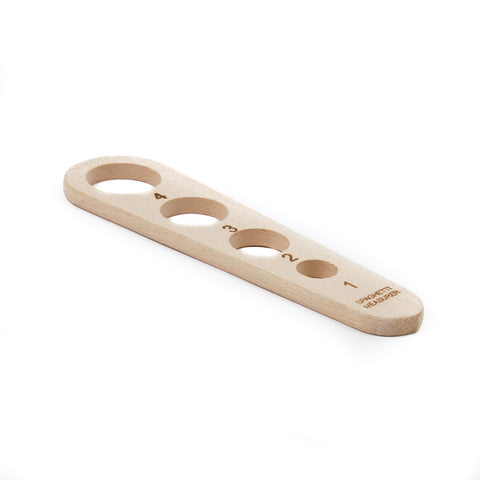
Pasta measuring tools are simple devices that help portion dry pasta by size or weight. They often have holes or slots for different pasta amounts.
To use one, place dry pasta through the holes. The size of the hole shows how much pasta you have, usually for one or two servings.
- Choose the hole size for your desired portion
- Fill the hole with dry pasta strands
- Use the amount that fits for your meal
- These tools work best for long pasta like spaghetti
Estimating Portions Without Tools
If you do not have a measuring cup or tool, you can estimate portions by eye. This method uses simple shapes or hand sizes to guess pasta amounts.
For example, a bundle of dry spaghetti about the size of a quarter usually serves one person. For short pasta, use a handful or about half a cup per person.
- Use your hand to measure a serving of pasta
- A quarter-sized bundle of long pasta equals one serving
- A small handful of short pasta is about one serving
- Adjust portions based on appetite and recipe needs
Credit: www.foodnetwork.com
Frequently Asked Questions
How Many Ounces Are In One Cup Of Dry Pasta?
One cup of dry pasta generally weighs about 4 to 5 ounces. The exact weight varies by pasta shape. Measuring by weight ensures accurate cooking results and portion control.
Can I Measure Dry Pasta Without A Scale?
Yes, you can measure dry pasta using a standard measuring cup. Fill the cup loosely without packing the pasta. This method works well for many pasta shapes.
Does Pasta Shape Affect Cup Measurement?
Yes, pasta shape affects how it fits in a cup. Thin pasta like spaghetti curls differently than penne or macaroni. Adjust measurement by loosely filling the cup.
How Do I Convert Cups To Grams For Dry Pasta?
One cup of dry pasta is approximately 100 grams. This conversion varies slightly by pasta type. Weighing pasta is best for precise recipes.
Conclusion
Measuring dry pasta in cups saves time and reduces guesswork. Use a standard measuring cup for best results. Different pasta shapes may fill cups differently. Always level the pasta for accurate measurement. This simple method helps you cook the right amount.
Enjoy cooking without worrying about pasta portions. Simple tips like these make cooking easier. Try measuring pasta this way for your next meal. It keeps your dishes consistent and tasty. Keep practicing, and it will become second nature.