Using a breast pump can be easier when you have the right flange size. The flange is the part that fits on your breast. If it is too big or too small, it can hurt or not work well. This guide will help you measure your flange size correctly. You will learn simple steps to find the best fit. This way, you can pump milk comfortably and safely.
What Is a Breast Pump Flange?
The flange is a funnel-shaped piece. It fits over your nipple and the area around it. The flange connects to the pump. It helps create suction and draws milk out. Flanges come in many sizes. Each size fits different nipple widths. Choosing the right size is important for comfort and milk flow.

Credit: www.cherishedparenting.com.au
Why Measuring Flange Size Matters
If the flange is too small, your nipple may get pinched. This can cause pain and damage. It may also reduce milk flow. If the flange is too large, the nipple may rub against the sides. This can cause irritation and bleeding. The wrong size flange can make pumping hard. It can make you feel stressed and tired.
Tools You Need to Measure Flange Size
- A ruler or measuring tape with millimeters (mm)
- A mirror (optional)
- A clean piece of paper or notebook
- A pen or pencil
These tools will help you measure your nipple width. You will use this to find the flange size.
Step-by-Step Guide to Measure Flange Size
Step 1: Prepare Yourself
Wash your hands well before measuring. Find a comfortable place with good light. You can use a mirror to see better. Relax your body and breast. This makes measuring easier and more accurate.
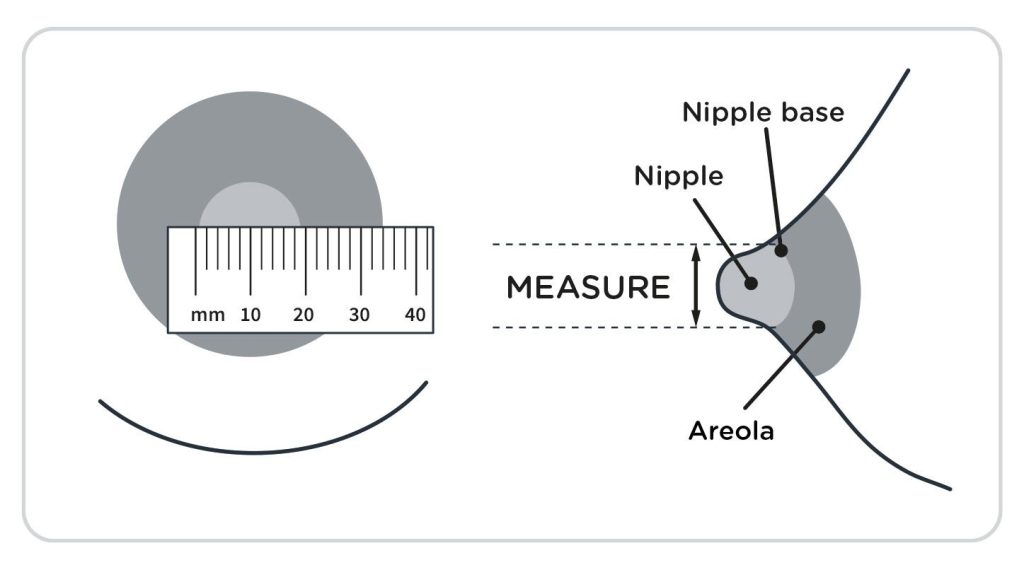
Step 2: Measure Your Nipple Width
Use the ruler to measure your nipple. Measure the diameter, not the whole areola. The diameter is the distance across the nipple at the widest point. Don’t include the dark skin around the nipple. Only measure the nipple itself.
Write down the number in millimeters (mm). For example, your nipple might be 18 mm wide.
Step 3: Add Some Space
The flange size is usually a little bigger than your nipple. Add 2 to 4 mm to your nipple width. This allows room for your nipple to move during pumping. For example, if your nipple is 18 mm, look for a flange size of 20 or 22 mm.
Step 4: Check Your Current Flange Size
If you have a breast pump, check the flange size on it. Many flanges have the size printed on the back. If not, measure the inside diameter of the flange. Compare it with your nipple measurement plus extra space.
Step 5: Test The Fit
Try pumping with the flange you have. If you feel pain, or your nipple rubs the sides, try a different size. If your nipple gets pulled too far into the tunnel, try a bigger size. Keep testing until you find a comfortable fit.
Common Flange Sizes and What They Mean
Flange sizes usually range from 15 mm to 36 mm. Most women need sizes between 21 mm and 27 mm. Here is a simple table showing common sizes:
| Flange Size (mm) | Who It Fits |
|---|---|
| 15 mm – 18 mm | Very small nipples |
| 19 mm – 21 mm | Small to average nipples |
| 22 mm – 24 mm | Average to slightly larger nipples |
| 25 mm – 27 mm | Larger nipples |
| 28 mm and above | Very large nipples or special needs |
Tips for Measuring Flange Size Accurately
- Measure both nipples. They can be different sizes.
- Measure when your breasts are not swollen or sore.
- Measure more than once to be sure.
- Use a soft measuring tape if possible.
- Ask for help if you cannot measure alone.
Signs Your Flange Size Is Wrong
How do you know if your flange size is right? Look for these signs:
- Pain or pinching during pumping
- Nipple skin is red or bruised after pumping
- Milk flow is low or stops quickly
- Nipple is pulled too deep into the flange tunnel
- Discomfort or burning sensation
If you see these signs, try a different flange size. Small changes can make big differences.

Credit: www.cherishedparenting.com.au
What to Do If You Can’t Find the Right Size
Not all brands have many flange sizes. If you cannot find your size:
- Try a different brand with more sizes
- Use flange inserts or adapters
- Talk to a lactation consultant for advice
Remember, comfort is key. Don’t keep using a flange that hurts.
Frequently Asked Questions
How Do I Measure Flange Size Correctly For My Breast Pump?
Use a ruler to measure the diameter of the flange’s widest opening in millimeters.
Why Is Measuring Flange Size Important For Breastfeeding?
The right flange size improves comfort and milk flow, reducing pain and boosting efficiency.
What Tools Do I Need To Measure Breast Pump Flange Size?
A simple ruler or measuring tape works best to find flange diameter accurately.
Can A Wrong Flange Size Affect Milk Supply?
Yes, an ill-fitting flange can lower milk output and cause nipple pain or damage.
Conclusion
Measuring your flange size for a breast pump is simple. Measure your nipple width in millimeters. Add 2 to 4 mm for space. Choose a flange close to this size. Test the fit by pumping gently. Look for comfort and good milk flow. Change sizes if you feel pain or discomfort.
Having the right flange size helps you pump better. It keeps you comfortable and safe. Use this guide to find your perfect flange size. Your pumping journey will be easier and more pleasant.