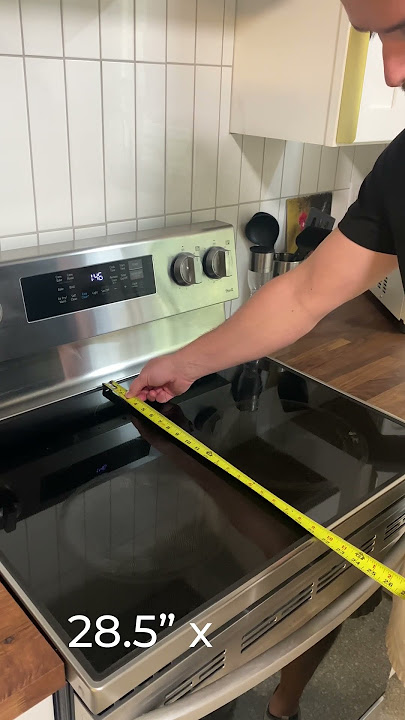
Imagine this: you’re planning your dream kitchen, and it’s almost perfect. The colors, the cabinets, the countertops—they’re all just right.
But there’s one thing missing: the cooktop. Before you rush to buy one, it’s crucial to ensure it fits perfectly into your kitchen space. How do you do that? By measuring accurately. Getting the measurements right isn’t just about filling a gap; it’s about ensuring functionality, safety, and style.
A cooktop that’s too small or too large can lead to unnecessary hassles and even added expenses. But don’t worry, measuring for a cooktop isn’t as daunting as it sounds. In this guide, you’ll discover simple, step-by-step instructions to help you measure your space like a pro. You’ll learn the essential tips and tricks to avoid costly mistakes and ensure your new cooktop fits seamlessly into your kitchen design. Stay with us to master the art of measuring for a cooktop, and make your kitchen dreams a reality.
Gather Essential Tools
Before you dive into measuring for your new cooktop, make sure you have the right tools on hand. Having these essentials ready saves time and avoids frustration during the process. The accuracy of your measurements depends on the tools you choose, so don’t skip this step.
Measuring Tape And Level
A reliable measuring tape is your best friend here. It helps you capture the exact width, depth, and height of the space where the cooktop will fit. Choose a tape measure that locks in place to prevent slipping and getting inaccurate numbers.
Don’t forget a level. It checks if your countertop is perfectly flat and even. An uneven surface can affect how your cooktop sits and even how it cooks. Even a small tilt might cause problems you won’t notice until later.
Notepad And Pen
Writing down your measurements is crucial. A notepad and pen let you record dimensions as you go, avoiding mix-ups or forgotten numbers. Use a clear format—like listing width, depth, and height separately—to keep your notes organized.
Consider jotting down any irregularities you notice, such as uneven edges or obstacles like vents. These details help when comparing your space to the cooktop’s specifications. Plus, you’ll thank yourself later when you double-check before buying.

Credit: www.youtube.com
Check Your Cooktop Type
Checking your cooktop type is key before measuring. Different cooktops fit differently in your kitchen. Knowing your cooktop style helps get the exact size needed. Avoid mistakes by identifying the type first. This step saves time and money.
Drop-in Vs. Slide-in Models
Drop-in cooktops sit inside a cutout on the countertop. Their edges rest on the counter surface. This style needs precise measurements of the cutout. It usually has a visible rim around the cooktop. Drop-ins offer a clean look with a flush finish.
Slide-in cooktops are often part of a range. They slide in between cabinets and have front controls. The sides cover the countertop edges. Slide-ins require measuring the entire cooktop width and depth. This style blends with your kitchen design.
Built-in Cooktop Variations
Built-in cooktops come in gas, electric, and induction types. Each type has unique installation needs. Gas cooktops need space for burners and ventilation. Electric ones require a smooth surface and proper wiring. Induction cooktops need a flat surface and compatible cookware.
Sizes vary from 24 to 36 inches typically. Always check the manufacturer’s specifications. Measure the cutout width, depth, and height carefully. Note any special features like downdraft vents or trim kits. These affect the final measurement.
Measure Countertop Cutout
Measuring the countertop cutout is a key step before installing a new cooktop. Accurate measurements ensure the cooktop fits perfectly and stays secure. Take your time and double-check each dimension. A precise cutout makes installation smooth and avoids costly mistakes.
Width And Depth Dimensions
Use a tape measure to get the width and depth of the cutout area. Measure from the inside edges of the countertop opening. Write down these numbers clearly. Measure at least twice to confirm accuracy. Keep the tape measure straight and level for best results.
Check For Rounded Corners
Many countertops have rounded corners in the cutout area. Check if your countertop does by looking closely at each corner. Use a radius gauge or a flexible ruler to measure the curve size. Note the radius measurement for every corner. This helps match the cooktop’s corner design and ensures a snug fit.
Measure Cooktop Dimensions
Measuring your cooktop dimensions correctly is essential before making a purchase or installation. Knowing the exact size ensures your new cooktop fits perfectly into your kitchen space without any surprises. Let’s focus on the key measurements you need to take for a smooth process.
Overall Width And Depth
Start by measuring the total width and depth of the space where your cooktop will sit. Use a tape measure to get the exact horizontal width from one side to the other.
Next, measure the depth by checking from the front edge to the back wall or backsplash. Make sure to measure at multiple points since countertops may not be perfectly straight.
Have you ever bought an appliance only to find it doesn’t fit? Taking precise width and depth measurements helps you avoid that hassle.
Height And Edge Details
Don’t forget to measure the height of your cooktop area, especially if it needs to fit flush with your countertop. This includes checking the thickness of the countertop and the clearance needed underneath.
Also, pay attention to the edge details of your countertop cutout. Some cooktops require specific edge styles or lip sizes to sit securely.
Measuring these carefully prevents gaps or awkward overhangs, giving you a clean, professional look once installed.
Consider Clearance And Ventilation
Consider clearance and ventilation carefully when measuring for a cooktop. Proper spacing ensures safety and efficient cooking. It helps prevent heat damage and allows the cooktop to work well.
Side And Back Space
Leave enough space on the sides and back of the cooktop. This space stops heat from harming cabinets or walls. Most cooktops need at least 2 inches of clearance on each side. The back usually requires more room, around 4 inches. Check the cooktop’s manual for exact measurements. Lack of space can cause heat buildup and risks fire.
Proper Airflow Needs
Good airflow keeps the cooktop cool and vents out smoke or steam. Ventilation systems must have enough room to work well. Make sure the area under and around the cooktop is open. Avoid blocking vents with objects or tight cabinets. Proper airflow extends the cooktop’s life and keeps your kitchen safe.
Account For Electrical And Gas Connections
Accounting for electrical and gas connections is a crucial part of measuring for a cooktop. These connections determine where your appliance will fit and function safely. Overlooking this can lead to costly adjustments or even dangerous situations.
Location Of Outlets And Hoses
Start by identifying where your electrical outlets and gas hoses are located. Measure the distance from the wall or cabinet to these points precisely.
Keep in mind the type of connection your cooktop requires—some need a dedicated 220-volt outlet, while others use standard 110 volts. For gas cooktops, the hose must reach without stretching or bending sharply.
I once helped a friend install a gas cooktop, only to find the hose was too short. We had to order an extension, which delayed the project. Checking these measurements beforehand saves you this hassle.
Safety Clearance Requirements
Safety clearances around electrical and gas connections are not just recommendations—they are often legal requirements. Make sure you leave adequate space between the cooktop and surrounding walls or cabinets.
Typical clearances range from 2 to 6 inches, depending on your local building codes and the cooktop model. These gaps prevent heat damage and allow for proper ventilation.
Ask yourself: Is there enough room for maintenance or emergency shutoff access? Proper clearance ensures you can quickly disconnect power or gas if needed.
Double-check Measurements
Double-checking your cooktop measurements is crucial before making a purchase or installation. Even a small miscalculation can lead to an ill-fitting cooktop that’s difficult to install or use. Taking the time to verify ensures you avoid costly mistakes and frustration down the line.
Re-measure For Accuracy
Measuring once is rarely enough. Use a reliable tape measure and note down the width, depth, and height of the space where your cooktop will go.
After your first measurement, put the tape away and then measure again. This second reading helps catch any slips or errors you might have made initially.
Try measuring from different angles—such as the countertop edge and cabinet face—to confirm consistency. This extra step can reveal hidden obstacles like trim or uneven surfaces you might have missed.
Cross-verify With Manufacturer Specs
Once you have your measurements, compare them against the cooktop’s official dimensions from the manufacturer. Check not only the overall size but also installation requirements such as cutout dimensions and clearance space.
Manufacturers often provide detailed diagrams or tables—make sure you review these carefully. Sometimes, a cooktop might have vents or controls that need additional space, which isn’t obvious at first glance.
Have you ever bought a product that didn’t fit because you ignored the fine print? Don’t let that happen here. Verifying specs ensures your chosen cooktop matches your kitchen’s layout perfectly.
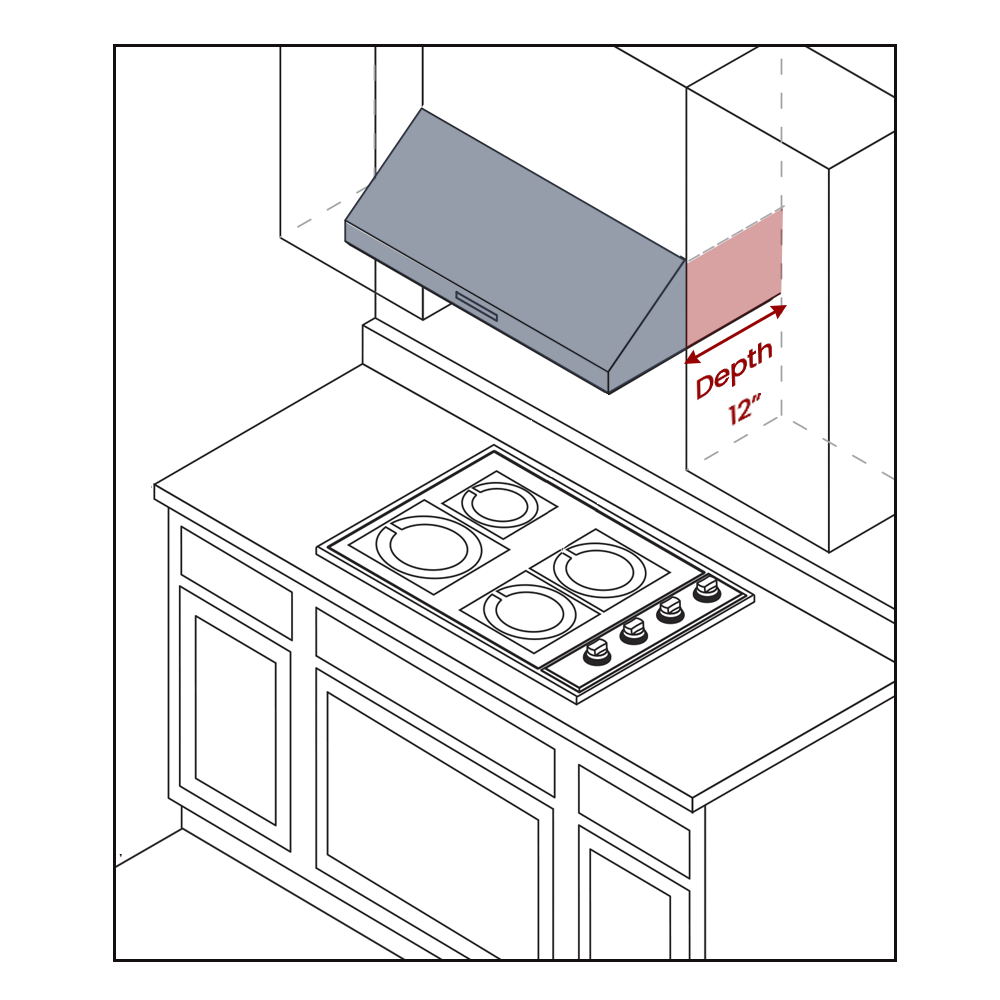
Credit: www.2pacific.com
Record And Share Measurements
Recording and sharing your cooktop measurements accurately can save you from costly mistakes and delays. It’s not just about writing down numbers; it’s about creating a clear, organized reference that you and others can trust. Let’s look at how you can document these details effectively and communicate them to professionals involved in your kitchen project.
Documenting For Installation
Start by writing down every dimension related to your cooktop space. Include the width, depth, and height of the cutout area, as well as the clearance needed around the cooktop for ventilation and safety. Use a simple table to keep these details neat and easy to read:
| Measurement | Dimension (inches or cm) | Notes |
|---|---|---|
| Cutout Width | 30 | Space where cooktop fits |
| Cutout Depth | 21 | Front to back space |
| Clearance Around Cooktop | 2 | For ventilation |
Photograph the space from several angles and add these images to your notes. Visuals help avoid misunderstandings and provide extra context that numbers alone can’t convey.
Communicating With Professionals
When you share your measurements with installers or kitchen designers, clarity is key. Make sure your notes are easy to understand and include all relevant details, such as appliance model numbers or any unusual features in your kitchen.
- Send digital copies of your documented measurements and photos via email or a shared cloud folder.
- Ask if they need additional information before the installation day.
- Confirm that your measurements match the specifications of the cooktop model you plan to buy.
Have you ever had an installation delayed because of missing or incorrect measurements? Avoid this by proactively sharing precise information. Clear communication helps professionals prepare better and ensures your new cooktop fits perfectly on the first try.
Credit: www.whirlpool.com
Frequently Asked Questions
How Do I Measure A Cooktop For Installation?
Measure the width and depth of the cooktop space. Use a tape measure for accuracy. Note the cutout dimensions in the countertop. Double-check measurements to ensure a proper fit. Record the measurements before purchasing a new cooktop.
What Tools Are Needed To Measure A Cooktop?
You need a tape measure, a pencil, and paper. A level helps check surface evenness. A measuring tape ensures precise length and width. These tools help gather accurate measurements for installation.
Should I Measure The Countertop Or Cooktop First?
Measure the countertop cutout first for accurate fitting. Then, measure the cooktop to confirm it matches the cutout. This avoids installation issues and ensures a snug fit.
How To Measure Cooktop Cutout Dimensions Accurately?
Measure the length and width of the cutout space. Include any corner radii or edges. Use a tape measure and record all dimensions precisely. Double-check before ordering a cooktop.
Conclusion
Measuring your cooktop correctly saves time and avoids mistakes. Use a tape measure and note the width, depth, and height carefully. Double-check your numbers before buying a new cooktop. Remember to measure the cutout space in your countertop too. Taking these simple steps ensures a perfect fit.
Cooking becomes easier and safer with the right-sized cooktop. Keep this guide handy for your next kitchen update. Simple, clear measurements make all the difference.