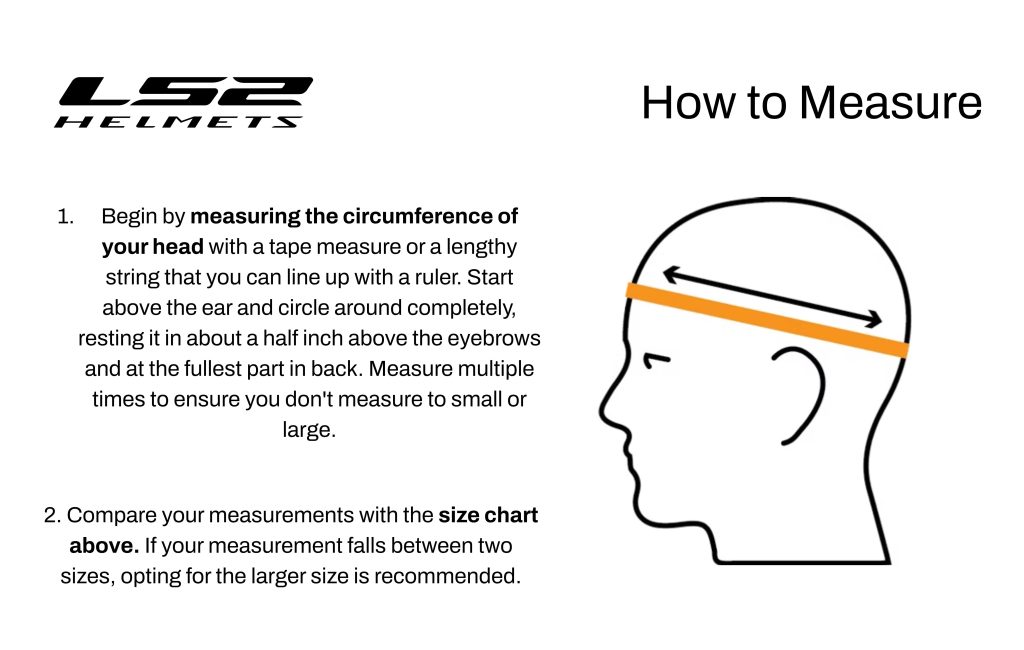
Getting the right fit for your bike helmet isn’t just about comfort—it’s about safety. If your helmet is too tight, it can hurt your head.
If it’s too loose, it won’t protect you when you need it most. But how do you know what size to buy? Measuring your head the right way is the first step to finding a helmet that fits perfectly. You’ll learn simple, clear steps to measure your head correctly.
By the end, you’ll feel confident choosing a helmet that keeps you safe and comfortable every time you ride. Keep reading to make sure your next helmet fits just right.

Credit: unit1gear.com
Why Helmet Fit Matters
A bike helmet protects your head during accidents. A helmet that fits well keeps you safer.
Wearing the wrong size helmet can cause injuries. It can also make you feel uncomfortable.
Comfort And Stability
A proper fit keeps the helmet snug but not tight. This prevents the helmet from moving while you ride.
If the helmet shifts, it may not protect the right areas of your head in a crash.
- Snug fit stops helmet from sliding
- Even pressure avoids pain points
- Stable helmet improves focus and safety
Effective Impact Protection
Helmets have padding and foam inside to absorb shocks. Proper fit ensures this padding works well.
A loose helmet may let your head hit hard surfaces directly. A tight helmet may break or cause discomfort.
- Correct fit helps foam absorb impact
- Loose helmets reduce safety
- Too tight helmets can crack or stress
Better Vision And Hearing
A helmet that fits right sits properly on your head. This helps keep your field of vision clear.
It also avoids covering your ears too much. You can hear sounds from the road and stay alert.
- Proper fit keeps helmet from blocking view
- Ear openings allow sound to reach you
- Clear vision and hearing improve safety
Prevents Injury From Incorrect Use
Wearing a helmet that is too large or small can cause harm. It may cause neck strain or head injuries.
A good fit reduces risk of injury by holding the helmet in place during impact. It also stops the helmet from falling off.
- Right fit reduces risk of neck injury
- Stops helmet from coming off in a crash
- Protects your head where it needs it most
Tools Needed For Measuring
Measuring your head is important to find the right bike helmet size. You need the right tools to get an accurate measurement.
These tools are easy to use and help you measure your head quickly and correctly.
Measuring Tape
A soft measuring tape is the best tool for measuring your head. It wraps around your head easily and gives an accurate size.
Use a cloth or plastic tape measure. Avoid metal tapes because they do not bend well.
Mirror
A mirror helps you see the measuring tape position on your head. It makes it easier to measure by yourself.
Stand in front of a mirror and place the tape just above your eyebrows and ears.
Pen Or Marker
You can use a pen or marker to mark the spot where the measuring tape meets. This helps you read the measurement more clearly.
Make a small mark on the tape or your skin to note the size.
Paper And Pen For Notes
Write down your measurements to remember them when you shop for a helmet. This keeps your sizes handy and organized.
Keep a note of the measurement in centimeters or inches, depending on your helmet size chart.
Measuring Your Head Size
Choosing the right bike helmet starts with knowing your head size. A proper fit keeps you safe and comfortable.
This guide explains how to measure your head correctly using simple tools and methods.
Using A Tape Measure
Use a soft tape measure made for sewing. If you do not have one, use a piece of string and then measure it with a ruler.
- Place the tape measure around your head just above your eyebrows.
- Make sure the tape is level all around your head.
- Keep the tape snug but not tight.
- Note the number where the tape meets the start.
- Repeat the measurement to confirm accuracy.
Finding The Right Measurement Points
The key measurement point is just above your eyebrows and ears. This area gives the most accurate head size for helmets.
| Measurement Point | Description |
|---|---|
| Forehead | Just above the eyebrows, across the widest part of your forehead. |
| Above Ears | Wrap tape around the heads, passing over the top of the ears. |
| Back of Head | Includes the widest part at the back, near the base of the skull. |
Helmet Sizing Charts
Finding the right helmet size is crucial for safety. Helmet sizing charts help you choose the perfect fit.
These charts convert head measurements into helmet sizes. Accurate measurements ensure comfort and protection.
Comparing Different Brands
Helmet sizes can vary between brands. A size medium in one brand may differ in another.
Always check the sizing chart specific to the brand you choose. This ensures a proper fit.
- Brand A: Sizes run smaller
- Brand B: True to size
- Brand C: Sizes run larger
Converting Measurements To Sizes
Use a soft measuring tape to measure your head. Place the tape above your eyebrows, around the widest part of your head.
Convert your measurement into a helmet size using a chart. This helps you find a helmet that fits well.
| Measurement (cm) | Helmet Size |
| 51-52 | Small |
| 53-54 | Medium |
| 55-56 | Large |
Trying On The Helmet
Trying on a bike helmet helps you find the right fit for safety and comfort. It is important to wear the helmet before buying it.
This process lets you check how the helmet feels on your head. Make sure it fits snugly without being too tight.
Checking Helmet Position
Place the helmet level on your head. The front should sit just above your eyebrows.
The helmet should cover your forehead but not block your vision. Tilt it slightly back or forward if needed.
- The helmet must sit evenly and not tilt to one side.
- It should feel stable and not move when you shake your head.
- Make sure it does not rest too far back on your head.
Adjusting Straps And Padding
Fasten the chin strap so it feels secure but not tight. You should fit one or two fingers between the strap and your chin.
Check the side straps to form a “V” shape under your ears. Adjust padding inside the helmet for a comfortable fit.
- Chin strap must hold the helmet firmly in place.
- Side straps should be snug and not twisted.
- Use padding to fill any gaps between your head and the helmet.
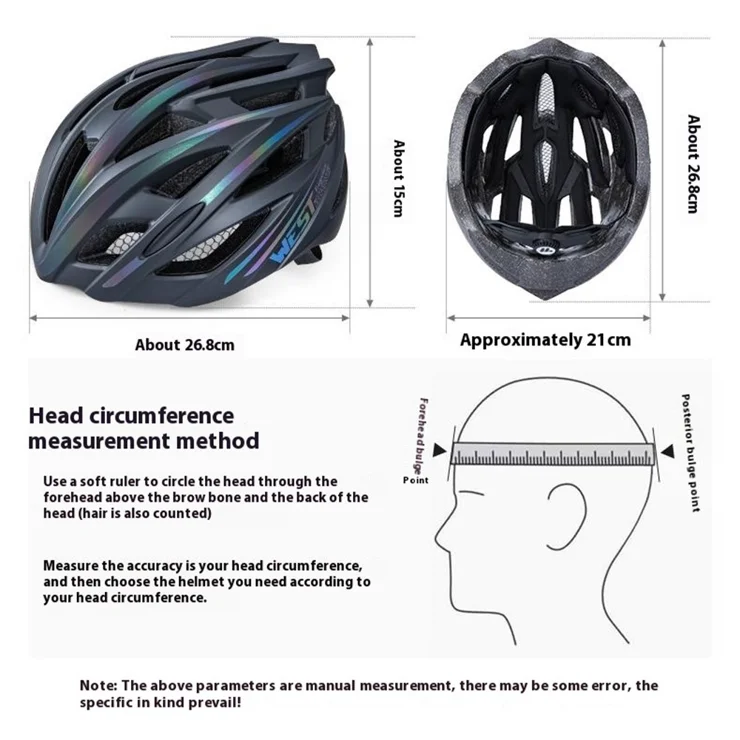
Credit: m.tvcmall.com
Common Fit Issues
Finding the right bike helmet fit is important for safety and comfort. A helmet that fits poorly can cause discomfort or fail to protect during a fall.
Two common fit problems are helmets that feel too tight or too loose. Each issue affects how well the helmet protects your head.
Helmet Too Tight
A helmet that is too tight can cause headaches and pressure points. It may leave marks on your forehead or temples after wearing it.
- Causes discomfort and pain
- May reduce blood flow in some areas
- Can distract you while riding
- Makes it hard to wear for long periods
To fix this, try loosening the adjustment straps or using a helmet with a larger size. Padding thickness can also affect tightness.
Helmet Too Loose
A loose helmet can move around on your head or slip off in a crash. This reduces its ability to protect you properly.
| Issue | Effect |
| Helmet slips forward or backward | Exposes forehead or back of the head |
| Helmet rotates side to side | Reduces impact protection |
| Chin strap feels loose | Helmet can come off easily |
Adjust the sizing system and chin strap to secure a snug fit. If the helmet is still loose, consider a smaller size or different model.
Tips For Kids’ Helmet Fit
Choosing the right bike helmet size for kids is very important. A helmet that fits well keeps children safe and comfortable while riding.
This guide explains how to measure your child’s head and check the helmet fit properly.
Measure Your Child’s Head
Use a soft tape measure to find the head size. Wrap the tape around the largest part of the head above the eyebrows and ears.
Check Helmet Size Chart
Compare the head measurement with the helmet brand’s size chart. Different brands may have slightly different sizes.
| Head Circumference (inches) | Helmet Size |
| 18 – 20 | XS (Extra Small) |
| 20 – 21.5 | S (Small) |
| 21.5 – 23 | M (Medium) |
| 23 – 24.5 | L (Large) |
Adjust Helmet Straps Correctly
- The straps should form a V shape just below the ears.
- Tighten the chin strap so only one or two fingers fit between strap and chin.
- Make sure the helmet does not move side to side or front to back.
Ensure Proper Helmet Position
The helmet should sit level on the child’s head. It must cover the forehead without tilting back.
Look For Comfort Features
Check for these comfort features to keep kids happy wearing their helmets:
- Soft padding inside the helmet
- Good ventilation for airflow
- Lightweight design to avoid neck strain
When To Replace Your Helmet
Your bike helmet protects your head in crashes. It wears out over time and loses safety features.
Knowing when to replace your helmet keeps you safe on every ride.
After A Crash
Helmets absorb impact in crashes. Even a small crash can damage it inside.
Replace your helmet right after any crash. It may not protect well again.
Every 3 To 5 Years
Helmet materials break down with time. Manufacturers suggest replacing helmets every 3 to 5 years.
Check your helmet’s age on the label or receipt. Replace it if it is too old.
Visible Damage
Look for cracks, dents, or crushed foam on your helmet. These signs mean it is unsafe.
Replace helmets with visible damage, even if you have not crashed.
Worn Or Broken Straps
Straps keep your helmet in place. If they are torn or loose, your helmet won’t fit well.
Replace your helmet if straps or buckles break or become weak.
Changes In Fit Or Comfort
A helmet must fit snugly. If it feels loose or uncomfortable, it may not protect you properly.
Replace your helmet if it no longer fits well or causes pressure points.

Credit: www.amazon.com
Frequently Asked Questions
How Do I Measure My Head For A Bike Helmet?
Use a soft tape measure around your head, about 1 inch above your eyebrows. Keep it snug but not tight. This measurement helps find the right helmet size for safety and comfort.
What Size Helmet Fits A 22-inch Head Circumference?
A 22-inch head circumference usually fits a medium helmet size. Check the manufacturer’s size chart for accuracy. Proper fit ensures maximum protection and comfort during rides.
Why Is Helmet Fit Important For Safety?
A well-fitting helmet stays securely in place during impact. It reduces the risk of head injuries by absorbing shock effectively. Proper fit ensures both comfort and optimal protection.
Can I Measure My Head Without A Tape Measure?
Yes, use a string to wrap around your head above the eyebrows. Mark the string length, then measure it with a ruler. This gives an accurate size for helmet fitting.
Conclusion
Measuring your head for a bike helmet is simple and important. Use a soft tape to find the right size. A helmet that fits well protects you better. Always check the fit before you buy. Remember, a loose or tight helmet can be unsafe.
Take your time to measure carefully. Stay safe and enjoy your ride with the right helmet fit.