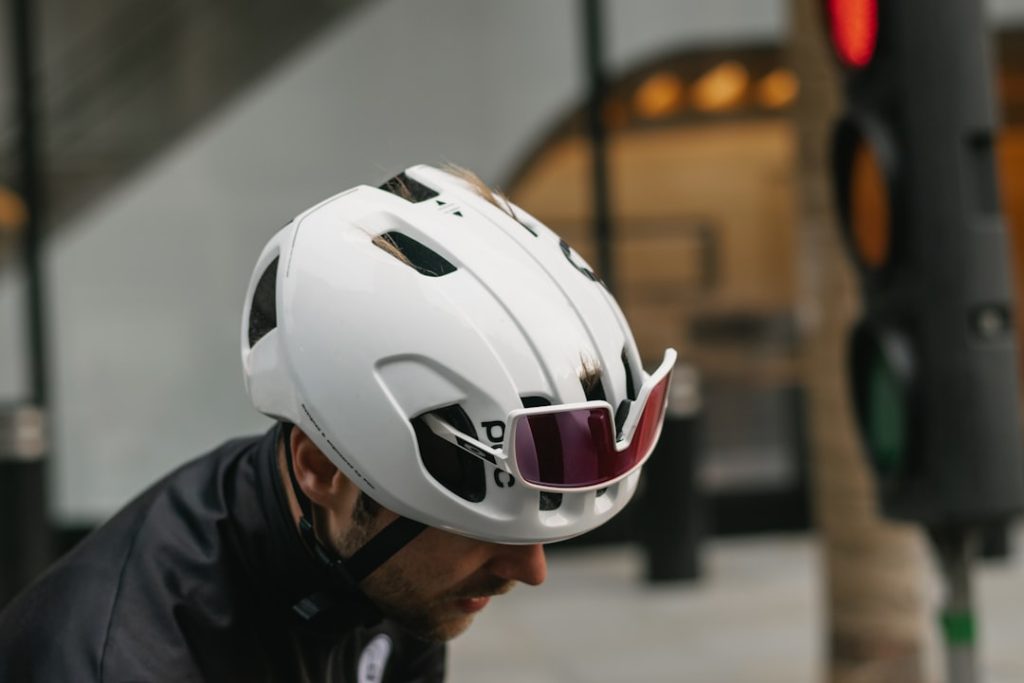
Getting the right fit for your bike helmet isn’t just about comfort—it’s about safety. If your helmet is too loose or too tight, it won’t protect you properly when you need it most.
But how do you know what size to choose? Measuring your head the right way is the key. In this guide, you’ll learn simple steps to measure for a bike helmet that fits perfectly. Keep reading to make sure your next ride is both safe and comfortable.
Why Helmet Fit Matters
A bike helmet that fits well protects your head better. A loose or tight helmet can cause problems.
Measuring your head size helps you find a helmet that fits just right. This keeps you safe and comfortable.
Safety Benefits
A helmet that fits well stays in place during a crash. It protects your head from impacts and injuries.
If the helmet is too loose, it may fall off or slide. If too tight, it may cause headaches and distract you.
- Good fit reduces risk of serious head injury
- Prevents helmet from moving on your head
- Ensures padding protects key areas
Comfort And Performance
A well-fitted helmet feels comfortable and lets you focus on riding. It avoids pressure points and discomfort.
Comfort helps you wear the helmet longer and ride better. A good fit improves ventilation and reduces sweat.
- Comfort encourages regular helmet use
- Better airflow keeps your head cool
- Improves balance and control while riding
Tools You Need
Measuring your head correctly is important to find a bike helmet that fits well. The right tools help you get the right size quickly.
Two common tools you will need are a measuring tape and helmet sizing charts. These tools make the process simple and accurate.
Measuring Tape
A soft measuring tape is best for measuring your head. It bends easily around the curves of your head.
Place the tape just above your eyebrows and ears. Wrap it around the widest part of your head to get the correct measurement.
- Use a cloth or flexible plastic tape
- Measure in centimeters or inches
- Keep the tape snug but not tight
Helmet Sizing Charts
Helmet sizing charts help you convert your head measurement into helmet sizes. Different brands may use different sizing systems.
Look for the chart that matches the helmet brand you want. Check the size that fits your head measurement for the best fit.
| Head Circumference (cm) | Helmet Size |
|---|---|
| 52 – 54 | Small |
| 55 – 58 | Medium |
| 59 – 62 | Large |
| 63 – 65 | X-Large |
Measuring Your Head
Choosing the right bike helmet size starts with measuring your head. A good fit helps keep you safe and comfortable.
Use a soft tape measure or string to get the most accurate size. Measure carefully to find the best helmet fit.
Finding The Right Spot
Place the tape measure around your head just above your eyebrows. The tape should sit about one inch above your ears.
- Keep the tape level all around your head
- Make sure it is snug but not tight
- Measure at the widest part of your head
- Avoid measuring over hair buns or thick hairstyles
Taking Accurate Measurements
To measure correctly, follow these simple steps. Use the number from the tape to find your helmet size.
- Wrap the tape measure around your head in the right spot.
- Note the length in centimeters or inches.
- Repeat the measurement two or three times.
- Use the average for the best fit.
| Head Circumference | Helmet Size |
| 50-54 cm (19.7-21.3 in) | Small |
| 55-58 cm (21.7-22.8 in) | Medium |
| 59-62 cm (23.2-24.4 in) | Large |
| 63-65 cm (24.8-25.6 in) | Extra Large |

Credit: www.amazon.com
Choosing Helmet Size
Picking the right bike helmet size is important for safety and comfort. A helmet that fits well protects your head better during a fall.
To find the right size, you need to measure your head and check the helmet brands carefully.
Using Size Charts
Most helmet brands offer size charts. These charts match your head measurement with the correct helmet size.
| Head Circumference (inches) | Helmet Size |
|---|---|
| 20.5 – 21.25 | Small |
| 21.25 – 22 | Medium |
| 22 – 22.75 | Large |
| 22.75 – 23.5 | X-Large |
Measure your head with a soft tape measure above your eyebrows. Check your size on the chart and try helmets in that range.
Trying Different Brands
Helmet sizes can vary between brands. Trying different brands helps you find the best fit.
- Put the helmet on and fasten the strap.
- Shake your head gently to see if it moves.
- The helmet should feel snug but not tight.
- Check if the helmet sits level on your head.
- Make sure no gaps exist between your head and the padding.
Trying several helmets helps you compare comfort and fit before buying.
Adjusting Helmet Fit
Getting the right fit for your bike helmet is very important. A helmet that fits well keeps you safe and comfortable while riding.
This guide explains how to adjust the fit using straps, buckles, and internal padding.
Straps And Buckles
Straps and buckles hold the helmet on your head. You must adjust them correctly to keep the helmet stable.
- Place the helmet level on your head.
- Adjust the side straps to form a “Y” shape just below your ears.
- Buckle the chin strap and tighten it until it feels snug.
- You should be able to fit one or two fingers between the strap and your chin.
- Check that the helmet does not move when you shake your head.
Internal Padding
Internal padding helps the helmet fit your head shape better. It adds comfort and stops the helmet from moving.
| Padding Type | Purpose | Adjustment Tips |
| Foam Pads | Fill gaps for a snug fit | Place thicker pads where the helmet feels loose |
| Gel Pads | Increase comfort and reduce pressure | Use gel pads on sensitive areas like the forehead |
| Removable Pads | Allow size customization | Swap pads to change helmet fit easily |
Common Fit Issues
Choosing the right bike helmet size is important for safety. A helmet that fits poorly can cause discomfort or fail to protect.
Two common problems are helmets that are too tight or too loose. Both can affect how well the helmet works.
Helmet Too Tight
A helmet that feels too tight can cause headaches and pressure points. It may leave marks on your skin after wearing it.
Tight helmets reduce comfort and can distract you while riding. They may also cause your head to sweat more.
- Check if the helmet leaves red marks on your forehead.
- Try to move the helmet side to side; it should not pinch but fit snugly.
- Adjust the straps and padding to reduce tightness.
Helmet Too Loose
A helmet that is too loose can move around while you ride. This reduces its protection in a crash.
Loose helmets can fall off or block your view if they shift forward or backward.
- Put on the helmet and shake your head gently. It should stay in place.
- Make sure the straps are snug and secure under your chin.
- Use extra padding if the helmet feels loose but not tight.
Tips For Kids’ Helmets
Choosing the right bike helmet for kids is important for their safety. A proper fit keeps the helmet in place and protects the head during a fall.
Measuring your child’s head and understanding helmet features can help you pick the best option.
Growth Considerations
Kids grow quickly, so helmets need to fit well now and have room for growth. A helmet that is too tight can be uncomfortable. One that is too loose won’t protect properly.
- Measure your child’s head circumference with a soft tape measure.
- Measure above the eyebrows and ears for the most accurate size.
- Check the helmet size chart before buying.
- Choose helmets with adjustable sizing to last through growth spurts.
- Replace helmets after a year or after a crash, even if they look fine.
Adjustability Features
Adjustable helmets grow with your child and improve comfort. Look for easy-to-use features that help get the perfect fit.
| Feature | Benefit |
| Dial Fit System | Allows fine size adjustments with a turn of a knob |
| Adjustable Straps | Keep the helmet snug but comfortable around the chin and ears |
| Removable Padding | Add or remove padding to improve fit as the child grows |
| Flexible Shell | Helps the helmet adapt to head shape and size |

Credit: yankel.co.uk
Maintaining Your Helmet Fit
Keeping your bike helmet fit right is very important for safety. A well-fitted helmet protects your head in crashes.
Check your helmet often to make sure it still fits properly. Over time, straps and pads can change.
Regular Checks
Test your helmet fit before every ride. The helmet should sit level on your head and feel snug.
Check the straps and buckles. They should be tight but comfortable and not twisted.
- Shake your head gently. The helmet should not move a lot.
- Make sure the helmet covers your forehead.
- Adjust the straps to keep the helmet secure.
- Replace worn pads to keep comfort and fit.
Replacing Your Helmet
Helmets lose protection after crashes or years of use. Replace your helmet every 3 to 5 years.
Replace your helmet if you see cracks, dents, or broken straps. Damaged helmets cannot protect well.
- Replace after any crash, even small ones.
- Check the manufacturer’s date and replace old helmets.
- Buy a new helmet if the fit changes and cannot be fixed.

Credit: unit1gear.com
Frequently Asked Questions
How Do I Measure My Head For A Bike Helmet?
Use a soft measuring tape to measure the circumference of your head. Place it about one inch above your eyebrows and ears. Ensure the tape is snug but not too tight. This measurement helps you choose the right helmet size for safety and comfort.
Why Is Helmet Size Important For Biking Safety?
A properly sized helmet ensures maximum protection during impact. If the helmet is too loose, it can shift and reduce effectiveness. Too tight can cause discomfort and distraction. Correct sizing improves stability, comfort, and overall safety while riding.
Can I Use A Regular Tape Measure For Helmet Sizing?
Yes, a regular soft tape measure works best for accurate head measurements. Avoid using rigid rulers or metal tapes as they won’t wrap properly. A cloth or flexible tape provides precise sizing essential for selecting the right helmet.
How Often Should I Measure My Head For A New Helmet?
Measure your head each time before buying a new helmet. Head size can slightly change over time or with hair changes. Regular measurement ensures you always get a well-fitting helmet that offers the best protection.
Conclusion
Choosing the right bike helmet is crucial for your safety. Measure your head carefully. Use a flexible tape measure. Wrap it around your head, above your eyebrows. Write down the measurement. Compare it to helmet sizes. Pick one that fits snugly.
It shouldn’t move when you shake your head. A well-fitted helmet protects you better. Always adjust the straps for comfort. Check the fit regularly, especially for kids. Safety first, always. Happy and safe biking!