Using a breast pump can be helpful for many mothers. It lets you feed your baby even when you are away. But, to use it well, you need the right flange size. The flange is the part that fits over your nipple and breast. If it does not fit well, pumping may hurt or give less milk.
Why is Flange Size Important?
The flange size affects comfort and milk flow. If it is too small, it can pinch your nipple. This can cause pain or damage. If it is too big, your nipple moves too much. This can also cause pain and less milk. The right size helps you pump milk easily and without pain.
What is a Breast Pump Flange?
A breast pump flange is also called a breast shield. It is a funnel-shaped part. You place it over your nipple and some breast skin. The flange connects to the pump. It helps create suction to draw milk out.
How to Measure Your Breast Pump Flange Size
Measuring your flange size is easy. You just need a ruler or tape measure. Follow these steps carefully:
Step 1: Find A Ruler Or Tape Measure
Use a ruler or a soft tape measure. A flexible tape measure works best.
Step 2: Measure Your Nipple Diameter
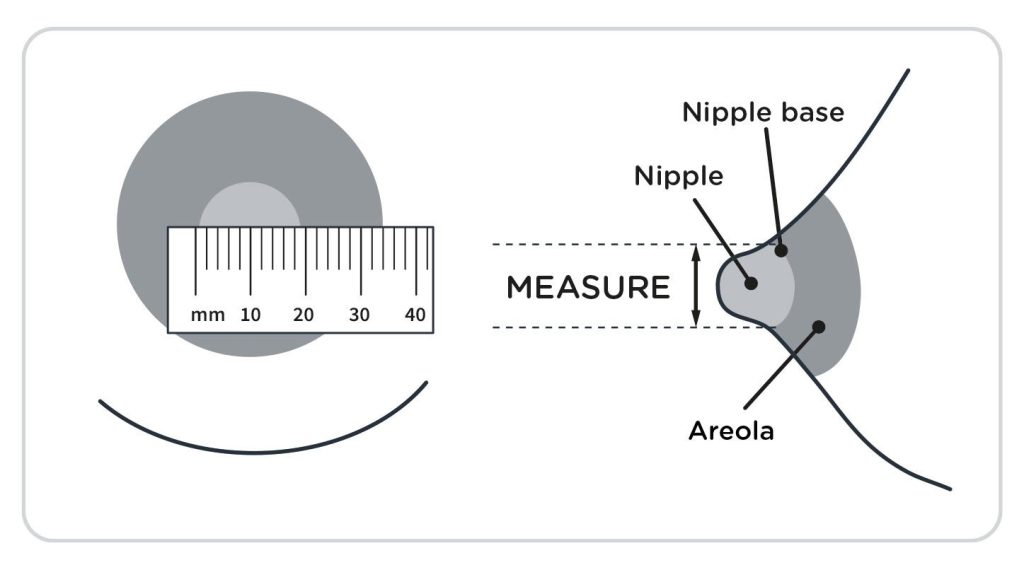
Measure the diameter of your nipple, not the areola. The areola is the dark skin around your nipple. The nipple is the small, round part that sticks out.
Place the ruler across the base of your nipple. Measure from one side to the other. Do this when your nipple is standing up, not flat. Record this number in millimeters (mm).
Step 3: Choose Your Flange Size
The flange size is the inner diameter of the tunnel where your nipple goes. It should be about 2 to 3 mm larger than your nipple diameter. This gives your nipple enough space without rubbing too much.
| Nipple Diameter (mm) | Recommended Flange Size (mm) |
|---|---|
| 15 mm | 17 – 18 mm |
| 16 mm | 18 – 19 mm |
| 17 mm | 19 – 20 mm |
| 18 mm | 20 – 21 mm |
| 19 mm | 21 – 22 mm |
| 20 mm | 22 – 23 mm |
Tips for Measuring Correctly
- Measure your nipple when it is firm but not hard.
- Do not include the areola in your measurement.
- Measure both nipples because sizes can differ.
- Measure more than once to be sure.
- Use millimeters for accuracy.
Signs Your Flange Size is Wrong
Sometimes you may feel pain or discomfort. This can mean your flange size is wrong. Here are signs to watch for:
- Pain or pinching: Flange may be too small.
- Red marks on nipple: Flange is too tight.
- Nipple moves sideways: Flange may be too big.
- Little milk flow: Flange may not fit well.
How to Choose a Flange Size for Different Pump Brands
Flanges may differ by brand. Check your pump manual or website. Some brands sell different flange sizes. You can buy them separately. Use your measurement to pick the right size.

Credit: www.cherishedparenting.com.au
.png)
Credit: www.cherishedparenting.com.au
What if You Need a Custom Size?
Some women need sizes not sold in stores. You can buy special flanges online. Some companies make custom sizes. Talk to a lactation consultant if you need help.
How to Check Flange Fit During Pumping
When you start pumping, check how it feels. Your nipple should move freely in the tunnel. It should not rub the sides. You should feel gentle suction, not pain.
If it hurts or feels wrong, stop and try a different size. It is okay to try a few sizes. Comfort is very important.
Other Tips for Comfortable Pumping
- Use warm compresses before pumping.
- Massage your breasts gently to help milk flow.
- Relax and find a quiet place to pump.
- Stay hydrated and eat healthy foods.
- Clean your pump parts after every use.
When to Talk to a Lactation Consultant
If you have pain or low milk supply, get help. A lactation consultant can check your flange size. They can show you how to pump better. They also help with other breastfeeding questions.
Summary
Choosing the right flange size is important for comfort. It helps you get more milk and avoid pain. Measure your nipple diameter with a ruler or tape measure. Pick a flange size 2 to 3 mm bigger than your nipple. Check how it feels when you pump. If it hurts, try a different size. Ask a lactation consultant if you need help.
Having the right flange size makes pumping easier. It helps you feed your baby well. Take time to measure and find your best fit.
Frequently Asked Questions
How Do I Measure Breast Pump Flange Size Accurately?
Use a ruler to measure the diameter of your nipple at the base in millimeters.
Why Is Correct Flange Size Important For Pumping?
Proper size prevents pain and helps milk flow better during pumping sessions.
What If My Nipple Is Between Two Flange Sizes?
Choose the larger size to avoid pinching or discomfort while pumping.
How Often Should I Check My Flange Size?
Check every few months or if you feel pain or less milk output.