Are you planning to upgrade your kitchen with a new cooktop? Before you make that exciting purchase, it’s essential to ensure that it fits perfectly into your space.
Measuring for a cooktop might seem straightforward, but getting it right is crucial to avoid costly mistakes. Imagine the frustration of choosing a beautiful new appliance, only to find it doesn’t fit. Don’t worry—we’ve got you covered. In this guide, you’ll discover simple, foolproof steps to measure for your cooktop.
By the end, you’ll feel confident and ready to make a smart choice. Let’s dive into ensuring your new cooktop fits seamlessly into your kitchen.

Credit: www.kellyshomecenter.com
Choose The Right Cooktop
Choosing the right cooktop is key to a smooth cooking experience. The cooktop should fit your kitchen style and cooking habits. It must match the space available and your cooking needs. This helps avoid issues during installation and daily use.
Types Of Cooktops
Cooktops come in different styles and fuel types. Pick one that suits your cooking style and kitchen setup.
- Gas Cooktops:Offer instant heat and easy control. Ideal for fast cooking.
- Electric Cooktops:Have smooth surfaces and even heat. Easy to clean.
- Induction Cooktops:Use magnets to heat pots directly. Energy efficient and safe.
- Downdraft Cooktops:Built-in ventilation pulls smoke down. Good for kitchens without overhead hoods.
Considering Kitchen Space
Measure the area where the cooktop will go. Make sure there is enough room around it for safety.
Check the countertop size and cabinet layout. The cooktop should fit flush with the counter.
Leave space for pot handles and cooking tools. Avoid crowding to keep cooking comfortable.
Consider ventilation options too. Proper airflow helps remove smoke and odors.
Gather Measuring Tools
Gathering the right measuring tools is the first step for accurate cooktop measurement. The right tools make the process simple and precise. Having everything ready saves time and avoids mistakes. Prepare your space and tools before starting to measure. This ensures smooth and efficient work.
Essential Tools Needed
- Tape measure with clear markings
- Steel ruler for straight edges
- Carpenter’s square for right angles
- Pencil or marker for marking
- Notepad to write down measurements
Use a tape measure that does not stretch. A steel ruler helps check straight lines. Carpenter’s square ensures corners are accurate. Mark points lightly for easy adjustments. Write measurements immediately to avoid forgetting.
Preparing Your Workspace
Clear the countertop where you will measure. Remove any objects or appliances. Wipe the surface clean to see edges clearly. Have good lighting to avoid shadows. Keep your tools within reach to work faster.
Stand comfortably and ensure you can move freely. A stable surface is crucial for precise measuring. Avoid distractions to maintain focus. Taking time to prepare leads to better results.
Measure Countertop Cutout
Measuring the countertop cutout accurately is crucial before installing your new cooktop. A precise fit ensures safety and functionality while preventing costly modifications later. Taking the time to measure carefully can save you from unexpected hassles.
Width And Depth Measurements
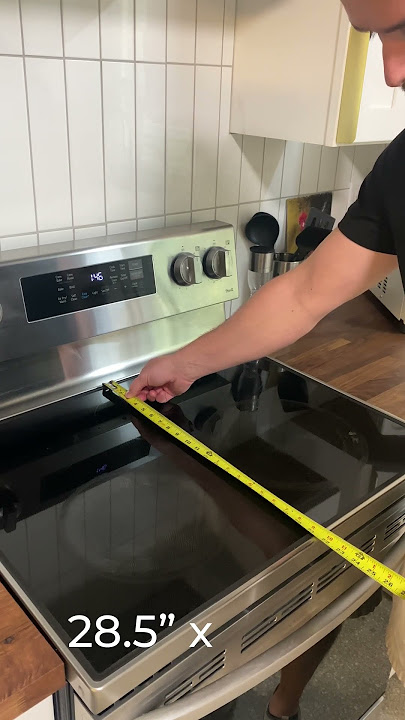
Start by measuring the width of the cutout from one inside edge to the other. Use a tape measure and double-check to avoid errors. Then, measure the depth by running the tape from the front edge to the back edge inside the cutout.
Write down these measurements clearly. If your cutout is off by even a small amount, your cooktop may not sit properly. Have you ever faced the frustration of a cooktop that just wouldn’t fit? Accurate width and depth measurements help you avoid that.
Checking Cutout Shape
Not all cutouts are perfect rectangles. Some might have rounded corners or irregular edges. Use a flexible measuring tape or a ruler to check if the shape matches your cooktop’s base.
Mark any deviations on your notes. It’s important to compare the shape with the cooktop’s installation guide. If your cutout shape doesn’t match, you might need to adjust the countertop or choose a different model.
Measure Cooktop Dimensions
Measuring cooktop dimensions is essential before purchasing or installing a new unit. Accurate measurements ensure the cooktop fits perfectly in your kitchen space. It prevents costly mistakes and helps maintain a sleek, professional look. Understanding the overall size and cutout requirements provides a clear guide for installation.
Overall Size
The overall size refers to the total width and depth of the cooktop. Use a tape measure to get precise numbers. Measure from edge to edge across the top surface. Include any controls or handles that extend beyond the main surface. Record both width and depth in inches or centimeters. These numbers help you compare different models easily.
Cutout Requirements
Cutout requirements are the dimensions of the hole in the countertop. This space must match the cooktop’s base size for a secure fit. Check the manufacturer’s instructions for exact cutout measurements. Measure the length and width of the cutout area carefully. Also, note the depth of the countertop opening. Proper cutout size prevents gaps or tight spots around the cooktop.
Account For Clearance And Ventilation
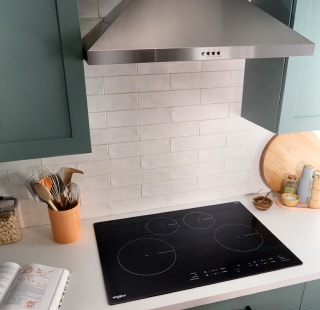
Account for clearance and ventilation when measuring for a cooktop. Proper space around the cooktop prevents heat damage and ensures safe operation. Ventilation helps remove smoke, steam, and cooking odors. Without enough clearance and airflow, risks increase for fire hazards and poor air quality.
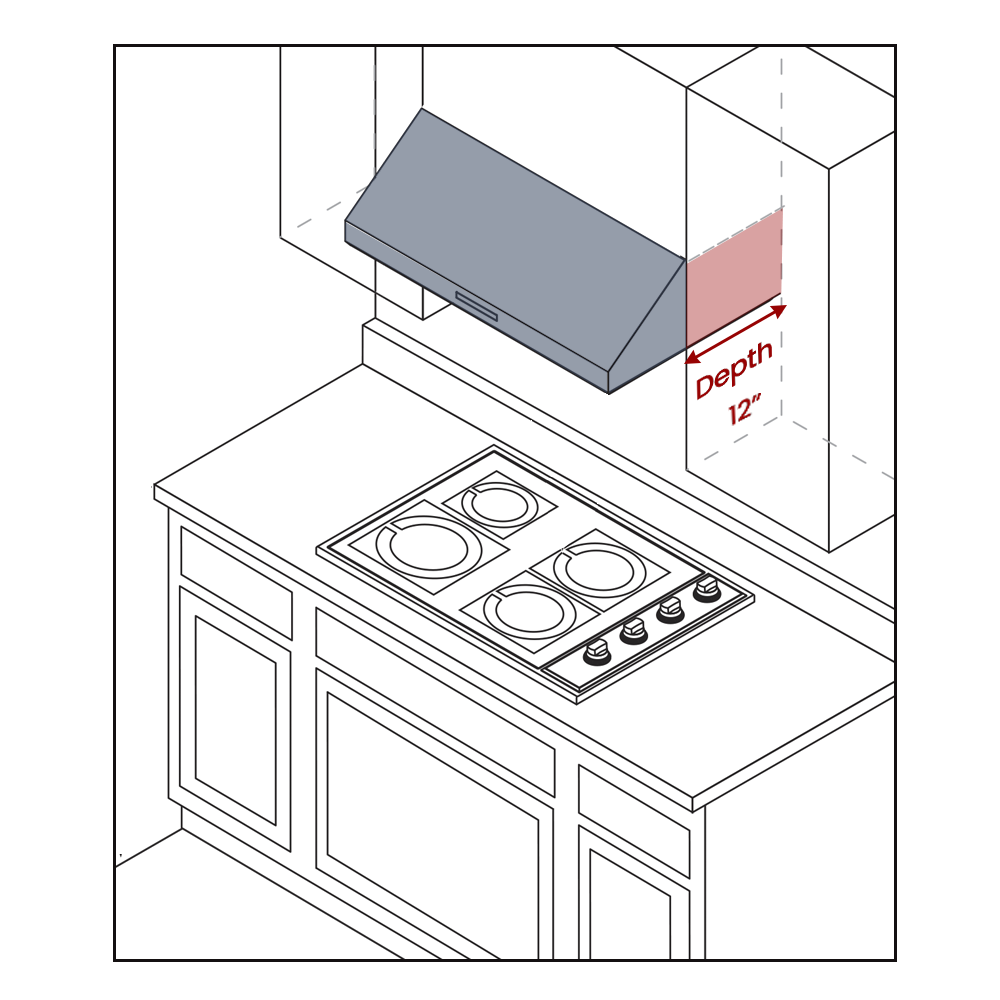
Measure the distance between the cooktop edges and nearby walls or cabinets. Leave enough space for airflow and to avoid heat buildup. Consider the cooktop’s ventilation needs, such as a vent hood or exhaust fan placement. This keeps the kitchen comfortable and safe while cooking.
Manufacturer Guidelines
Check the cooktop manual for specific clearance rules. Manufacturers list minimum space required around the appliance. Follow these instructions exactly to avoid voiding warranties or causing damage. Guidelines often include:
- Minimum distance to walls and cabinets
- Height requirements above the cooktop
- Ventilation system specifications
These details help plan your kitchen layout safely and efficiently.
Safety Considerations
Keep flammable materials away from the cooktop. Maintain clear space to prevent fire hazards. Ensure ventilation removes heat and fumes effectively. Proper airflow reduces the risk of carbon monoxide buildup. Avoid blocking vents or air pathways. Install smoke detectors nearby for extra safety. These steps protect your home and family during cooking.
Credit: www.whirlpool.com
Double-check Measurements
Double-checking measurements is key before installing a cooktop. It prevents costly errors and ensures the appliance fits perfectly. Taking the time to verify your numbers saves hassle later.
Cross-verification Tips
- Measure the width, depth, and height twice using a tape measure.
- Compare your cooktop’s dimensions with the countertop cutout size.
- Use a second measuring tool, like a ruler or laser measure, for accuracy.
- Ask someone else to measure independently and compare results.
- Write down all measurements clearly to avoid confusion.
Common Measurement Mistakes
- Not measuring the countertop cutout accurately.
- Ignoring the cooktop’s thickness and clearance requirements.
- Measuring only once and trusting a single reading.
- Forgetting to include space for trim or edges.
- Using a stretched or worn tape measure that skews numbers.
Record And Share Measurements
Recording and sharing your cooktop measurements accurately can save you from costly mistakes and frustration later. It’s not just about jotting down numbers; it’s about keeping your information clear and accessible. How you organize these details and communicate them can determine the success of your installation or purchase.
Organizing Your Notes
Keep your measurements neat and easy to understand. Use a dedicated notebook or a digital note app where you can label each dimension clearly—width, depth, and cutout size. Adding sketches or photos alongside your notes helps visualize the space and reduces confusion.
Try creating a simple table to capture key measurements:
| Measurement | Value (inches/cm) | Notes |
|---|---|---|
| Cooktop Width | 30″ | Measured from edge to edge |
| Cutout Width | 28.5″ | Space in countertop for installation |
| Countertop Thickness | 1.5″ | Important for mounting brackets |
Keeping your notes organized this way makes it easier to update or review measurements. Have you ever lost track of your numbers and had to re-measure everything? Avoid that by staying consistent and clear.
Communicating With Professionals
Sharing your measurements accurately with contractors, installers, or appliance suppliers is crucial. Send your organized notes via email or share digital files so they have direct access. Clear communication prevents misunderstandings that could delay your project.
Don’t hesitate to ask questions or confirm details back with professionals. For example, you might ask, “Does this cutout size match the cooktop model’s installation requirements?” This shows you’re proactive and helps catch any discrepancies early.
Providing visuals, like photos of your kitchen space alongside measurements, can also help professionals understand your setup better. Would you prefer a quick call to clarify details or detailed written instructions? Choose the method that works best for clear communication.
Credit: www.2pacific.com
Frequently Asked Questions
How Do I Measure My Cooktop Dimensions Accurately?
Measure the cooktop’s width and depth using a tape measure. Measure from edge to edge. Note any cutout space in the countertop for fitting.
What Tools Are Needed To Measure For A Cooktop?
You need a tape measure, pencil, and paper. These tools help record precise cooktop and countertop dimensions for installation.
How To Measure Countertop Cutout For Cooktop Installation?
Measure the length and width of the countertop opening. Ensure you note the depth and corner shapes for a perfect fit.
Can I Measure Cooktop Size Without Removing It?
Yes, measure the visible top surface carefully. Measure width and depth from outer edges without lifting the cooktop.
Conclusion
Measuring your cooktop correctly saves time and avoids mistakes. Take your measurements slowly and carefully. Use a tape measure and note all dimensions. Double-check the width, depth, and height. Keep the space around the cooktop in mind. This helps ensure a perfect fit in your kitchen.
With the right size, cooking feels easier and safer. Remember, good preparation makes a big difference. Now, you are ready to choose the right cooktop with confidence.