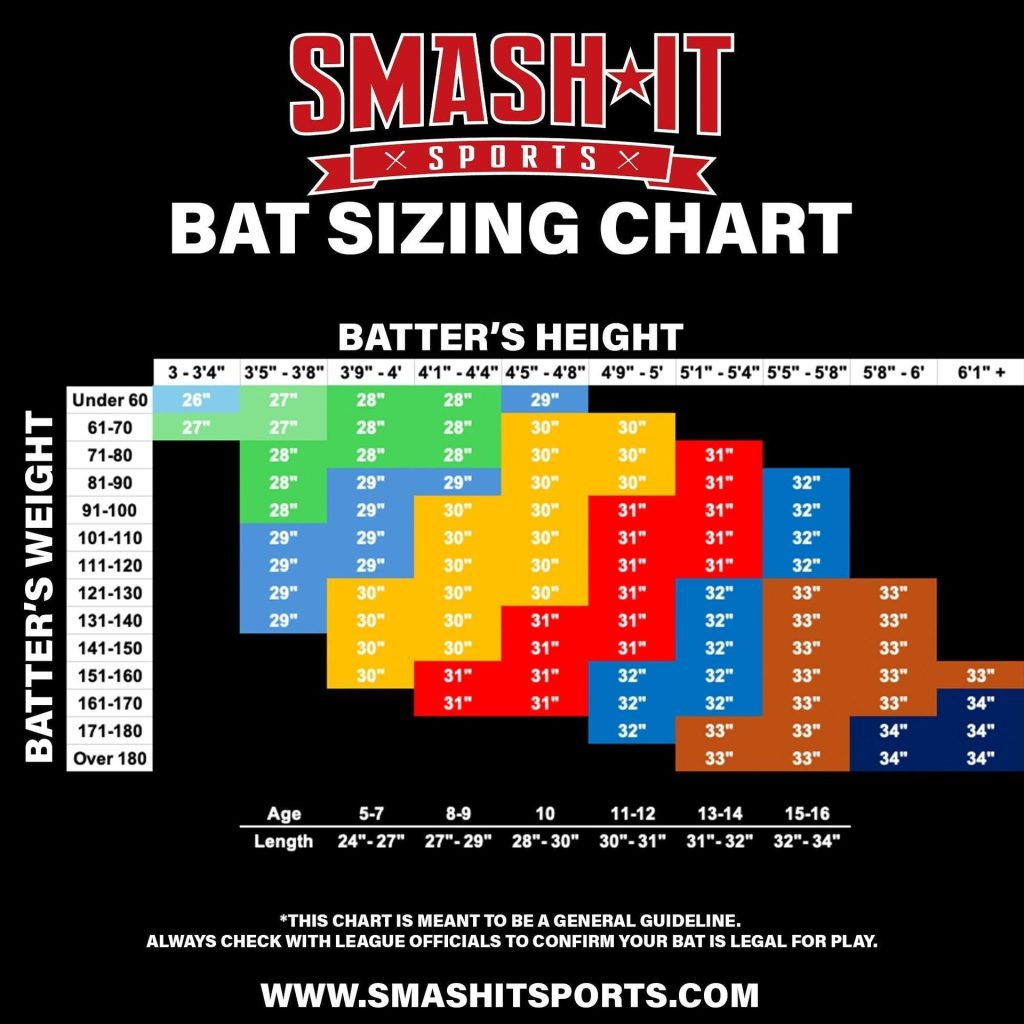
Choosing the right baseball bat can make a huge difference in your game. But how do you know which bat fits you best?
Measuring for a youth baseball bat isn’t as tricky as it sounds. When you get the size right, your swing will feel smoother, you’ll have better control, and your confidence will soar. You’ll learn simple steps to find the perfect bat length and weight just for you.
Keep reading, and you’ll be swinging like a pro in no time!

Credit: www.reddit.com
Choosing The Right Bat Length
Picking the right bat length is important for youth baseball players. A bat that fits well helps improve hitting skills and comfort.
There are different ways to measure and find the best bat length. This guide covers height, age, skill level, and swing comfort.
Using Height As A Guide
Height is an easy way to estimate the right bat length. Taller players usually need longer bats, while shorter players use shorter bats.
- If under 4 feet tall, try a bat 24-26 inches long
- Between 4 and 4.5 feet, use 27-29 inches
- Between 4.5 and 5 feet, choose 30-32 inches
- Above 5 feet, bats 33 inches or longer may work
Considering Age And Skill Level
Age helps suggest bat length, but skill level matters too. Younger or beginner players might need shorter bats for control.
Advanced players can handle longer bats for more power. Matching the bat to skill helps with better performance.
- Kids under 8 years old: 24-26 inches
- Kids 8-10 years old: 27-29 inches
- Kids 11-13 years old: 30-32 inches
- Skilled players may use bats 1-2 inches longer
Testing Swing Comfort
Comfort matters a lot. The player should swing the bat to feel if it is easy to control and not too heavy.
Try swinging different bat lengths to find which feels best. The right bat should not tire the player quickly.
- The player can swing smoothly without strain
- The bat feels balanced in the hands
- The player can control the bat during the swing
- The weight matches the player’s strength
Selecting The Proper Bat Weight
Choosing the right bat weight is key for youth baseball players. The right weight helps players swing comfortably and hit well.
Understanding how to pick a bat weight can improve both power and control at the plate.
Balancing Power And Control
Heavier bats can give more power but are harder to control. Lighter bats help with faster swings and better control.
- Choose a bat weight that feels comfortable swinging
- Make sure the player can control the bat through the swing
- Balance between power and speed for best results
- Practice swinging different weights to find the right fit
Understanding Drop Weight
Drop weight is the difference between the bat’s length and weight. It shows how heavy the bat feels.
| Drop Weight | Bat Feel | Best For |
| -10 | Light | Young players learning control |
| -8 | Medium | Players wanting balance of power and speed |
| -3 | Heavy | Strong players focused on power hitting |
Trying Different Weights
Test various bat weights before buying. Swing several bats to see what feels best.
- Start with a lighter bat to warm up
- Move to medium-weight bats for balance
- Try heavier bats to test power
- Focus on comfort and control during swings
- Ask a coach or experienced player for advice
Measuring Hand Size And Grip
Choosing the right youth baseball bat is important for young players. A good fit helps in improving their performance and comfort.
To find the best bat, start by measuring hand size and grip. This ensures the bat is easy to handle and swing.
Finding The Right Grip Thickness
The grip should fit comfortably in the player’s hand. It’s crucial for control and safety.
- Wrap a tape measure around the hand just below the knuckles.
- Measure the circumference to determine the grip size.
- Choose a bat with a grip thickness that matches the measurement.
Adjusting For Hand Strength
Hand strength varies among young players. Consider this when selecting a bat.
For stronger hands, a thicker grip may be more comfortable. Weaker hands might need a thinner grip for better control.
| Hand Strength | Recommended Grip Thickness |
| Strong | Thicker |
| Weak | Thinner |

Credit: batdigest.com
Evaluating Bat Material
Choosing the right bat material is important for young players. The material affects the bat’s weight and how it performs during play.
Two popular bat materials are aluminum and composite. Each has its strengths and things to consider when selecting a bat.
Comparing Aluminum And Composite Bats
Aluminum bats are lighter and ready to use right away. Composite bats need some time to break in but offer different benefits.
- Aluminum bats:Usually less expensive and durable.
- Composite bats:Tend to have a larger sweet spot and less vibration.
- Weight:Aluminum bats are often lighter, which helps with faster swings.
- Break-in time:Composite bats require a break-in period to reach peak performance.
Durability And Performance Factors
| Material | Durability | Performance | Cost |
| Aluminum | High – resists dents and cracks | Good – consistent pop from barrel | Lower |
| Composite | Moderate – can crack if misused | Excellent – larger sweet spot, less vibration | Higher |
Testing The Bat Fit In Practice
Choosing the right youth baseball bat is important for good performance. Testing the bat fit during practice helps find the best length and weight. This step ensures the player feels comfortable and confident.
Practice testing lets players see how the bat works with their swing. This helps avoid problems during real games.
Simulating Game Conditions
Try using the bat in practice drills that mimic real game situations. This helps the player get used to the bat’s weight and length while hitting live pitches or during batting practice.
Pay attention to how the bat feels when swinging fast or making quick adjustments. A bat that feels too heavy or too long can slow down the swing or cause discomfort.
- Use a pitching machine or live pitcher to simulate real pitches
- Practice different swings like full swings and bunt attempts
- Take multiple swings to test comfort over time
- Check if the player can control the bat easily during fast swings
Seeking Feedback From Coaches
Coaches can provide useful advice about bat fit during practice. They watch the player’s stance, swing, and follow-through closely.
Ask coaches if the bat length or weight seems right. They can suggest changes to improve balance and power.
- Get coach opinions after each practice session
- Discuss how the bat affects swing speed and control
- Use coach feedback to try different bat sizes if needed
- Consider coach advice on bat grip and swing mechanics

Credit: www.amazon.com
Common Mistakes To Avoid
Choosing the right youth baseball bat is important for every young player. Many mistakes happen during the selection. These mistakes can affect performance and safety.
Below are common errors to watch out for when measuring and picking a bat for youth players.
Choosing Bats Too Long Or Heavy
Picking a bat that is too long or heavy can hurt a player’s swing and control. Youth players need bats that match their size and strength.
- Too long bats slow down the swing speed.
- Heavy bats cause fatigue and poor form.
- Incorrect bat length leads to bad hitting angles.
- It can increase the chance of injury.
Ignoring Player Comfort
Comfort plays a big role in a player’s confidence and performance. A bat that feels awkward can distract the player.
| Comfort Factor | Why It Matters |
|---|---|
| Grip Texture | Helps hold the bat firmly without slipping |
| Bat Weight | Should feel balanced and easy to swing |
| Length Fit | Should allow easy control and quick swings |
| Material Feel | Can affect vibration and hand comfort |
Overlooking League Regulations
Each league has rules about bat size, weight, and material. Using the wrong bat can lead to disqualification or safety risks.
- Check the allowed bat length and weight limits.
- Confirm if the league allows composite, aluminum, or wood bats.
- Verify certification stamps like BBCOR or USA Baseball.
- Make sure the bat meets safety standards.
Frequently Asked Questions
How Do I Measure My Child For A Baseball Bat?
Measure your child’s height and weight first. Use a youth bat size chart to match these measurements. Also, consider your child’s age and strength for the perfect fit.
What Is The Best Bat Length For Youth Players?
Bat length depends on your child’s height and comfort. Generally, 26-29 inches suits ages 7-12. Ensure your child can swing it easily without losing control.
How Do I Check The Correct Bat Weight?
The bat should feel balanced and not too heavy. Your child should swing naturally without strain. A good rule is the bat weight should be about 10% of their body weight.
Why Is Proper Bat Sizing Important For Youth Baseball?
Correct bat size improves swing control and power. It reduces injury risk and boosts confidence. Proper sizing helps develop good hitting mechanics early on.
Conclusion
Choosing the right youth baseball bat size helps young players perform well. Measure height and weight first. Use a tape measure to find the perfect length. Check the bat’s weight to match strength and comfort. A well-fitted bat improves swing control and confidence.
Take time to measure carefully. Small details make a big difference on the field. Keep these tips in mind before buying. Your young player will thank you with better hits and fun games.