Choosing the right bike helmet starts with one simple step: knowing how to measure your head correctly. If your helmet doesn’t fit well, it won’t protect you properly.
You might think it’s just about size, but there’s more to it. Getting this right can mean the difference between comfort and discomfort, safety and risk. You’ll discover an easy, foolproof way to measure your head. By the end, you’ll feel confident picking the perfect helmet that keeps you safe every time you ride.
Keep reading—your head will thank you!
Choosing The Right Tools
Measuring your head accurately is key to finding a bike helmet that fits well. The right tools help you get the most exact measurement.
Using simple and effective tools can make the process quick and easy. This guide explains the best choices for measuring your head.
Selecting A Flexible Tape Measure
A flexible tape measure is the most common tool for measuring your head. It bends easily around curves and fits snugly.
- Choose a tape measure made of soft material like cloth or plastic.
- Make sure it is marked in centimeters and inches for accuracy.
- Pick a tape that is at least 60 centimeters long to cover most head sizes.
- Check that the tape is not stretched or worn out for precise results.
Alternatives To Tape Measures
If you do not have a flexible tape measure, some other items can work to measure your head size.
| Alternative Tool | How to Use | Notes |
|---|---|---|
| String or Yarn | Wrap around the head, mark the length, then measure with a ruler. | Use a non-stretchy string for better accuracy. |
| Paper Strip | Cut a strip, wrap it around your head, mark the ends, then measure with a ruler. | Make sure the paper is not crumpled or loose. |
| Ruler or Yardstick | Measure the length marked on string or paper strip after wrapping around the head. | Use along with string or paper to get the final measurement. |

Credit: renegadeclassics.com
Preparing For Measurement
Measuring your head correctly helps you find the right bike helmet size. It makes sure the helmet fits well and keeps you safe.
Before measuring, you need to get ready. This helps you get the most accurate size for your helmet.
Positioning Your Head Correctly
Keep your head level and look straight ahead. This shows your head’s true size without tilting.
Stand or sit up straight. Avoid bending your neck or moving your head side to side.
- Look forward at eye level
- Keep your chin parallel to the ground
- Hold your head steady during measurement
Ensuring Hair Does Not Affect Size
Hair can change the size if it is thick or styled high. Flatten your hair before measuring.
Use a thin cap or smooth your hair down. This helps you get a better fit for the helmet.
- Remove hats or headbands
- Brush hair flat against your head
- Avoid measuring with large hair buns or spikes
Measuring Head Circumference
Measuring your head size is important to find a bike helmet that fits well. A good fit keeps you safe and comfortable.
Use a soft measuring tape or a string to get the right head circumference. This helps pick the correct helmet size.
Locating The Proper Measurement Point
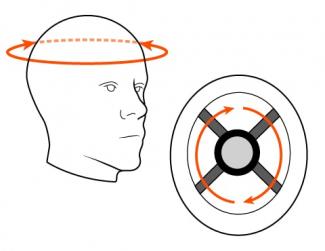
Find the spot on your head where the helmet will sit. This is usually just above your eyebrows.
Measure around the widest part of your head, across your forehead and above your ears. This gives the correct size.
- Place the tape just above your eyebrows
- Wrap it around above your ears
- Make sure the tape touches the back of your head
Taking The Measurement Accurately
Keep the tape snug but not too tight. It should be level all around your head for an accurate reading.
Take the measurement in centimeters or inches. Repeat a few times to check for consistency.
- Use a mirror or ask someone to help
- Keep the tape flat and straight
- Note the number where the tape meets
- Measure twice to confirm accuracy

Credit: www.amazon.com
Interpreting Measurement Results
Measuring your head size helps find the right bike helmet. You must understand what the numbers mean. This ensures your helmet fits well and feels comfortable.
Knowing how to read your measurement guides you in choosing a helmet size. It also helps avoid buying helmets that are too loose or too tight.
Matching Size To Helmet Charts
Helmet makers use size charts to show which helmet fits each head size. These charts list head circumference in centimeters or inches. They also include helmet size labels like Small, Medium, and Large.
| Head Circumference (cm) | Helmet Size |
|---|---|
| 50 – 54 | Small (S) |
| 55 – 58 | Medium (M) |
| 59 – 62 | Large (L) |
| 63 – 66 | Extra Large (XL) |
Check your measurement against the chart before buying. If your head size is between two sizes, choose the larger size for comfort. Remember that sizes can differ by brand.
Considering Helmet Shape And Style
Helmets come in different shapes and styles. Your head shape affects which helmet fits best. Some helmets fit round heads better, others fit oval heads better.
- Round helmets suit round head shapes.
- Oval helmets fit heads that are longer front to back.
- Full-face helmets offer more coverage but may feel tighter.
- Road helmets are lighter and may have less padding.
Try different helmet styles after measuring your head. This helps find the most comfortable and safe fit for your riding needs.
Tips For A Comfortable Fit
Choosing the right bike helmet size is key for safety and comfort. Measuring your head correctly helps you find a helmet that fits well.
This guide shares tips on adjusting helmet straps and testing the fit to keep you safe and comfortable on every ride.
Adjusting Helmet Straps
Proper strap adjustment keeps the helmet secure without causing discomfort. Straps should fit snugly under your chin and around your ears.
- Place the helmet level on your head.
- Adjust the side straps to form a “V” shape just below your ears.
- Fasten the chin strap and tighten it until you can fit only one or two fingers between the strap and your chin.
- Check that the straps are not twisted and lie flat against your skin.
- Shake your head gently to confirm the helmet stays in place without slipping.
Testing Helmet Fit And Comfort
After adjusting straps, test the helmet fit for comfort and safety. A good fit prevents movement and pressure points.
| Fit Check | What to Do | Expected Result |
| Helmet Position | Look in a mirror | Helmet sits level, covering forehead |
| Side Straps | Adjust to form a “V” below ears | Straps lie flat and feel comfortable |
| Chin Strap | Tighten under chin | Only 1-2 fingers fit between strap and chin |
| Movement Test | Shake head gently | Helmet stays firmly in place |
| Comfort Check | Wear for 10 minutes | No pressure points or pain |
Common Measurement Mistakes
Measuring your head for a bike helmet seems easy but many make mistakes. These errors can lead to a poor fit and less safety.
Knowing common mistakes helps you get the right size. This guide covers two key errors to avoid.
Avoiding Loose Or Tight Tape Placement
Placing the tape measure too loose or too tight causes wrong readings. The tape must sit snug but not squeeze your head.
If the tape is loose, the helmet may be too big. If tight, the helmet will feel uncomfortable and tight.
- Keep the tape level across your forehead
- Do not pull the tape hard against your skin
- Make sure the tape touches your skin all around
- Check that hair does not add extra size
Double-checking Measurements
Measure your head at least twice to avoid errors. Small mistakes can change the size you need.
Use a mirror or ask someone for help to see the tape placement. Write down your measurements for accuracy.
- Measure in the same spot each time
- Compare the two measurements for difference
- Take a third measurement if results vary
- Use the average size if measurements differ
Credit: www.ergodyne.com
Frequently Asked Questions
How Do I Measure My Head For A Bike Helmet?
Use a flexible tape measure around your head’s widest part, just above your eyebrows. Keep the tape snug but not tight. Note the measurement in centimeters or inches to find the right helmet size.
Why Is Accurate Head Measurement Important For Helmets?
Accurate measurements ensure a secure and comfortable helmet fit. A well-fitted helmet offers better protection during impacts and prevents shifting while riding.
What Tools Do I Need To Measure My Head Correctly?
A flexible measuring tape is ideal. If unavailable, use a piece of string, then measure it with a ruler. Avoid rigid tools for accurate results.
Can I Measure My Head Alone For A Helmet?
Yes, you can measure alone by using a mirror to position the tape correctly. Ensure the tape is level around your head for accuracy.
Conclusion
Measuring your head correctly ensures a safe and comfortable helmet fit. Use a soft tape measure around your head, just above the eyebrows. Note the size in centimeters or inches. Check the helmet size chart before buying. A well-fitted helmet protects your head during rides.
Taking a little time to measure helps avoid discomfort. Stay safe and enjoy your biking experience with the right helmet fit. Simple steps lead to better safety and comfort every time you ride.