Measuring liquid might seem simple, but getting it just right can make all the difference—whether you’re cooking, mixing drinks, or working on a science project. If you’ve ever wondered how to measure liquid accurately without making a mess or wasting any, you’re in the right place.
This guide will show you easy methods and clever tips to help you pour with confidence every time. Keep reading, and you’ll never second-guess your measurements again.

Credit: www.teacherspayteachers.com
Choosing The Right Tools
Measuring liquids accurately helps make recipes turn out well. Using the right tools makes this easier.
Different tools work better for different amounts and types of liquids. Choose the best one for your needs.
Types Of Measuring Cups
Measuring cups come in glass, plastic, and metal. Each type has clear markings for easy reading.
Glass cups are good for hot liquids. Plastic cups are light and less breakable. Metal cups are sturdy but less common.
- Glass cups often have a spout for pouring
- Plastic cups are usually inexpensive
- Metal cups last long but may not show measurements clearly
Using Spoons For Small Amounts
Spoons are best for measuring small liquid amounts like vanilla or oil. They come in teaspoons and tablespoons.
Use measuring spoons, not regular spoons. Measuring spoons have exact volume marks for accuracy.
- Teaspoon (tsp) equals about 5 milliliters
- Tablespoon (tbsp) equals about 15 milliliters
- Use a level scoop to avoid extra liquid
Digital Vs Analog Scales
Scales help measure liquids by weight, which can be more precise than volume. Digital scales show exact numbers.
Analog scales use a needle and dial. They do not show exact numbers but work well for rough measuring.
- Digital scales are easy to read and more accurate
- Analog scales do not need batteries
- Both scales can measure in grams or ounces

Credit: rhondasues.com
Measuring Techniques
Measuring liquid accurately is important for cooking, science, and many tasks. Using the right technique helps get the exact amount needed.
This guide explains simple ways to measure liquids carefully and avoid mistakes.
Reading Meniscus Levels
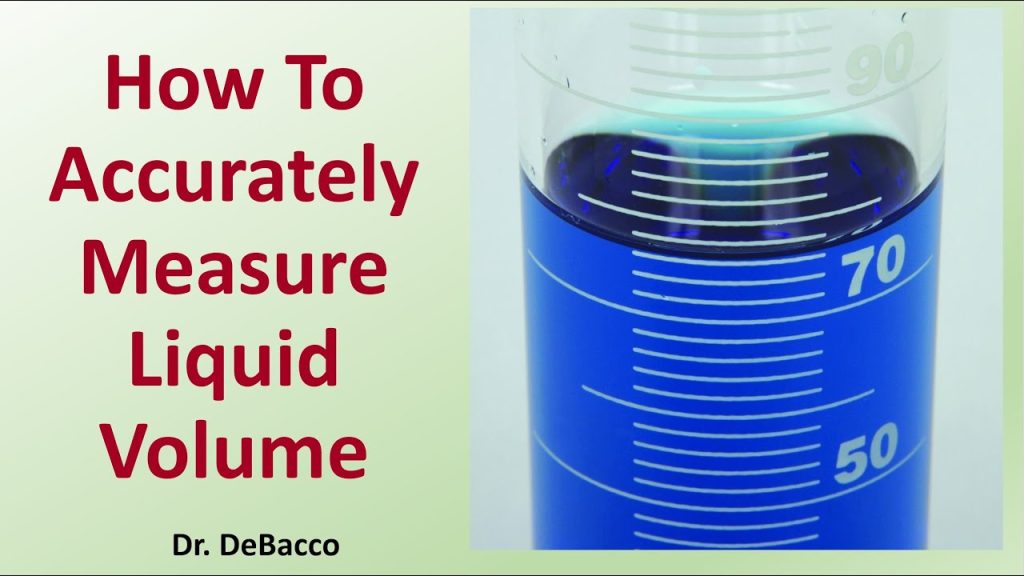
Liquids in containers form a curve called the meniscus. This curve can be either concave or convex.
Always read the measurement at the bottom of the meniscus for clear liquids like water. This point shows the true level.
- The meniscus curves down for water and most liquids.
- For mercury, read the top of the curve.
- Look carefully to find the lowest point of the curve.
Measuring At Eye Level
Place the measuring container on a flat surface. Bring your eyes to the level of the liquid.
This helps you see the exact point where the liquid meets the measurement mark. Looking from above or below can cause errors.
- Kneel or sit to get eye level with the container.
- Keep the container steady to avoid spills.
- Use a flat surface for best results.
Avoiding Common Mistakes
Many mistakes happen when measuring liquids. Avoid these to get accurate results every time.
- Don’t guess the liquid level from the top of the container.
- Use the right container for the amount you need.
- Check if the container is clean and dry before use.
- Do not pour liquid while looking from an angle.
- Make sure the container is on a flat surface.
Measuring Different Liquids
Measuring liquids correctly is important in cooking and science. Different liquids need different methods to measure them well.
Using the right tools and knowing liquid types helps get accurate amounts. This guide explains how to measure various liquids.
Water And Thin Liquids
Water and other thin liquids flow easily. Use a clear measuring cup with marks to see the amount.
Place the cup on a flat surface and check the liquid at eye level. This avoids mistakes in reading the amount.
- Use glass or plastic measuring cups with clear marks
- Read the liquid level at eye height
- Pour slowly to avoid spills
Oils And Thick Liquids
Oils and thick liquids like honey are harder to measure. They stick to the cup and pour slowly.
Use measuring spoons or cups designed for sticky liquids. Lightly oil the cup to help pour out thick liquids.
- Use plastic or silicone measuring tools for easy cleaning
- Grease the cup for sticky liquids like honey or syrup
- Pour slowly to avoid overfilling
Hot Vs Cold Liquids
Hot liquids may expand and cold liquids may contract. This changes the volume slightly.
Use heat-safe measuring cups for hot liquids. Let hot liquids cool before measuring if needed for accuracy.
- Use glass or metal cups for hot liquids
- Let hot liquids cool to room temperature for exact measurement
- Measure cold liquids at room temperature for best results
Tips For Accuracy
Measuring liquids correctly is important for many tasks. It helps get the right amount for recipes, experiments, or projects.
Small mistakes can cause big problems. Follow these tips to improve your measuring accuracy.
Calibrating Your Tools
Check your measuring tools before use. Calibration means making sure they show the right amount.
- Use water to test your measuring cup.
- Fill to a known volume and compare with the tool’s marking.
- Adjust or mark tools if they are off.
- Calibrate regularly for best results.
Using Consistent Units
Always use the same units when measuring liquids. Mixing units can cause errors.
| Common Units | Description |
| Milliliters (mL) | Metric unit, good for small amounts |
| Liters (L) | Metric unit, used for larger volumes |
| Fluid Ounces (fl oz) | US customary unit, used in recipes |
| Cups | Common in cooking, equals 8 fl oz |
Adjusting For Temperature
Temperature changes liquid volume. Warm liquids expand and cold liquids shrink.
Tips to adjust for temperature:
- Measure liquids at room temperature if possible.
- Note temperature when measuring if exact volume is critical.
- Use tables or charts to correct volume based on temperature.
Special Situations
Measuring liquids can be simple, but some situations need extra care. Different liquids and purposes require special techniques.
This guide covers measuring liquids in cooking, handling sticky liquids, and scientific settings.
Measuring In Cooking And Baking
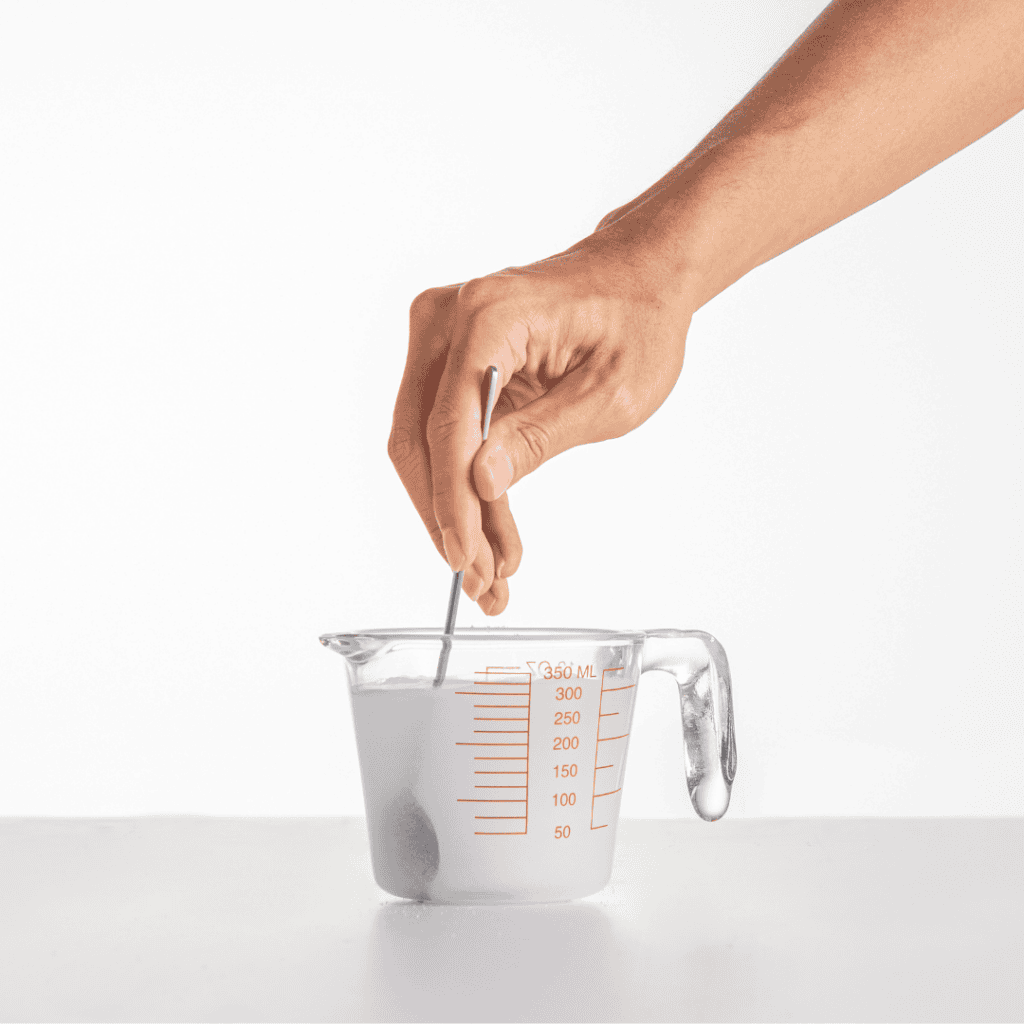
Cooking and baking need precise liquid amounts. Use clear measuring cups with marks for accuracy.
Place the cup on a flat surface. Look at the liquid level at eye height to avoid mistakes.
- Use liquid measuring cups for water, milk, or oil
- Use dry measuring cups for thick liquids like honey
- Fill slowly to avoid spills
- Check measurements twice for baking
Handling Sticky Liquids
Sticky liquids like honey or syrup can be hard to measure. They stick to cups and spoons.
Use a little oil or water on your measuring cup or spoon. This helps sticky liquids slide out easily.
- Use a rubber spatula to remove leftover sticky liquid
- Warm sticky liquids slightly to make pouring easier
- Measure slowly to prevent dripping
Measuring In Scientific Settings
Science requires exact liquid measurements. Use tools like pipettes, burettes, or volumetric flasks.
Measure liquids at eye level and use the smallest tool that fits the volume for best results.
- Use calibrated instruments for accuracy
- Record measurements carefully
- Work in clean, controlled environments
Credit: www.recipesandplaces.com
Frequently Asked Questions
What Tools Measure Liquid Accurately?
Using measuring cups, graduated cylinders, or pipettes ensures precise liquid measurements. These tools are designed for accuracy in kitchen or lab settings. For small quantities, syringes or droppers work well. Always ensure your measuring tool is on a flat surface and read at eye level for accuracy.
How Do You Measure Liquid In A Cup?
Pour the liquid into a clear measuring cup. Place the cup on a flat surface and crouch to eye level. Ensure the liquid’s meniscus aligns with the measurement mark. Avoid holding the cup in your hand, as it can skew measurements.
Why Is Accurate Liquid Measurement Important?
Accurate liquid measurements ensure consistency and quality, especially in cooking and scientific experiments. Inaccurate measurements can lead to poor results, affecting taste, texture, or experimental outcomes. Precision is crucial for replicable results and maintaining standards.
Can You Use A Scale For Liquids?
Yes, using a scale for liquids is possible and often precise. Weighing liquids can be more accurate than volume measurements, especially for thick or viscous substances. Ensure to zero the scale with a container before pouring in the liquid.
Conclusion
Measuring liquid is simple with the right tools and steps. Always use clear containers and read the measurement at eye level. Pour slowly to avoid spills and get accurate results. Practice helps improve your skill and confidence. Remember, small mistakes can change the outcome.
Keep these tips in mind for easy and precise measuring every time. Measuring liquid does not have to be hard. Just take your time and follow the steps carefully.