
Measuring ingredients accurately can make or break your recipe. If you’ve ever struggled to figure out how to measure 2/3 cup without a special cup, you’re not alone.
Knowing the simple tricks to get this right will save you time, reduce frustration, and help your dishes turn out perfectly every time. Keep reading, and you’ll learn easy, foolproof ways to measure 2/3 cup with tools you already have.
Your cooking will thank you!

Credit: rhondasues.com
Tools For Measuring 2/3 Cup
Measuring 2/3 cup accurately is important for many recipes. Using the right tools helps you get the correct amount. This guide covers common tools to measure 2/3 cup easily.
You can use different measuring devices depending on what you are measuring. Dry and liquid ingredients may require different tools for best results.
Measuring Cups Vs. Scales
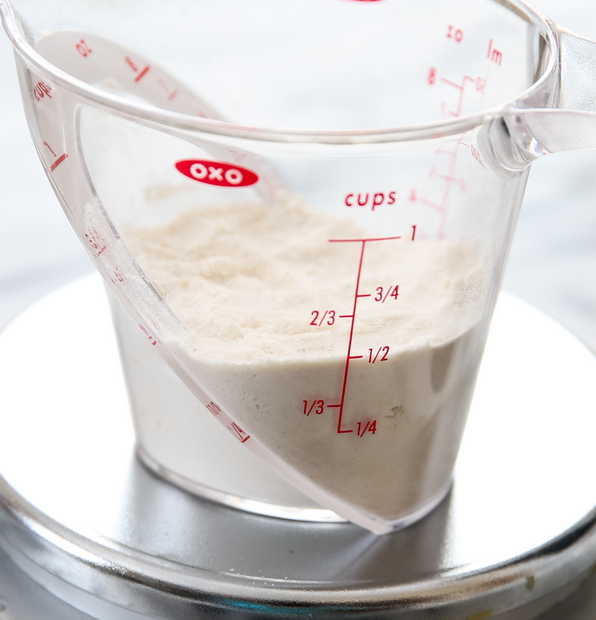
Measuring cups are common for home cooking. They show volume in cups or milliliters. Scales measure weight, which can be more precise for some ingredients.
- Measuring Cups:Easy to use for dry and liquid ingredients. Usually marked with 1/3, 1/2, and 1 cup sizes.
- Kitchen Scales:Provide weight in grams or ounces. Good for baking and exact measurements.
- Accuracy:Scales are more accurate, especially for flour and sugar.
- Convenience:Cups are faster and require no setup.
Choosing The Right Material
| Material | Advantages | Disadvantages |
|---|---|---|
| Plastic | Lightweight and inexpensive | Can stain or warp with heat |
| Metal (Stainless Steel) | Durable and easy to clean | Can be slippery when wet |
| Glass | Clear markings and stable | Breaks easily if dropped |
| Silicone | Flexible and heat resistant | Less common for measuring cups |
Credit: kirbiecravings.com
Methods To Measure 2/3 Cup
Measuring 2/3 cup accurately is important for cooking and baking. There are simple ways to get this amount even without a 2/3 cup measuring tool.
Use common measuring cups or spoons to find the right amount. These methods help you avoid mistakes in your recipes.
Using A 1/3 Cup Twice
One easy way to measure 2/3 cup is by using a 1/3 cup two times. Fill the 1/3 cup and pour it into your mixing bowl twice.
This method is simple and accurate if you have a 1/3 cup measuring cup. It also saves you from guessing.
Combining 1/2 Cup And 1/6 Cup
You can also measure 2/3 cup by adding 1/2 cup and 1/6 cup together. This works well if you have these measuring cups.
First, fill a 1/2 cup. Then add a 1/6 cup. Together, they equal 2/3 cup.
- 1/2 cup = 0.5 cup
- 1/6 cup = 0.166 cup
- 0.5 + 0.166 = 0.666 (2/3 cup)
Estimating With Tablespoons
If you do not have cup measures, use tablespoons to estimate 2/3 cup. One cup equals 16 tablespoons.
Since 2/3 cup is about 10 tablespoons and 2 teaspoons, measure this amount using tablespoons and teaspoons.
- 1 cup = 16 tablespoons
- 2/3 cup = 10 tablespoons + 2 teaspoons
- 1 tablespoon = 3 teaspoons
Tips For Accurate Measurement
Measuring ingredients correctly helps your recipes turn out great. Using the right tools and techniques ensures you add the right amount of each item.
This guide explains how to measure 2/3 cup accurately. Follow these tips for better results in cooking and baking.
Leveling Off Ingredients
Fill your measuring cup until it is overfull. Use a flat edge like a knife to scrape off the extra. This makes sure you have exactly 2/3 cup without extra.
- Fill the cup above the rim.
- Hold a flat spatula or knife at the cup’s edge.
- Scrape off the excess gently.
- Check the surface is even and flat.
Avoiding Packing Ingredients
Some ingredients, like brown sugar, tend to pack down. Avoid pressing them hard into the cup unless the recipe says so. Loose measurements give better texture and taste.
| Ingredient | Packing Needed? | Tip |
|---|---|---|
| Flour | No | Lightly spoon into cup, then level off. |
| Brown Sugar | Yes | Press firmly to pack tightly. |
| Cocoa Powder | No | Sift before measuring for accuracy. |
| Chopped Nuts | No | Fill loosely without pressing. |
Measuring Dry Vs. Liquid Ingredients
Dry and liquid ingredients need different measuring tools. Use dry measuring cups for solids and liquid measuring cups for fluids. This helps avoid spills and wrong amounts.
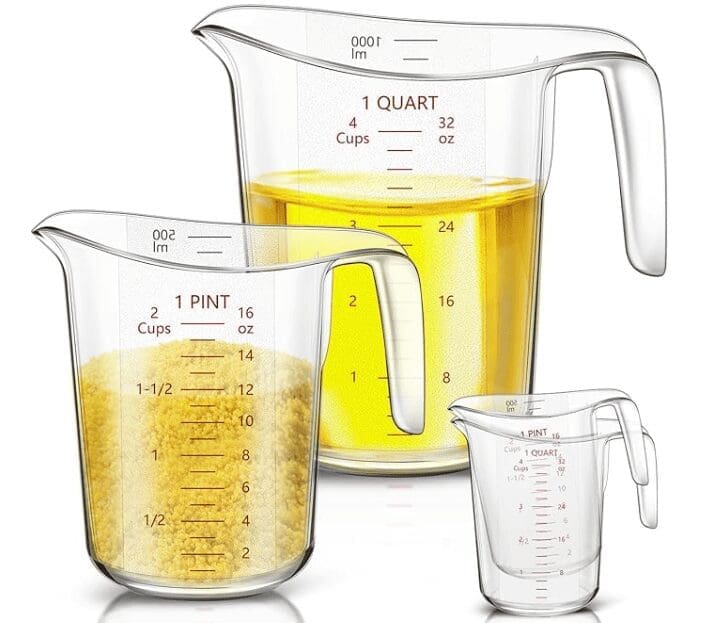
Liquid Measuring Cups:Clear cups with a spout and measurement marks on the side.
Tip:Place liquid cups on a flat surface and check at eye level for accuracy.
Common Mistakes To Avoid
Measuring 2/3 cup correctly is important for good recipes. Many people make simple errors that change the outcome. Learning what to avoid helps you get better results.
This guide explains common mistakes and how to fix them. Avoid these errors to measure ingredients more accurately every time.
Using The Wrong Measuring Tool
Using the wrong tool can lead to wrong amounts. Dry and liquid ingredients need different cups. Dry measuring cups are solid and let you level off. Liquid cups have space to prevent spills.
- Use dry measuring cups for flour, sugar, and grains.
- Use liquid measuring cups for milk, oil, and water.
- Do not use tablespoons or teaspoons to replace 2/3 cup.
- Make sure the measuring cup has clear markings.
Ignoring Ingredient Type
Different ingredients pack differently in the cup. For example, brown sugar is packed tightly, but flour is loosely filled. Not knowing this causes errors.
| Ingredient | How to Measure |
| Flour | Lightly spoon into cup and level off |
| Brown Sugar | Pack firmly into cup |
| Chopped Nuts | Fill cup without pressing |
| Honey | Use liquid measuring cup and pour slowly |
Overfilling Or Underfilling
Filling too much or too little changes your recipe. Level the cup with a flat edge for dry ingredients. For liquids, check the level at eye height.
Tips to avoid overfilling or underfilling:
- Use a knife or spatula to level dry ingredients.
- Place the liquid cup on a flat surface before measuring.
- Check the liquid level from the side, not the top.
- Do not shake or tap the cup to settle ingredients.
Adjusting Recipes With 2/3 Cup
Measuring 2/3 cup is common in many recipes. Knowing how to use this amount helps you adjust recipes easily.
You can scale recipes or swap ingredients by understanding how to measure and use 2/3 cup correctly.
Scaling Ingredients Up Or Down
To change the recipe size, multiply or divide the amount of 2/3 cup by a number. This keeps the taste and texture right.
For example, to double 2/3 cup, multiply by 2. For half, divide by 2.
- Double 2/3 cup = 4/3 cups (or 1 and 1/3 cups)
- Half 2/3 cup = 1/3 cup
- Triple 2/3 cup = 2 cups
- Quarter 2/3 cup = 1/6 cup (about 2 tablespoons + 2 teaspoons)
Substituting Ingredients Accurately
When replacing an ingredient measured as 2/3 cup, use the same volume for the new ingredient. This keeps the recipe balanced.
Some ingredients have different weights, so adjust if needed. For dry ingredients like flour or sugar, use the same 2/3 cup measure.
- Use 2/3 cup of yogurt to replace 2/3 cup of sour cream
- Swap 2/3 cup of brown sugar with 2/3 cup of white sugar plus a little molasses
- Replace 2/3 cup of milk with 2/3 cup of almond milk
- Use 2/3 cup of vegetable oil instead of butter (liquid volume)
Credit: foodnutters.com
Frequently Asked Questions
What Is 2/3 Cup In Tablespoons?
2/3 cup equals approximately 10 tablespoons plus 2 teaspoons. This conversion is handy when measuring small quantities. Using a tablespoon, you can achieve more precision. Always level off dry ingredients for accuracy.
How Can I Measure 2/3 Cup Without A Cup?
To measure 2/3 cup without a cup, use a tablespoon. Measure 10 tablespoons plus 2 teaspoons. This method provides accuracy. It’s useful for those without standard measuring cups.
What Is Half Of 2/3 Cup?
Half of 2/3 cup is 1/3 cup. To measure this, use 5 tablespoons plus 1 teaspoon. This conversion is helpful for recipe scaling. It ensures accuracy when adjusting portions.
How Do You Convert 2/3 Cup To Milliliters?
2/3 cup is approximately 158 milliliters. Use a kitchen scale for precise measurement. This conversion is useful for international recipes. Accurate measurement ensures recipe success.
Conclusion
Measuring 2/3 cup can be quick and simple. Use a 1/3 cup measure twice or a 1/2 cup plus a 1/6 cup if you have one. Level off ingredients for accuracy. This helps your recipe turn out just right every time.
Practice makes it easier to measure without stress. Keep these tips handy in the kitchen. Soon, measuring will feel natural and smooth. Cooking becomes more fun with easy measuring steps.