Have you ever started a recipe only to realize you don’t have a measuring cup or spoon nearby? It’s frustrating when a simple ingredient like a teaspoon becomes a guessing game.
But don’t worry—you can easily measure a teaspoon without special tools. Knowing these quick tricks will save you time, prevent mistakes, and keep your cooking smooth. Keep reading, and you’ll learn simple, clever ways to measure a teaspoon using items you already have at home.
Your next recipe will turn out just right, every time.
Credit: foodnutters.com
Common Household Items As Teaspoon Substitutes
Finding a teaspoon measure without a measuring cup can be easy. Many common items can help you estimate a teaspoon.
Use objects you already have at home to measure small amounts for cooking or baking.
Using Spoons From Cutlery Sets
Regular spoons from your cutlery set can be good substitutes. A regular teaspoon is usually smaller than a soup spoon but bigger than a coffee spoon.
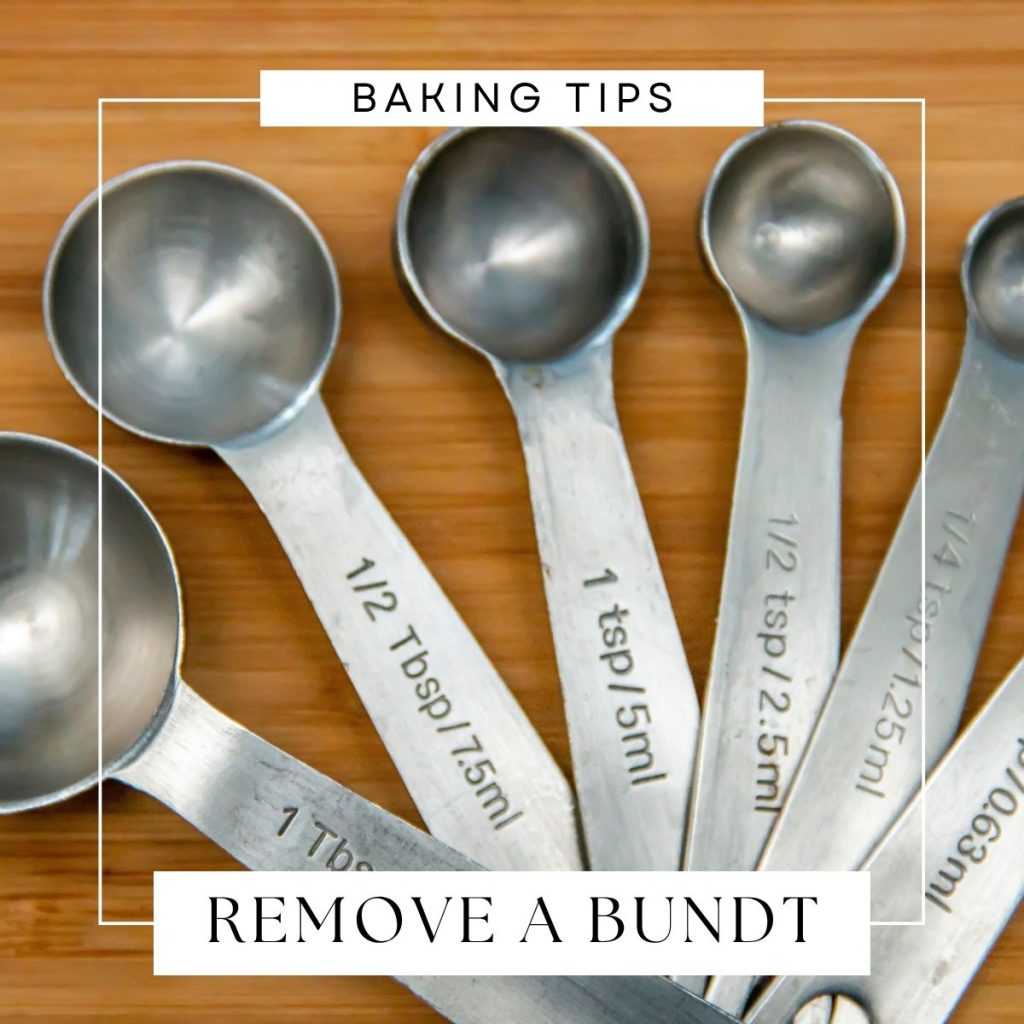
- A standard teaspoon holds about 5 ml of liquid.
- A tablespoon holds about 15 ml, so one tablespoon equals three teaspoons.
- A dessert spoon usually holds about 10 ml, close to two teaspoons.
Measuring With Bottle Caps
Some bottle caps can hold close to a teaspoon of liquid. Use them to estimate small amounts when cooking.
| Bottle Cap Type | Approximate Volume | Teaspoon Equivalent |
| Small water bottle cap | 5 ml | 1 teaspoon |
| Soft drink bottle cap | 7 ml | 1.4 teaspoons |
| Medicine bottle cap | 3 ml | 0.6 teaspoon |
Utilizing Paper Clips Or Other Small Objects
Small items like paper clips can help you estimate teaspoon amounts by volume or size comparison.
Use this simple list to compare small objects with a teaspoon:
- Standard paper clip: about 1 inch long, roughly equals the size of a teaspoon’s liquid area.
- Marbles or small beads: filling a teaspoon with about 3-4 marbles matches one teaspoon volume.
- Dice (small): about the size of a teaspoon’s volume when stacked.
Visual Estimation Techniques
Measuring a teaspoon without a measuring cup is easy with some simple tricks. You can use everyday objects and body parts to guess the amount accurately.
These visual estimation techniques help in cooking or baking when you don’t have the right tools. They make measuring quick and practical.
Comparing To Known Quantities
One way to estimate a teaspoon is to compare it to things you already know. This method uses simple household items as a reference.
- A teaspoon of sugar is about the size of a small paperclip.
- A teaspoon of salt looks like a single dice dot.
- A teaspoon of oil is roughly the size of a large grape.
Using Finger Measurements
Your fingers can help measure a teaspoon without tools. Use the following guide to estimate small amounts of ingredients.
| Finger Part | Approximate Volume |
| Tip of the index finger | About 1/2 teaspoon |
| Tip of the middle finger | About 1 teaspoon |
| Tip of the thumb | About 3/4 teaspoon |
Estimating Volume With Everyday Containers
Common containers in your kitchen can help estimate a teaspoon. Use these objects as quick measuring tools.
- A standard coffee spoon holds close to one teaspoon.
- A bottle cap from soda or water bottles fits about one teaspoon.
- A medicine cup or small plastic shot glass usually shows teaspoon marks.
Diy Measuring Tools
Measuring a teaspoon without a cup is easy using simple DIY tools. You can make your own measuring guides at home. These help you cook and bake with better accuracy.
This guide shows two ways to measure a teaspoon without a measuring cup. Both use items you likely already have.
Marking Containers For Volume
Use small containers like jars or cups to mark teaspoon volumes. This method makes a reusable measuring tool.
- Fill the container with water up to one teaspoon.
- Mark the water level on the container with a permanent marker.
- Let the water dry and repeat to confirm the mark.
- Use the mark to measure dry or wet ingredients.
Creating Paper Measuring Guides
You can make a paper guide with teaspoon markings. This is quick and handy for small measurements.
| Measurement | Teaspoon Volume (ml) |
| 1/4 teaspoon | 1.25 ml |
| 1/2 teaspoon | 2.5 ml |
| 1 teaspoon | 5 ml |
| 2 teaspoons | 10 ml |
Use the table to draw lines on paper or tape. Cut the paper to fit spoons or containers for easy measuring.

Credit: greenchoicelifestyle.com
Tips For Accuracy
Measuring a teaspoon without a measuring cup can be tricky. Small mistakes change your recipe’s taste and texture.
Use simple tricks to get the right amount of ingredients each time. These tips help you stay accurate.
Leveling Ingredients
Always level off dry ingredients to avoid adding too much. Use a flat edge like a knife to smooth the top.
Fill your spoon until it is heaping, then gently scrape the top for a flat, even amount.
Adjusting For Ingredient Type
Different ingredients pack differently in a spoon. For example, brown sugar is soft and sticky, while salt is fine and loose.
Lightly scoop fluffy ingredients and press down firmly for sticky ones. This adjustment keeps your measurements consistent.
- Fluffy ingredients: scoop gently
- Sticky ingredients: press down slightly
- Powdery ingredients: sift before measuring
Double-checking With Multiple Methods
Check your measurements using more than one way. Try comparing your spoon to a common object to estimate volume.
Using household items like a bottle cap or a small medicine cup can help you confirm the amount you are using.
- Compare spoon size to a bottle cap
- Use a small medicine cup for liquids
- Practice measuring to improve skill
When To Invest In Measuring Tools
Measuring ingredients properly can improve your cooking results. You may wonder when to buy measuring tools.
This guide helps you understand the benefits of using measuring cups and spoons. It also shows affordable options.
Benefits Of Proper Measuring Cups And Spoons
Using the right measuring tools helps you add the exact amount of ingredients. This leads to better taste and texture.
- Ensures consistent results in recipes
- Prevents cooking errors caused by wrong amounts
- Saves time by reducing guesswork
- Helps with portion control and nutrition tracking
Affordable Measuring Tool Options
You do not need to spend much to get good measuring tools. Many affordable options work well for home kitchens.
| Tool | Price Range | Material | Best For |
|---|---|---|---|
| Plastic Measuring Spoons | $2 – $5 | Plastic | Dry and wet ingredients |
| Stainless Steel Cups | $5 – $15 | Metal | Durability and precision |
| Silicone Measuring Cups | $7 – $12 | Silicone | Flexible and easy to clean |
| Glass Measuring Cups | $8 – $20 | Glass | Liquid ingredients with clear markings |

Credit: www.youtube.com
Frequently Asked Questions
How Can I Estimate A Teaspoon Using Common Items?
You can use the tip of your index finger to approximate a teaspoon. Another method is to use the size of a standard bottle cap, which is roughly equivalent to a teaspoon. These methods aren’t exact but can be helpful in a pinch.
What Household Items Equal A Teaspoon?
A standard bottle cap or the tip of your index finger can approximate a teaspoon. A small spoon, like those used for yogurt, can also be close to a teaspoon. These items offer a practical way to measure without kitchen tools.
Can I Use A Regular Spoon As A Teaspoon?
Yes, a regular spoon can be used but might not be precise. Most regular spoons vary in size but can provide a close estimate. It’s a convenient option if you don’t have a measuring spoon available.
Is There A Visual Way To Measure A Teaspoon?
Visually, a teaspoon is about the size of a grape. You can also visualize it as the tip of your thumb from the knuckle to the tip. These methods provide a simple, visual way to estimate a teaspoon without tools.
Conclusion
Measuring a teaspoon without a cup is simple and practical. Use common kitchen items like spoons or your fingers for rough estimates. Practice helps you get closer to the right amount each time. Cooking becomes easier when you trust these easy tricks.
Keep these tips in mind during your next recipe. Small steps make a big difference in your cooking results. Try these methods and enjoy your meals more.