Are you curious about how to measure vacuum suction effectively? Whether you’re a DIY enthusiast, a professional in the cleaning industry, or someone with a keen interest in technology, understanding how to measure vacuum suction can be incredibly beneficial.
Imagine confidently choosing the right vacuum cleaner for your home or ensuring that your industrial equipment performs optimally. This knowledge empowers you to make informed decisions, saving you time, money, and effort. In this guide, we will walk you through the simple steps and tools needed to measure vacuum suction, so you can tackle your tasks with precision and confidence.
Keep reading to unlock the secrets that will enhance your understanding and usage of vacuum technology.
Basics Of Vacuum Suction
Understanding the basics of vacuum suction is crucial before diving into how to measure it accurately. Vacuum suction involves creating a pressure difference that pulls air or fluid through a system. This simple principle powers many tools and machines you might use or encounter daily.
What Is Vacuum Suction
Vacuum suction is the force generated when the pressure inside a space is lower than the surrounding atmospheric pressure. This difference causes air or liquids to move towards the area of lower pressure.
Think of it as a way to hold or lift objects without direct contact. The strength of this hold depends on the level of vacuum created, making measurement essential for tasks that require precision.
Common Applications
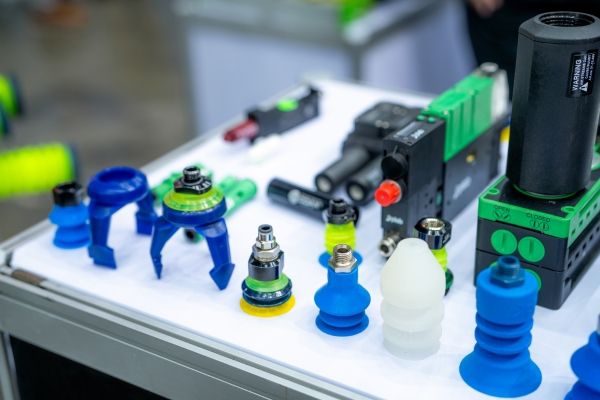
You’ll find vacuum suction in many everyday and industrial applications. It’s used in medical devices like suction pumps that clear airways, and in manufacturing lines to pick and place delicate parts.
- Robotic arms in factories use vacuum suction to handle small components.
- Vacuum cleaners rely on suction to pull dirt and debris into their containers.
- Packaging machines use vacuum suction to seal products tightly.
Have you ever wondered how these devices maintain consistent suction without damaging the items they handle? Measuring vacuum suction accurately is key to controlling this balance, ensuring efficiency and safety.
Key Measurement Parameters
Understanding the key measurement parameters is crucial to accurately gauge vacuum suction. These parameters help you interpret the performance of vacuum systems and ensure they meet your specific needs. By focusing on the right metrics, you can avoid costly errors and improve efficiency.
Pressure Units
Pressure is the primary factor in measuring vacuum suction, and it’s expressed in various units. Common units include pascals (Pa), millimeters of mercury (mmHg), and inches of mercury (inHg).
Knowing how to convert between these units is important since different industries and devices might use different standards. For example, a vacuum cleaner might display pressure in inHg, while a scientific vacuum pump uses pascals.
Have you checked if your device’s pressure readings match the units you’re familiar with? Misunderstanding units can lead to misinterpretation of your vacuum’s strength.
Flow Rate
Flow rate measures the volume of air or gas moved by the vacuum over time, typically in liters per minute (L/min) or cubic feet per minute (CFM). It tells you how quickly the vacuum can remove air from a space.
Higher flow rates mean faster evacuation but don’t always guarantee stronger suction. Balancing flow rate with pressure is key for optimal vacuum performance.
Think about your application: do you need rapid air removal or steady, strong suction? Choosing the right flow rate can make a big difference in results.
Vacuum Levels
Vacuum level refers to how much below atmospheric pressure the vacuum system can achieve. It is often expressed as absolute pressure or gauge pressure.
Absolute pressure measures the actual pressure inside the vacuum chamber, while gauge pressure shows the difference from atmospheric pressure. Understanding this distinction helps you accurately assess suction power.
When measuring vacuum levels, consider the maximum vacuum your device can reach and how stable that vacuum remains during operation. This will tell you if it suits your specific tasks or processes.
Tools For Measuring Vacuum Suction
Measuring vacuum suction is essential to ensure equipment works properly. Accurate tools help detect pressure levels and maintain system efficiency. Different tools suit various applications and accuracy needs. Choosing the right tool depends on the suction range and environment.
Vacuum Gauges
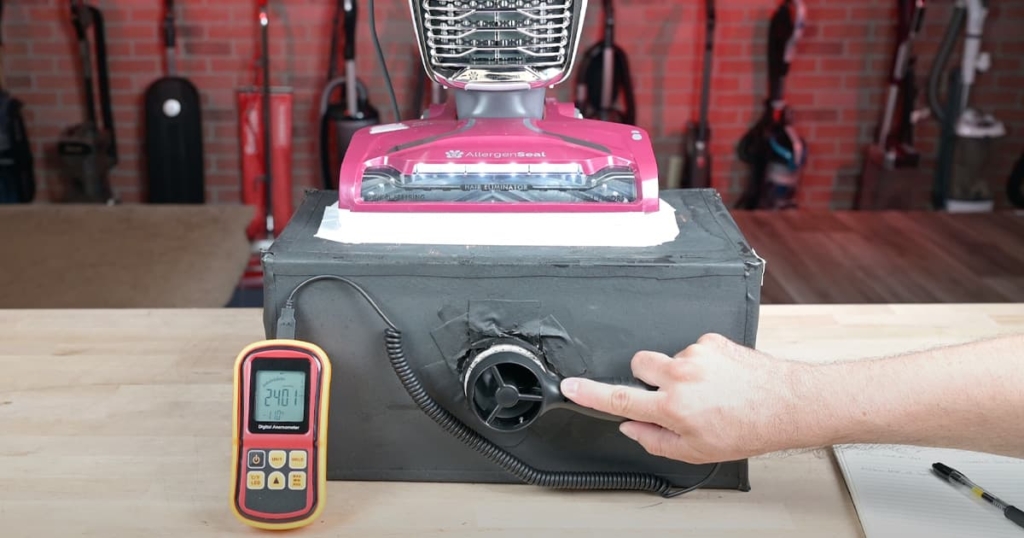
Vacuum gauges are common tools for measuring suction pressure. They show pressure values on a dial or scale. Many types exist, including analog and digital versions. They work well for quick checks and basic monitoring. Easy to read and reliable for many systems.
Manometers
Manometers measure pressure using liquid columns, often water or mercury. They provide precise readings for low vacuum levels. Simple design makes them useful in labs and workshops. Some models come with digital displays for easier reading. Ideal for detailed measurements in controlled settings.
Digital Sensors
Digital sensors convert pressure into electronic signals. They offer high accuracy and fast response times. Data can be recorded and analyzed easily on computers. Compact size fits well in automated systems. Common in industrial and scientific applications requiring detailed data.
Credit: vacuumwars.com
Step-by-step Measurement Process
Measuring vacuum suction accurately is essential for many tasks. It ensures the system works properly and safely. Follow these steps carefully to get precise readings. Each step helps prepare, connect, and record data correctly.
Preparing The Equipment
Start by gathering all necessary tools. You need a vacuum gauge or digital manometer. Check the device’s battery or power supply. Ensure the gauge matches the vacuum range you expect. Clean the equipment to avoid errors. Inspect hoses and connectors for damage or leaks. Clear any blockages that might affect measurement.
Connecting The Measuring Device
Attach the vacuum gauge to the system’s suction port. Use the correct adapter if needed. Make sure connections are tight and secure. Avoid loose fittings that cause leaks. Position the gauge where it can read suction directly. Do not place it near sources of interference. Confirm the system is off before connecting to prevent damage.
Recording Readings
Turn on the vacuum system slowly. Watch the gauge as suction builds up. Allow the reading to stabilize before noting it. Record the value clearly and accurately. Repeat the process for different points if necessary. Compare readings to the system’s specifications. Document any unusual results for further analysis.
Common Challenges And Solutions
Measuring vacuum suction accurately is not always straightforward. Various challenges can skew your readings and lead to incorrect conclusions. Understanding these common obstacles and knowing how to tackle them will save you time and frustration in your projects.
Leaks And Calibration Errors
Leaks are a frequent problem that can cause your vacuum readings to be lower than the actual value. Even a tiny crack or loose connection in the hose can let air in, affecting measurement accuracy.
Check all fittings and hoses carefully before you start. Use soap water or a leak detection spray to spot escaping air bubbles. Regular calibration of your vacuum gauge is crucial too—without it, your device may give false readings without you realizing it.
Have you ever spent hours troubleshooting only to find a loose clamp was the culprit? It’s a simple fix that can save you a lot of headaches.
Environmental Factors
Temperature and humidity can directly impact vacuum suction measurements. Cold temperatures might make materials contract, causing gaps or leaks, while high humidity can interfere with sensor electronics.
If you’re working outdoors or in varying conditions, try to measure in a controlled environment whenever possible. Keeping your equipment dry and at room temperature can improve consistency.
Think about the last time you measured suction in a chilly garage versus a warm lab—did your results differ? Environmental changes often explain these inconsistencies.
Device Limitations
Not all vacuum gauges are built the same. Some have limited ranges or slower response times, which can affect how well you capture suction levels, especially in dynamic systems.
Choose a gauge suited for your specific vacuum range and application. Digital models often provide better precision and easier calibration compared to analog ones.
Also, consider the gauge’s resolution and durability. Using a device beyond its intended limits can lead to inaccurate data and even damage the tool.

Credit: www.nourishedyoung.com
Tips For Accurate Results
Accurate measurement of vacuum suction is essential to ensure your equipment works efficiently and safely. Small errors can lead to incorrect readings, which might cause costly downtime or damage. Paying attention to key factors can help you get precise results every time.
Regular Calibration
Calibration keeps your vacuum gauge accurate and reliable. Over time, sensors can drift, causing false readings. Set a schedule to calibrate your devices against a known standard—this might mean monthly or quarterly checks depending on usage.
Don’t rely solely on factory settings. I once skipped calibration for a few months and ended up misdiagnosing a system issue that cost extra repairs. Catching sensor drift early saves you trouble and expense.
Consistent Testing Conditions
Keep your testing environment steady to avoid fluctuating results. Temperature, humidity, and air pressure changes can impact your vacuum readings. Try to test under similar conditions each time for better comparison.
Also, ensure your vacuum connections are secure and free of leaks. A loose hose can instantly skew your data. Are you checking the setup thoroughly before every test?
Proper Maintenance
Regular cleaning and upkeep of your vacuum equipment make a big difference. Dirt, dust, or moisture buildup can alter suction levels and sensor accuracy. Inspect components like seals, filters, and hoses often to maintain peak performance.
Neglect can turn a simple measurement task into a guessing game. Taking care of your tools means your measurements reflect reality, not equipment flaws.

Credit: www.amazon.ca
Frequently Asked Questions
What Tools Are Needed To Measure Vacuum Suction Accurately?
To measure vacuum suction accurately, use a vacuum gauge or a digital manometer. These tools provide precise pressure readings. Ensure the device matches your vacuum system’s range for accurate results.
How Do I Interpret Vacuum Suction Measurements?
Vacuum suction is measured in units like inches of mercury (inHg) or pascals (Pa). Higher negative pressure values indicate stronger suction. Compare readings to manufacturer specifications to assess system performance.
Can I Measure Vacuum Suction Without Specialized Equipment?
Measuring vacuum suction without proper tools is challenging and inaccurate. Use at least a basic vacuum gauge for reliable results. Improvised methods risk damage or incorrect data.
How Often Should Vacuum Suction Be Measured?
Measure vacuum suction regularly, ideally during routine maintenance. Frequent checks help detect leaks, wear, or performance drops early. This ensures optimal system efficiency and longevity.
Conclusion
Measuring vacuum suction helps ensure machines work correctly. Use the right tools for accurate results every time. Check suction regularly to avoid problems and keep things running smoothly. Understanding simple steps makes the process easier for anyone. Keep your equipment safe and efficient with proper suction checks.
Small efforts lead to better performance and longer machine life. Don’t skip this important task if you want good results. Clear measurements guide you to fix issues quickly and easily.