
Are you planning to upgrade your kitchen with a new wall oven? Before you buy, it’s crucial to know exactly how to measure your wall oven space.
Getting the measurements right will save you time, money, and a lot of frustration. In this guide, you’ll learn simple, step-by-step methods to measure your wall oven perfectly. Whether you’re replacing an old model or installing one for the first time, these tips will help you avoid common mistakes and ensure a smooth fit.
Keep reading to make sure your new oven fits flawlessly into your kitchen.
Tools Needed
Measuring a wall oven correctly is important for a proper fit. Using the right tools helps you get accurate dimensions. This guide lists the essential tools you will need.
Prepare these tools before you start measuring. They make the process easier and more precise.
Tape Measure
A tape measure is the main tool to get the length, height, and depth of the wall oven space. Choose a tape measure with clear markings in inches and centimeters.
Level
A level tool helps you check if the oven space is even. This ensures the oven will sit straight and work properly.
Pencil And Paper
Use a pencil and paper to note down your measurements. Write clearly to avoid mistakes when installing the oven.
Caliper Or Ruler
A caliper or small ruler helps measure tight spots or thicknesses inside the cabinet where the oven will go.
Safety Gloves
Wear safety gloves to protect your hands during measuring and installation. Sharp edges may be present around the wall oven space.
Summary Of Tools
- Tape Measure: For main dimensions
- Level: To check evenness
- Pencil and Paper: To record measurements
- Caliper or Ruler: For small or tight spaces
- Safety Gloves: For hand protection
Measure Oven Dimensions
Measuring your wall oven is important before buying a new one. Accurate measurements help you find the right size.
Use a tape measure and write down the height, width, and depth. This guide shows how to measure each part.
Height And Width
First, measure the height of the oven opening. Place the tape measure from the bottom to the top edge.
Next, measure the width. Stretch the tape from the left edge to the right edge of the opening.
- Measure inside the cabinet or wall space
- Write down the exact height and width
- Check if the oven fits the space
Depth Measurement
Measure the depth from the front edge to the back wall. Make sure to include space for ventilation.
Depth is important to ensure the oven fits flush and works safely in the wall space.
- Measure inside the cabinet from front to back
- Leave extra space for air flow if needed
- Record the total depth measurement
Check Cabinet Space
Measuring your wall oven space is important before installation. Check the cabinet space to ensure the oven fits properly.
Accurate measurements help avoid problems during installation. Take your time to measure carefully.
Measure Opening Size
Start by measuring the height, width, and depth of the cabinet opening. Use a tape measure for exact numbers.
Write down each measurement. Compare them to the oven’s size to make sure it will fit well.
- Measure the cabinet height from top to bottom
- Measure the width from left to right inside the cabinet
- Measure the depth from front to back inside the cabinet
Consider Ventilation Clearance
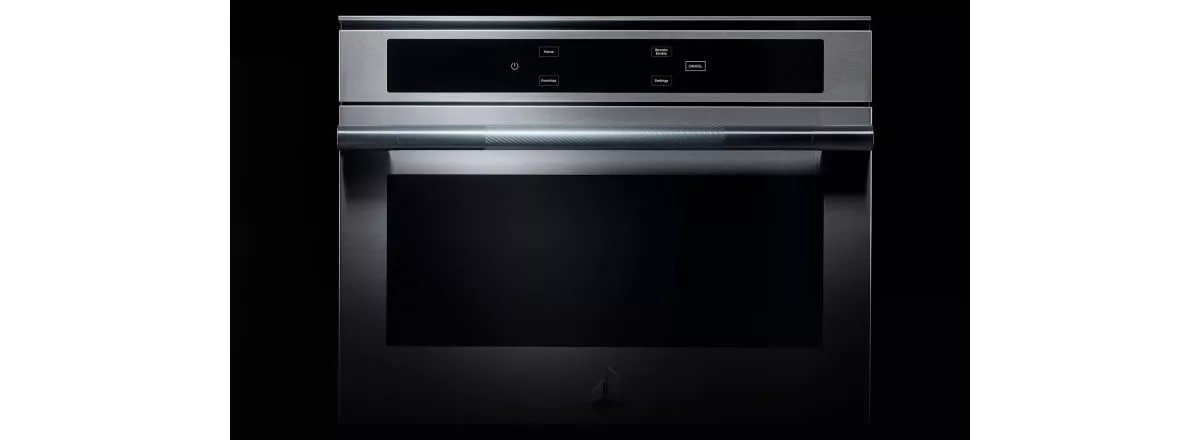
Ovens need space around them for air to flow. Check the ventilation clearance needed for your oven model.
Leave extra space if the instructions say so. Proper ventilation keeps your oven safe and working well.
- Check the oven manual for ventilation requirements
- Leave space on the sides and back of the oven
- Do not block air vents around the oven
Credit: www.jennair.com
Account For Trim And Seals
Measuring a wall oven accurately means you must consider the trim and seals. These parts affect how the oven fits into your kitchen space.
Ignoring the trim or seals can cause the oven to be too large or too small for the opening. Take careful measurements to avoid this problem.
Understand Oven Trim
Trim is the decorative edge around the oven. It often extends beyond the main body of the oven. This extension changes the total width and height you must allow for.
- Measure the width of the oven including the trim.
- Measure the height including the trim.
- Check if the trim is flat or has raised edges.
- Note if the trim overlaps the cabinet or wall.
Check Oven Seals
Seals are rubber or silicone strips around the oven door. They prevent heat from escaping. Seals can add extra size to the oven frame.
Measure the depth of the seals carefully. Some seals are thick and soft, which can compress when the door closes.
| Part | What to Measure | Why It Matters |
|---|---|---|
| Trim | Width and height including edges | Ensures oven fits in cabinet opening |
| Seals | Depth and thickness around door | Prevents damage and heat loss |
Verify Electrical And Gas Connections
Measuring a wall oven is not only about size. You must check the electrical and gas connections. This helps to make sure your oven fits and works safely.
Before installing, verify the power source and gas line. Wrong connections can cause damage or danger.
Check Electrical Requirements
Look at the oven’s electrical needs. Wall ovens can need 120V or 240V power. Confirm the outlet voltage matches the oven’s rating.
Check the circuit breaker for the oven. It should have the right amperage to handle the oven’s power load.
- Find the oven’s electrical specifications on its label.
- Use a multimeter to test the outlet voltage.
- Ensure the circuit breaker matches the oven’s amperage.
- Confirm the outlet type fits the oven plug.
Inspect Gas Line Connections
If your wall oven uses gas, check the gas line connection carefully. The oven needs a proper gas supply for safe use.
Make sure the gas shut-off valve is near the oven location. This allows quick access in case of emergency.
- Confirm the gas type: natural gas or propane.
- Inspect the gas pipe size and fittings.
- Check for leaks with soapy water after connecting.
- Ensure the gas line meets local codes and regulations.
Measure Space For Connections
Measure the space behind the oven for cables and pipes. Leave enough room to connect and service the oven.
Check both the height and depth of the connection space. This avoids cramped or bent wires and hoses.
- Measure from the floor to the electrical outlet or gas valve.
- Note the distance from the wall to the connections.
- Allow 2 to 4 inches of clearance space.
- Account for any wall coverings or panels.

Credit: marksappliance.com
Tips For Accurate Measurement
Measuring a wall oven correctly is important. It ensures the oven fits perfectly in your kitchen space. Follow these tips for accurate measurements.
Use the right tools and techniques to avoid mistakes. This guide will help you get precise measurements for your wall oven.
Use A Level
Always use a level when measuring. A level ensures your measurements are straight and accurate.
Place the level on the surface where the oven will sit. Check if it is balanced. This helps to avoid slanted installations.
- Ensure the level bubble is centered
- Adjust surfaces if needed
- Recheck after adjustments
Double Check Measurements
Measure twice to be sure of your numbers. This practice reduces errors and ensures a perfect fit.
Use a tape measure to check width, height, and depth. Write down each measurement clearly.
| Measurement | Check 1 | Check 2 |
| Width | Measure once | Measure again |
| Height | Measure once | Measure again |
| Depth | Measure once | Measure again |
Common Mistakes To Avoid
Measuring a wall oven properly is important for a good fit. Many people make common mistakes that can be avoided.
Understanding these mistakes helps you avoid them and ensures your oven fits perfectly in your kitchen space.
Ignoring Surrounding Space
People often forget to measure the space around the oven. This space is needed for air circulation and safe installation.
Without enough space, the oven may not function properly. It can also cause overheating issues.
- Measure the width, height, and depth of the oven space.
- Leave at least 2 inches of space around the oven.
Forgetting The Door Clearance
People forget to account for the oven door when open. This can lead to space issues when the door is in use.
Make sure there is enough room for the door to open fully. This prevents damage to nearby cabinets or walls.
Not Considering Electrical Outlets
Many forget to check the location of electrical outlets. This can make installation difficult if the outlet is not near the oven space.
Ensure the outlet is accessible and meets the oven’s power requirements. This will help avoid installation delays.
| Check outlet location | Ensure it is within reach |
| Check power requirements | Match them with the oven’s needs |
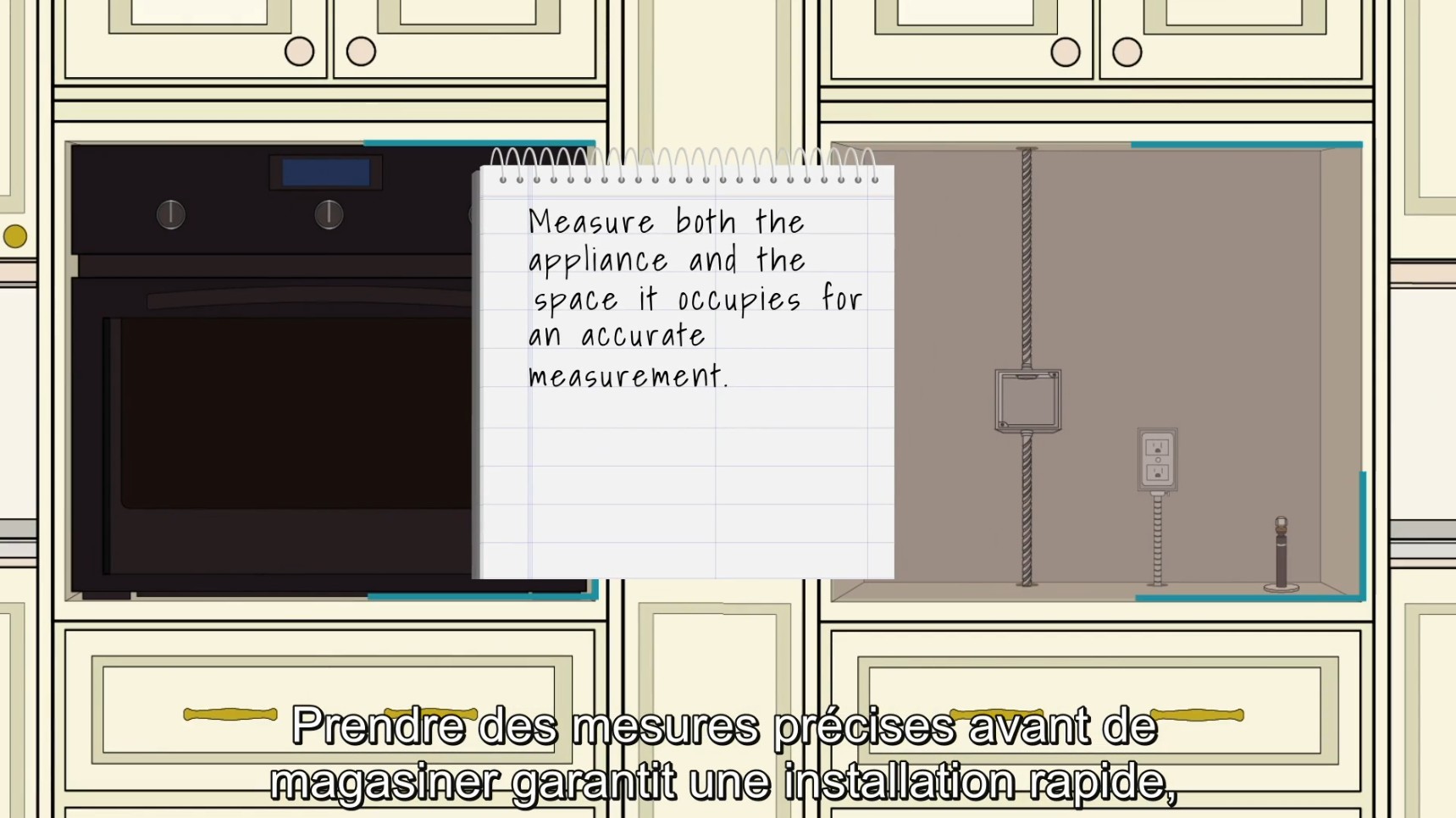
Wrong Measurements For Cutout
Using wrong measurements for the wall cutout is a common mistake. This can cause fitting issues during installation.
Always double-check the cutout measurements. This ensures the oven fits snugly in the designated space.
- Measure twice to confirm accuracy.
- Compare with the oven’s installation guide.
Credit: www.gabrielesbrandsource.ca
Frequently Asked Questions
How Do I Measure The Height Of A Wall Oven?
Measure the height from the floor to the top edge of the oven’s cutout space. Use a tape measure for accuracy.
What Width Should I Measure For A Wall Oven?
Measure the width of the wall oven opening from left to right. Ensure the tape is straight for a precise read.
Why Is Measuring Wall Oven Depth Important?
Depth measurement ensures the oven fits flush with cabinetry. Measure from the front edge to the back wall inside the cutout.
How Do I Measure For A Built-in Wall Oven?
Measure height, width, and depth of the oven cavity. Double-check dimensions to match the oven specifications exactly.
Conclusion
Measuring your wall oven correctly saves time and avoids mistakes. Use a tape measure to check height, width, and depth carefully. Measure from edge to edge for exact numbers. Write down the measurements clearly before buying a new oven. Double-check your numbers to be sure.
Proper measuring helps your oven fit perfectly in your kitchen space. This simple step makes installation easier and faster. Keep these tips in mind for a smooth experience. Measuring right leads to better kitchen planning and satisfaction.