
Choosing the right bike helmet starts with one simple step: knowing your head size. If your helmet doesn’t fit well, it won’t protect you properly when you need it most.
But how do you make sure you pick the perfect fit? It all begins with measuring your head correctly. You’ll learn an easy, foolproof way to measure your head so you can find a helmet that feels comfortable and keeps you safe every time you ride.
Keep reading—your next ride depends on it.
Why Helmet Fit Matters
Wearing a bike helmet keeps your head safe during rides. A helmet that fits right protects you better. Measuring your head helps you find the perfect helmet size.
Choosing the right fit is not just about comfort. It can improve how well the helmet works in a crash. Here are reasons why helmet fit is so important.
Safety Benefits
A helmet that fits well stays in place during an accident. This reduces the risk of head injuries. A loose or tight helmet can cause problems.
- Proper fit keeps the helmet stable on your head.
- Correct sizing prevents the helmet from shifting in a crash.
- A snug fit helps absorb impact forces evenly.
- It stops the helmet from falling off on impact.
Comfort And Performance
A good helmet fit feels comfortable for long rides. It avoids pressure points and skin irritation. Comfort lets you focus on your ride without distraction.
| Fit Factor | Comfort Effect |
| Too Loose | Helmet moves, distracting and unsafe |
| Too Tight | Pressure spots cause pain and headaches |
| Just Right | Stable, secure, and comfortable all ride long |

Credit: yankel.co.uk
Tools Needed
Measuring your head size helps you pick the right bike helmet. Using the right tools makes measuring easy and accurate.
This guide covers the common and alternative tools you can use to measure your head for a bike helmet.
Measuring Tape
A flexible measuring tape is the best tool for measuring your head. It wraps easily around your head and gives an exact size.
- Use a soft, cloth or plastic tape measure
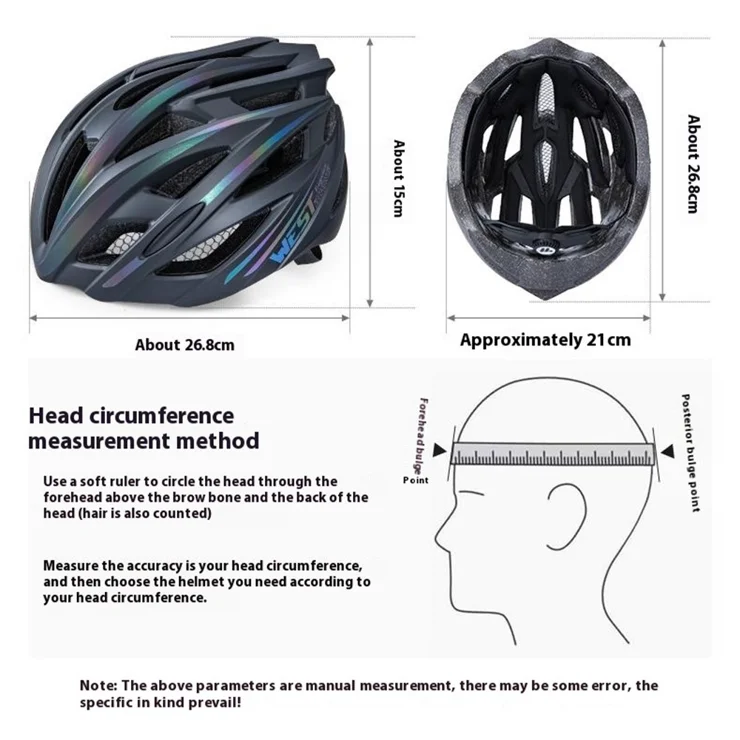
- Place it around your head just above your eyebrows
- Keep the tape snug but not too tight
- Read the measurement in centimeters or inches
Alternative Tools
If you don’t have a measuring tape, you can use other tools to find your head size. These options work well in a pinch.
| Tool | How to Use |
| String or Shoelace | Wrap it around your head, mark the length, then measure the string with a ruler |
| Paper Strip | Cut a strip, wrap it around your head, mark where it overlaps, then measure with a ruler |
| Ruler or Yardstick | Measure the string or paper strip against it to find your head size |
Preparing To Measure
Measuring your head correctly is key for a safe bike helmet fit. Taking accurate measurements helps you find the right helmet size. This guide focuses on how to prepare before you measure.
Preparation involves considering your hair and how to place the measuring tape. These details make a difference in getting the correct size.
Hair Considerations
Your hair can change your head size measurement. Thick or styled hair adds extra bulk. Thin or flat hair may give a closer measurement to your skull size.
- If you wear thick hair, measure over it as it usually stays under the helmet.
- For long hair, tie it back to avoid extra volume.
- Do not flatten hair too much to get an unrealistic size.
- Measure with your usual hairstyle for the best fit.
Positioning The Tape
Use a flexible tape measure to get an accurate reading. Place it in the right spot around your head for the best fit.
| Position | Description |
|---|---|
| Forehead | Place the tape just above your eyebrows and ears. |
| Back of Head | Wrap the tape around the widest part of the back of your head. |
| Level | Keep the tape level all the way around, not tilted up or down. |
| Snug Fit | Make sure the tape fits snug but not tight or loose. |
Measuring Your Head
Wearing the right bike helmet ensures safety. To find the right size, measuring your head is crucial. Follow these simple steps to get the best fit.
Knowing how to measure your head helps in choosing the most comfortable helmet. It is easy and takes just a few minutes.
Locating The Correct Points
To start, you need to locate the right points on your head. This ensures an accurate measurement.
- Find the largest part of your head.
- Position the tape measure just above your eyebrows.
- Ensure the tape is level all around your head.
Taking The Measurement
Once you have located the correct points, you can proceed to take the measurement. This step is simple and quick.
Use a soft measuring tape for accuracy. Wrap it around your head, ensuring it is snug but not tight. Check the measurement in centimeters or inches.
Record your measurement. Use this number to choose the right helmet size. Proper fit ensures better protection and comfort.
Interpreting Measurements
Measuring your head for a bike helmet helps you find the right fit. A good fit keeps you safe and comfortable.
After you measure your head, you need to understand what the numbers mean. This guide explains how to read your measurements.
Converting Inches To Helmet Size
Helmet sizes are often shown in centimeters, but you might measure your head in inches. You can easily convert inches to centimeters.
Multiply your head size in inches by 2.54. This gives you the size in centimeters for helmet sizing.
- Example: 22 inches × 2.54 = 55.88 cm
- Round the number to the nearest whole number
- Use this number to find your helmet size
Size Charts And Variations
Helmet sizes vary by brand and style. Size charts help you match your head measurement to the right helmet size.
Check the size chart before buying. Some brands use small, medium, and large. Others use numbers in centimeters.
| Helmet Size | Head Circumference (cm) | Head Circumference (inches) |
|---|---|---|
| Small | 51 – 55 | 20 – 21.7 |
| Medium | 56 – 59 | 22 – 23.2 |
| Large | 60 – 63 | 23.6 – 24.8 |
| X-Large | 64 – 67 | 25.2 – 26.4 |

Credit: unit1gear.com
Trying On Helmets
Trying on bike helmets helps you find the right fit for your head. A good fit keeps you safe and comfortable while riding.
Make sure to try different helmet sizes and styles. This helps you see what feels best and fits securely.
Checking Fit And Comfort
The helmet should fit snugly around your head without causing pain. It should not move when you shake your head.
Check that the helmet sits level on your head. It should cover your forehead without blocking your vision.
- The helmet should feel even all around your head.
- There should be no pressure points or tight spots.
- You should be able to wear it for a long time comfortably.
Adjusting Straps And Pads
Adjust the straps so they fit firmly under your chin. The straps should not be too loose or too tight.
Use the pads inside the helmet to improve comfort and fit. Add or remove pads as needed to fill gaps.
- Straps should form a V shape under each ear.
- Chin strap must be tight enough to hold the helmet in place.
- Pads help reduce movement and increase comfort.
Common Fit Issues
Getting the right bike helmet fit is important for safety and comfort. Many people face problems with their helmet fit. These issues usually come from the helmet being too tight, too loose, or creating pressure points.
This guide covers common fit problems and how to recognize them. Fixing these problems helps you enjoy your ride safely.
Too Tight Or Too Loose
A helmet that is too tight can cause headaches and discomfort. A helmet that is too loose may move around and not protect well. Both problems reduce helmet effectiveness.
- Too Tight:Red marks on your forehead or temples, pain after wearing the helmet for a short time.
- Too Loose:Helmet slides or shifts when you move your head quickly or shake it.
- Check:The helmet should feel snug but not squeeze your head.
- Adjust:Use the helmet’s size dial or padding to get a better fit.
Pressure Points
Pressure points happen when the helmet presses too hard on certain spots of your head. These spots can cause pain and make you want to remove the helmet.
| Pressure Spot | Cause | Solution |
| Forehead | Helmet edge too low or tight straps | Raise helmet position or loosen straps slightly |
| Temples | Helmet too narrow or tight fit | Try a wider helmet or remove thick padding |
| Back of Head | Helmet sits too low or padding misplaced | Adjust helmet height and reposition padding |
Tips For Best Fit
Measuring your head correctly is key to finding a bike helmet that fits well. A good fit protects you and feels comfortable on long rides.
Use a soft tape measure and measure your head around the widest part. This helps you pick the right helmet size for safety.
Rechecking Measurements
Measure your head more than once to get the best result. Your head shape can make measuring tricky the first time.
Take measurements at different times of the day. Your head size can change slightly from morning to evening.
- Use the same tape measure each time
- Keep the tape level and snug, not tight
- Measure just above your eyebrows and ears
- Record each measurement to compare
Regular Fit Checks
Check your helmet fit regularly to keep it safe and comfy. Your head size and shape may change over time.
Make sure the helmet sits level on your head and does not move when you shake your head. Straps should be snug but not painful.
- Adjust straps for a secure fit
- Replace helmets after any crash
- Check padding for wear and tear
- Try the helmet on before every ride
Credit: daniellemcfaddenforlowell.com
Frequently Asked Questions
How Do I Measure My Head For A Bike Helmet?
Use a flexible tape measure around your head’s largest part, just above your eyebrows. Keep the tape snug but not tight. Note the measurement in centimeters or inches for accurate helmet sizing.
Why Is Helmet Fit Important For Safety?
A proper helmet fit ensures maximum protection during impacts. It prevents the helmet from slipping or rotating. A well-fitted helmet reduces injury risk and improves comfort while riding.
Can I Use A String Instead Of A Tape Measure?
Yes, you can use a string to measure your head circumference. Wrap it around your head, mark the length, then measure the string with a ruler. This method works if you lack a tape measure.
How Often Should I Re-measure My Head For A Helmet?
Re-measure your head before buying a new helmet or if your current helmet feels loose. Head size can change slightly over time, especially for children. Regular checks ensure a perfect fit and safety.
Conclusion
Measuring your head correctly helps find the best bike helmet fit. A good fit keeps you safe and comfortable while riding. Use a soft tape measure around your head just above your eyebrows. Take your time to get the right size.
Try the helmet on and adjust the straps for a snug feel. Remember, a properly fitted helmet can protect your head in accidents. Keep these steps in mind each time you buy a new helmet. Stay safe and enjoy your bike rides!