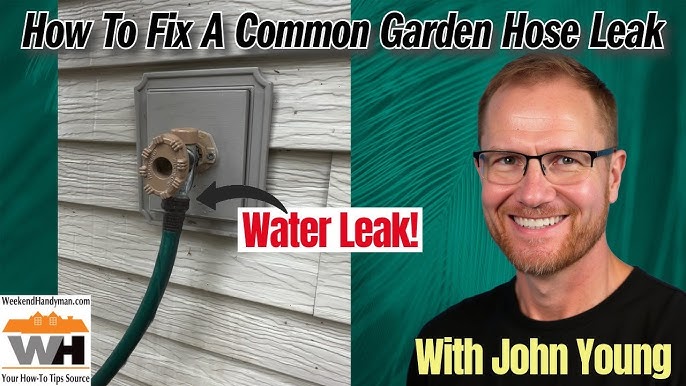
A broken garden hose can turn a simple watering task into a frustrating mess. If your hose is leaking or has a hole, you might think it’s time to buy a new one.
But what if you could fix it yourself quickly and easily? In this guide, you’ll discover simple, step-by-step methods to mend your garden hose and save both time and money. Keep reading—you’ll be amazed at how easy it is to get your hose back in action without any special tools or skills.
Common Hose Problems
Garden hoses often face wear and tear from daily use. Fixing small problems can extend their life.
Knowing common hose problems helps you repair them quickly. This saves money and effort.
Leaks And Holes
Leaks and holes cause water to spray out and waste water. They appear from sharp objects or old age.
You can fix small holes with hose repair tape or patch kits. Cut the hose cleanly before patching.
- Turn off water before fixing
- Dry the area around the hole
- Wrap repair tape tightly or apply patch
Cracks And Splits
Cracks and splits happen when hoses dry out or freeze. These damage the hose walls and cause leaks.
Fix cracks by cutting out the damaged section. Use a hose connector to join the good ends together.
- Cut straight and clean cuts
- Insert hose ends into connector
- Tighten clamps to secure connection
Damaged Connectors
Connectors can break or corrode from use and weather. Damaged connectors cause leaks or stop water flow.
Replace broken connectors with new ones. Unscrew the old connector and attach the new one firmly.
- Remove old connector carefully
- Use plumber’s tape for a tight seal
- Screw on new connector securely

Credit: www.familyhandyman.com
Tools And Materials Needed
Mending a garden hose is easy with the right tools. Gathering the proper materials saves time and effort.
Use the right items to fix leaks or cracks and get your hose working again quickly.
Basic Repair Kits
Basic repair kits have everything you need for common hose problems. They usually include connectors and patches.
These kits are handy for small holes or broken ends. They make fixing your hose simple and fast.
- Hose connectors
- Rubber washers
- Repair clamps
- Patch tape or patches
- O-rings
Diy Materials
You can also use common household items for hose repair. Some materials work well for temporary fixes.
Gather these if you don’t have a repair kit nearby. They help stop leaks until a permanent fix is done.
- Electrical tape or duct tape
- Scissors or utility knife
- Rubber tubing or hose segments
- Zip ties
- Sandpaper (to smooth edges)
Safety Gear
Wear safety gear to protect yourself during hose repair. Some tools can cause cuts or injuries.
Keep safety in mind to avoid accidents. Use gloves and eye protection when needed.
- Work gloves to protect hands
- Safety glasses or goggles
- Long sleeves to guard skin
- Closed-toe shoes
Quick Patch Methods
Fixing a garden hose quickly can save you time and water. Several easy methods help stop leaks fast.
These quick patches work well for small holes or cracks. You can do them with simple tools and materials.
Using Waterproof Tape
Waterproof tape can seal small holes and splits in a hose. It sticks tightly and blocks water from leaking out.
Wrap the tape around the damaged area. Make sure to cover it fully and press the tape firmly for a good seal.
- Clean and dry the hose before applying tape
- Stretch the tape slightly as you wrap it
- Overlap the tape layers for better coverage
Applying Hose Repair Tape
Hose repair tape is made to fix leaks and cracks. It bonds with the hose material for a strong hold.
Peel the backing and wrap the tape tightly around the damage. Smooth out air bubbles to prevent leaks.
- Use clean gloves to avoid dirt on the tape
- Wrap several layers to increase strength
- Allow time for the tape to set if instructions say so
Temporary Sealants
Temporary sealants like silicone or rubber compounds stop leaks quickly. They fill holes and harden to block water.
Apply the sealant over the hole and spread it evenly. Let it dry fully before using the hose again.
- Clean and dry the hose before applying sealant
- Use a putty knife or your finger to smooth the sealant
- Check the seal before turning on water pressure
Permanent Repair Techniques
A garden hose can develop leaks or cracks over time. Permanent repairs help avoid frequent replacements. These techniques restore the hose’s function and save money.
Below are several ways to fix your garden hose permanently. Each method targets different damage types for long-lasting results.
Replacing Hose Sections
Damaged hose sections can be cut out and replaced. This keeps the rest of the hose usable and stops leaks.
Cut the hose on both sides of the damage using sharp scissors. Remove the bad part before joining the ends with a repair coupling.
- Measure the damaged area carefully
- Use clean, straight cuts for better sealing
- Match the hose diameter when buying replacement parts
Installing Hose Repair Couplings
Hose repair couplings connect two hose pieces tightly. They provide a strong seal that stops water leaks.
Insert the hose ends into each side of the coupling. Tighten the clamps or screws to secure the connection firmly.
- Choose couplings that fit your hose size
- Push hose ends fully into the coupling
- Tighten clamps until the hose cannot slip
- Test the connection by turning on water slowly
Fixing Connectors And Fittings
Leaky connectors and fittings need tightening or replacement. Loose parts cause water loss and reduce hose pressure.
Remove the damaged fitting and replace it with a new one. Use plumber’s tape on threads for a better seal.
- Turn off water before removing fittings
- Wrap plumber’s tape around fitting threads
- Screw the fitting tightly but avoid overtightening
- Check for leaks by running water through the hose
Preventing Future Damage
Fixing a garden hose is only part of keeping it working. Taking steps to stop damage helps your hose last longer. This guide shares tips to protect your hose from harm.
Use these simple care habits to avoid leaks and cracks. Proper care saves money and keeps your garden healthy.
Proper Storage Tips
Store your garden hose in a cool, dry place. Avoid leaving it under the sun or near sharp objects. This prevents cracks and weak spots.
Use a hose reel or hanger to keep it off the ground. Coiling it loosely stops kinks and tangles. Proper storage keeps water flowing smoothly.
- Keep hose away from direct sunlight
- Use a reel or hanger for storage
- Coil hose loosely to avoid kinks
- Store hose indoors during bad weather
Avoiding Pressure Buildup
High water pressure can damage hoses quickly. Use a pressure regulator if your water system is strong. This keeps your hose safe from bursting.
Turn off the water and release pressure after use. Leaving water inside under pressure causes wear and leaks. Check fittings for tightness to stop drips.
- Install a pressure regulator if needed
- Turn off water after use
- Release pressure by opening nozzle
- Check and tighten hose fittings
Seasonal Maintenance
Prepare your hose for each season to avoid damage. Drain water from the hose before winter to stop freezing and cracking. Store it inside during cold months.
Inspect your hose often for damage like holes or weak spots. Fix small issues quickly to avoid bigger problems. Clean the hose to remove dirt and debris.
- Drain hose before freezing weather
- Store hose indoors in winter
- Inspect hose regularly for damage
- Clean hose to remove dirt and mold

Credit: www.youtube.com
When To Replace The Hose
Garden hoses can last a long time but not forever. Knowing when to replace your hose saves water and effort.
Some damages cannot be fixed easily. It is better to replace the hose than keep repairing it.
Signs Of Irreparable Damage
Look for big cracks or splits that leak water nonstop. These often cannot be sealed properly.
If the hose feels very thin or brittle, it may break soon. Soft spots that swell are also bad signs.
- Large cracks or holes along the hose
- Soft or swollen areas on the hose surface
- Brittle hose that cracks when bent
- Leaks near fittings that do not stop
- Hose that kinks and cannot straighten
Cost Vs. Repair Analysis
Small leaks or holes can be fixed with tape or patches. Repairs cost less than buying new.
Fixing many leaks or large damage costs more time and money. Sometimes repairs fail quickly.
| Repair | Cost | Durability |
|---|---|---|
| Patch small holes | Low | Short term |
| Replace fittings | Medium | Medium term |
| Multiple repairs | High | Uncertain |
| Buy new hose | Higher | Long term |
Choosing A New Hose
Pick a hose length that fits your garden size well. Too long or short hoses cause trouble.
Look for strong materials like reinforced rubber or vinyl. They last longer and resist damage.
- Choose the right length for your space
- Pick durable material for long use
- Check hose diameter for water flow needs
- Look for kink-resistant designs
- Consider easy-to-use connectors

Credit: www.youtube.com
Frequently Asked Questions
How Do I Fix A Leaky Garden Hose?
To fix a leaky garden hose, first locate the leak. Use waterproof tape or a hose repair kit to seal it. Ensure the fittings are tight and replace washers if needed. Regular maintenance can prevent future leaks.
What Tools Are Needed To Mend A Garden Hose?
To mend a garden hose, you’ll need pliers, a utility knife, and a screwdriver. A hose repair kit and waterproof tape can also be useful. These tools help in cutting, sealing, and tightening hose components effectively.
Can I Use Duct Tape On A Garden Hose?
Duct tape is a temporary fix for garden hoses. It may not withstand water pressure for long. Use waterproof tape or a hose repair kit for a more durable solution. Proper repairs prevent further damage and save water.
How To Prevent Future Hose Leaks?
To prevent future hose leaks, regularly inspect and maintain your hose. Store it properly during cold weather to avoid cracks. Ensure fittings are tight and replace worn-out washers. Regular care extends the hose’s lifespan and ensures efficient watering.
Conclusion
Mending a garden hose saves money and time. Small leaks do not mean you need a new hose. With a few tools, you can fix it yourself. Follow simple steps to stop water waste quickly. Keep your hose ready for watering anytime.
Regular checks help find problems early. A repaired hose lasts longer and works better. Try fixing your hose today and enjoy a healthy garden.